17 Feathered Mullet Haircuts for Women
Soft flicks, airy layers, and flowing nape pieces give these feathered mullet haircuts a feminine, textured finish with plenty of movement.
A feathered mullet keeps the recognizable shorter-front, longer-back structure of a mullet but softens it with light layering and tapered ends. Instead of heavy, sharply disconnected sections, the hair moves through the crown, sides, and nape with a more fluid shape that can range from understated to distinctly retro.
When comparing these ideas, consider your natural texture, preferred fringe length, crown volume, and how much length you want at the back. Feathering should create believable movement without making the ends look overly thin, while the finished silhouette should still reflect natural density, strand behavior, and manageable styling.
Quick List
- Soft Feathered Mullet Hairstyle
- Wispy Fringe Feathered Mullet Hairstyle
- Short Feathered Mullet Hairstyle
- Long Nape Feathered Mullet Hairstyle
- Wavy Feathered Mullet Hairstyle
- Curly Feathered Mullet Hairstyle
- Side Swept Feathered Mullet Hairstyle
- Voluminous Crown Feathered Mullet Hairstyle
- Tapered Side Feathered Mullet Hairstyle
- Piecey Bangs Feathered Mullet Hairstyle
- Shoulder Length Feathered Mullet Hairstyle
- Face Framing Feathered Mullet Hairstyle
- Micro Fringe Feathered Mullet Hairstyle
- Fluffy Feathered Mullet Hairstyle
- Sleek Top Feathered Mullet Hairstyle
- Retro Feathered Mullet Hairstyle
- Grown Out Feathered Mullet Hairstyle
1. Soft Feathered Mullet Hairstyle
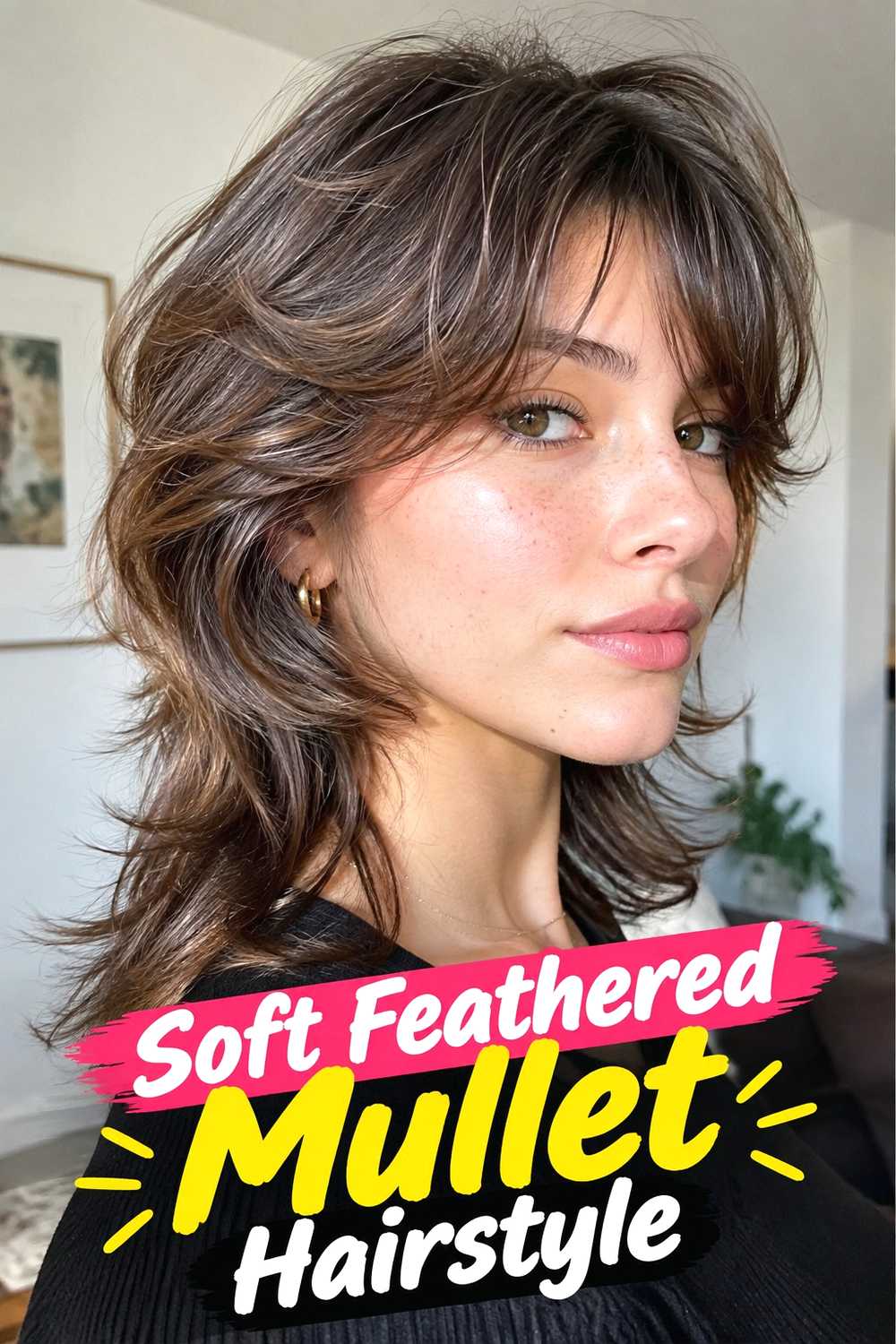
This soft interpretation uses gradual feathering to make the classic mullet proportions feel relaxed rather than sharply separated. Short layers lift gently through the crown, pieces around the ears remain light and mobile, and the nape extends into tapered ends that sit naturally against the neck. A soft fringe can blend into the side layers instead of creating a hard line across the forehead. The result works well for anyone who likes the shape of a mullet but wants a subtler finish that can still look polished. Straight and lightly wavy textures show the feathered ends clearly, while keeping some weight through the perimeter prevents the haircut from becoming overly wispy or thin.
Styling Notes
Direct a few side and nape pieces outward while drying, then soften the shape with your fingers rather than brushing everything into one uniform curve.
2. Wispy Fringe Feathered Mullet Hairstyle
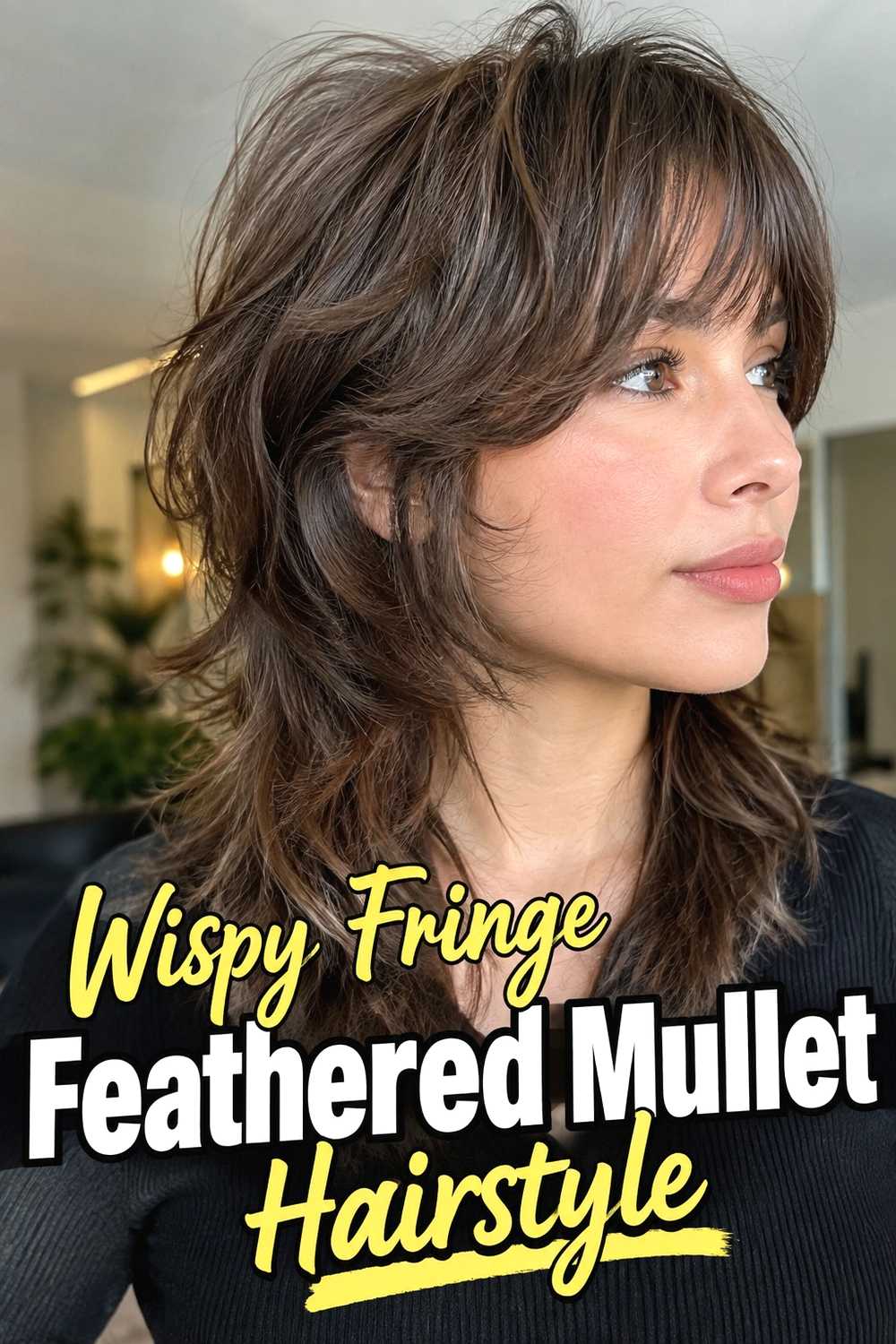
A wispy fringe gives the feathered mullet an airy front that complements its lighter layers. Fine pieces fall across the forehead at slightly varied lengths, then blend gradually into short temple sections and longer layers behind the ears. The crown carries gentle lift rather than dramatic height, while the nape fans into soft tapered ends. This is a useful choice if you want bangs without the visual weight of a full, blunt fringe. The front can also be shifted slightly to one side as it grows, making it more flexible between trims. Lightweight styling is important because dense creams or waxes can make those delicate fringe pieces clump together and lose their soft movement.
Best For
This version suits anyone who wants visible fringe with a delicate finish and a mullet shape that feels blended rather than heavily disconnected.
3. Short Feathered Mullet Hairstyle
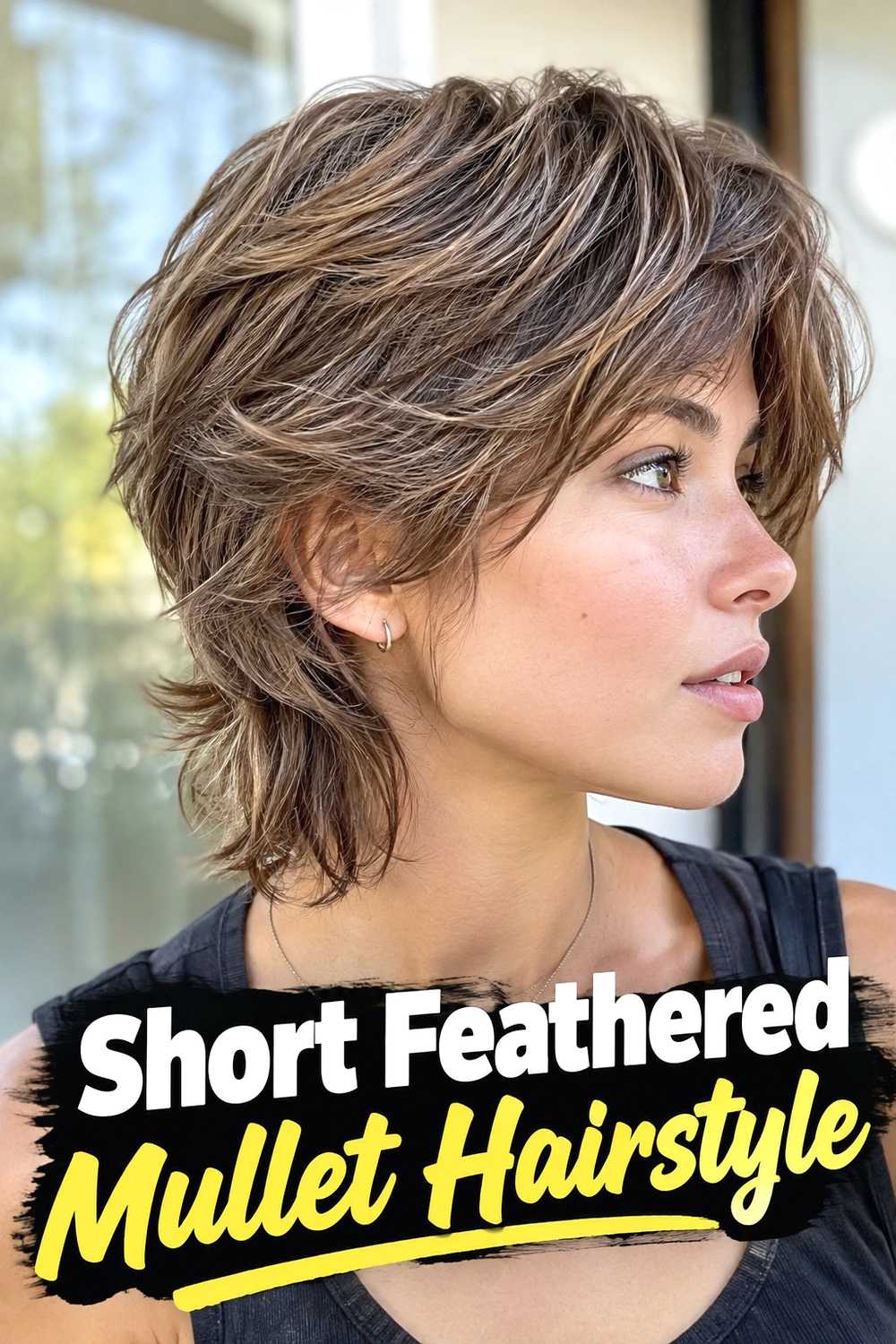
A short feathered mullet keeps most of the silhouette compact while preserving just enough nape length to make the shape recognizable. Layers through the crown create airy lift, the ears remain partly exposed, and the back extends only slightly beyond the hairline before tapering into feathered pieces. This makes the haircut feel closer to a pixie-mullet and can be easier to manage than versions with a dramatic tail. The compact length puts more emphasis on the fringe and crown, so the texture there should stay balanced and intentional. Fine or medium-density hair can benefit from the movement created by feathering, provided the ends are not thinned so aggressively that the perimeter loses substance.
Wear & Maintenance
Shorter areas around the ears and neckline tend to show growth sooner. Small perimeter trims can maintain the shape while leaving the crown relatively untouched.
4. Long Nape Feathered Mullet Hairstyle
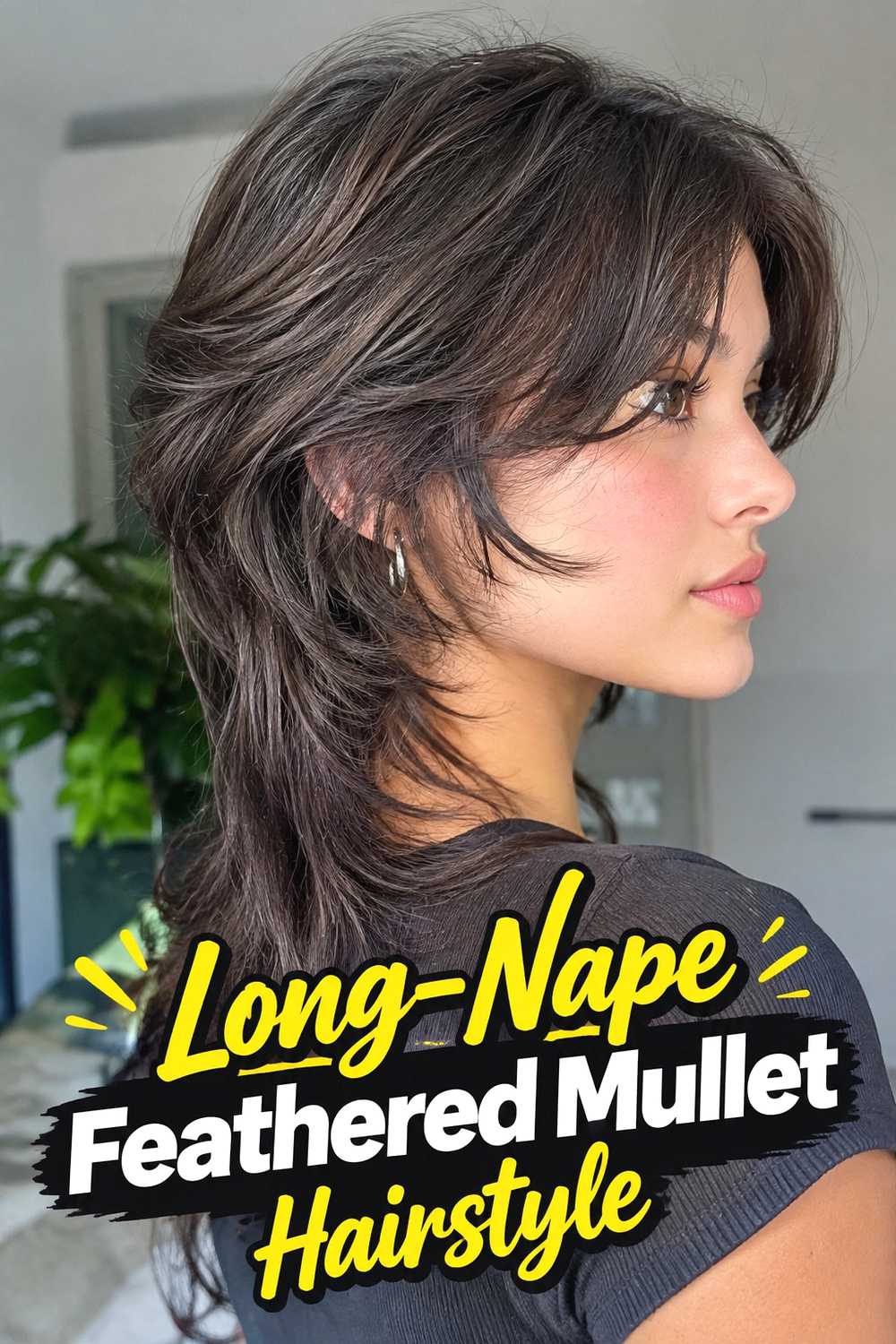
This version highlights the mullet structure by leaving significantly more length through the back. The front stays relatively short and layered, while pieces behind the ears gradually transition into a longer nape with tapered, flickable ends. Feathering keeps that extended section from hanging like one heavy tail and gives the haircut movement when viewed from the side. The crown should retain enough volume to connect the shorter front with the elongated back visually. Straight and wavy textures can emphasize the direction of the feathering particularly well. This style makes a stronger statement than a compact mullet, yet the softer edges prevent the contrast from feeling overly severe.
Styling Notes
Shape the nape with light outward movement and avoid flattening it against the neck. A little separation helps the extra length look purposeful.
5. Wavy Feathered Mullet Hairstyle
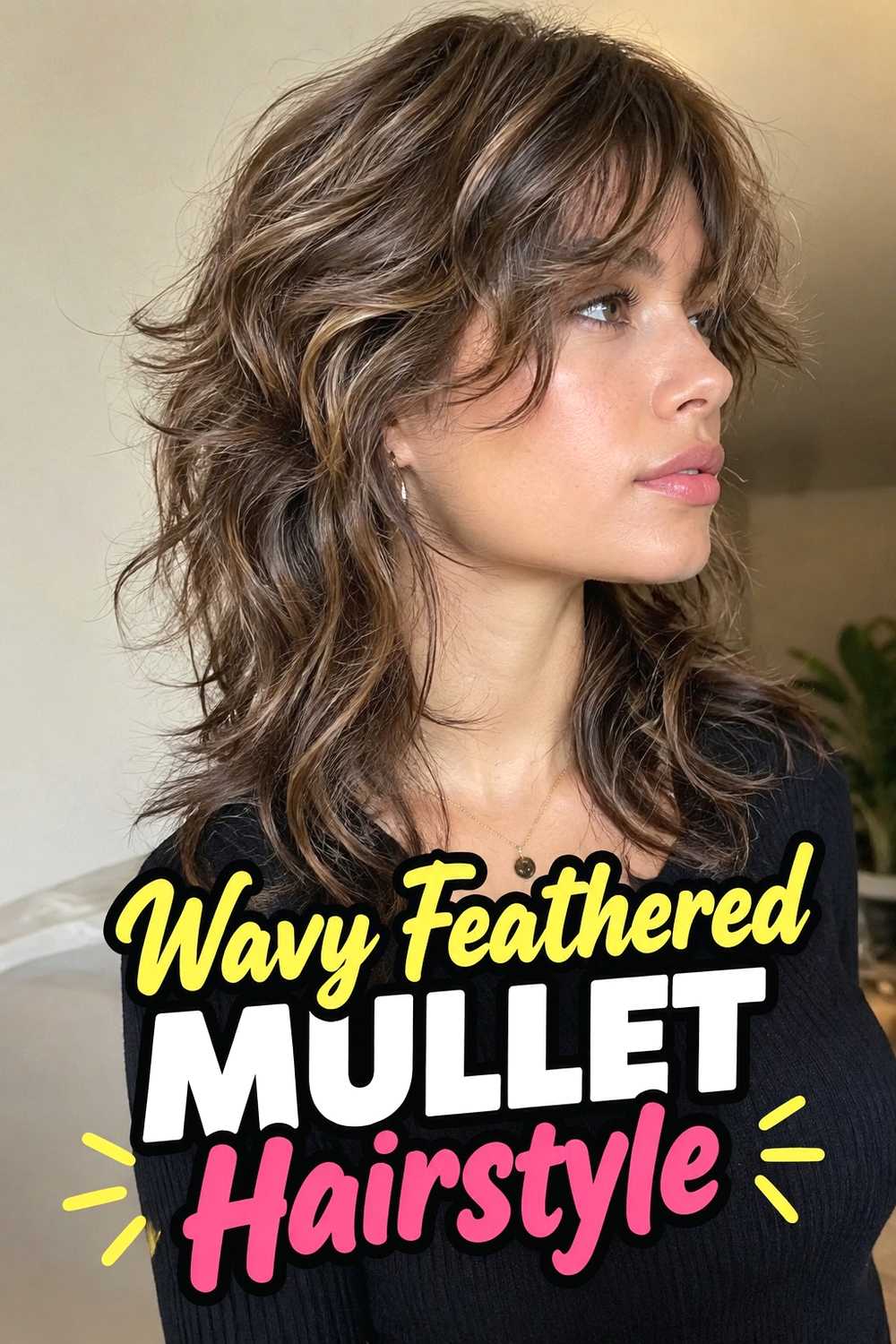
Natural waves give a feathered mullet built-in movement, allowing shorter crown layers and longer back sections to blend without looking overly precise. The waves can bend outward around the ears, lift gently at the crown, and create a relaxed flick through the nape. Instead of forcing every layer into the same direction, let different sections follow their natural wave pattern. This creates an easy, slightly undone finish while still showing the haircut’s structured front-to-back progression. The shape works especially well if your hair already forms loose bends because styling can remain minimal. Keeping the ends light but not over-thinned helps the waves hold their body and prevents the longest sections from looking sparse.
Why It Works
The wave pattern softens the transition between different lengths while naturally emphasizing the feathered texture throughout the haircut.
6. Curly Feathered Mullet Hairstyle
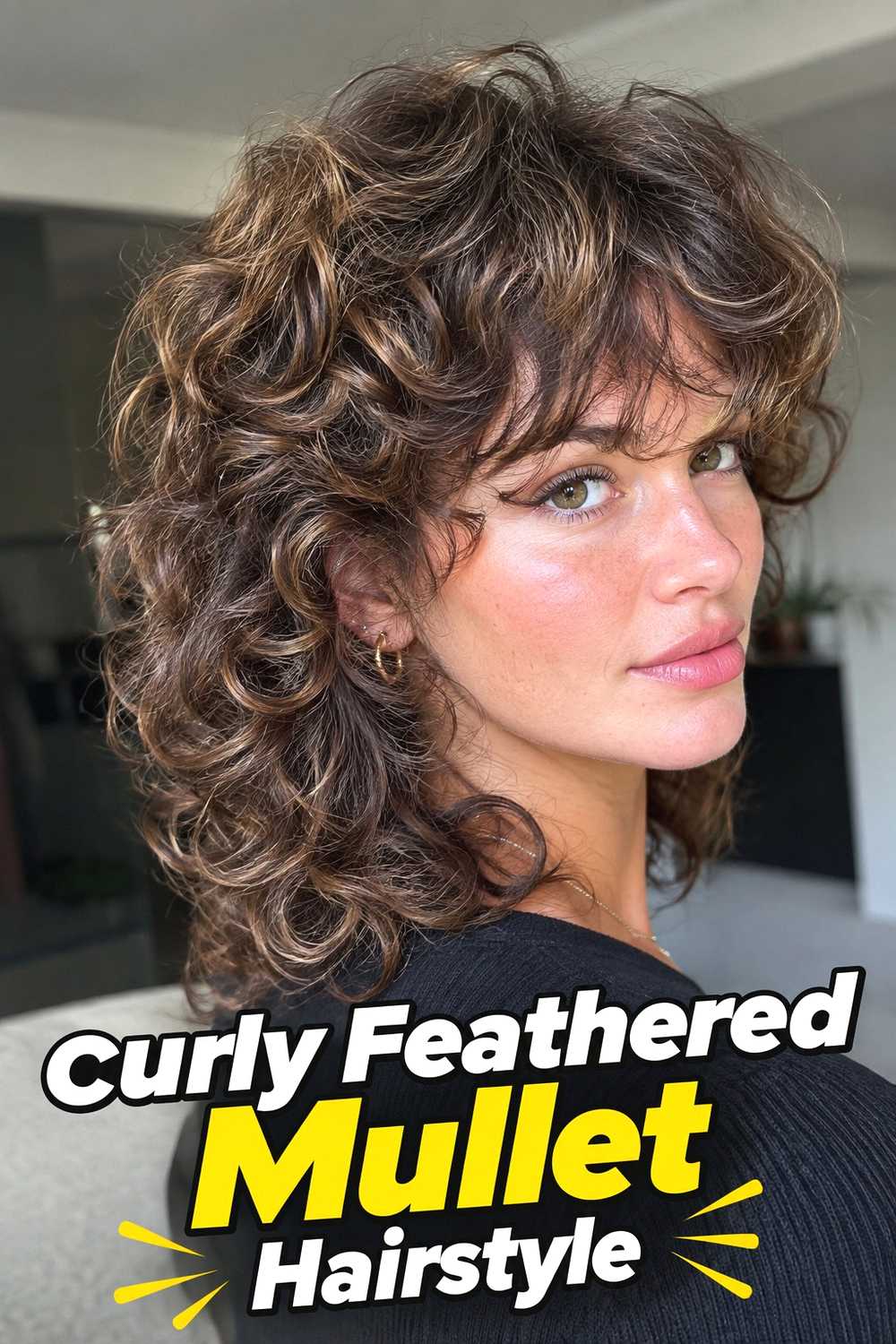
A curly feathered mullet replaces straight flicks with springy, layered movement. Short curls around the crown create lift, pieces near the temples and ears stay relatively light, and longer curls through the nape establish the mullet shape. Feathering on curly hair should respect the curl pattern rather than trying to produce razor-thin ends, so the result remains full and believable. Dry length is especially important because curls may spring considerably shorter after styling. Leaving enough weight through the crown can help prevent gaps while still allowing individual curls to separate. This option works well if you want the mullet proportions to remain visible but prefer the softer, rounded character that natural curls bring.
Hair Type & Length
Curly and loosely coiled textures can adapt well to this shape. Layering should account for density, curl spring, and how much shrinkage occurs after drying.
7. Side Swept Feathered Mullet Hairstyle
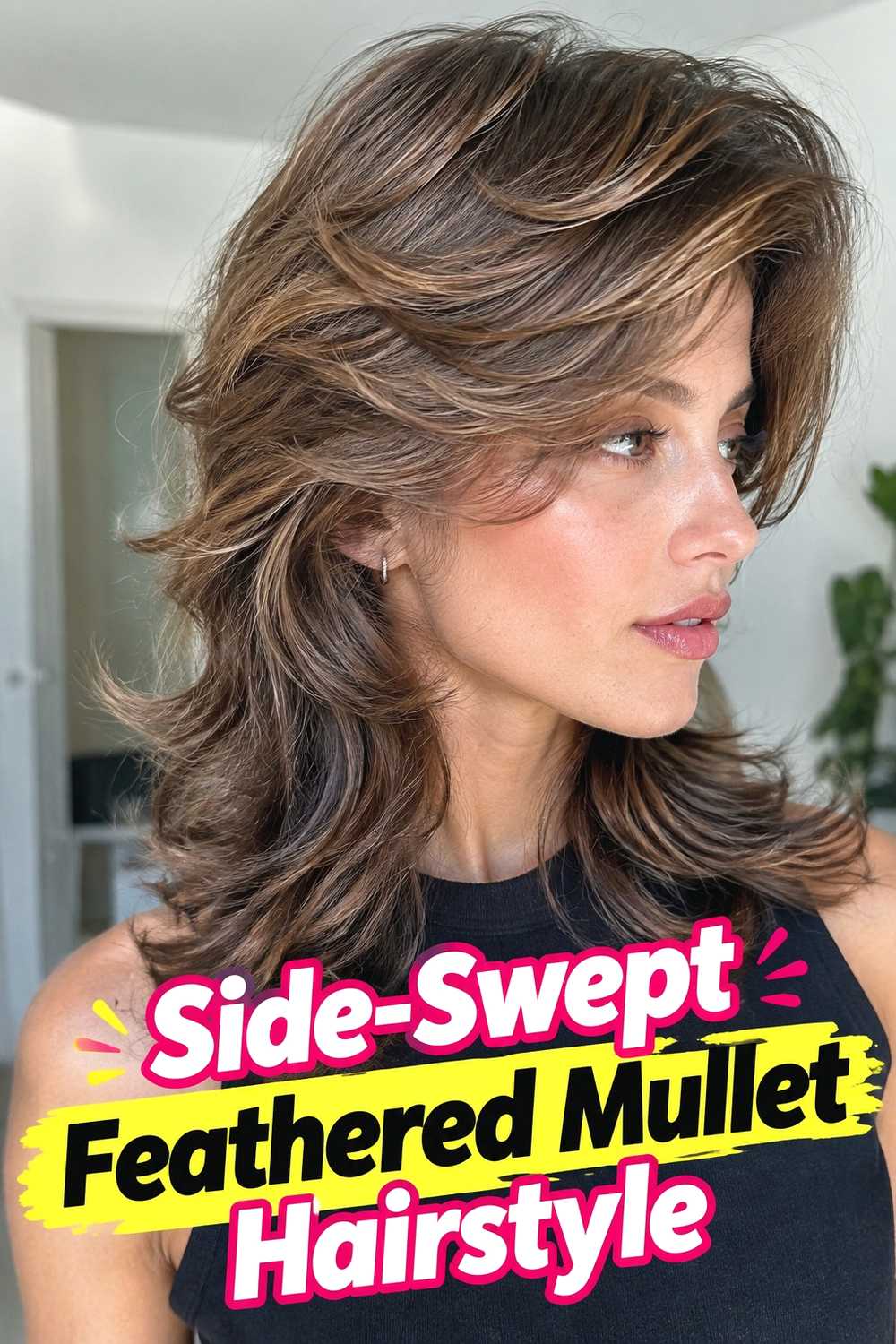
A side-swept front gives the feathered mullet a softer asymmetrical profile. Longer fringe layers move diagonally across the forehead and blend into feathered pieces around the temple, while the opposite side can sit closer to the head or tuck behind the ear. The crown remains lightly layered, and the back extends into tapered nape pieces that preserve the mullet structure. This style offers flexibility because the front can be worn with more or less sweep depending on the day. Following the hair’s natural part often makes styling easier and keeps the direction believable. A little separation through the ends prevents the sweep from becoming overly smooth compared with the textured back.
Styling Notes
Dry the front toward its preferred side before working on the crown and nape. Finish by loosening selected ends with your fingers for softness.
8. Voluminous Crown Feathered Mullet Hairstyle
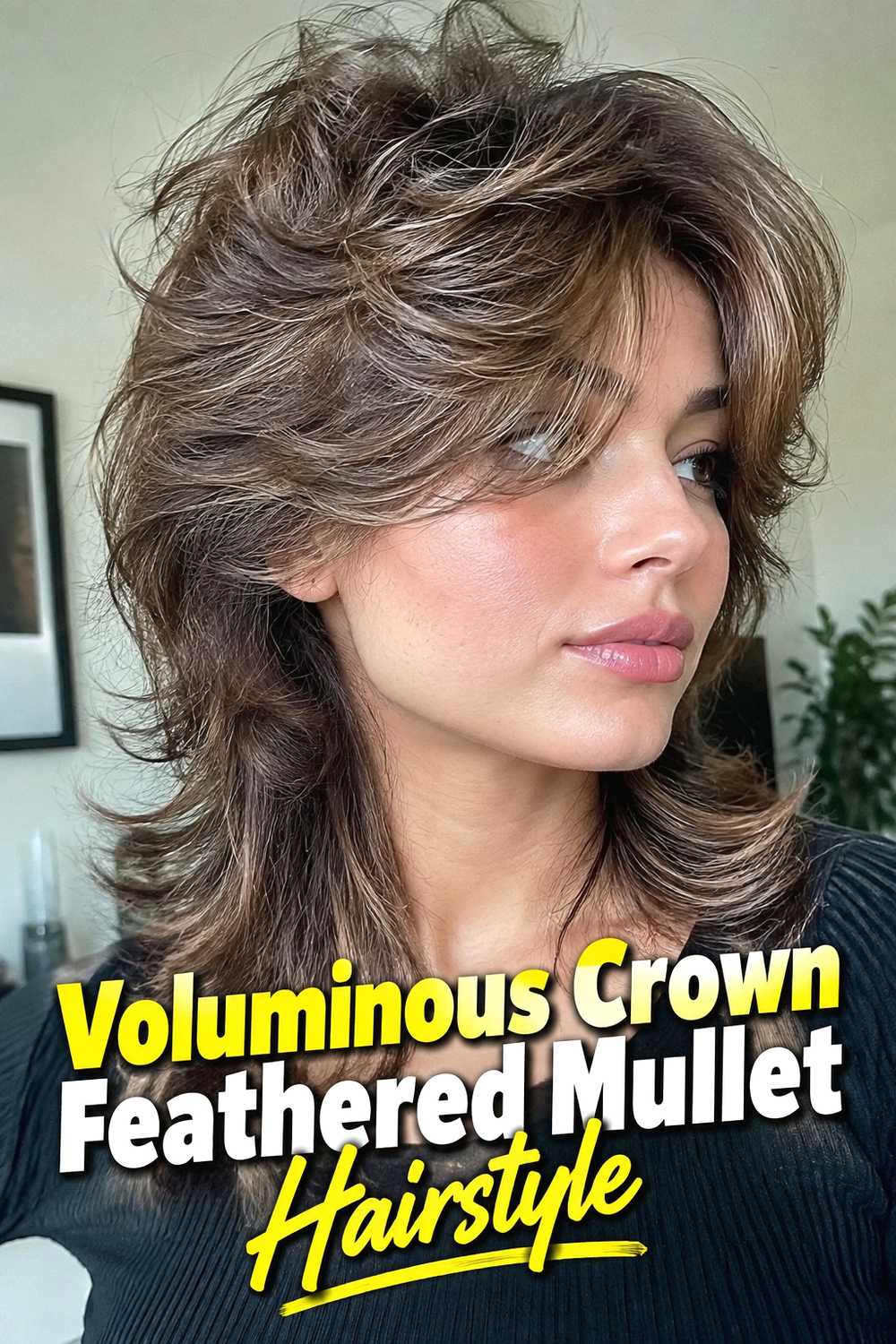
This feathered mullet puts the most emphasis on crown height, creating a fuller upper silhouette while keeping the sides relatively controlled. Short and medium layers lift away from the scalp, then taper into lighter pieces near the ears and nape. The back stays longer, but the volume on top keeps the proportions balanced instead of making the tail the only noticeable feature. Hair that naturally holds body can make this shape easier to maintain, although careful blow-drying can also create lift on straighter textures. The crown should feel airy rather than stiff, with some layers falling flatter than others. That variation keeps the haircut modern and prevents it from looking excessively sculpted.
Pro Tip
Build volume at the roots first, then style the ends. Heavy finishing products can collapse the crown and reduce the contrast that defines this version.
9. Tapered Side Feathered Mullet Hairstyle
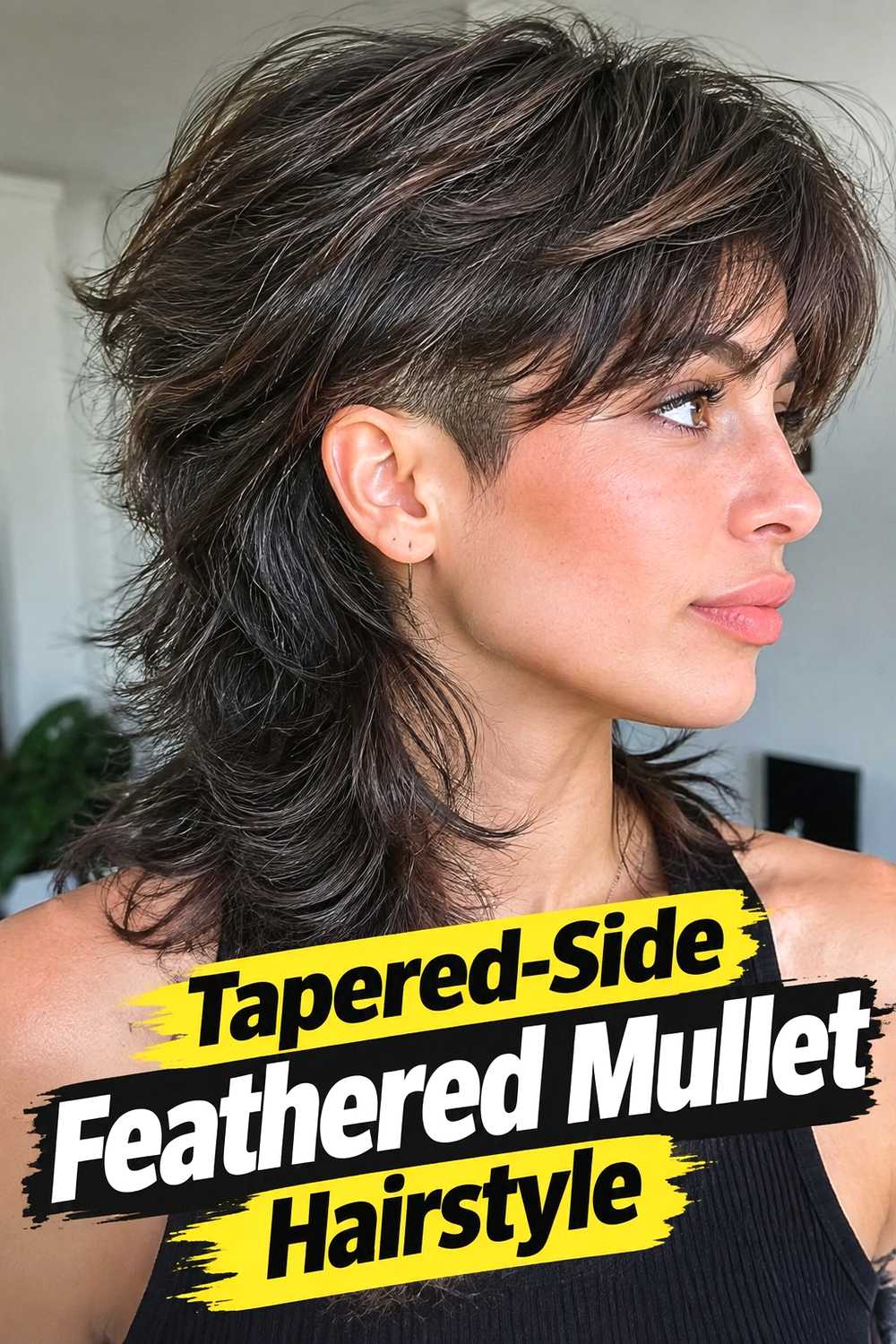
Tapered sides create a cleaner outline around the temples and ears while the crown and nape retain softer feathered movement. The side length gradually reduces rather than dropping into a dramatic undercut, which keeps the haircut feminine and easy to blend. Above the taper, layered pieces can lift or sweep naturally, while the back extends into light, elongated ends. This structure can be especially useful for dense hair because it removes bulk from areas that might otherwise make the haircut look too wide. The result feels neat from the front and textured from the side and back. Leaving a few softer pieces at the sideburns can make the taper look less severe.
Wear & Maintenance
The tapered areas may need reshaping more often than the crown and nape. Small side cleanups can preserve the silhouette without shortening the entire haircut.
10. Piecey Bangs Feathered Mullet Hairstyle
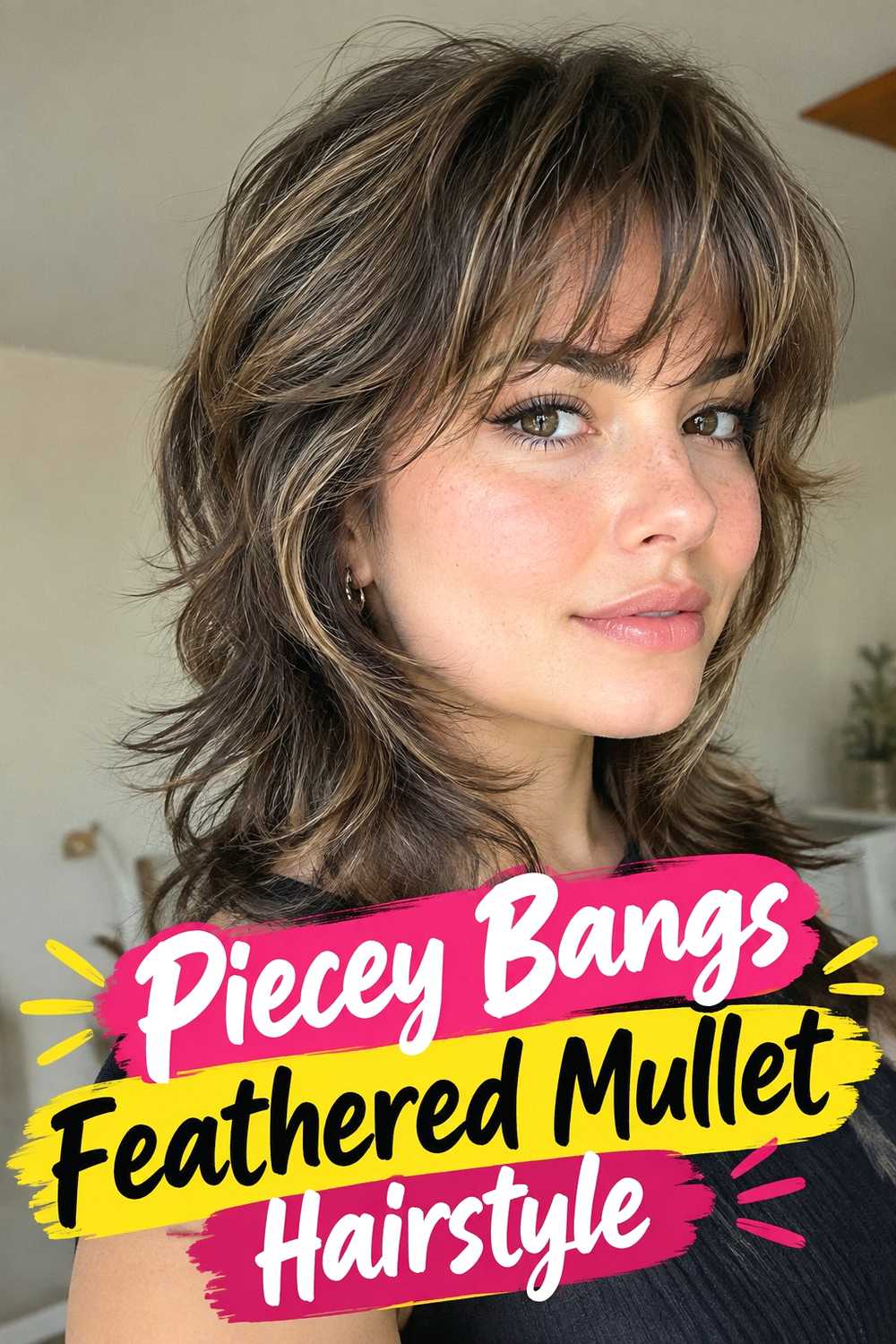
Piecey bangs give the feathered mullet a more defined front by separating the fringe into small sections rather than one solid shape. Those pieces can sit at slightly different lengths, creating texture that connects naturally with the feathered layers at the temples. The crown carries light movement, while the nape gradually becomes longer and more tapered. This style can look particularly clear on straight or gently wavy hair because each separated section remains visible. The key is restraint: defining every strand can make the haircut look overly arranged. Instead, emphasize a few fringe and nape pieces while leaving neighboring layers softer so the overall finish remains light and effortless.
Styling Notes
Use a tiny amount of texture cream or paste on selected ends. Work gradually so the bangs stay separated without becoming sticky or stiff.
11. Shoulder Length Feathered Mullet Hairstyle
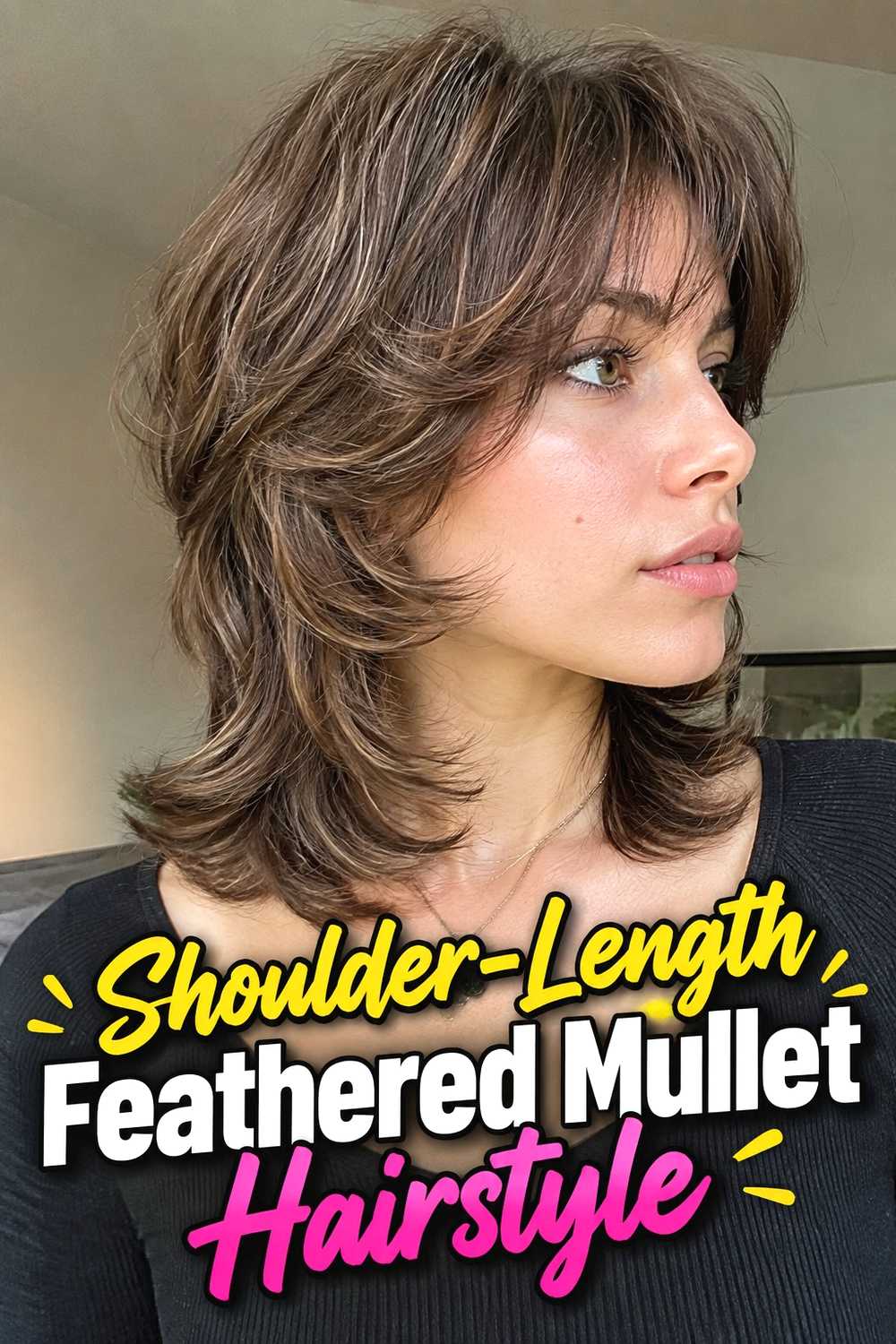
A shoulder-length feathered mullet offers more overall length while retaining strong layering around the crown and face. Shorter pieces create movement through the top, then gradually transition into longer feathered sections that reach toward the shoulders. The added length softens the traditional mullet contrast and makes the hairstyle feel closer to a layered shag from some angles. It is a good option if you want noticeable texture without committing to a very short cut. Straighter hair can show the tapering clearly, while waves add even more movement through the lower sections. Maintaining enough density at the bottom is important so the feathered ends look soft and fluid rather than thin.
Hair Type & Length
This version works best when the longest dry layers reach the shoulders. Medium-density hair can often support the layered silhouette without excessive weight removal.
12. Face Framing Feathered Mullet Hairstyle
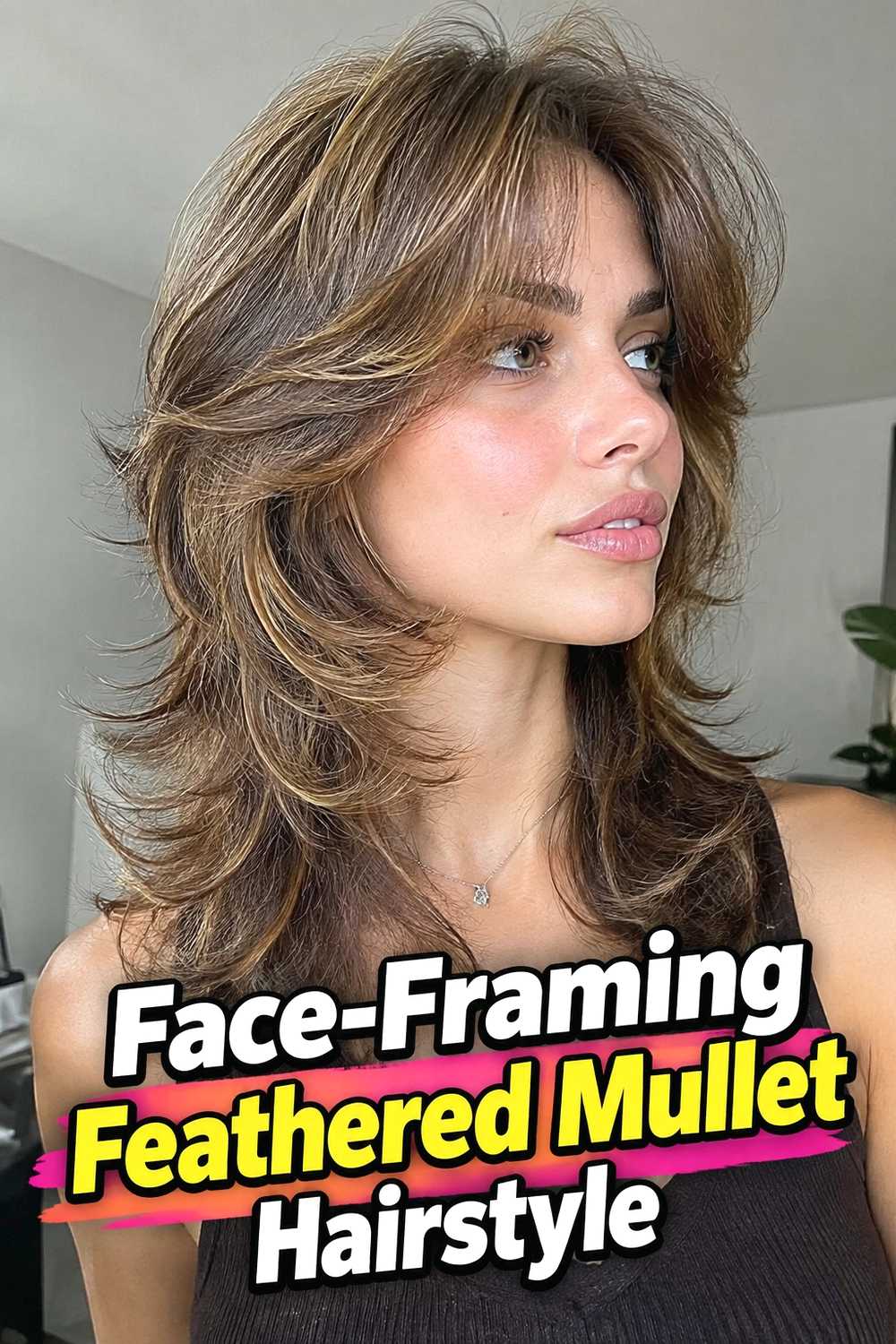
Face-framing layers give this mullet a gentle transition around the forehead, cheeks, and jaw instead of relying on one fixed fringe. Shorter front sections blend progressively into the side layers, allowing them to be worn forward, swept away, or tucked behind the ears. The crown remains airy, and the back extends into a longer feathered nape for recognizable mullet movement. This approach provides plenty of flexibility if you like changing your part or do not want traditional bangs. The layered front also creates a softer connection between the cropped areas and longer back. Keeping the tips light and mobile lets those pieces curve naturally rather than sitting in stiff, predetermined positions.
Best For
Choose this version if you want adaptable face framing and a softer alternative to short bangs while still keeping a feathered mullet silhouette.
13. Micro Fringe Feathered Mullet Hairstyle
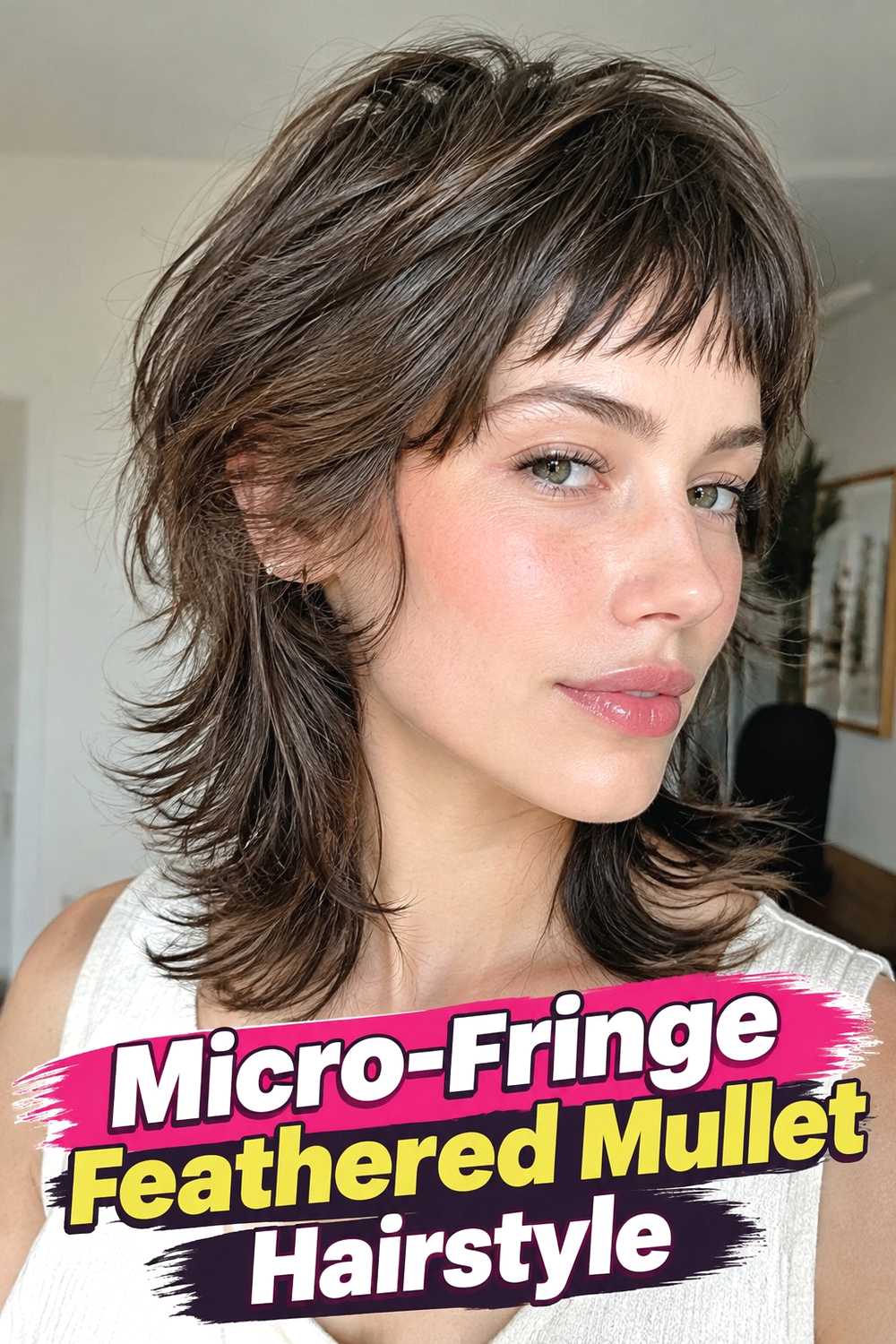
A micro fringe adds a bold front detail to the feathered mullet while leaving plenty of forehead visible. The bangs sit above the brows in short, lightly separated sections, then transition into feathered layers around the temples. Behind them, the crown builds into soft lift before the haircut stretches into a longer nape. The contrast between the tiny fringe and elongated back makes the silhouette distinctive without requiring shaved sides or harsh disconnection. A micro fringe does show growth quickly, so it suits someone comfortable with more frequent front maintenance. Keeping the short pieces flexible and slightly irregular helps them blend naturally with the movement of the rest of the haircut.
Wear & Maintenance
The fringe may need touch-ups sooner than the nape. Use very little styling product so the short pieces retain lightness and natural separation.
14. Fluffy Feathered Mullet Hairstyle
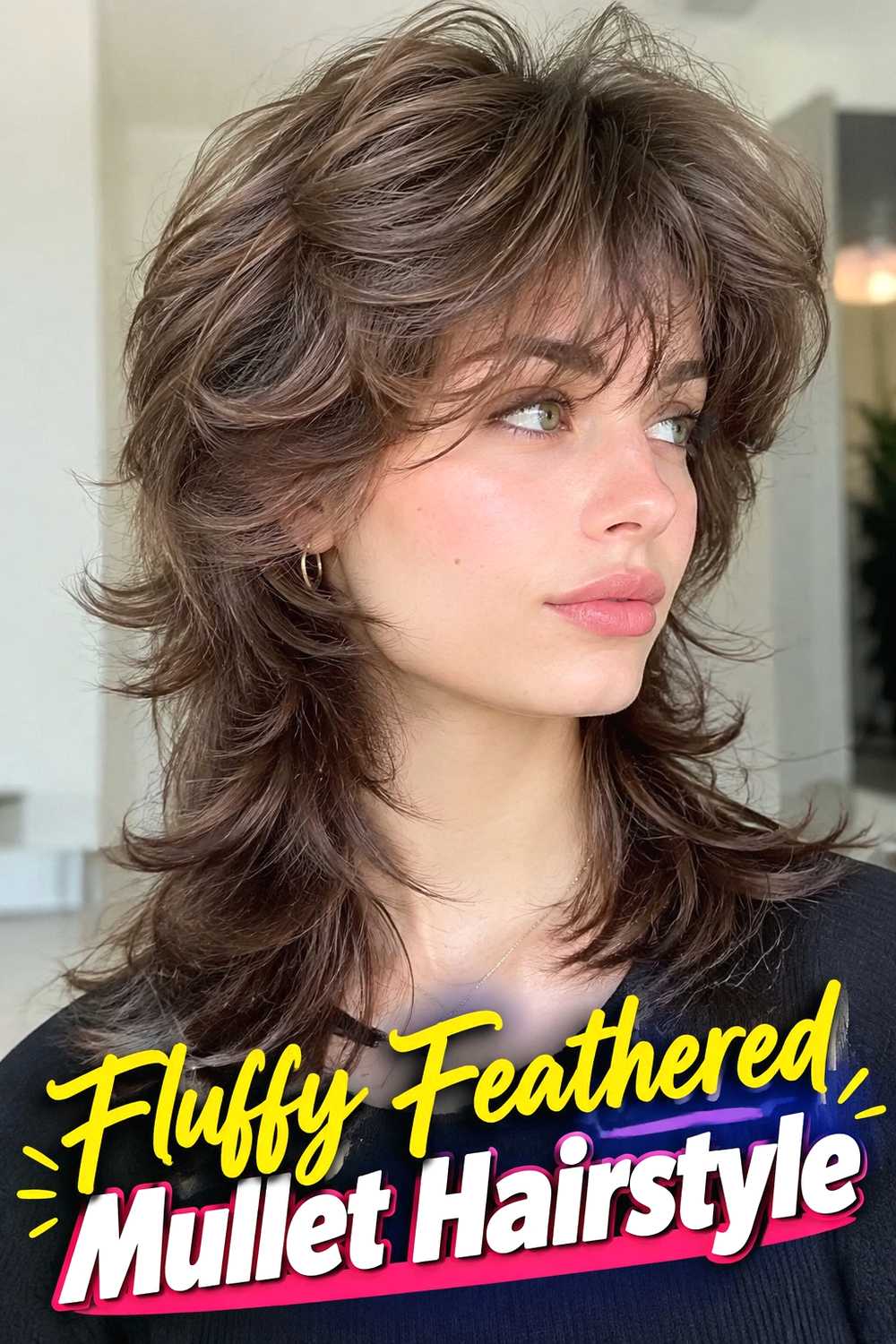
A fluffy feathered mullet focuses on soft volume rather than sleek definition. Crown layers lift away from the scalp, side pieces move loosely around the ears, and the nape expands into lightweight, tapered ends. The result feels fuller and more touchable than a sharply styled mullet while the front-to-back length difference remains visible. Wavy or naturally voluminous hair can achieve this shape with relatively little effort, though straighter hair may benefit from directional drying and gentle root lift. The key is maintaining structure underneath the softness: if the sides become too full, the haircut can lose its mullet proportions. Keeping some openness around the ears helps the longer back stand out.
Styling Notes
Create volume after the hair is mostly dry, then leave the feathered ends flexible. Over-brushing can remove the separation that gives the style its airy finish.
15. Sleek Top Feathered Mullet Hairstyle
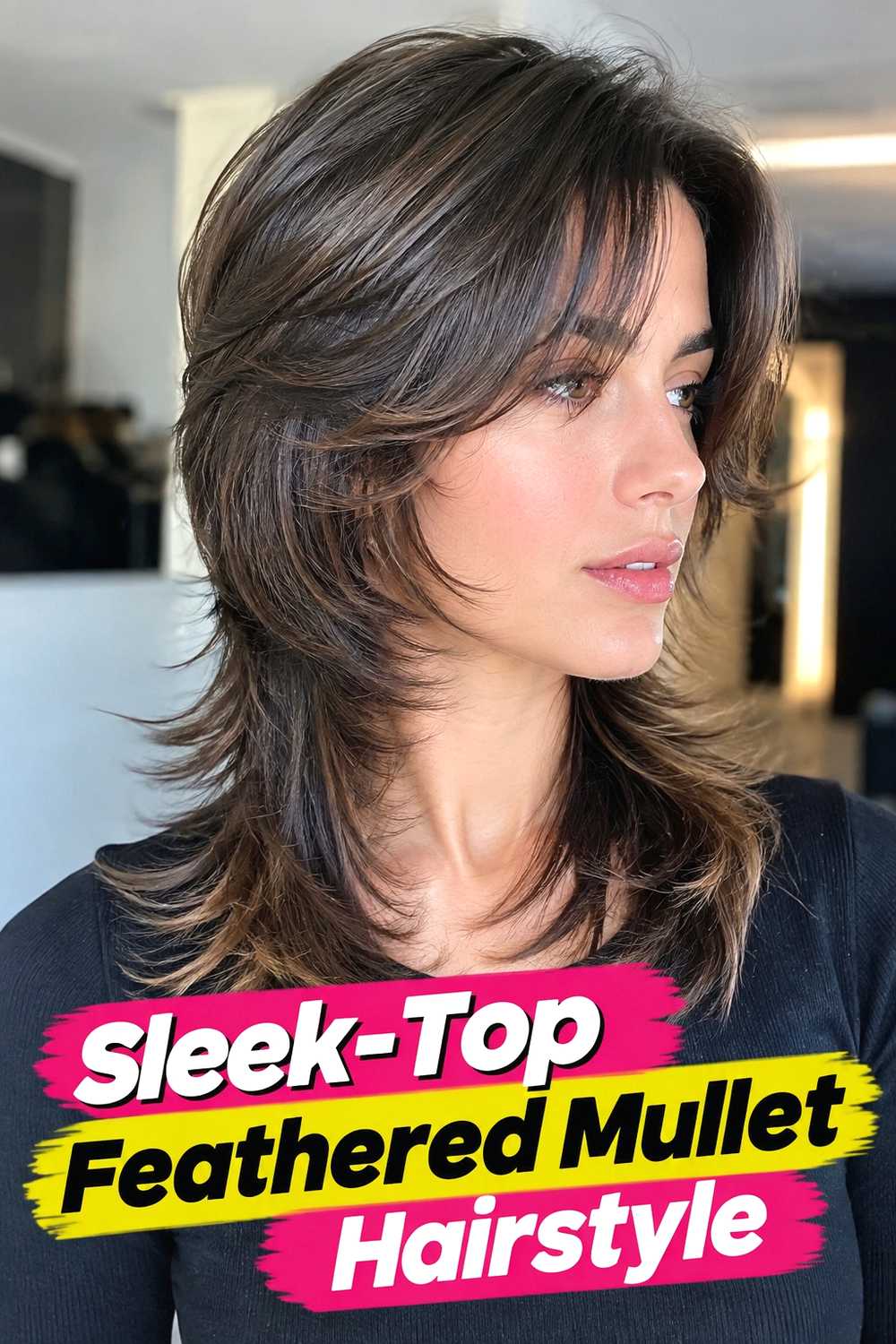
A sleek top creates an interesting contrast with the lighter, more animated ends of this feathered mullet. The crown is directed smoothly with a soft part or controlled sweep, while the sides taper into flicked pieces around the ears. At the back, the nape remains longer and feathered, giving the haircut movement despite the refined upper section. This approach works especially well if you prefer a polished finish but still want the distinctive outline of a mullet. Straight and lightly wavy hair can showcase the contrast clearly. Avoid smoothing the entire haircut flat, because movement through the sides and nape is what prevents the style from looking like a conventional layered crop.
Why It Works
The polished crown highlights the feathered perimeter, making the texture at the sides and back more noticeable without relying on excessive volume.
16. Retro Feathered Mullet Hairstyle
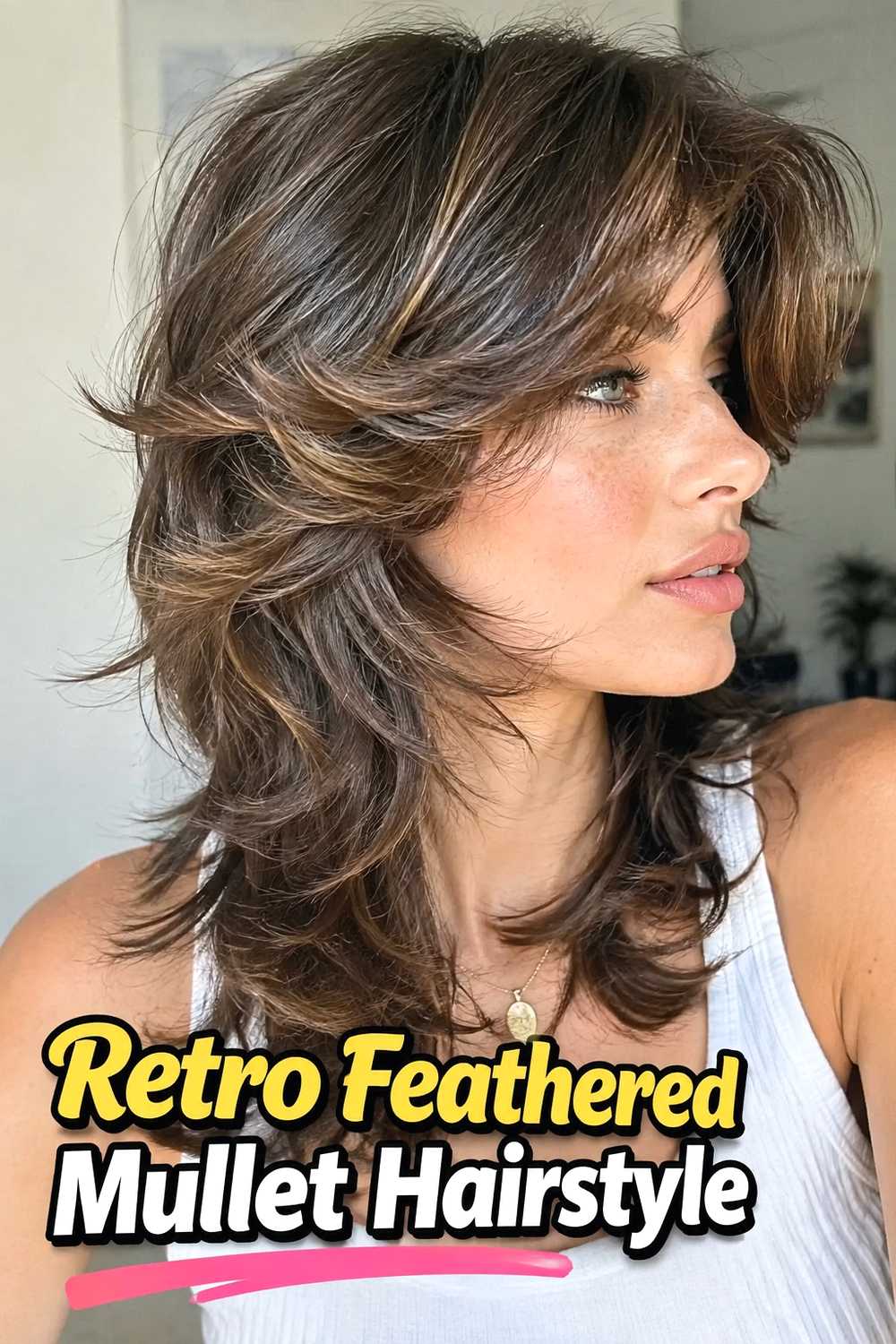
A retro feathered mullet leans into outward movement around the ears, lifted crown layers, and an elongated nape inspired by vintage layered cuts. The fringe can remain light and softly curved, while side sections flip away from the face before connecting with the longer back. The strongest version hints at retro styling without turning every layer into the exact same feathered shape. Natural variation keeps it wearable and contemporary. Straight or wavy hair can hold the directional movement particularly well, especially when the ends are not overloaded with product. This haircut suits anyone who enjoys a distinctive profile and wants more styling personality than a softly blended modern mullet.
Pro Tip
Flip only selected layers around the ears and nape. Mixing those outward pieces with softer sections makes the retro influence feel intentional rather than exaggerated.
17. Grown Out Feathered Mullet Hairstyle
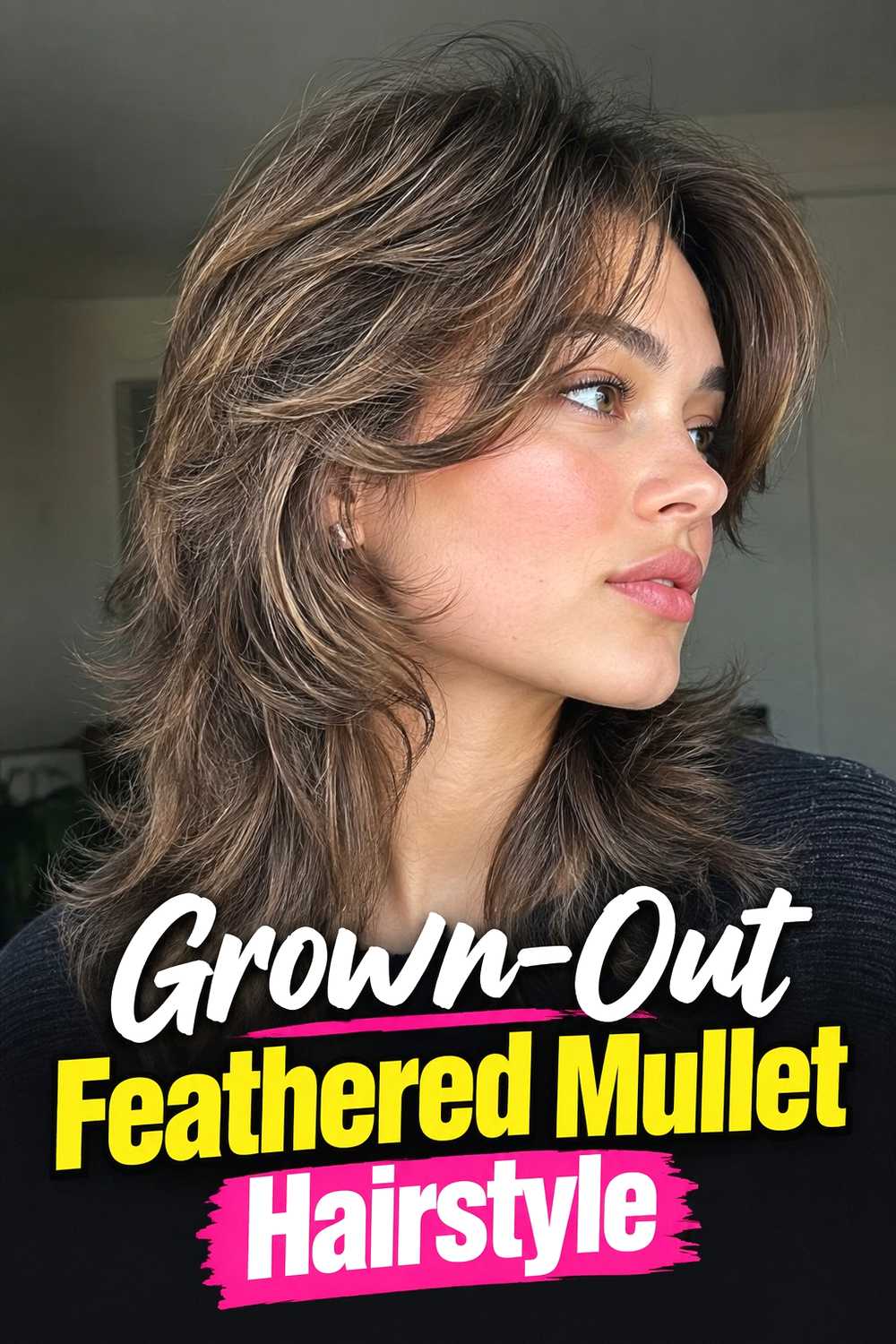
A grown-out feathered mullet embraces longer fringe, softer side pieces, and extra nape length while preserving the haircut’s layered structure. As the hair grows, the crown becomes less cropped and the sides begin to blend more naturally with the back, creating a silhouette that can edge toward a medium shag. Strategic feathering keeps the added length mobile instead of bulky. This makes the style useful for anyone transitioning from a shorter mullet or simply preferring longer gaps between major cuts. Rather than shortening every section equally, selective reshaping can maintain lift around the crown and remove weight where needed while allowing the perimeter to continue developing into a relaxed, elongated finish.
Wear & Maintenance
Ask for balancing and weight removal rather than a full reset when the style becomes heavy. This helps preserve useful length while restoring movement.
How to Choose the Right Look
Start by deciding how much mullet contrast you want. Short and softly feathered versions keep the difference between the front and back subtle, while long-nape, retro, and grown-out styles make the rear length much more noticeable.
Fringe can change the mood just as much as the back. Wispy bangs feel delicate, piecey bangs add texture, micro fringe creates a bolder statement, and face-framing or side-swept layers provide more flexibility.
Natural texture is another major factor. Straight hair showcases crisp feathering, waves naturally encourage flicked ends, and curls create a softer, more rounded interpretation. Density matters too, since too much feathering can make fine hair look thin while dense hair may need more strategic weight removal.
Finally, consider styling time and maintenance. Tapered sides and micro bangs usually need earlier touch-ups, while shoulder-length and grown-out versions can tolerate more growth between reshaping appointments.
Final Thoughts
Feathered mullet haircuts for women can be soft, voluminous, curly, sleek, retro, or subtly shaggy depending on how the crown, fringe, sides, and nape are shaped. The most wearable version is one that preserves enough density while allowing the ends to move freely. Choose a length and amount of feathering that work with your natural texture and realistic maintenance routine.
FAQs
1. What makes a mullet haircut feathered?
A feathered mullet uses tapered, layered ends that move away from the head or blend softly into neighboring sections instead of forming heavy, blunt edges.
2. Can women with curly hair wear a feathered mullet?
Yes. Curly hair can create a softer interpretation of feathering through layered curl groups and graduated movement rather than straight flicked ends.
3. Are feathered mullets high maintenance?
Maintenance varies. Micro bangs and tapered sides generally need more frequent reshaping, while longer, softer versions can grow out more gradually.
4. What is the difference between a feathered mullet and a shag?
Both use layers, but a mullet usually has a clearer short-to-long progression toward the back. A shag tends to distribute layered length more evenly throughout the haircut.
5. How do I keep feathered layers from looking flat?
Light root lift, directional drying, and minimal product on the ends can help preserve movement. Heavy products may weigh down the feathered texture.
Save your favorite feathered mullet haircuts and share the looks that inspire your next layered, textured hairstyle.