20 Shaggy Mixie Haircuts
Choppy layers, airy fringe, and textured napes give these shaggy mixie haircuts the perfect balance of pixie structure and relaxed mullet-inspired movement.
A shaggy mixie combines the short, face-opening proportions of a pixie with the layered texture and slightly longer back associated with a mullet. What sets the shaggy version apart is movement: crown layers are deliberately broken up, fringe feels less precise, and the nape usually has enough length to flick, wave, or separate naturally.
The right version depends on how much texture and contrast you want. Some shaggy mixies stay soft and feathered, while others use micro bangs, tapered sides, bigger crown volume, or an obviously elongated nape. Natural texture matters too. Waves and curls can emphasize the layers automatically, while straighter hair often shows piecey ends and disconnected sections more clearly.
Quick List
- Shaggy Feathered Mixie Hairstyle
- Choppy Fringe Shaggy Mixie Hairstyle
- Curly Shaggy Mixie Hairstyle
- Wavy Shaggy Mixie Hairstyle
- Razor Textured Shaggy Mixie Hairstyle
- Long Nape Shaggy Mixie Hairstyle
- Short Nape Shaggy Mixie Hairstyle
- Piecey Bangs Shaggy Mixie Hairstyle
- Soft Layered Shaggy Mixie Hairstyle
- Voluminous Crown Shaggy Mixie Hairstyle
- Tapered Side Shaggy Mixie Hairstyle
- Micro Fringe Shaggy Mixie Hairstyle
- Side Swept Shaggy Mixie Hairstyle
- Fluffy Shaggy Mixie Hairstyle
- Messy Curly Shaggy Mixie Hairstyle
- Sleek Top Shaggy Mixie Hairstyle
- Retro Shaggy Mixie Hairstyle
- Face Framing Shaggy Mixie Hairstyle
- Grown Out Shaggy Mixie Hairstyle
- Soft Mullet Shaggy Mixie Hairstyle
1. Shaggy Feathered Mixie Hairstyle
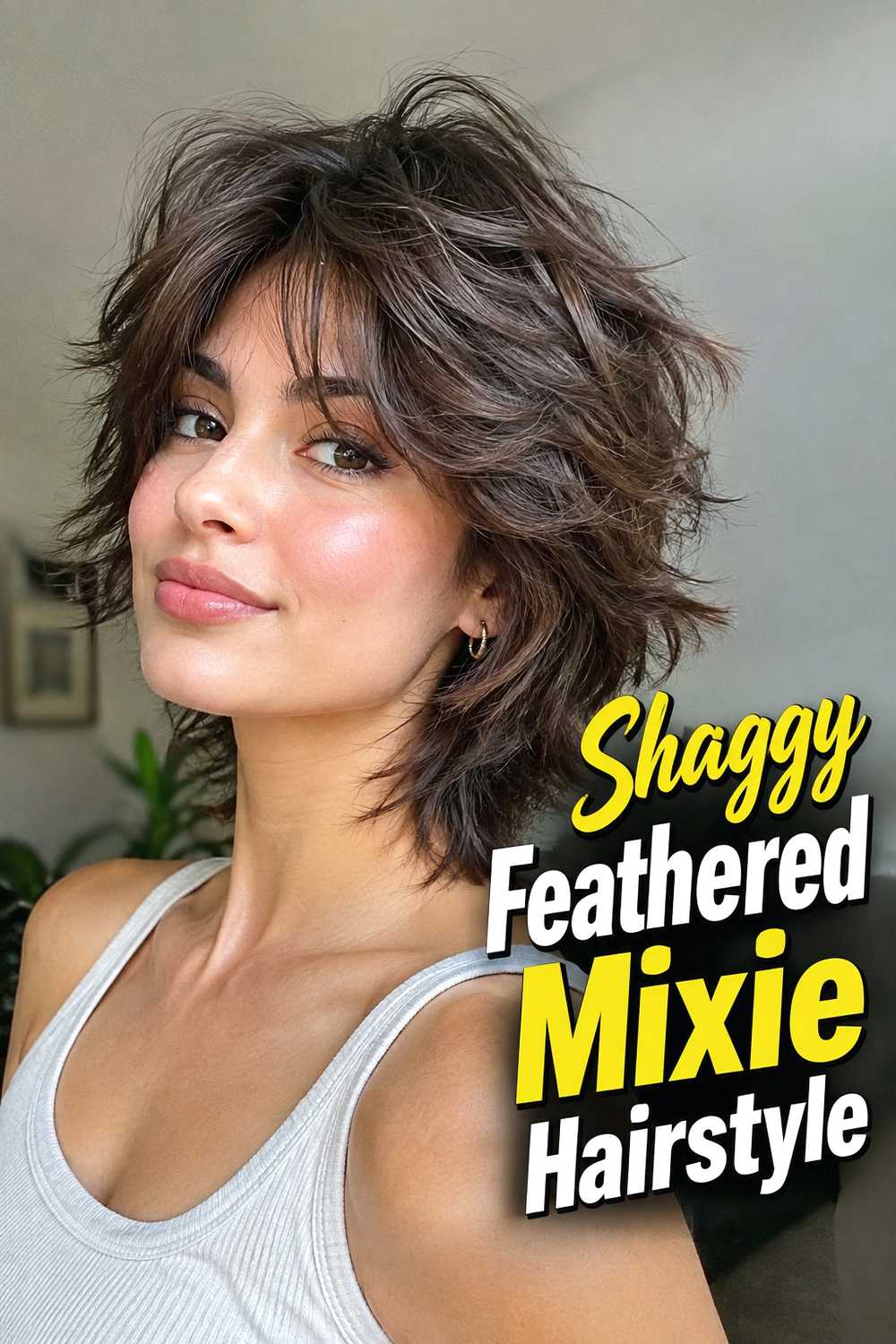
The feathered mixie keeps the haircut light by using soft, tapered layers instead of chunky disconnection. Shorter pieces lift through the crown, while the sides skim past the ears and gradually lengthen into a delicate nape. The ends can flick outward in different directions, giving the haircut movement without making it look overly messy. This shape works especially well when you want the personality of a shag and mullet but prefer a gentler finish around the face. Straight and lightly wavy hair show the feathering clearly, although the amount of layering should still match the hair’s density. Keep styling flexible so the individual pieces can move naturally rather than sitting in one fixed pattern.
Styling Notes
Use light directional drying to encourage the ends outward, then separate only a few sections with your fingertips for an airy, lived-in finish.
2. Choppy Fringe Shaggy Mixie Hairstyle
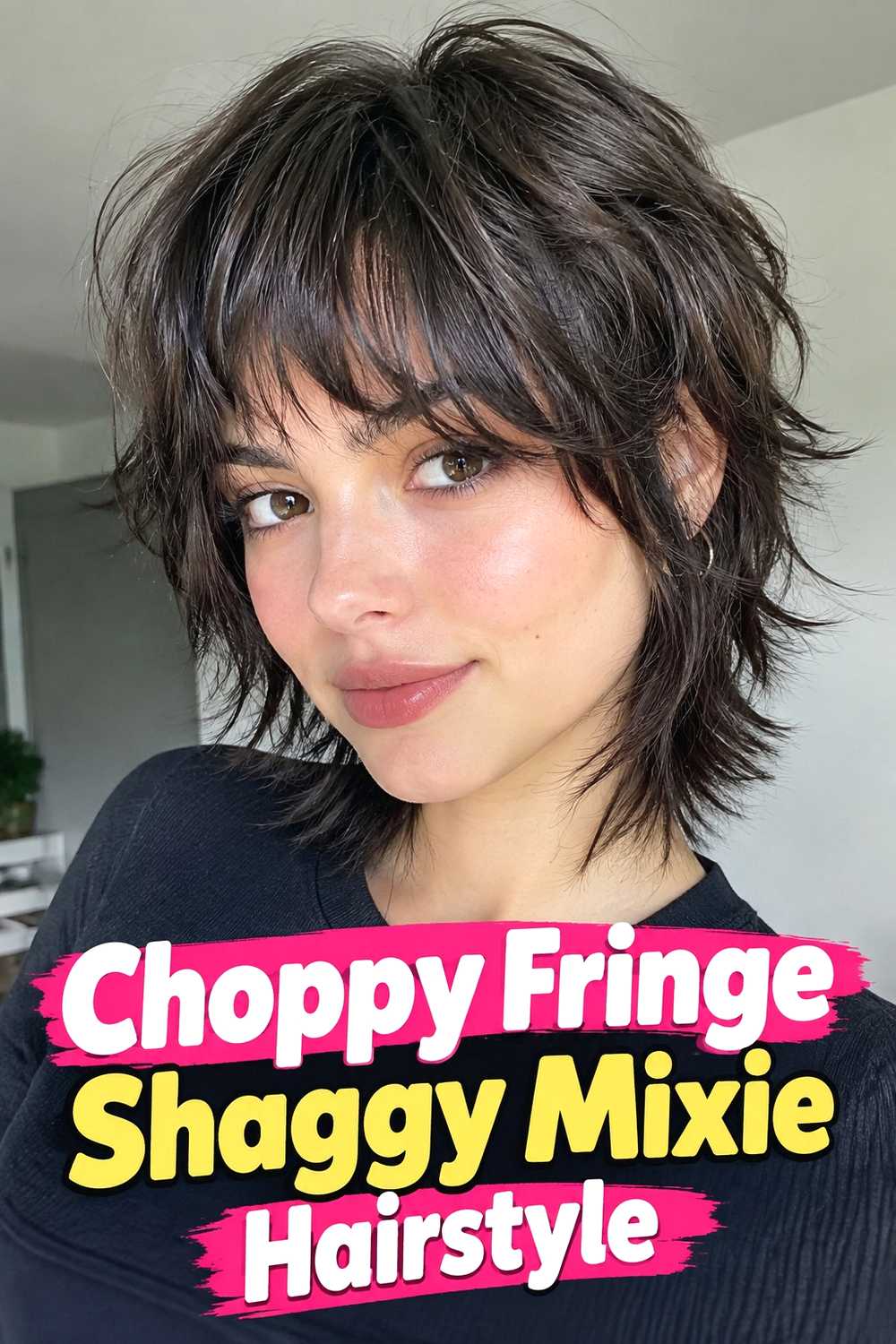
A choppy fringe gives this mixie a stronger front detail, with short pieces falling across the forehead at slightly uneven lengths. The crown continues that broken texture through staggered layers, while the sides remain compact enough to keep the haircut recognizably pixie-inspired. Toward the back, a longer nape introduces the mullet element without overwhelming the shape. The fringe looks most natural when it is intentionally irregular rather than cut into a perfectly solid line. This version suits someone who likes obvious texture and does not mind a little daily reshaping around the forehead. Lightweight paste or cream can emphasize selected ends, but too much product may make the bangs look stiff instead of naturally piecey.
Best For
Choose this option if fringe is a major part of the look you want and you prefer visible separation over soft, blended bangs.
3. Curly Shaggy Mixie Hairstyle
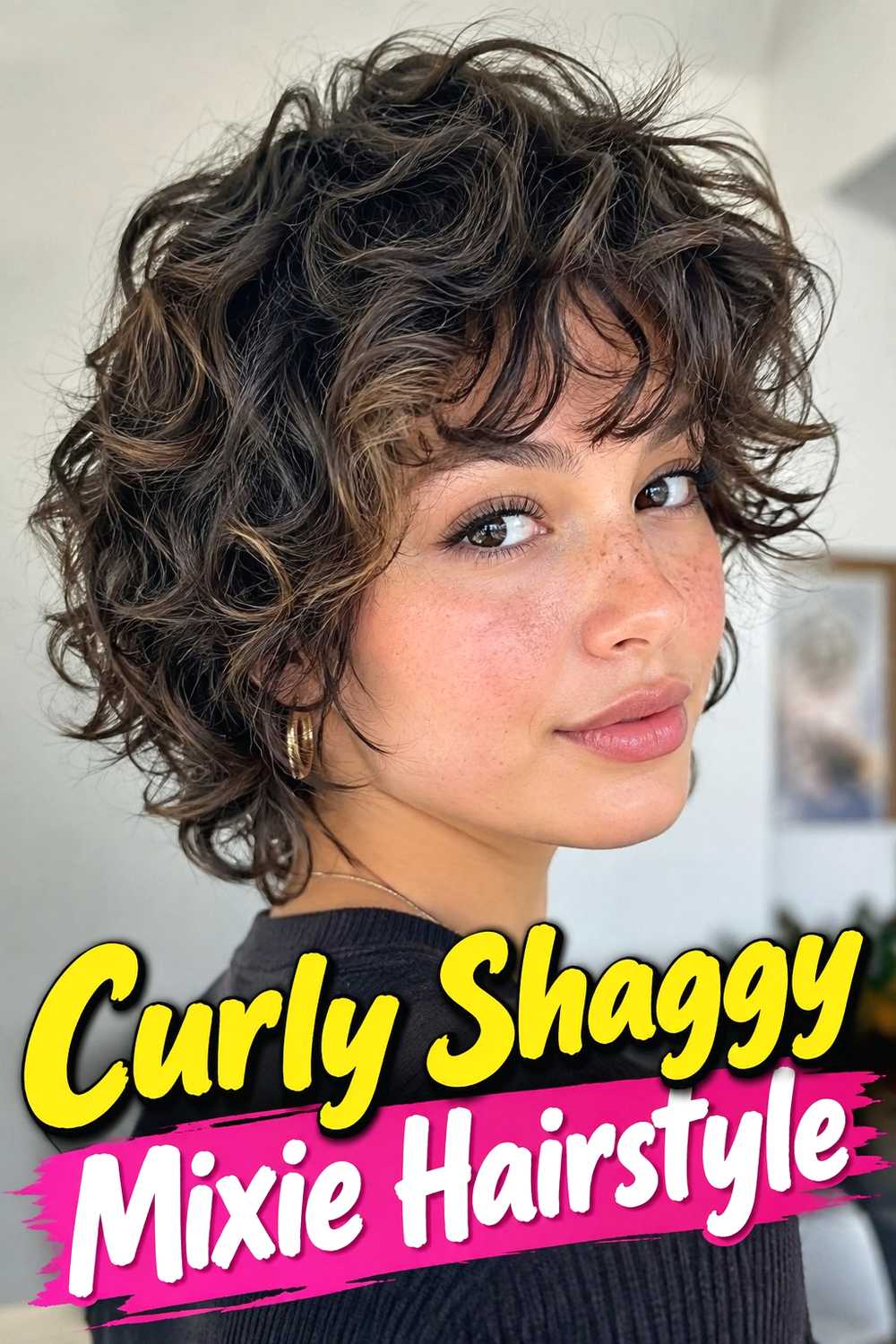
Curly texture naturally enhances a shaggy mixie because each bend and spiral adds movement between the different layer lengths. The crown stays full, shorter curls open the areas around the ears, and longer pieces at the back create a soft nape instead of a rigid mullet tail. A few curls can fall forward as relaxed fringe while others frame the temples, keeping the front flexible rather than overly structured. The haircut works best when the layers are planned around how the curls sit when dry. Removing too much weight can create gaps, while leaving too much can hide the shaggy structure. Letting curl groups vary slightly in size and definition helps the finished haircut feel natural.
Hair Type & Length
This version suits curly and loosely coiled textures particularly well. Dry length and shrinkage should guide the fringe, crown, and nape proportions.
4. Wavy Shaggy Mixie Hairstyle
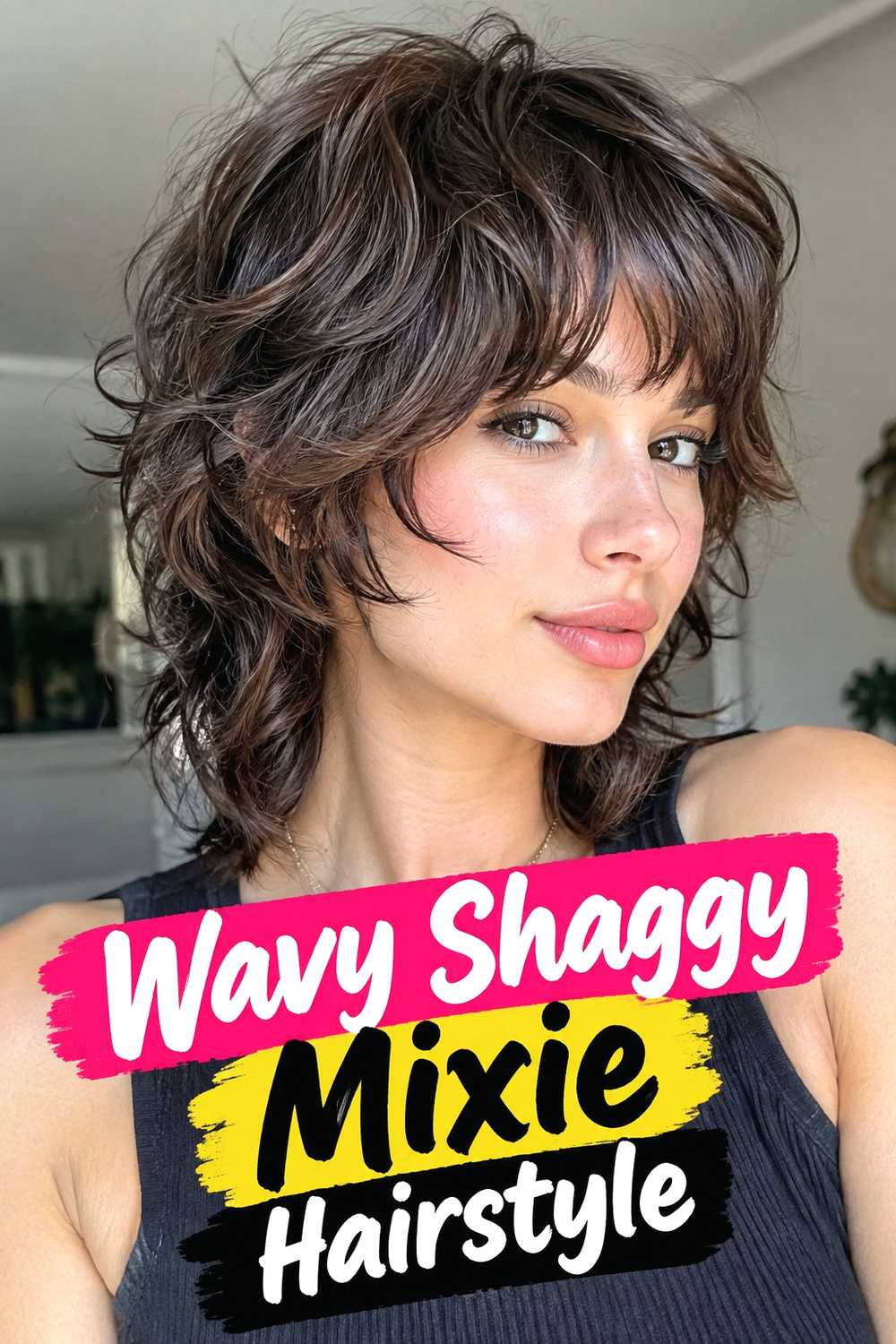
Loose waves make the mixie feel casual and effortless by softening every transition between short and long layers. The crown has enough length for bends to form naturally, while shorter pieces around the sides expose the ears and prevent the haircut from becoming a bob. The back remains slightly elongated, with wavy ends flicking against the neck for subtle mullet-inspired movement. This style is especially appealing if your hair already forms irregular S-shaped waves, because the texture can create a shaggy effect without heavy styling. A little air-drying or diffusing may be enough. The best finish is not perfectly uniform; allowing some sections to bend more strongly than others gives the haircut its relaxed character.
Why It Works
Natural waves blur harsh layer lines while still revealing the short sides, fuller crown, and longer nape that define the mixie shape.
5. Razor Textured Shaggy Mixie Hairstyle
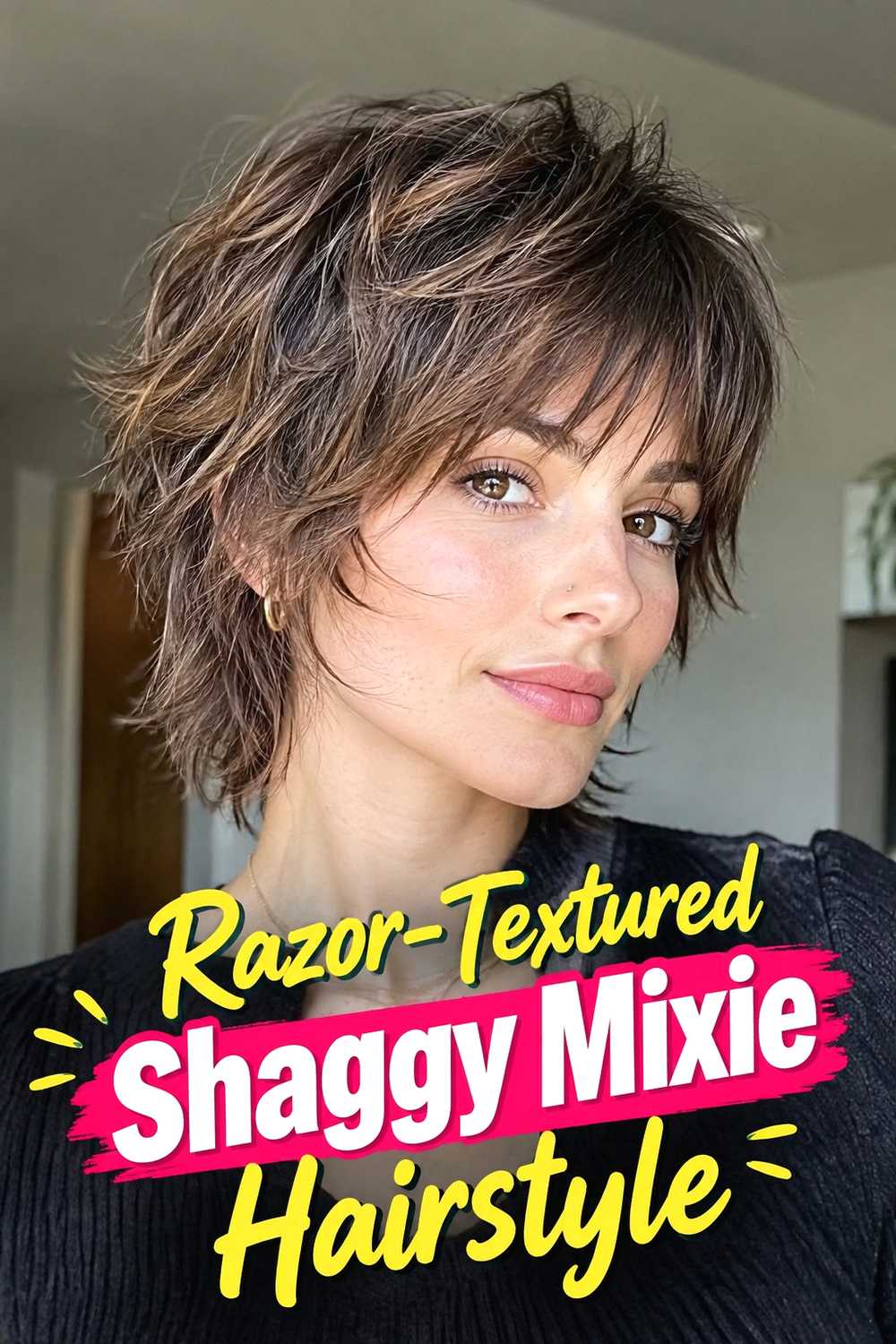
A razor-textured mixie creates an especially airy finish by breaking up the ends into fine, mobile pieces. The crown can include short lifting layers, the sides stay narrow around the ears, and the nape extends into wispy sections that move easily instead of hanging heavily. This version can look especially striking on straight or slightly wavy hair where the sliced texture remains visible. The goal is movement rather than extreme thinness, so the amount of texturizing should suit the hair’s density and condition. When styled loosely, the haircut has a distinctly shaggy personality without requiring big volume. A matte or satin finish can make the separated ends easier to see while preserving softness.
Wear & Maintenance
As the fine ends grow, occasional reshaping can keep the layers intentional. Avoid applying heavy oils directly to the textured ends if you want to preserve lift.
6. Long Nape Shaggy Mixie Hairstyle
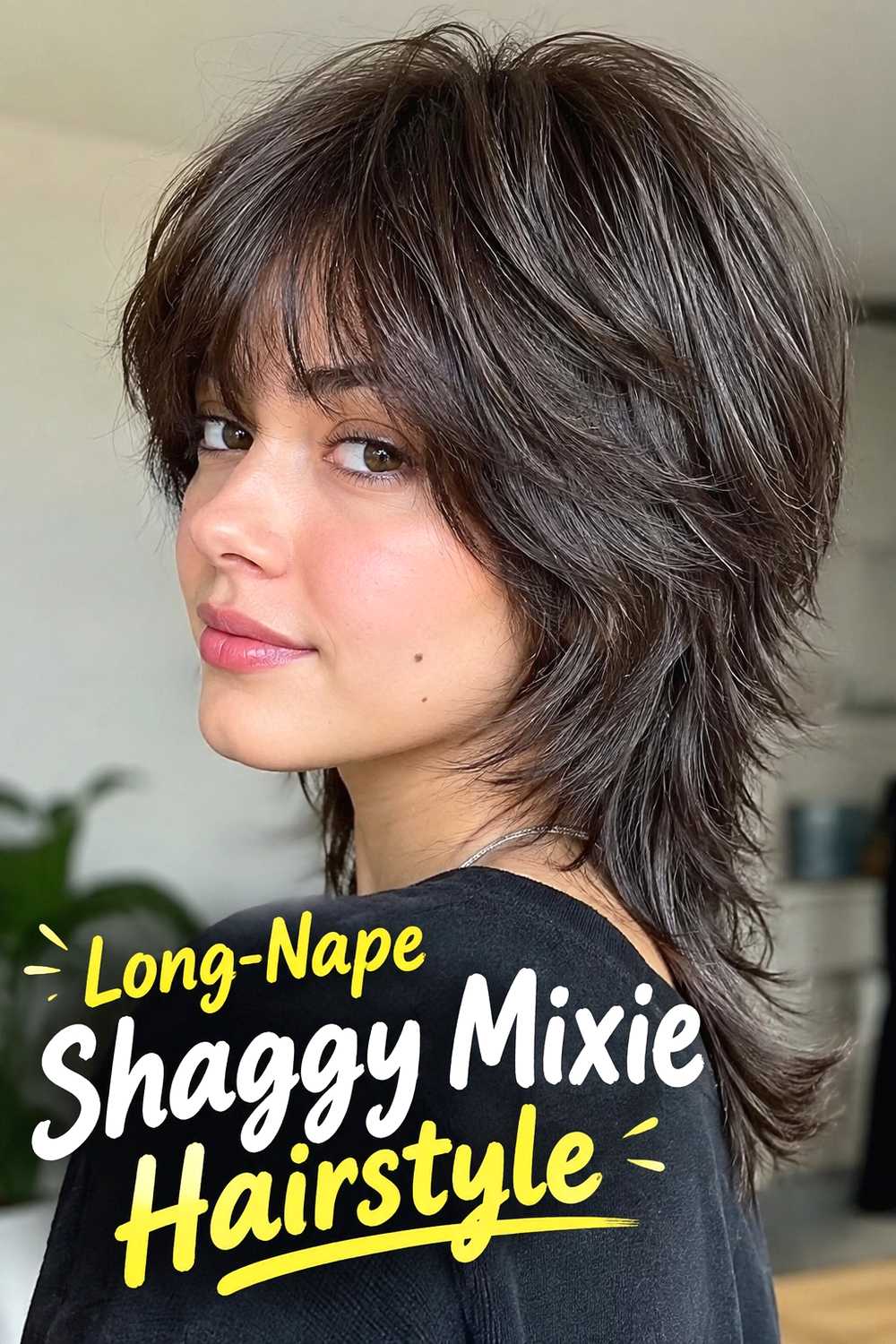
The long-nape shaggy mixie makes the mullet influence much more noticeable while keeping the front compact. Shorter layers frame the forehead and temples, then gradually lengthen behind the ears before extending farther down the neckline. The back is intentionally textured so it falls into separate pieces rather than forming one thick curtain of hair. This creates a strong profile without needing very short or shaved sides. The look is ideal for someone who wants a mixie with obvious contrast and enjoys styling the back into flicked, wavy, or softly tousled movement. Keeping some fullness through the crown is important because it visually connects the cropped front with the more dramatic nape length.
Styling Notes
Work a small amount of texture product through the nape with your fingers, then direct different pieces slightly inward and outward for a loose finish.
7. Short Nape Shaggy Mixie Hairstyle
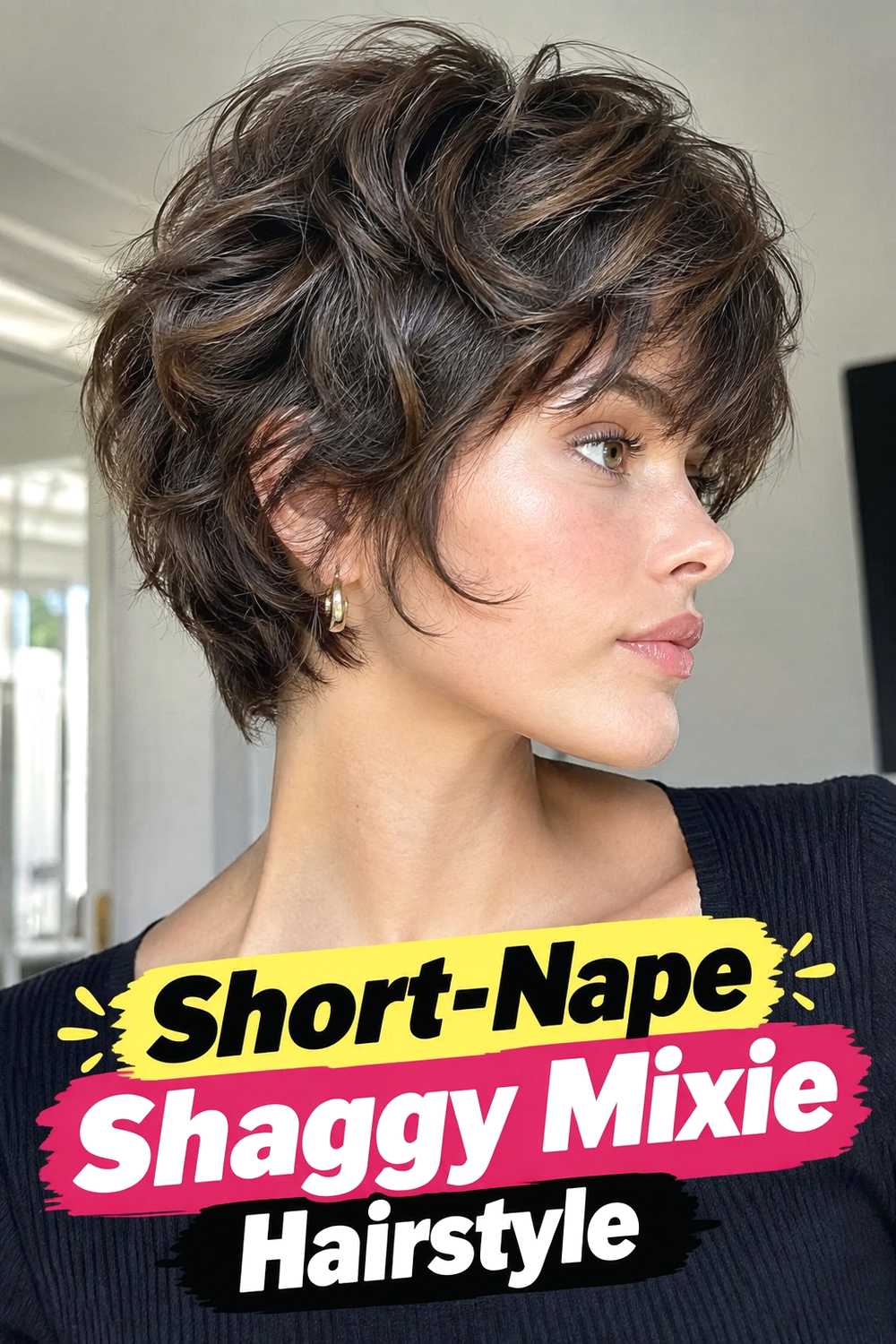
A shorter nape makes the shaggy mixie feel closer to a textured pixie while still maintaining its layered personality. The crown carries most of the movement, with short and medium pieces creating lift and separation. Around the ears, the hair stays light and irregular, and the back ends just below the hairline rather than extending into a pronounced tail. This compact silhouette can be practical if you like shaggy texture but prefer less hair touching the neck. It also puts more attention on the fringe and crown shape. Because the nape is short, its outline may become noticeable as it grows, so light maintenance around the perimeter helps keep the haircut looking deliberate rather than simply overgrown.
Best For
This option works well if you enjoy the mixie’s layered crown but want a cleaner, shorter back with less obvious mullet influence.
8. Piecey Bangs Shaggy Mixie Hairstyle
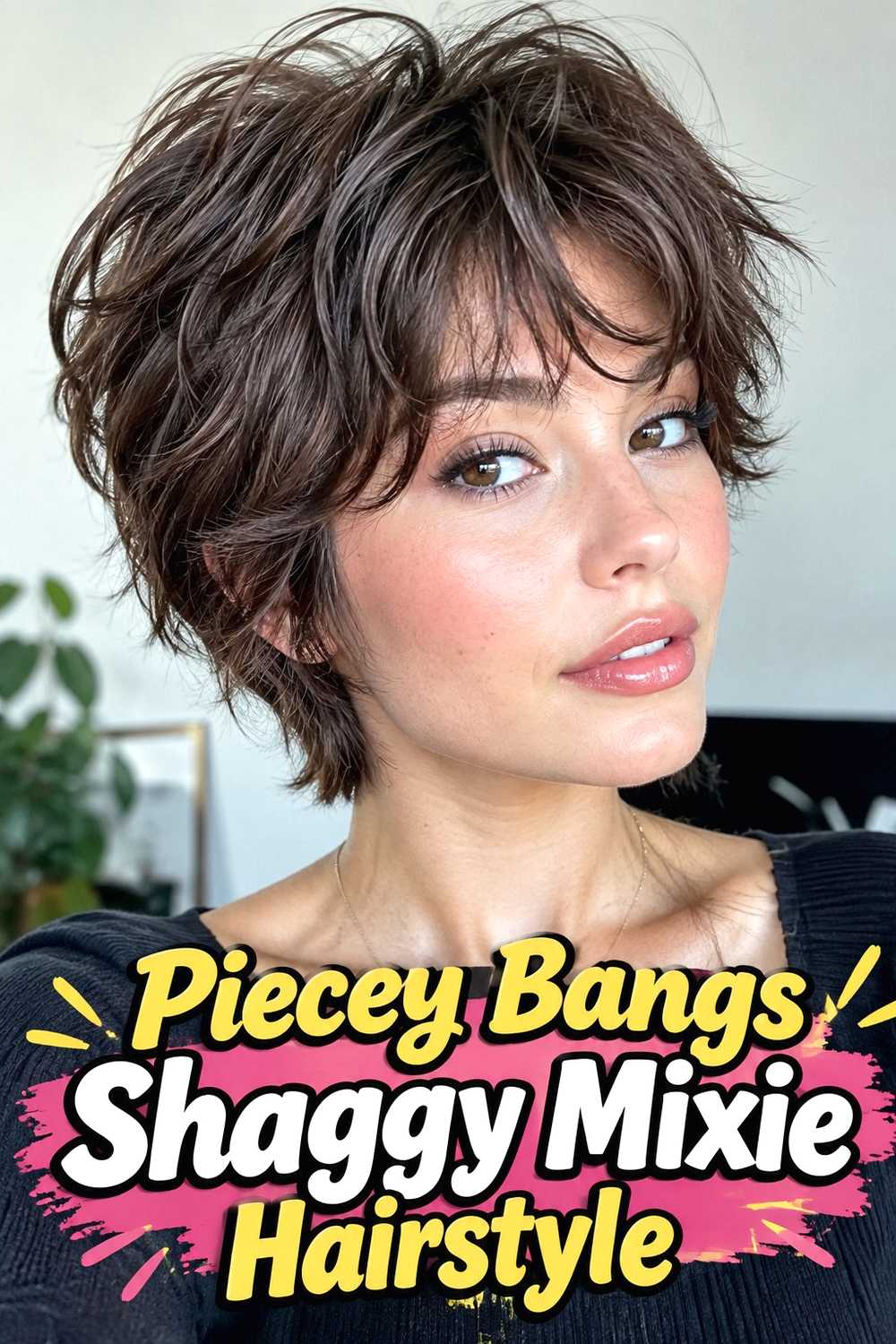
Piecey bangs bring a playful texture to the front of this mixie without creating the weight of a full fringe. Individual sections fall across the forehead with small gaps between them, while the crown continues into shaggy layers that lift and separate naturally. The sides stay relatively short around the ears, and the nape extends into soft, textured points. This balance gives the haircut definition from the front and side while keeping it easygoing. Straight and wavy textures can show the separated fringe especially clearly. Styling should stay selective: defining every strand can make the haircut look overly arranged. Instead, emphasize a few front pieces and let the rest blend into the natural movement of the layers.
Pro Tip
Start with less styling product than you think you need. Add definition only to selected bangs and ends so the haircut remains light.
9. Soft Layered Shaggy Mixie Hairstyle
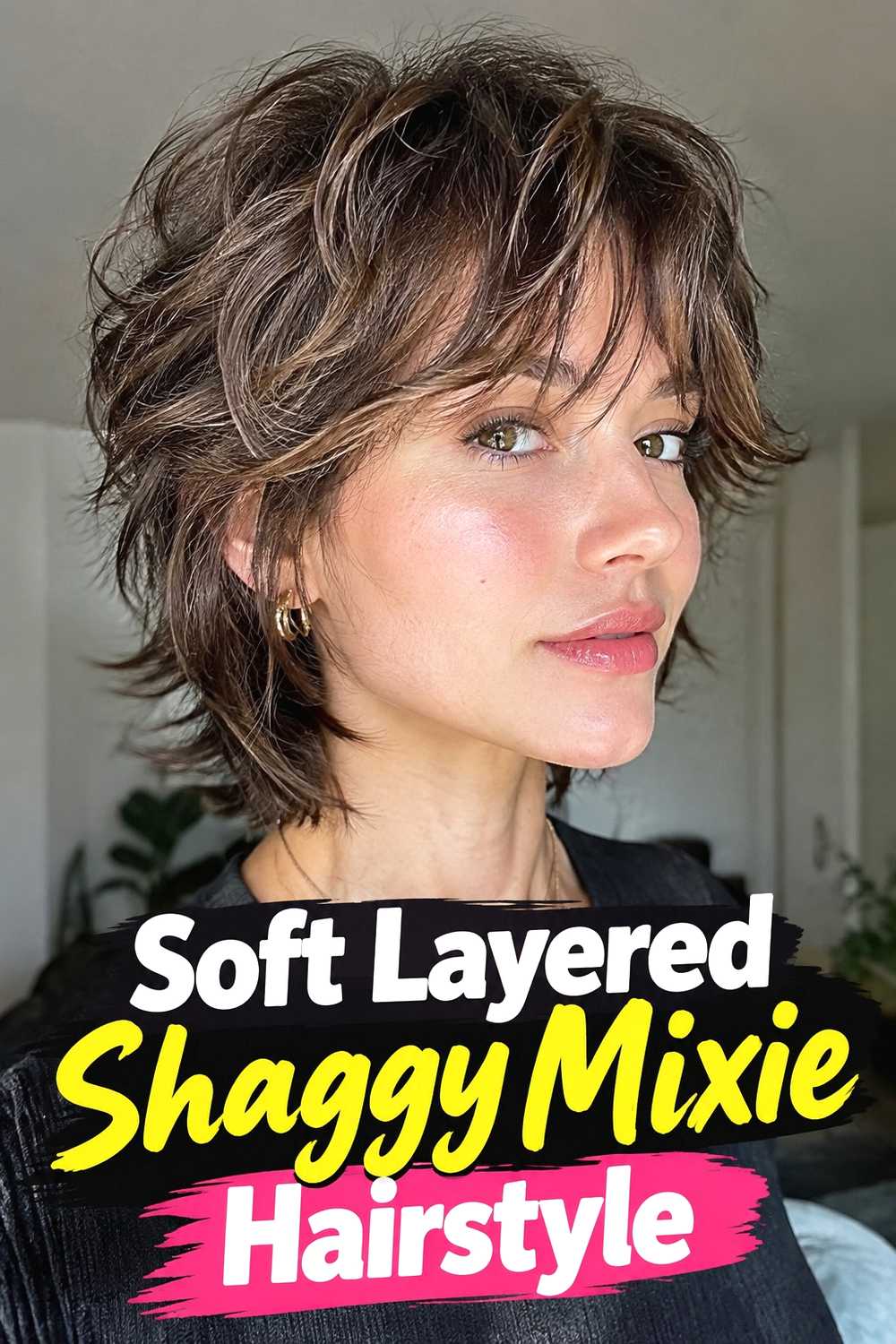
This softer mixie uses blended shag layers to create movement without sharp steps or dramatic disconnection. Short pieces through the crown give the hair lift, but the sides transition gradually into the longer nape so the overall silhouette feels smooth and wearable. A light fringe can be brushed forward or slightly to one side, adding texture without dominating the face. This is a useful entry point for someone curious about a shaggy mixie but hesitant about extreme mullet proportions. The haircut can work across straight, wavy, and softly curly textures when the layers are adjusted appropriately. Keeping the ends flexible and slightly irregular prevents the shape from becoming too polished while still preserving a gentle finish.
Why It Works
Blended layers create enough variation for a shaggy effect while keeping the short-to-long progression subtle and easy to wear.
10. Voluminous Crown Shaggy Mixie Hairstyle
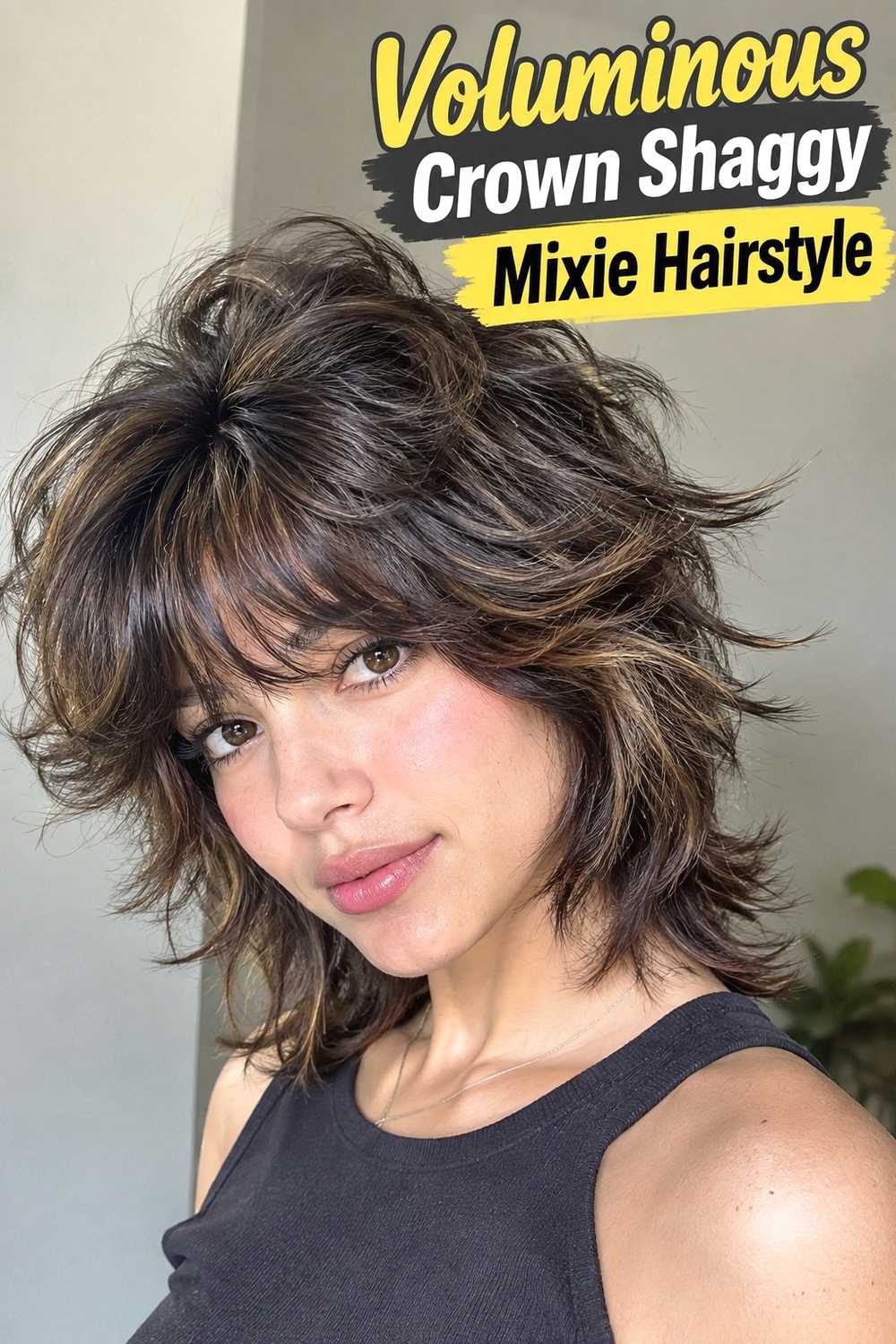
Extra crown volume gives this shaggy mixie a bold profile while the sides remain relatively narrow. Short upper layers are designed to lift away from the scalp, with longer sections underneath helping the texture fall toward the ears and nape. The back stays extended enough to show the mullet influence, but the visual focus remains on the airy height through the top. This style can work especially well for hair that naturally holds body, although strategic drying can help straighter textures create more lift. The key is keeping the volume irregular rather than perfectly rounded. A few flatter and fuller sections make the shaggy silhouette look natural and prevent the crown from appearing overly sculpted.
Styling Notes
Lift the roots while drying, then let the ends fall in different directions. Avoid brushing everything into one smooth shape after adding volume.
11. Tapered Side Shaggy Mixie Hairstyle
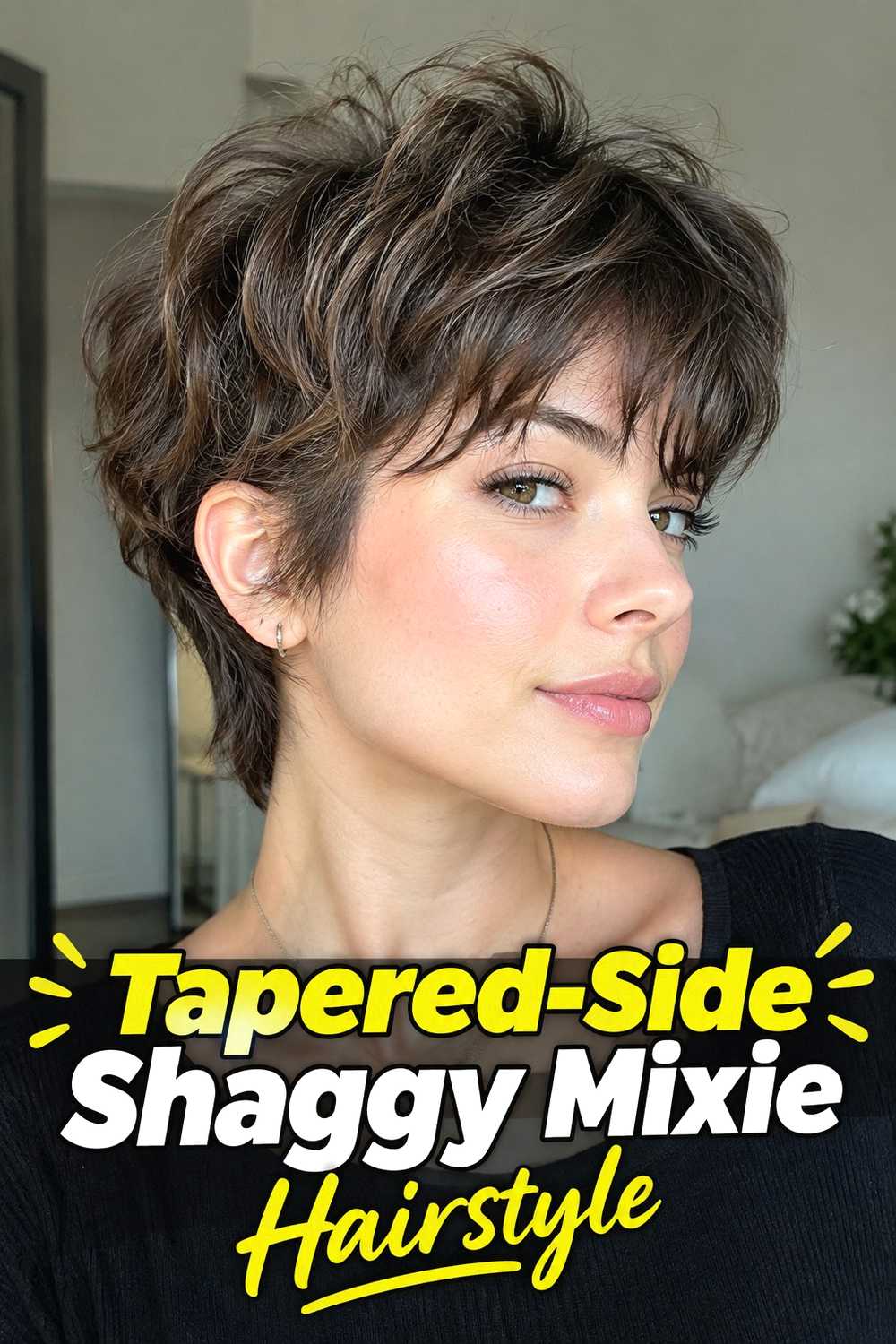
Tapered sides create a cleaner base for the shaggy layers on top. Hair around the temples and ears gradually becomes shorter, reducing bulk while leaving the crown free to stay textured and mobile. At the back, a slightly longer nape preserves the mixie’s mullet-inspired profile. The contrast between neat sides and a looser crown makes this version feel intentional without requiring a dramatic undercut. It can be particularly useful for dense hair when excessive width around the ears would otherwise obscure the silhouette. Leaving a few softer pieces around the sideburns keeps the taper from looking too severe. The top can then be worn fluffy, piecey, or loosely tousled depending on the preferred finish.
Wear & Maintenance
The tapered perimeter may need cleanup sooner than the longer crown. Maintaining only the sides can help preserve the shape without sacrificing top length.
12. Micro Fringe Shaggy Mixie Hairstyle
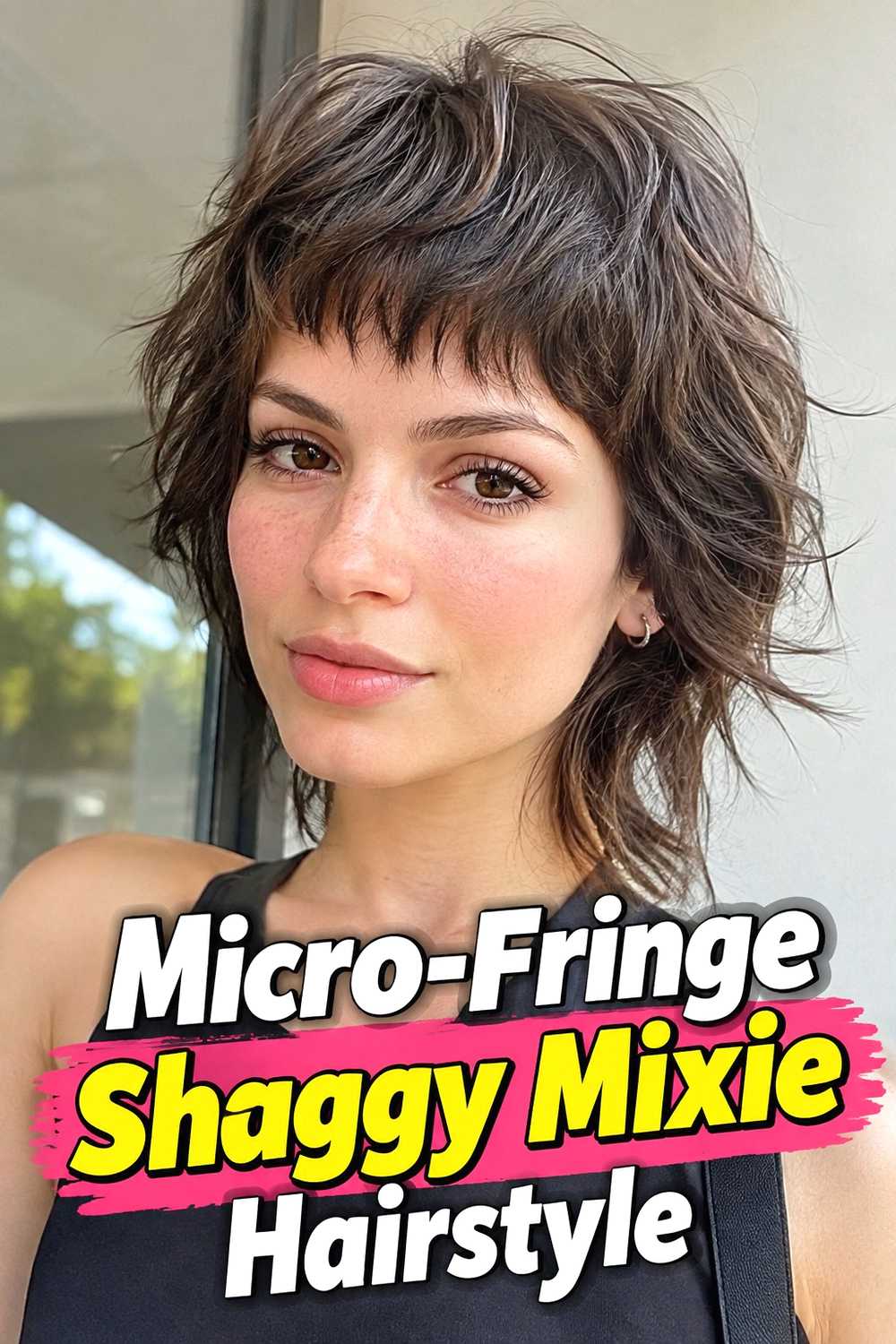
A micro fringe gives the shaggy mixie a compact, graphic detail at the front while the rest of the haircut stays loose and textured. The bangs sit above the brows in small uneven pieces, allowing plenty of forehead to remain visible. Behind them, short crown layers create movement, the sides stay light around the ears, and the nape extends into shaggy points. This contrast between tiny bangs and a longer back gives the haircut a distinctive profile. The fringe should still feel soft rather than ruler-straight, so a little variation in length works well. Because very short bangs show growth quickly, this version may require more frequent front maintenance than shaggy mixies with longer, more forgiving fringe.
Styling Notes
Keep the micro fringe lightly separated with minimal product. Too much wax can make short pieces clump together and lose their airy texture.
13. Side Swept Shaggy Mixie Hairstyle
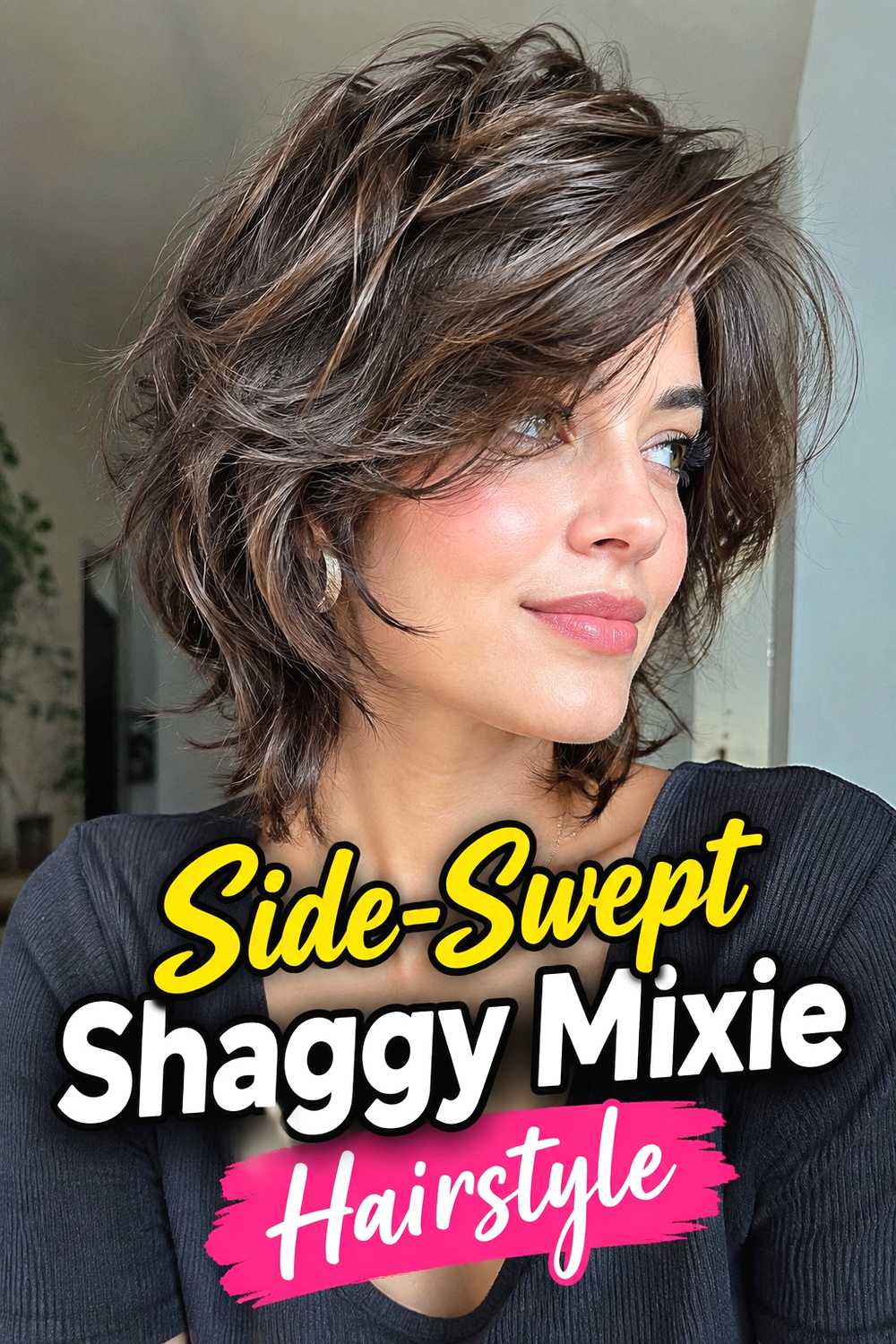
This version swaps centered or straight-across fringe for longer front layers that move diagonally across the forehead. The sweep introduces softness while the crown remains visibly shaggy through broken, lightweight layers. Around the ears, shorter pieces keep the haircut compact, and the nape gradually becomes longer to preserve the mixie’s signature contrast. The side-swept front can be useful if you like fringe but want the option to tuck or redirect it. A little asymmetry also gives the haircut more natural movement from the front. Rather than forcing a precise part, allow the hair’s natural growth pattern to guide the sweep. The result feels relaxed and versatile without losing the textured character of the cut.
Best For
Choose this style if you want shaggy movement around the face but prefer longer, movable fringe over short bangs.
14. Fluffy Shaggy Mixie Hairstyle
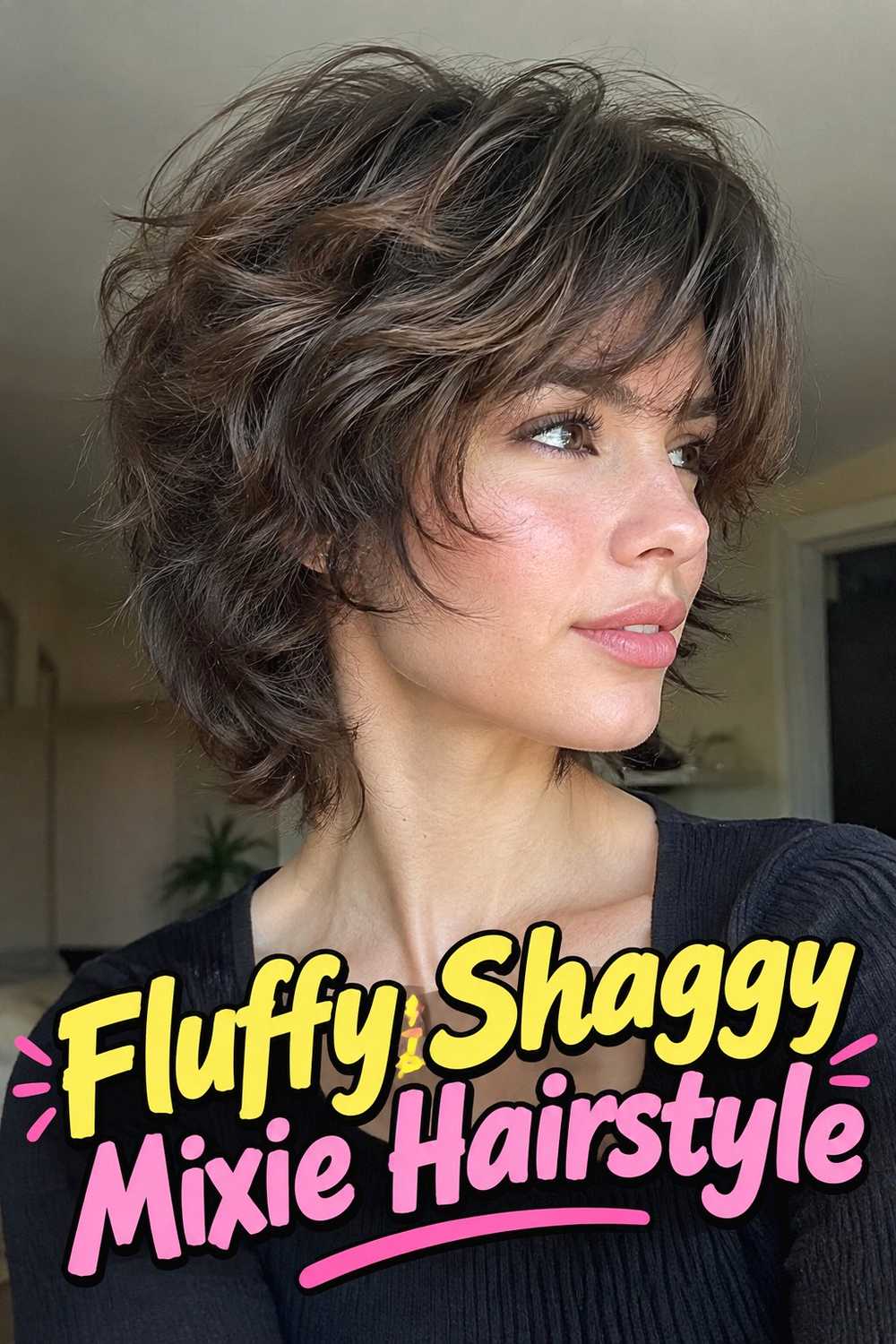
The fluffy shaggy mixie emphasizes soft expansion and touchable volume rather than crisp curl or strand definition. Layers through the crown lift away from the scalp, while the sides stay broken up enough to avoid a perfectly rounded shape. The nape remains slightly longer, adding movement against the neck and reinforcing the mixie silhouette. This finish can be especially effective on wavy, curly, or naturally full hair, although straighter textures can gain fluffiness through gentle drying and root lift. The haircut should still show some structure beneath the volume. Keeping the ears partly visible and the back a little longer prevents the shape from turning into a simple rounded pixie.
Styling Notes
Build volume at the roots and leave the ends flexible. Over-defining every section can remove the softness that makes this version appealing.
15. Messy Curly Shaggy Mixie Hairstyle
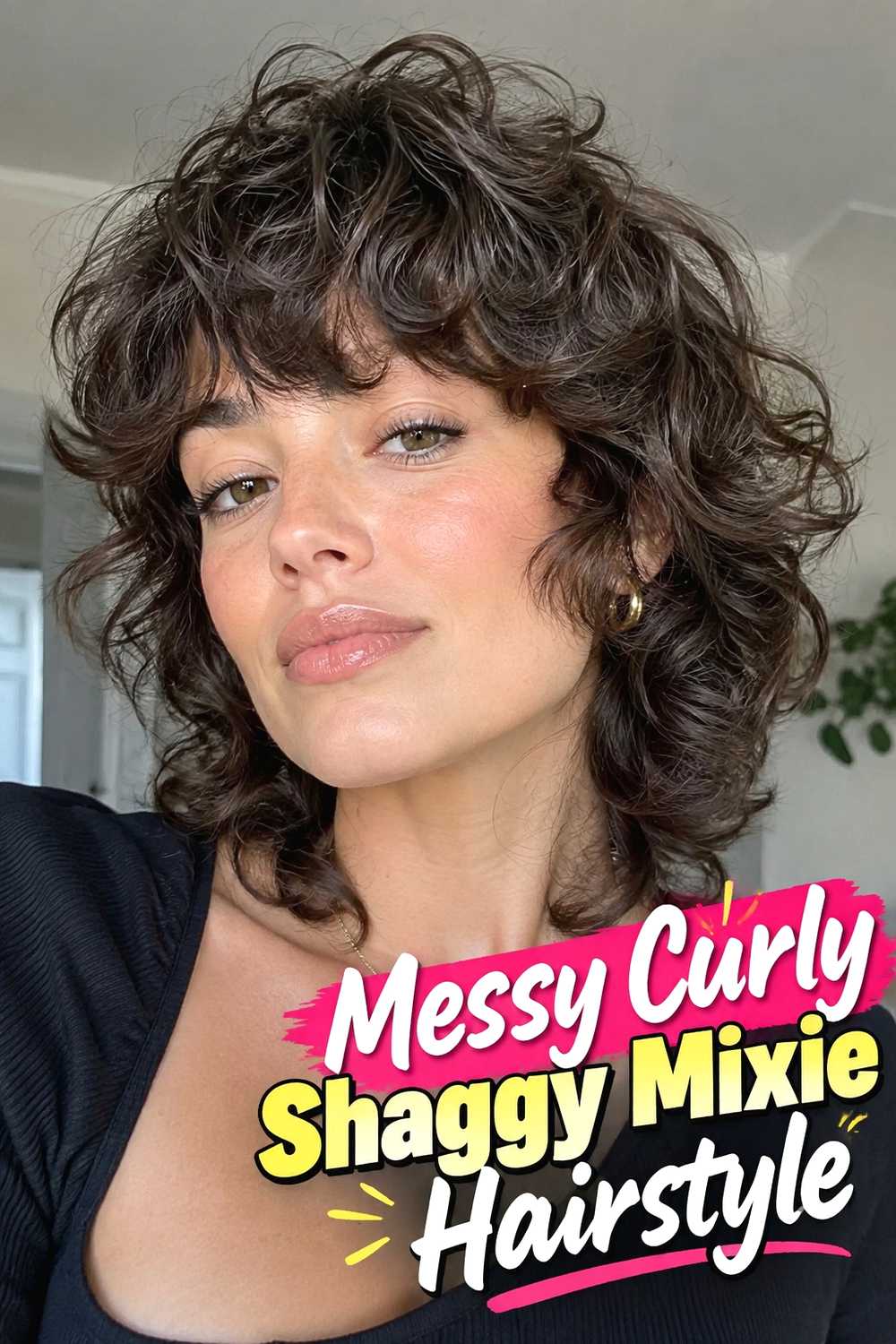
A messy curly mixie embraces uneven movement, allowing curls to expand, separate, and fall in different directions through the layers. Shorter curls near the crown create lift, while pieces around the ears remain irregular rather than neatly tucked. The nape carries longer curls that reinforce the mullet-inspired shape without looking like a separate tail. This style works best when the messiness comes from natural texture rather than forced teasing or excessive product. Some curls can remain defined while others are gently separated for a fuller finish. The haircut should still distribute weight carefully so the crown feels lively without becoming top-heavy. Shrinkage also matters, particularly around the fringe and shortest upper layers.
Hair Type & Length
Curly and loosely coiled hair naturally supports this undone shape. Cut proportions should be assessed after the curls have settled into their dry length.
16. Sleek Top Shaggy Mixie Hairstyle
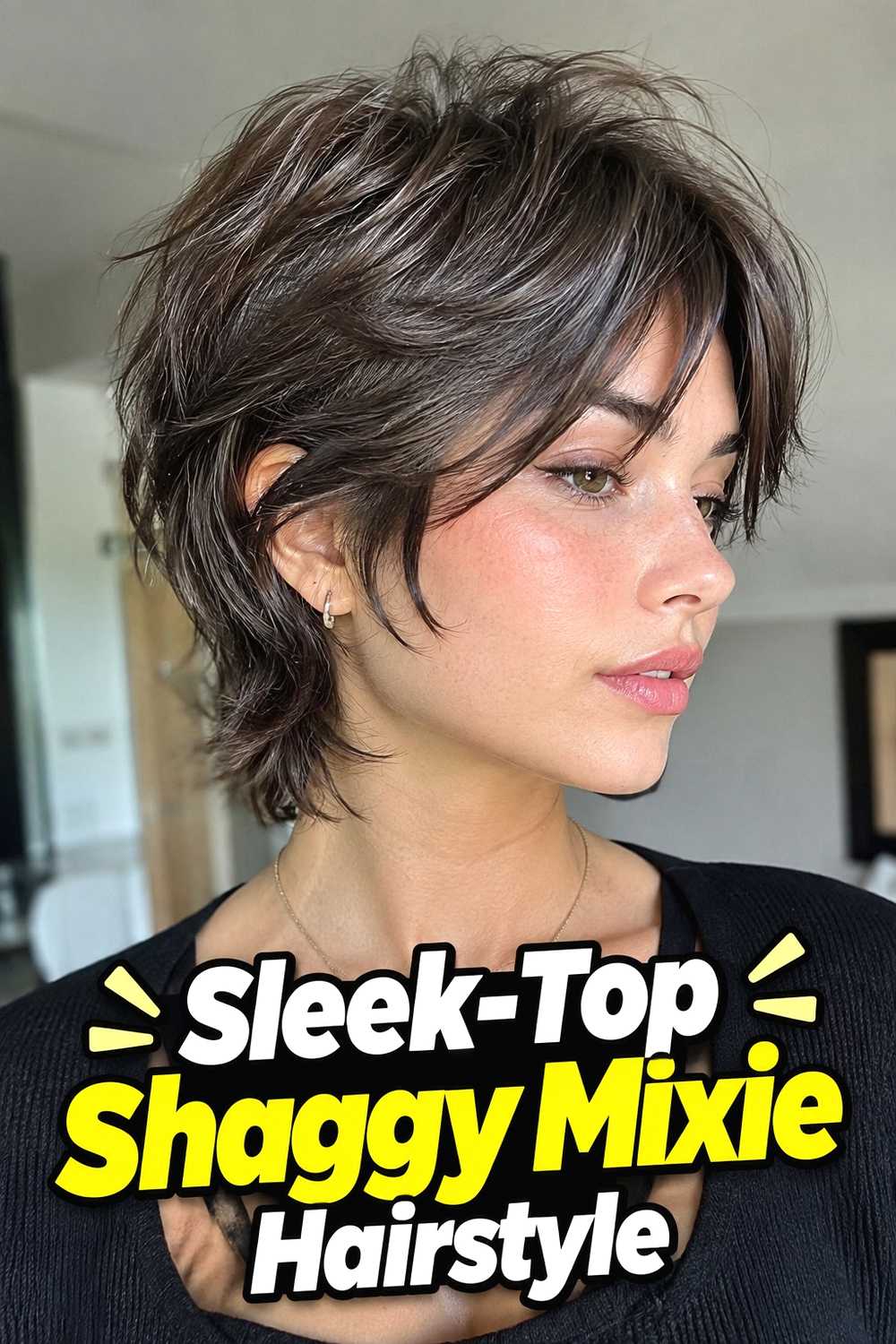
A smoother crown creates an interesting contrast with the textured ends of this mixie. The upper section is directed close to the head with a soft part or controlled sweep, while the sides and nape break into more separated, shaggy pieces. This allows the haircut to retain its layered character without relying on volume everywhere. The finish can look especially polished on straight or slightly wavy hair, where the difference between the sleek surface and feathery perimeter is easy to see. The longer back keeps the mixie identity intact, while tucked or narrowed sides make the profile clean. Avoid flattening the entire haircut; preserving movement at the ends is what keeps it from becoming an ordinary short crop.
Why It Works
The contrast between a smooth top and textured perimeter highlights the layered structure while offering a more refined take on shaggy styling.
17. Retro Shaggy Mixie Hairstyle
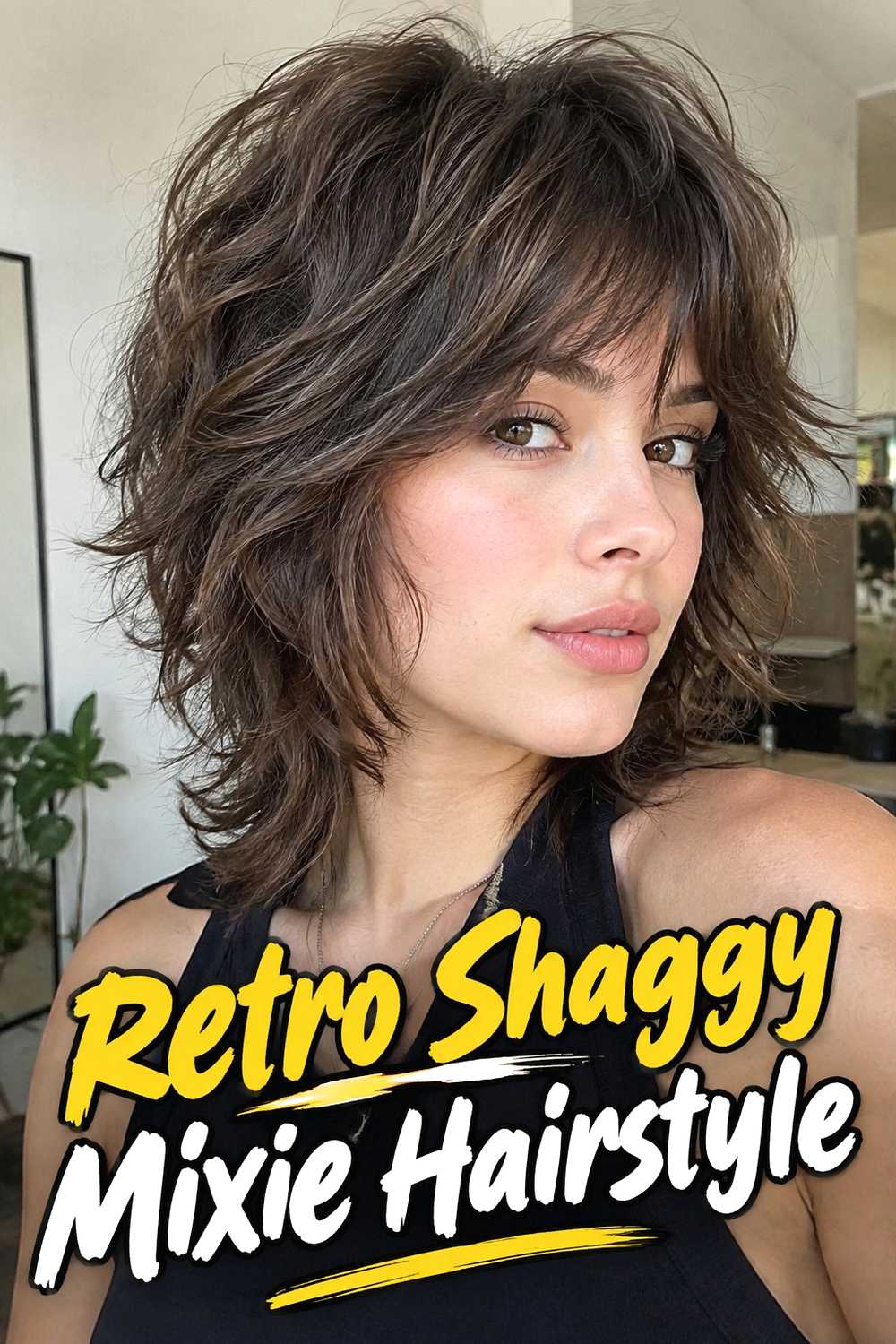
A retro shaggy mixie draws on vintage short mullet and shag shapes with flicked sides, airy crown layers, and a noticeably textured nape. The front can include a softly broken fringe, while the pieces near the ears kick outward rather than sitting completely flat. The back follows the same movement, creating a playful silhouette from the side. To keep the style current, the texture should remain flexible and imperfect rather than heavily set. Natural waves can enhance the retro feeling, while straighter hair may need a little directional drying to encourage bends. This is a fun option for anyone who likes recognizable styling personality but still wants the practical length of a short haircut.
Pro Tip
Create outward movement in only a few strategic sections around the ears and nape instead of flipping every layer in exactly the same direction.
18. Face Framing Shaggy Mixie Hairstyle
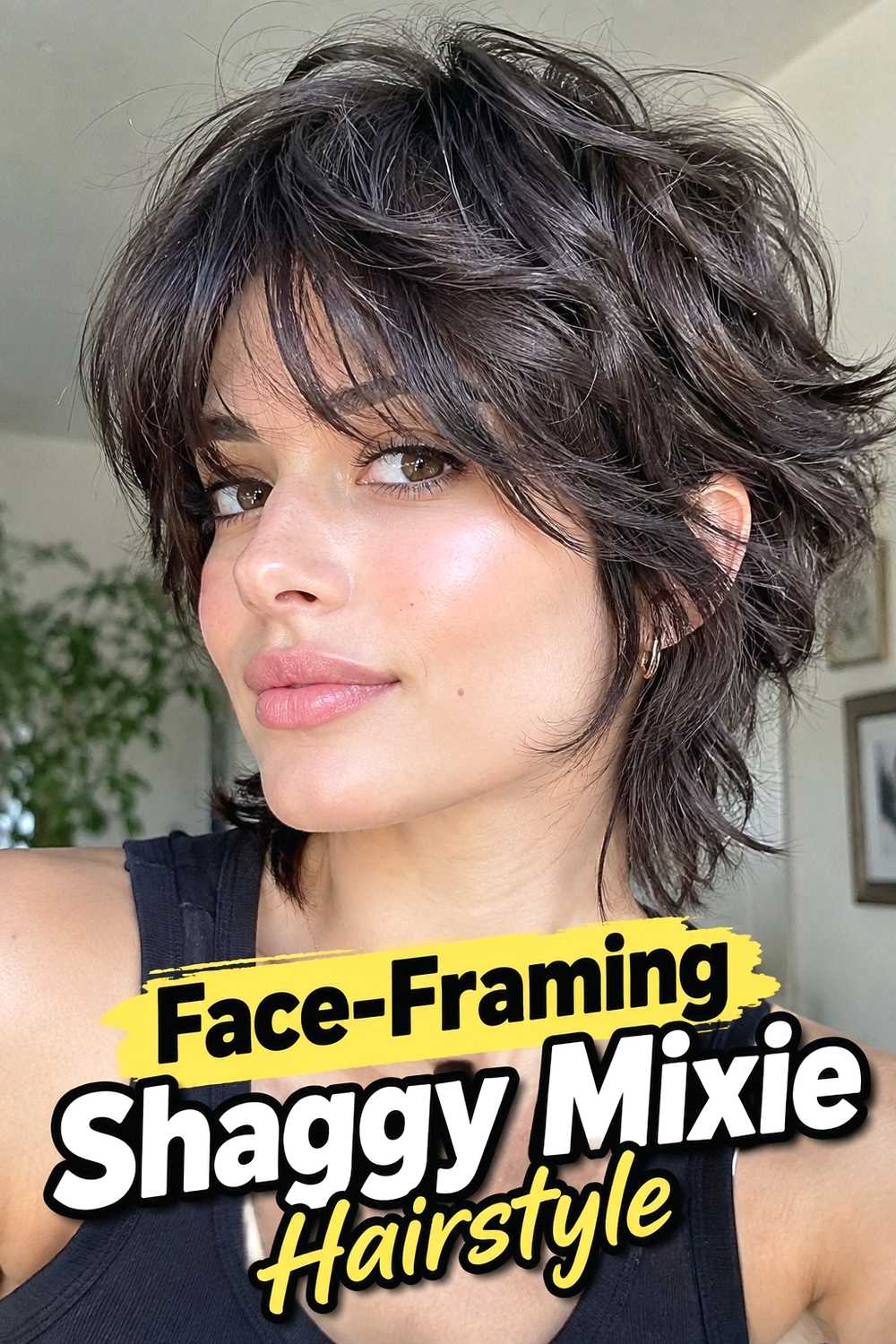
Face-framing layers soften this shaggy mixie by bringing graduated pieces around the forehead, temples, and cheek area. Instead of one obvious fringe line, shorter sections blend into longer side layers that can be worn forward, parted, or tucked. The crown remains textured and slightly lifted, while the sides stay compact enough to expose the ears. At the back, a light nape extension adds the final mixie element. This version works well if you want a shaggy haircut but prefer flexible front styling over fixed bangs. The face-framing pieces should connect naturally to the crown rather than appearing like separate sections. Keeping the ends soft preserves movement and makes the overall shape easier to adjust from day to day.
Best For
This option is useful if you want noticeable framing around the face without committing to a short or dense fringe.
19. Grown Out Shaggy Mixie Hairstyle
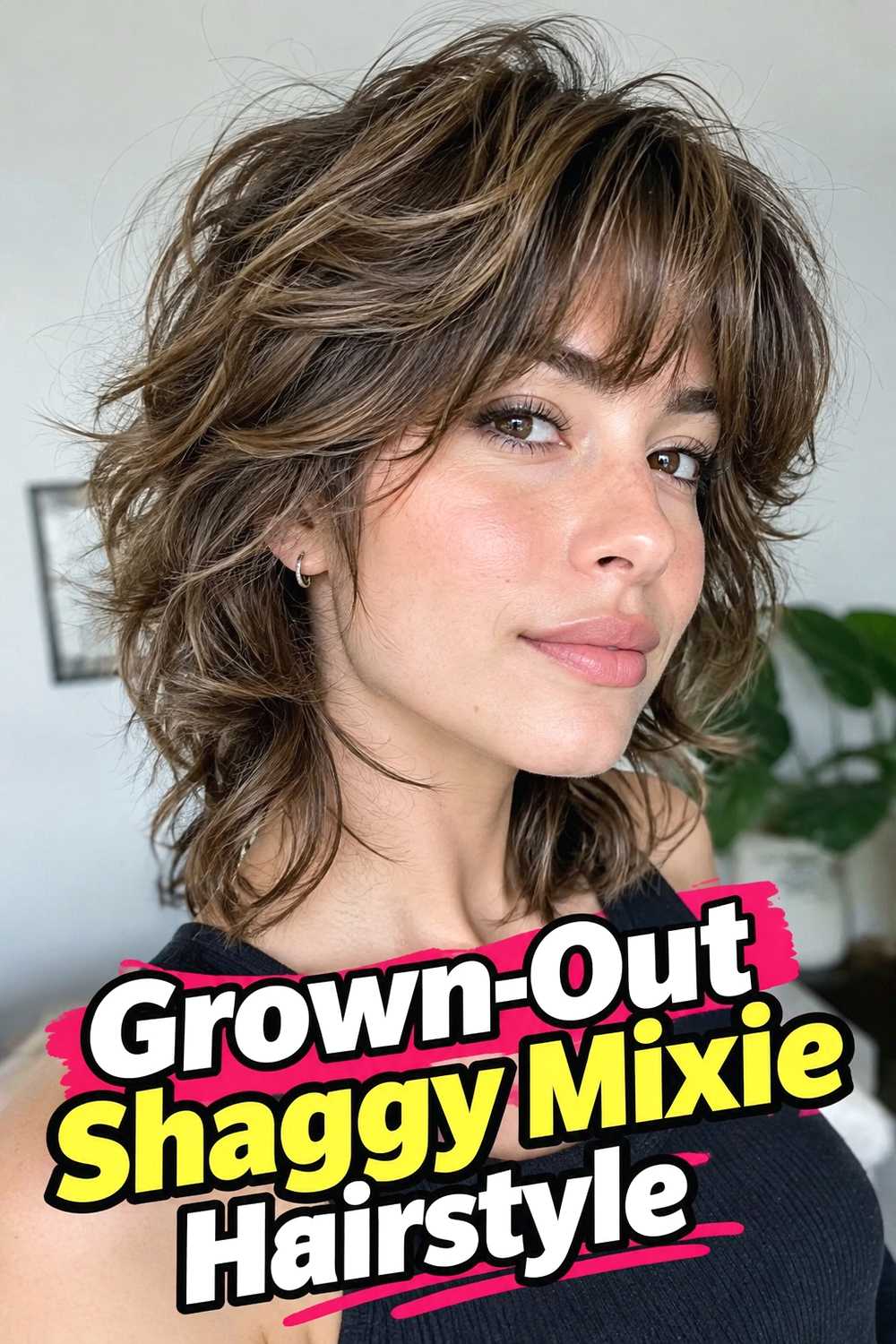
A grown-out mixie turns extra length into part of the shaggy design instead of treating it as an awkward stage. The fringe becomes longer and softer, pieces around the ears loosen, and the nape develops a more obvious extension down the neck. Strategic layering can remove excess bulk while preserving that relaxed progression from short front sections to longer back pieces. This style is practical for anyone moving away from a pixie or trying to stretch the time between major reshaping appointments. Waves and natural bends can make the grow-out look especially intentional. Rather than trimming every section equally, occasional balancing around the crown and sides helps maintain a recognizable mixie silhouette as the haircut gradually gets longer.
Wear & Maintenance
Focus trims on bulky or uneven areas instead of shortening the entire haircut. This keeps the grow-out soft while preserving useful length.
20. Soft Mullet Shaggy Mixie Hairstyle
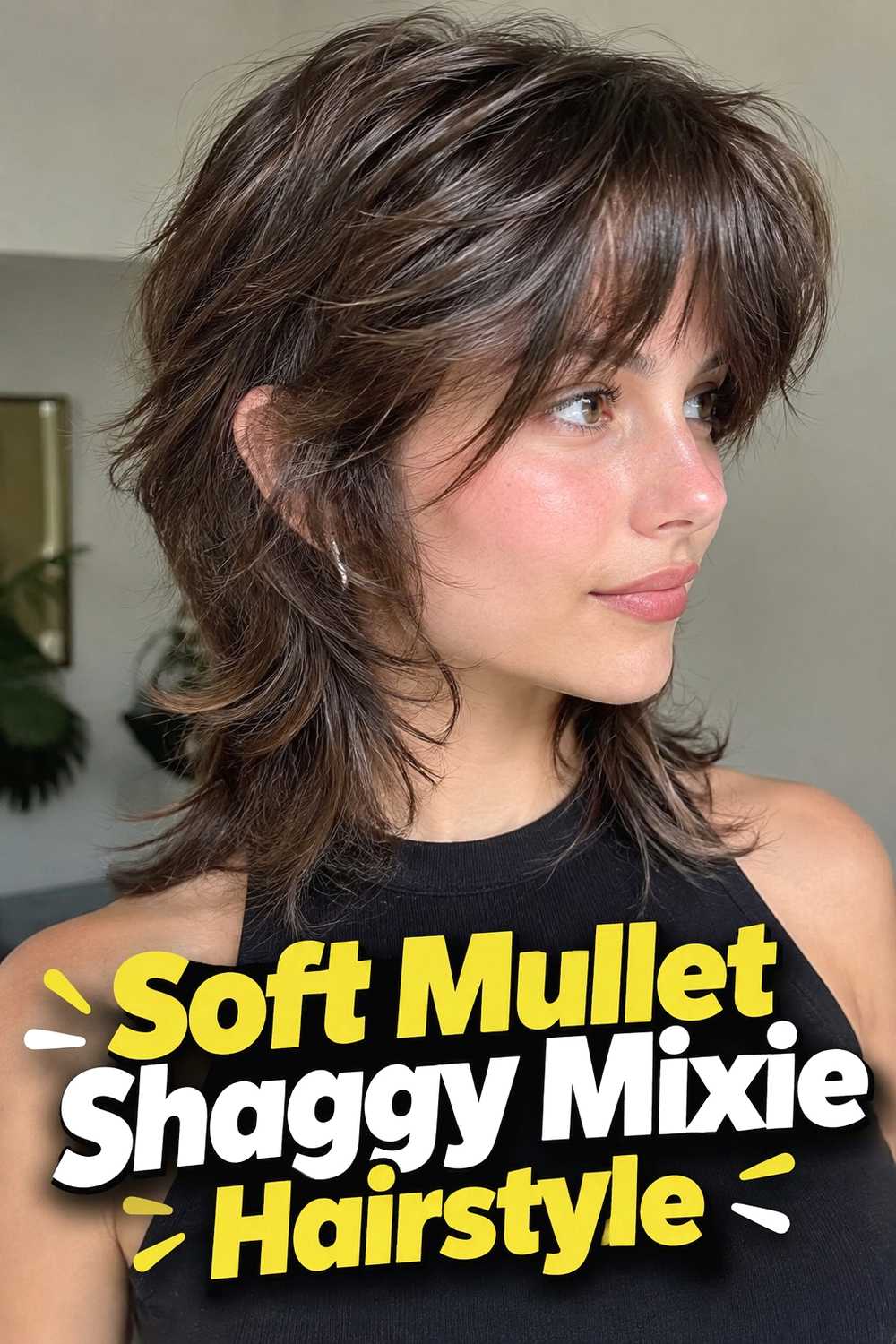
This mixie lets the mullet influence show clearly while keeping the transitions soft and wearable. Shorter layers sit around the forehead, temples, and ears, then lengthen gradually through the back into a textured nape. Shaggy crown pieces add movement so the haircut does not feel flat between the cropped front and longer rear section. Unlike a heavily disconnected mullet, the layers overlap enough to create a cohesive silhouette. The shape can be worn tousled, wavy, or lightly feathered depending on natural texture. It is a strong choice when you want a recognizable pixie-mullet hybrid but prefer movement and softness over shaved sides, hard lines, or an exaggerated tail.
Why It Works
Blended shag layers connect the pixie front and mullet back, allowing both influences to remain visible without making the transition look abrupt.
How to Choose the Right Look
Start with the amount of shaggy texture you actually want. Soft layered and feathered mixies keep the movement subtle, while razor-textured, choppy, fluffy, and messy curly versions make texture the main feature.
Next, decide how much mullet influence feels comfortable. Short-nape styles stay closer to a pixie, while long-nape and soft mullet versions create a more obvious short-front, long-back profile.
Fringe is another major choice. Choppy or micro fringe creates stronger definition, piecey bangs provide light separation, and side-swept or face-framing layers offer more flexibility. If you prefer moving hair away from your forehead, longer front layers may be easier to manage.
Natural texture matters as well. Waves and curls can make shaggy layering visible with minimal styling, while straight hair often benefits from feathering, razor texture, or lightweight separation. Finally, consider maintenance: tapered edges and micro bangs show growth sooner, whereas grown-out and softly layered shapes generally tolerate extra length more easily.
Final Thoughts
Shaggy mixie haircuts can range from soft and feathered to curly, fluffy, choppy, or strongly mullet-inspired. The most wearable version is one that uses your natural texture instead of fighting it. Focus on the relationship between the fringe, crown, sides, and nape, then adjust the amount of layering and separation to match how much styling and maintenance you actually want.
FAQs
1. What makes a mixie haircut shaggy?
A shaggy mixie uses varied layers, textured ends, and less precise separation through the fringe, crown, sides, and nape to create visible movement.
2. Can curly hair wear a shaggy mixie?
Yes. Curls naturally emphasize varied layer lengths and can create a softer shaggy shape. The cut should account for shrinkage and dry curl placement.
3. Is a shaggy mixie high maintenance?
It depends on the version. Micro fringes and tapered sides may need more frequent cleanup, while longer, softer, and grown-out shapes can be more forgiving.
4. How is a shaggy mixie different from a regular mullet?
A mixie generally keeps more pixie-like shortness around the face and sides, while a shaggy finish adds blended, textured layers rather than relying only on dramatic front-to-back length contrast.
5. What products work for a shaggy mixie?
Lightweight texture creams, mousses, curl products, or small amounts of paste can help define selected layers. The ideal product depends on hair texture and the amount of hold or volume you want.
Save your favorite shaggy mixie haircuts and share the ideas that inspire your next textured short-hair look.