15 Friction-Smart Long-Hair Hairstyles With Wool Scarves
Long hair and cozy wool scarves work better together when smart placement keeps loose lengths from constantly rubbing, tangling, and shifting around winter layers.
Long hair naturally meets more of a scarf, coat collar, and shoulder area than a short cut, so hairstyle placement can make a noticeable difference in how tidy everything feels. Instead of relying only on extra product, these looks use ponytails, braids, twists, buns, and strategic half-up sections to manage where the hair sits.
The right option depends on your length, density, texture, scarf height, and how much loose movement you want. Some styles move the entire length away from the neckline, while others simply organize the sections most likely to catch against wool. The goal is a wearable balance between control, comfort, and natural-looking hair.
Quick List
- Over Shoulder Low Ponytail Hairstyle
- Side Fishtail Braid Hairstyle
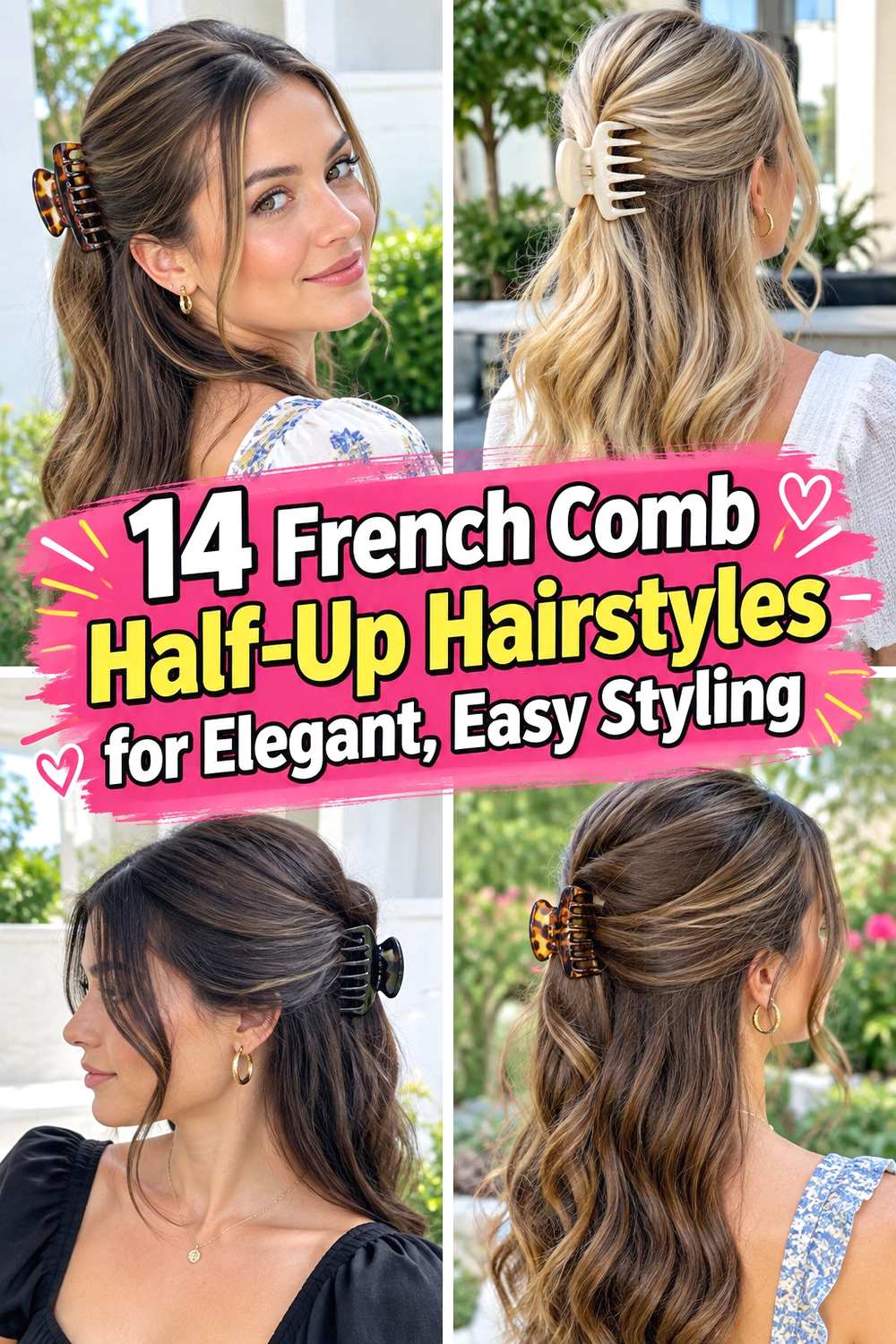
- Half Up Claw Clip Hairstyle
- Low Rope Braid Hairstyle
- High Half Up Ponytail Hairstyle
- French Braid Into Ponytail Hairstyle
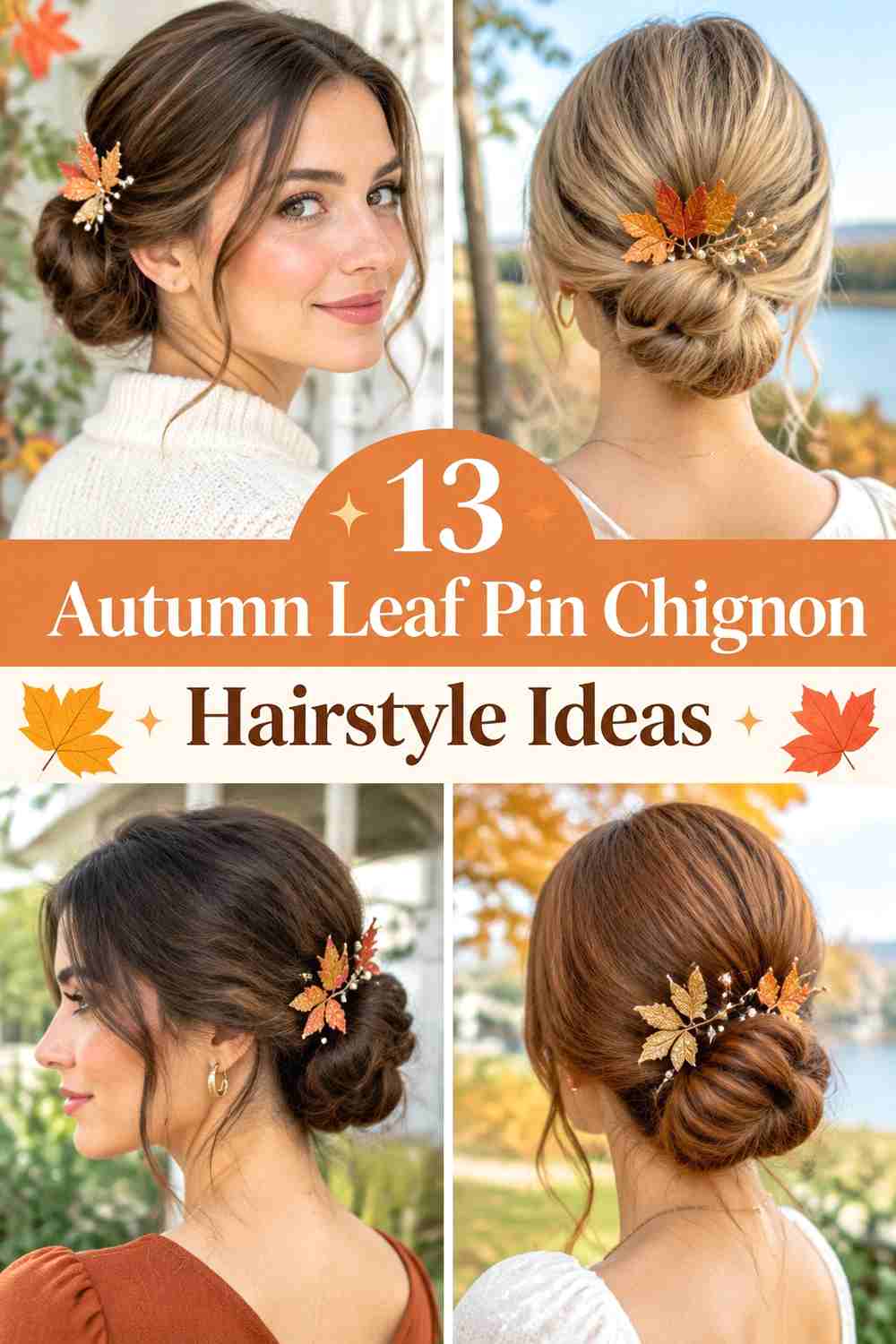
- Wrapped Low Bun Hairstyle
- Double Low Braids Hairstyle
- Sleek High Ponytail Hairstyle
- Loose Side Braid Hairstyle
- Twisted Half Up Hairstyle
- Braided Low Ponytail Hairstyle
- Scarf Clear Top Knot Hairstyle
- Center Part Tucked Back Hairstyle
- Low Braided Bun Hairstyle
1. Over Shoulder Low Ponytail Hairstyle
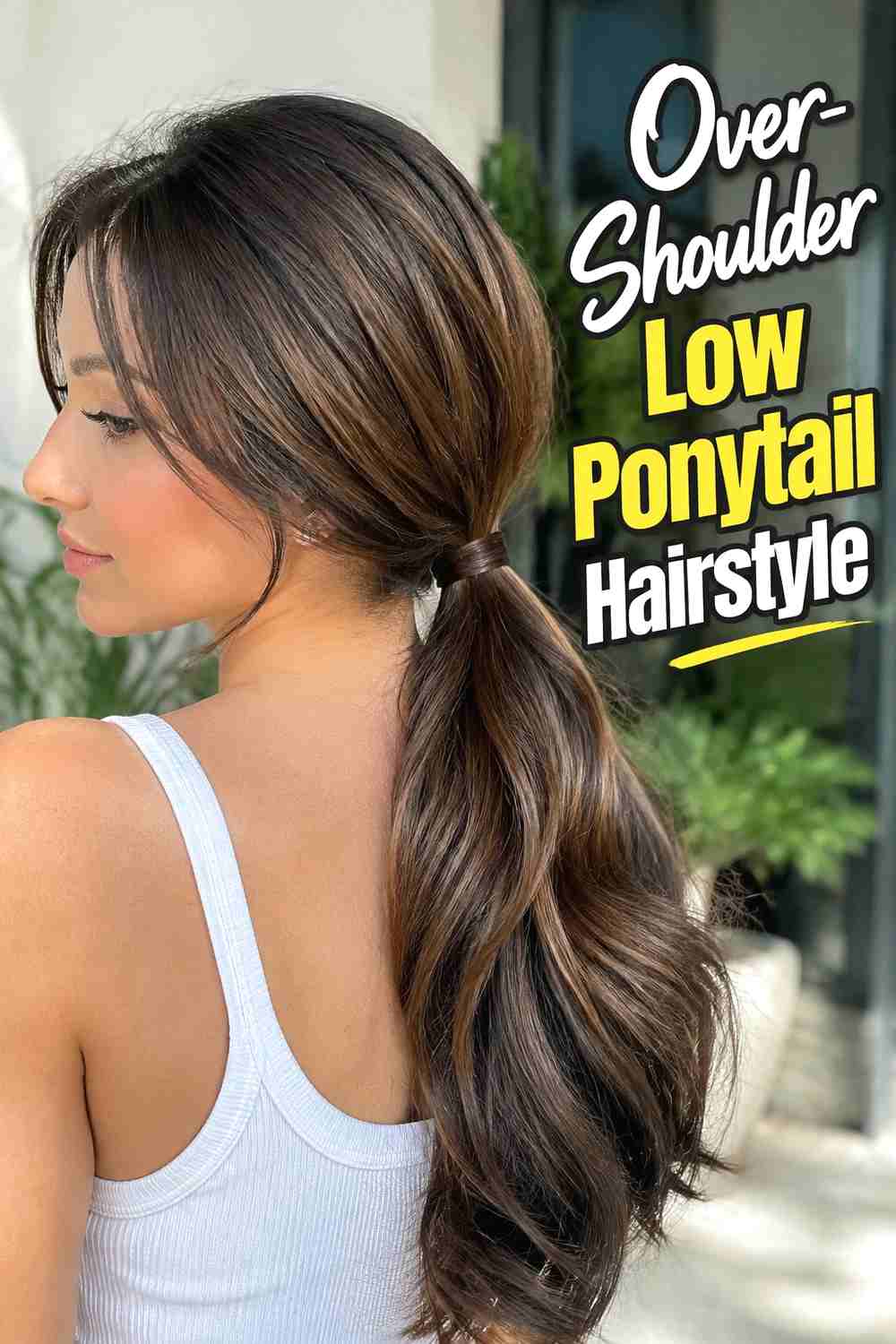
An over-shoulder low ponytail keeps long hair gathered while moving most of the length away from the center back, where wool scarves and coat collars often create the most contact. Gather the hair low near the nape, secure it with a smooth elastic, and guide the ponytail over one shoulder once the scarf is in place. The style looks especially polished on straight, softly wavy, or lightly textured hair because the tail still shows plenty of natural movement. Avoid pulling the base excessively tight; a comfortable low tie gives the ponytail enough flexibility to shift with your clothing. A tiny amount of smoothing cream through the ends can keep the finish tidy without making the hair look stiff.
Why It Works
Moving the ponytail forward helps prevent the full length from being trapped between your back, scarf, and coat. It also makes the ends easier to reposition after sitting against a seat or backpack.
Pro Tip
Wrap your scarf first, then decide which shoulder feels most comfortable for the ponytail. This prevents you from repeatedly pulling the length out from underneath the scarf.
2. Side Fishtail Braid Hairstyle
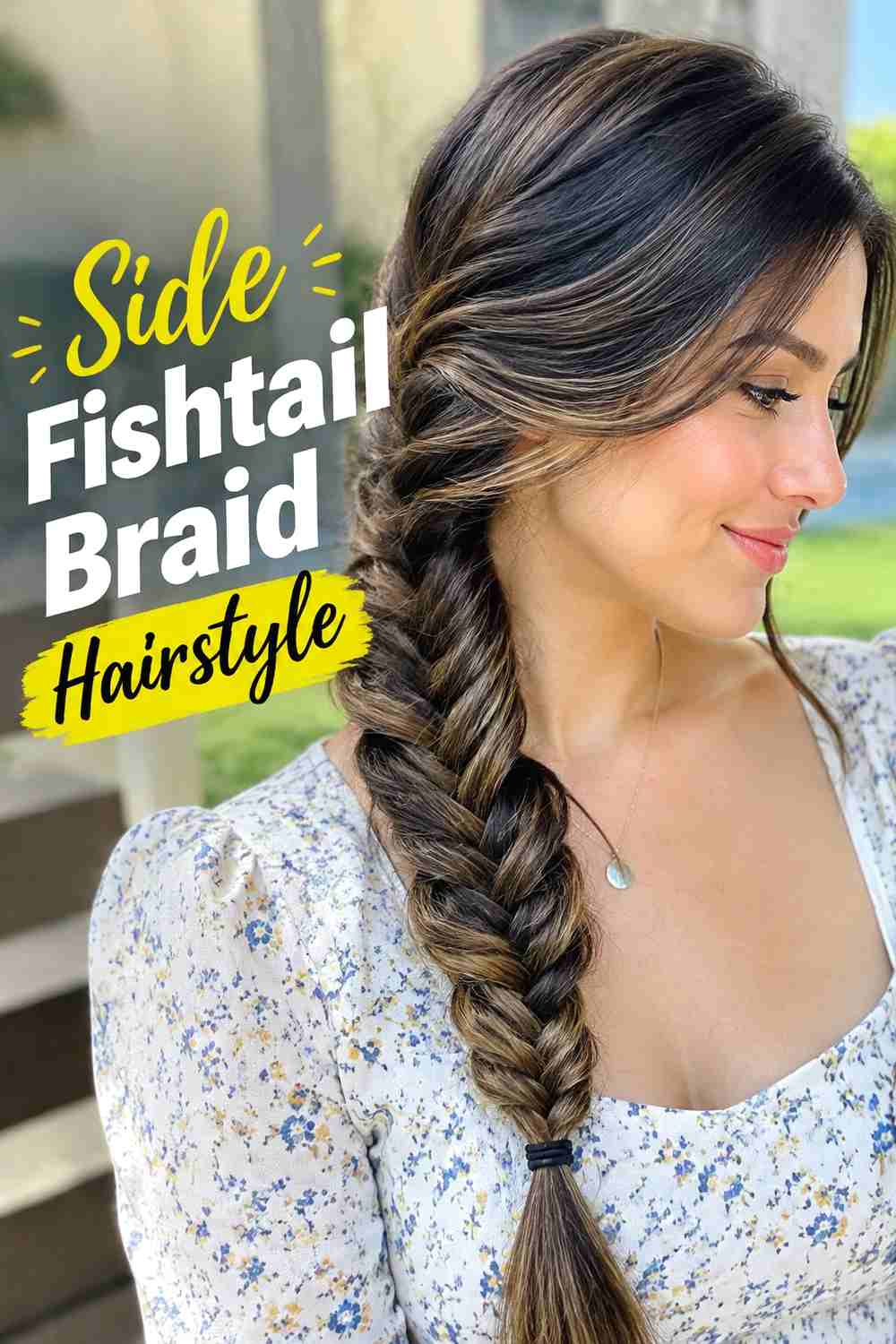
A side fishtail braid turns long hair into one slim, detailed shape that can rest neatly over a shoulder instead of spreading across the back of a wool scarf. Gather the hair to one side, divide it into two sections, and alternate small outer pieces until the braid reaches the ends. For winter wear, keep the weave moderately compact rather than dramatically pulling it apart. A slightly firmer fishtail tends to hold its structure better when it meets coats, hoods, and textured scarves. Long hair gives the pattern room to develop beautifully, while subtle highlights or dimensional color can make each crossover more visible. Secure the bottom with a small, snag-free elastic.
Styling Notes
Using medium-size sections makes the braid faster to create and gives it a sturdier everyday appearance. Save very fine, intricate fishtailing for days when you have more styling time.
Best For
This style is especially useful for long, medium-to-dense hair when you want the lengths contained but still want a braid that looks decorative and intentional.
3. Half Up Claw Clip Hairstyle
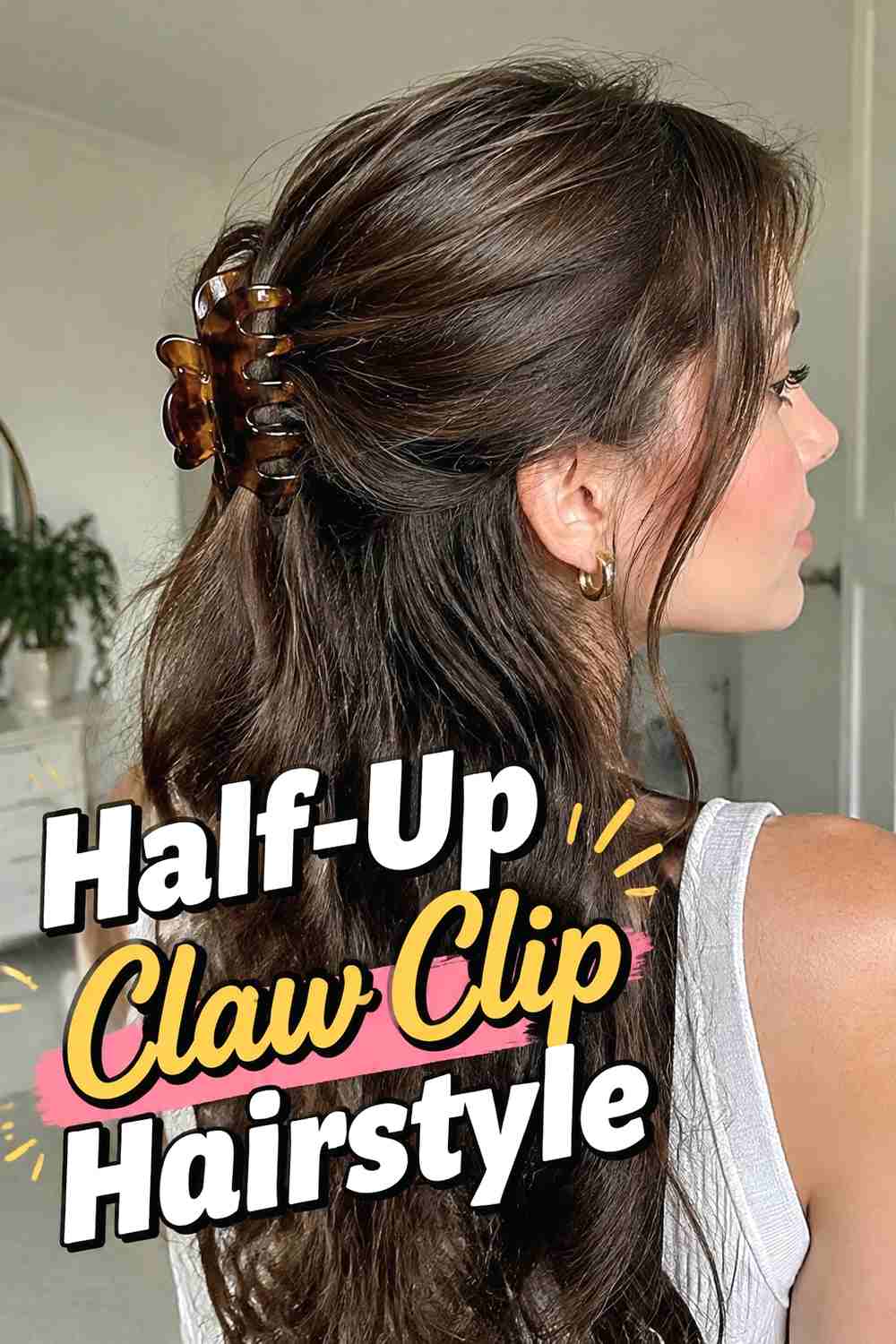
A half-up claw clip keeps the top and side sections of long hair organized while leaving the lower lengths free to move. Gather hair from around the temples, create a gentle twist at the back, and secure it with a clip positioned well above the scarf line. This lifts shorter face-framing pieces away from the neckline and reduces the amount of hair shifting forward every time you adjust your scarf. Choose a clip sized for your actual density so it grips securely without forcing too much hair into a small space. The loose lengths can remain straight, wavy, or naturally textured. A light leave-in product through the ends can add polish without flattening the upper section.
Wear & Maintenance
Make sure the clip sits above the highest point of your scarf or coat collar. If the accessory touches the fabric continuously, it may feel uncomfortable and can be pushed out of position.
Hair Type & Length
This works well on long hair across many textures. Very dense hair may need a larger curved clip, while finer hair often stays more securely in a smaller matte-finish design.
4. Low Rope Braid Hairstyle
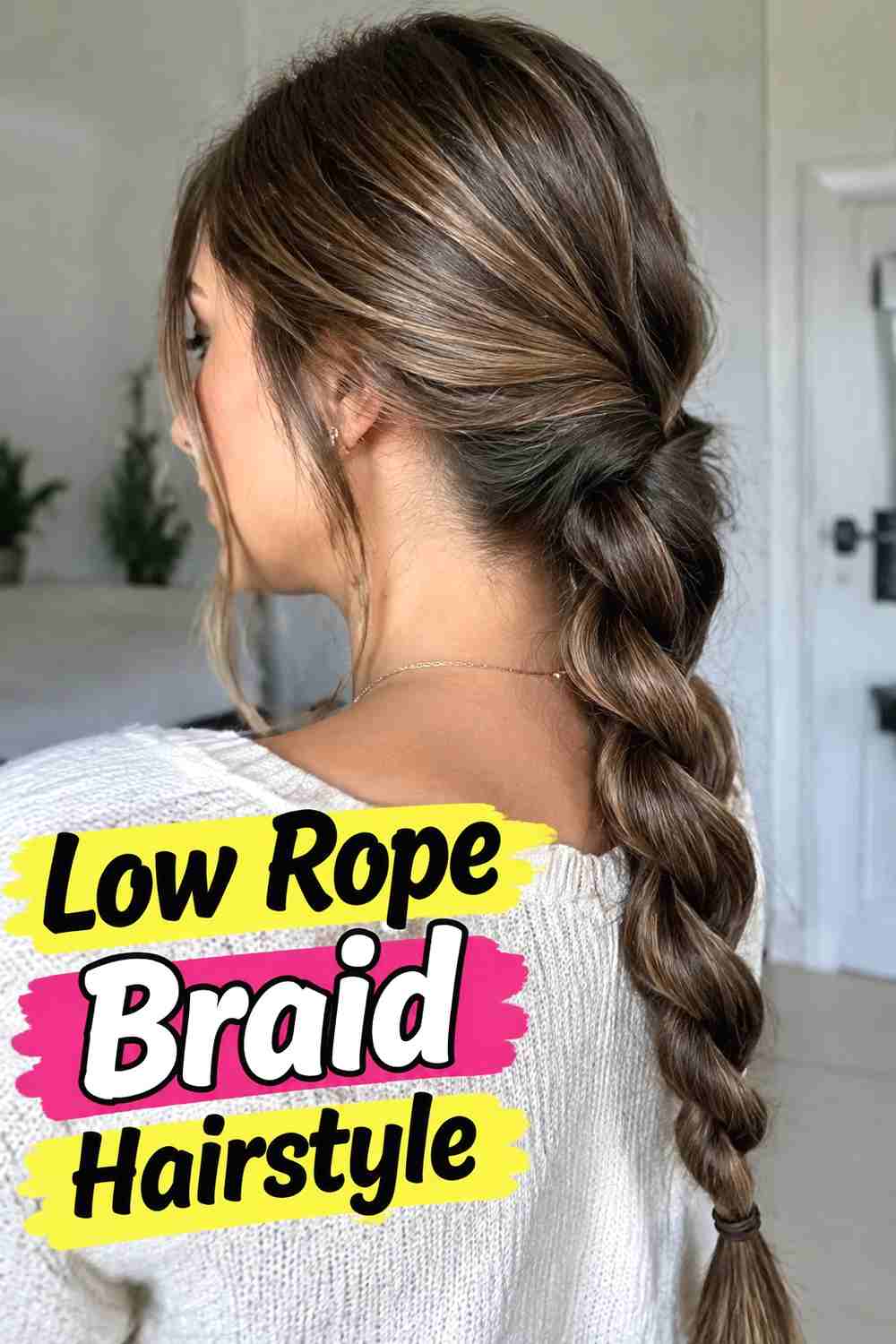
A low rope braid is a simple alternative to a traditional plait and works especially well when you want long hair contained without a wide braid at the neckline. Gather the hair low, divide it into two equal sections, twist both sections in the same direction, and then wrap them around each other in the opposite direction. The finished shape has a smooth spiral that can hang behind the scarf or be moved over one shoulder. Keeping the twist fairly compact gives it better definition through a commute or long winter outing. This style tends to look particularly striking on thick hair because the two sections create a substantial rope effect without requiring complicated braiding skills.
Styling Notes
Keep consistent tension while twisting both sections. If one side is much looser than the other, the rope can unwind or lose its balanced shape more quickly.
Pro Tip
Secure the end before gently refining the surface. Trying to loosen the braid too much before tying it can allow the spiral to separate.
5. High Half Up Ponytail Hairstyle
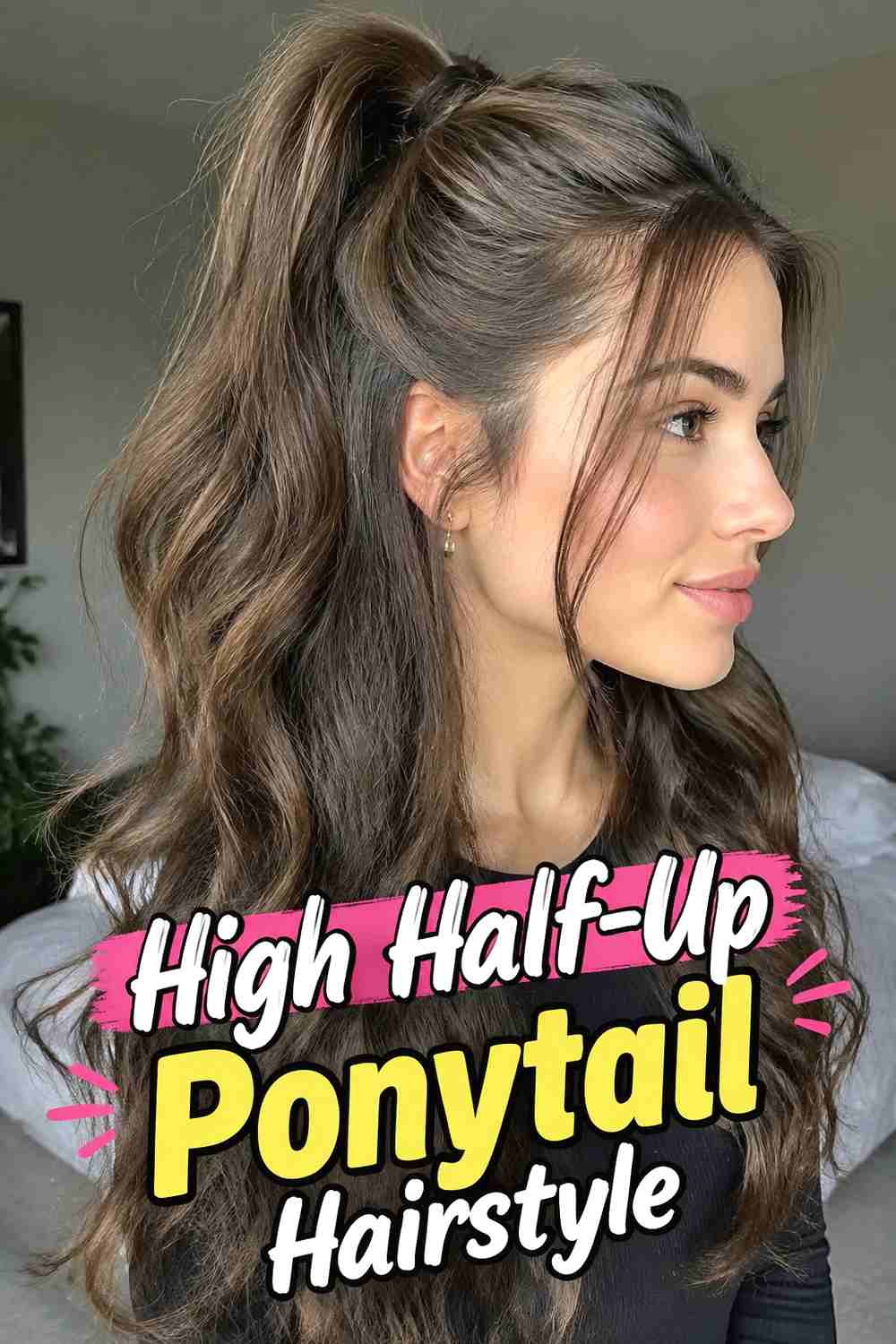
A high half-up ponytail lifts a generous section of long hair away from the shoulders while keeping the lower lengths loose. Gather the top section from around the temples and crown, secure it above the back of the head, and let the ponytail fall naturally over the remaining hair. The raised placement keeps the elastic well away from a wool scarf, while the gathered front layers are less likely to shift into the scarf every time you move. This style works especially well when you want visible volume at the crown without committing to a full ponytail. Keep the lower hair smooth and flexible, and use only enough styling product to control obvious flyaways.
Why It Works
The style separates the upper layers from the scarf-contact zone while preserving the look of long hair worn down. It can also help keep face-framing sections out of the way.
Best For
Choose this look when you want movement and length to remain visible but find a fully loose hairstyle difficult to manage with winter layers.
6. French Braid Into Ponytail Hairstyle
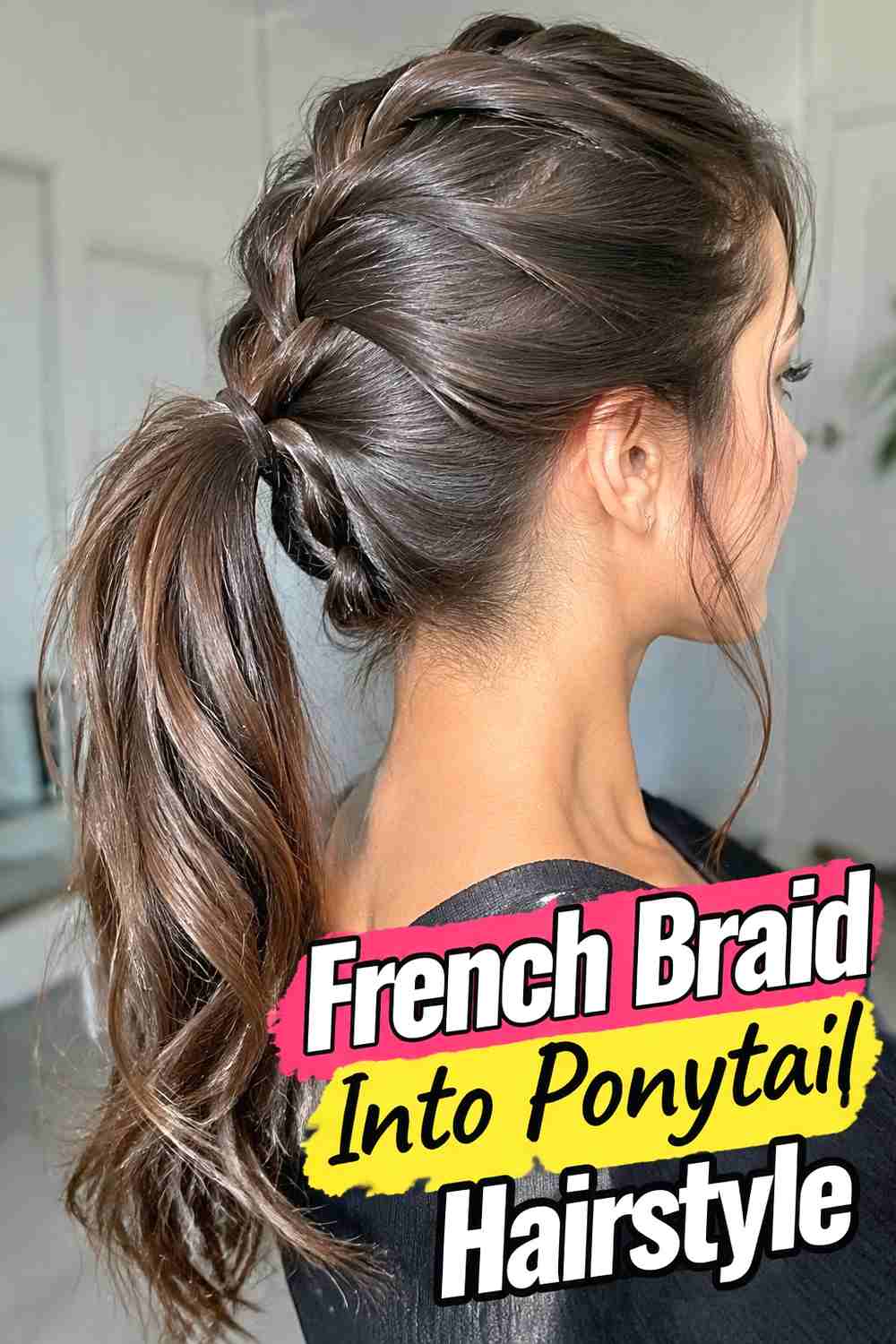
A French braid into a ponytail controls the crown and upper lengths while leaving the lower section free and easy to reposition around a scarf. Start the braid near the top of the head, incorporate sections gradually, and stop once you reach the nape or slightly above it. Secure everything into a ponytail rather than continuing the braid to the ends. This hybrid approach is practical for long layered hair because shorter pieces are integrated through the upper section instead of falling forward. The ponytail can then be moved over a shoulder or worn down the back depending on your scarf. Keep the braided portion snug enough to hold without creating uncomfortable tension along the hairline.
Wear & Maintenance
Place the final elastic just above the thickest point of your scarf. This gives the base room to move and keeps the tie from being pressed directly into the neck.
Pro Tip
Smooth the sections before adding them to the braid rather than trying to correct bumps afterward. A tidy foundation usually lasts better through repeated coat and hood changes.
7. Wrapped Low Bun Hairstyle
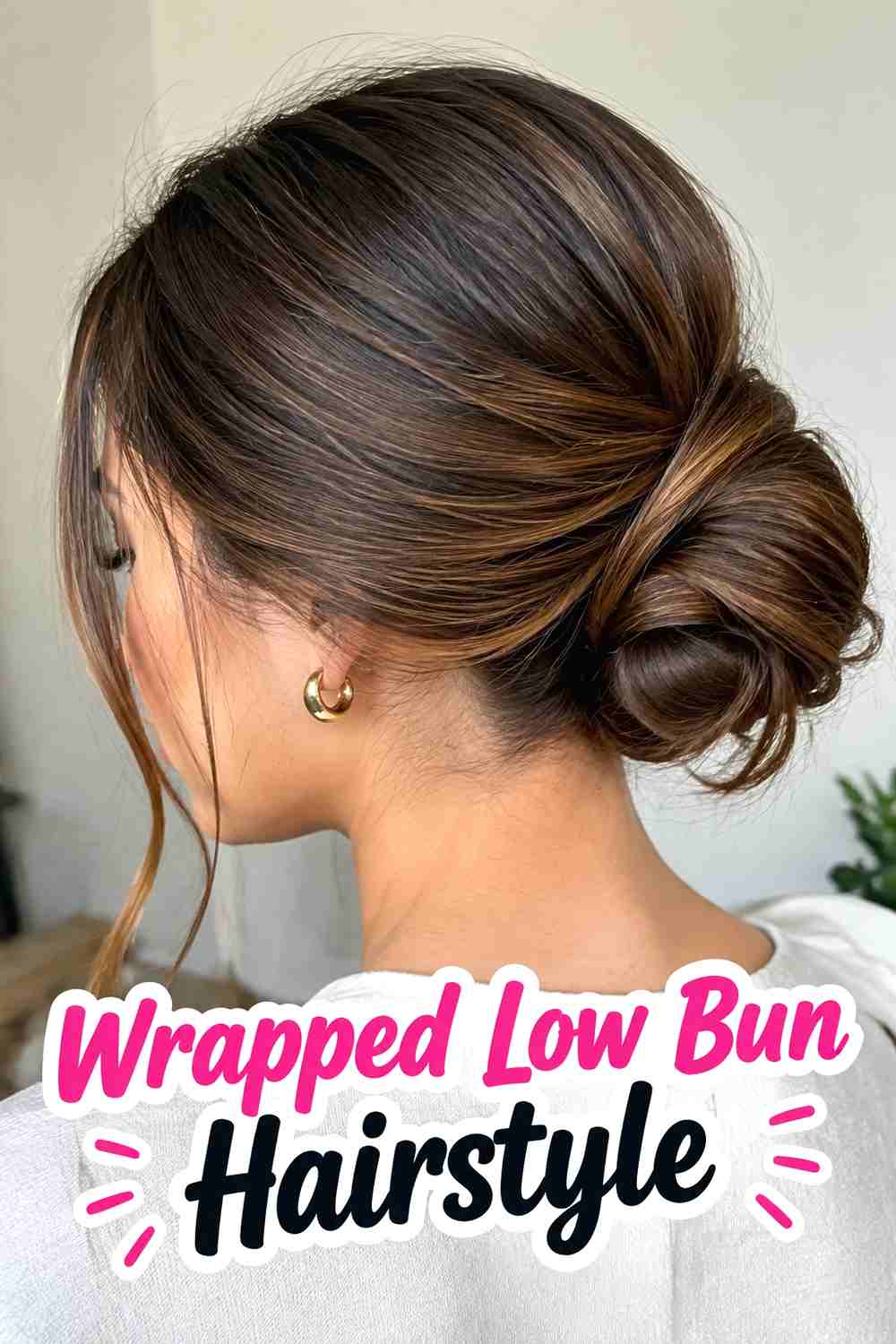
A wrapped low bun gathers long hair into a compact coil, making it useful when you want virtually no loose length between your scarf and outerwear. Create a low ponytail, twist the length around the base, and secure the shape with several evenly spaced pins. The finished bun should sit close to the head rather than projecting outward, which helps it feel neater with a coat or hood. For long, dense hair, spreading the coil slightly can distribute the weight more comfortably. Keep the surface polished but not rigid, allowing a few natural wisps if they suit your texture. A light smoothing cream can help the bun hold together without requiring excessive pinning.
Styling Notes
Before securing the final pins, put on your scarf and check the height. A bun positioned slightly higher than the scarf edge usually feels more comfortable than one resting directly against it.
Best For
This is a strong option for long hair when you want maximum containment for commuting, outdoor events, or days spent in bulky winter layers.
8. Double Low Braids Hairstyle
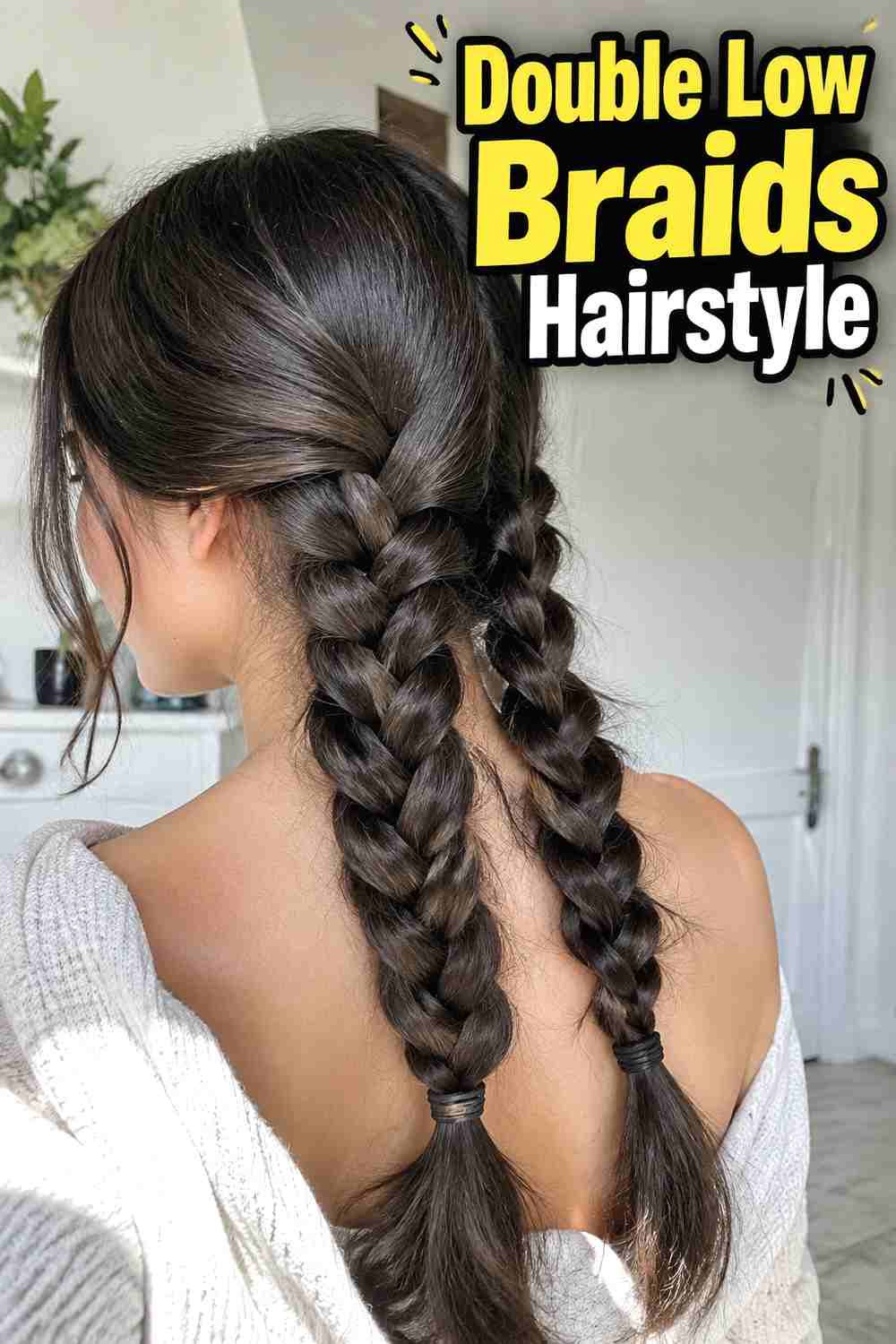
Double low braids split long hair into two narrower sections that can be brought forward over the shoulders and kept away from the back of a wool scarf. Create a clean center or slightly off-center part, divide the lengths evenly, and start each braid behind the ears. Traditional three-strand braids work well because they are easy to tighten or soften depending on your texture. The two-braid arrangement distributes hair weight and can feel less bulky than one very thick central braid, especially on dense hair. Keep the upper sections smooth but comfortably loose around the temples. Small fabric-covered elastics or narrow hair ties help the ends stay neat without adding distracting bulk.
Why It Works
Because both braids can sit in front, very little hair needs to remain trapped between your back and winter layers. The divided structure is also easy to reposition after removing a scarf.
Hair Type & Length
Long, medium-to-dense hair shows this style especially well, though finer hair can create slimmer braids with a softer finish.
9. Sleek High Ponytail Hairstyle
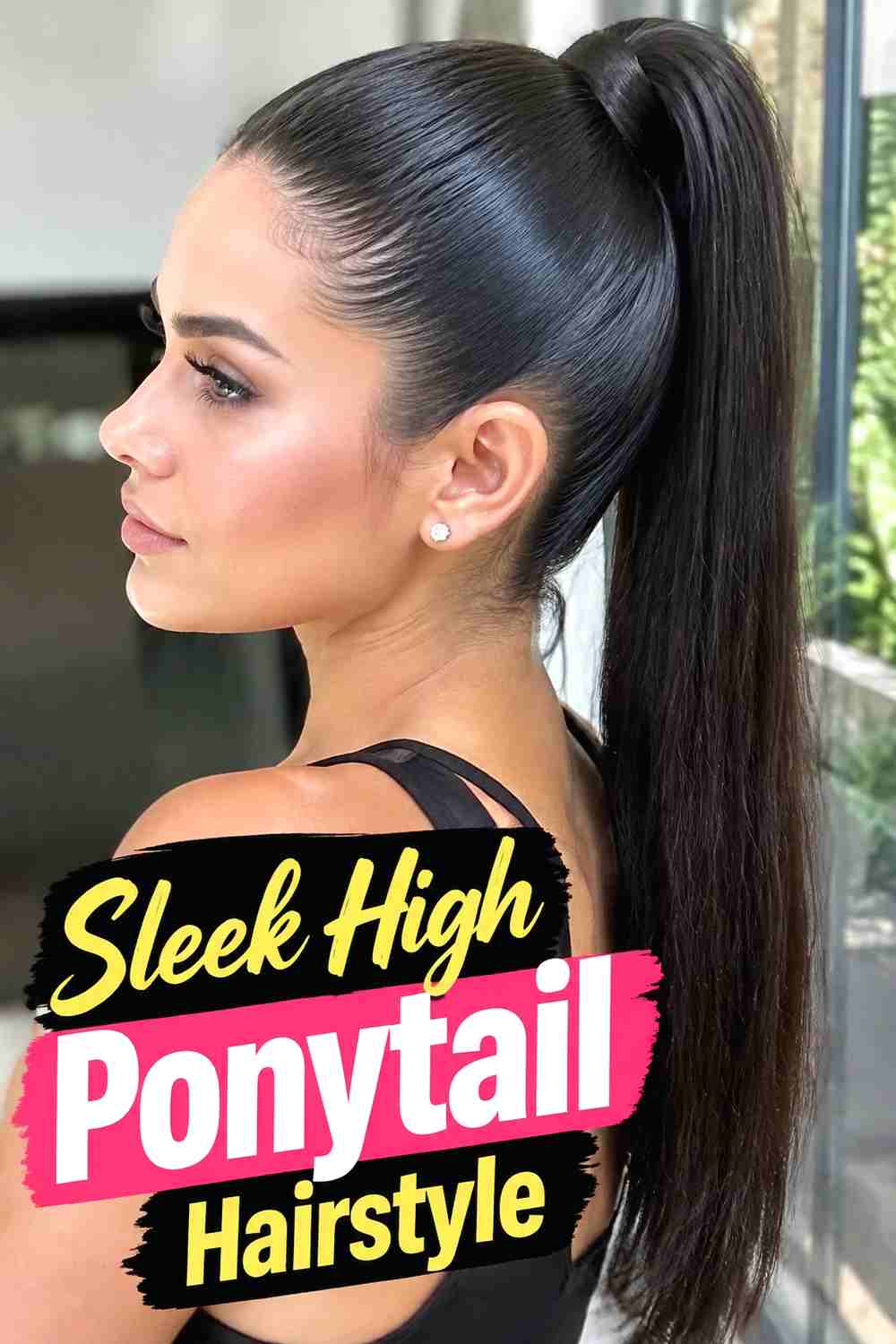
A sleek high ponytail moves long hair completely above the neckline, creating clear space for thick scarves, raised collars, and winter coats. Brush the hair upward toward the crown and secure it with a sturdy, smooth elastic that matches your density. The ponytail can remain straight, softly waved, or naturally textured, but the base should feel stable enough that it does not slide throughout the day. A small amount of styling cream or serum over the surface can tame obvious flyaways while keeping the finish flexible. Because the tail sits high, it falls over the scarf rather than disappearing beneath it, making the style both practical and visually polished.
Wear & Maintenance
Avoid placing the ponytail exactly where a hood rests against the head. Slightly adjusting the height can make the style much more comfortable if your coat has a structured hood.
Pro Tip
Use a strong elastic without pulling the hairline excessively tight. Secure hold and high tension are not the same thing, and comfort matters for an all-day style.
10. Loose Side Braid Hairstyle
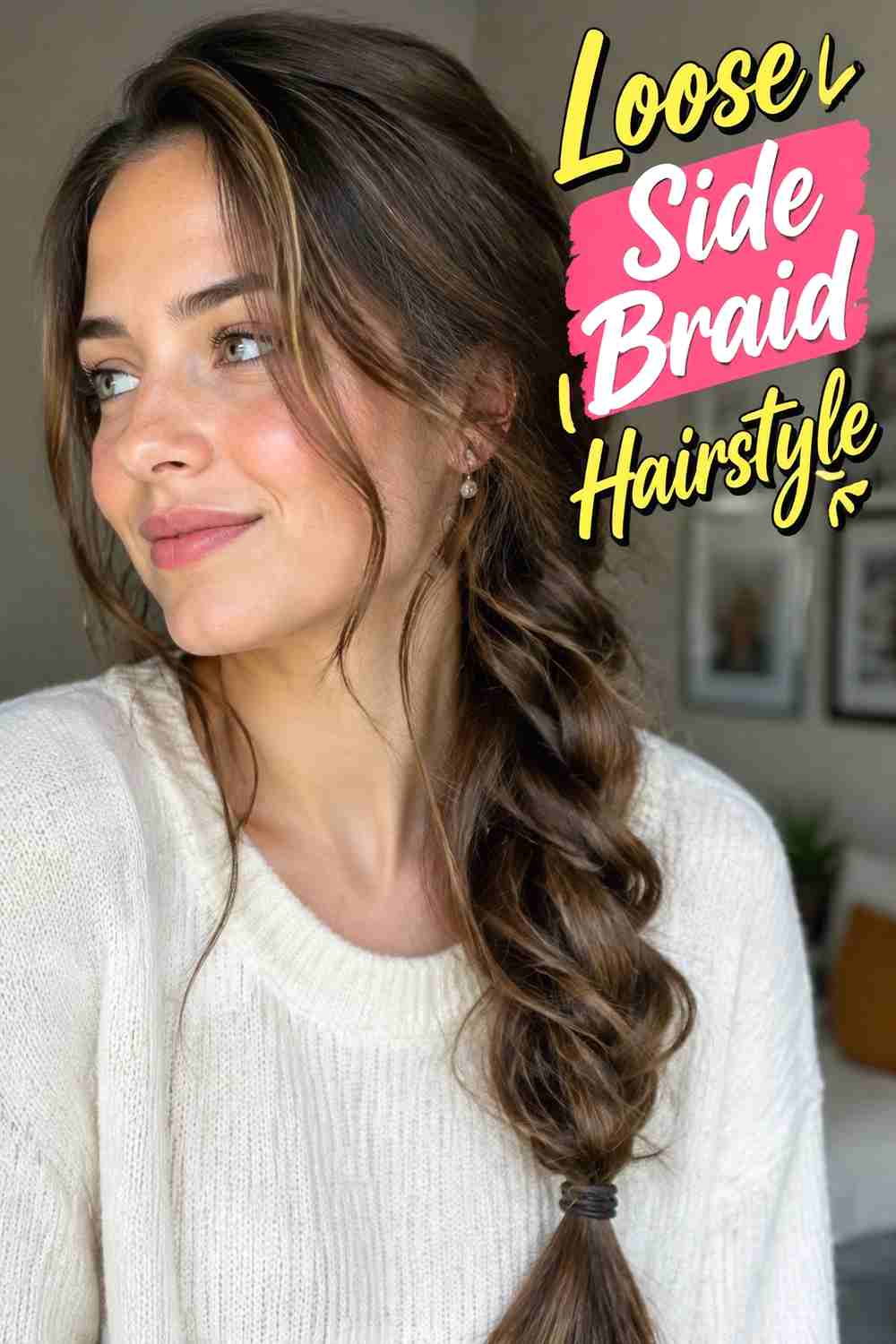
A loose side braid keeps long hair mostly contained while preserving a softer, less structured winter look. Sweep the lengths over one shoulder, divide them into three sections, and braid downward with even but relaxed tension. Instead of dramatically widening the braid, gently soften only a few outer loops so the silhouette stays wearable around coats and scarves. This style is especially attractive on wavy, textured, or layered long hair because a little natural irregularity suits the relaxed finish. Face-framing pieces can remain loose if they do not bother you, or they can be tucked behind the ear. Finish with a compact elastic and keep the braid resting outside your scarf rather than beneath it.
Best For
This look suits casual winter days when you want a braid that feels feminine and effortless rather than highly polished or tightly controlled.
Styling Notes
Start the braid below the ear so the root area has enough movement. Beginning too high can make the style feel restrictive when turning your head inside a thick scarf.
11. Twisted Half Up Hairstyle
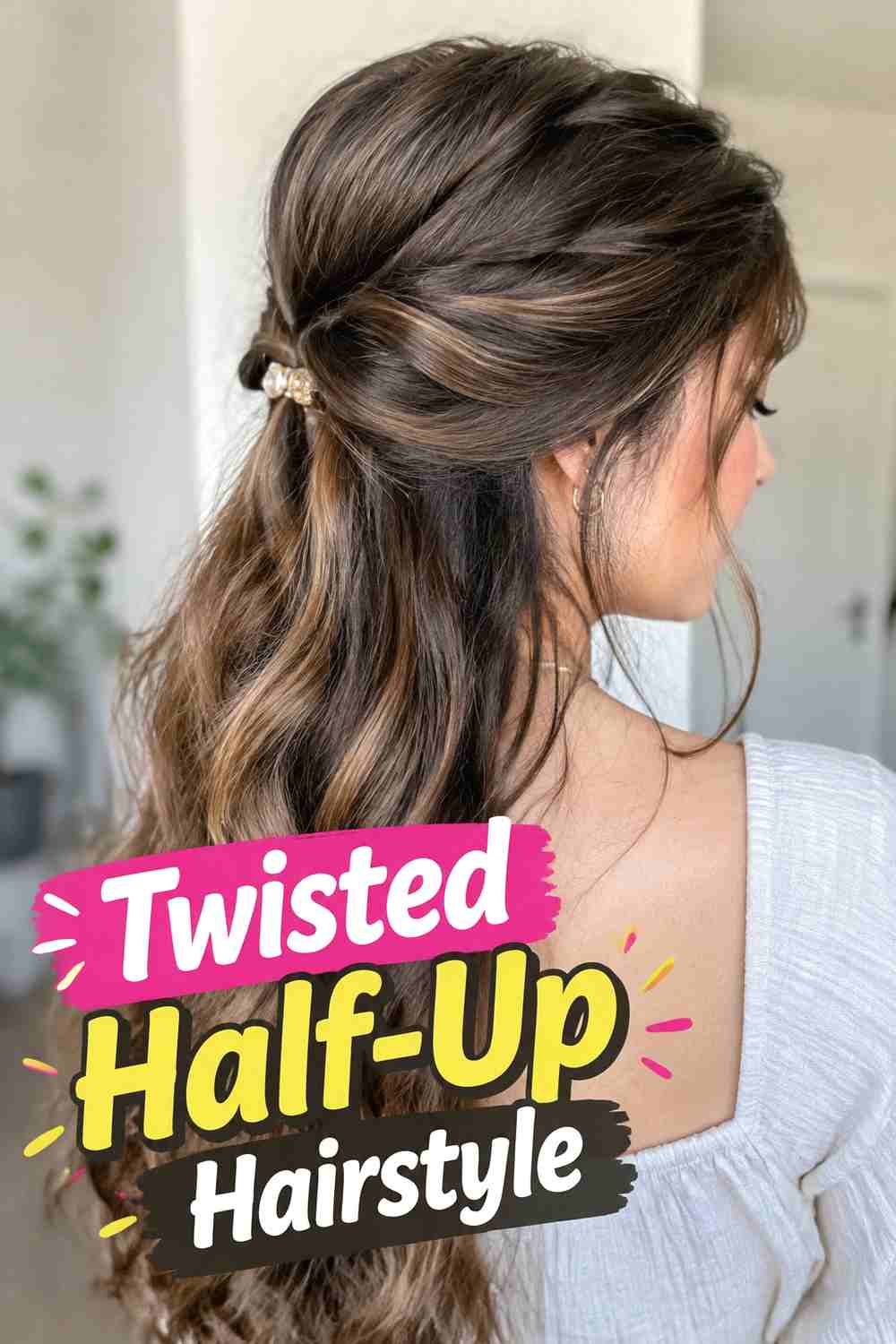
A twisted half-up style organizes the side sections of long hair without introducing a bulky clip or braid at the neckline. Take a section from each temple, twist both backward, and join them at the center with a small elastic, pin, or lightweight barrette. The twists keep front pieces from falling into the scarf while the lower lengths remain free, making this a useful choice when you still want the look of hair worn down. It works on straight, wavy, and softly curly textures, with each creating a slightly different finish. Keep the twists smooth but not overly tight, and position the fastening point high enough that it stays clear of the scarf edge.
Why It Works
Only the sections most likely to shift forward are secured, so the hairstyle feels lighter than a full updo while still creating more control around the face and shoulders.
Pro Tip
For slippery hair, lightly twist each section before crossing it toward the back. The extra structure can improve grip without requiring a large accessory.
12. Braided Low Ponytail Hairstyle
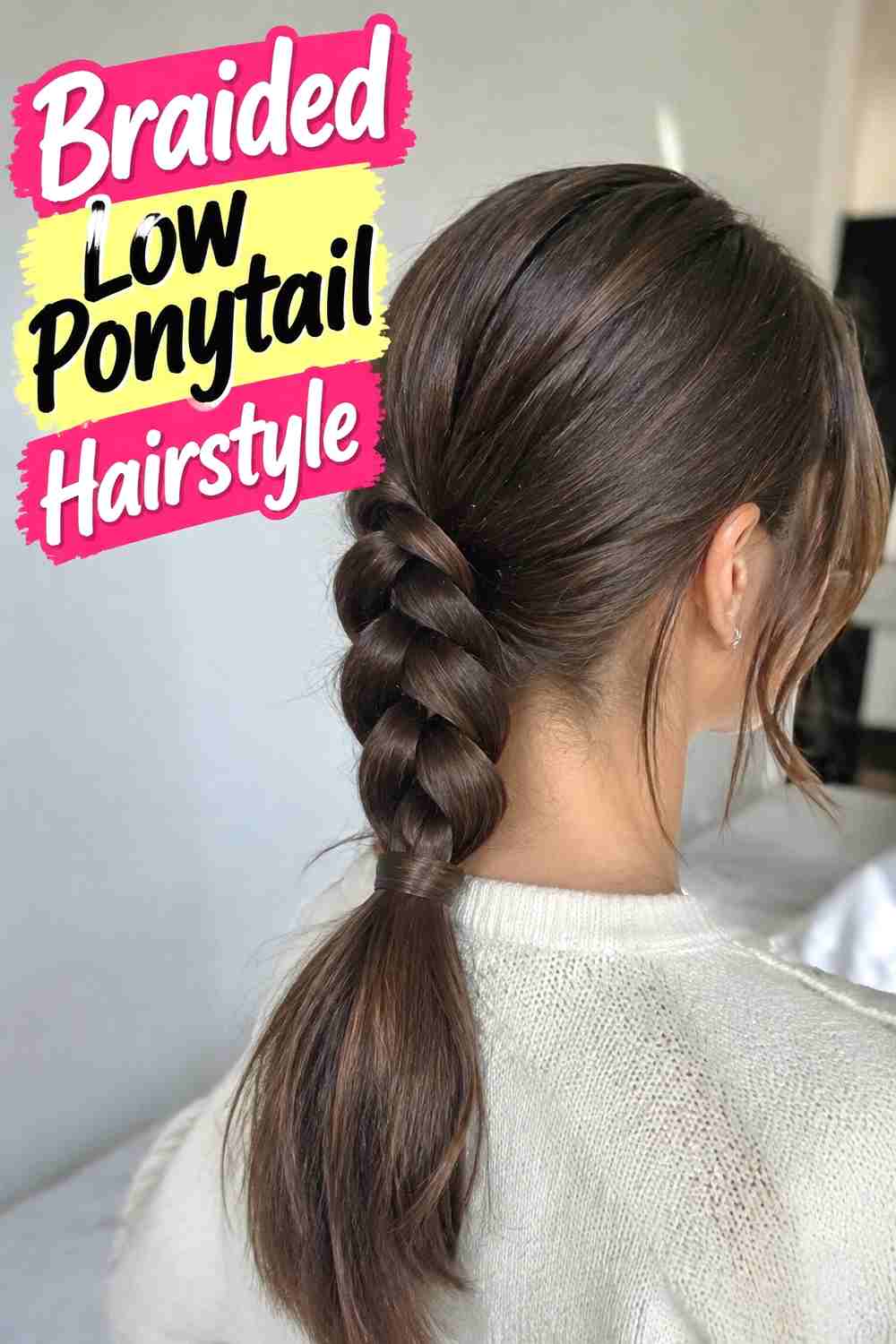
A braided low ponytail combines a smooth ponytail base with one controlled braid through the entire length. Gather the hair at the nape, secure it, then create a classic three-strand braid from the ponytail and tie the end. This two-step structure can feel particularly secure on very long hair because the base stays organized even if the lower braid softens slightly during the day. Keep the ponytail positioned just above or below your scarf edge rather than directly against it. The braid can rest down the back or move over one shoulder depending on your outerwear. For a polished finish, wrap a small strand around the base elastic before beginning the braid.
Wear & Maintenance
Keep the braid outside the scarf after dressing. Repeatedly trapping and pulling it free can roughen the surface and disturb shorter layers around the ponytail base.
Hair Type & Length
This works best on long hair with enough length for a visible braid below the elastic. Dense hair creates a fuller shape, while fine hair produces a slim, understated version.
13. Scarf Clear Top Knot Hairstyle
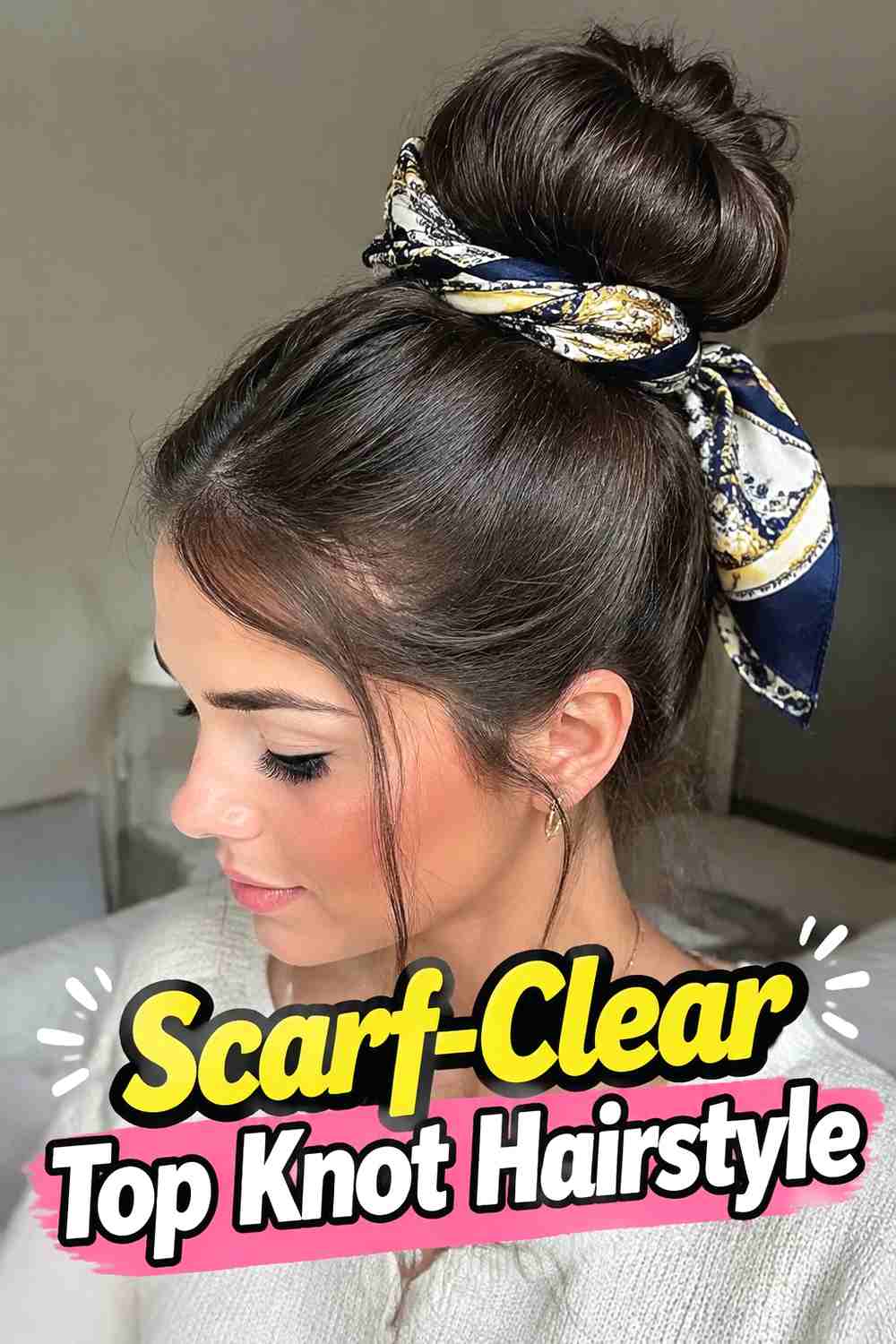
A scarf-clear top knot removes long hair entirely from the neckline, making it one of the most practical options for oversized wool scarves and high winter collars. Gather the hair near the crown, form a ponytail, twist or loosely wrap the lengths around the base, and secure the bun with pins or a suitable elastic. The goal is a stable shape that sits high enough to avoid the scarf without becoming uncomfortably tight. On very long hair, wrap the length in layers rather than forcing it into one dense coil. A few soft pieces around the face can keep the look relaxed, while a smoother hairline creates a more polished finish for work or evening wear.
Best For
Choose this style when you want complete separation between your hair and scarf, particularly on windy days or when wearing a bulky coat with a tall collar.
Wear & Maintenance
Check how the bun interacts with your hood before leaving. A slightly forward or higher placement may be more comfortable than a knot sitting directly where the hood naturally folds.
14. Center Part Tucked Back Hairstyle
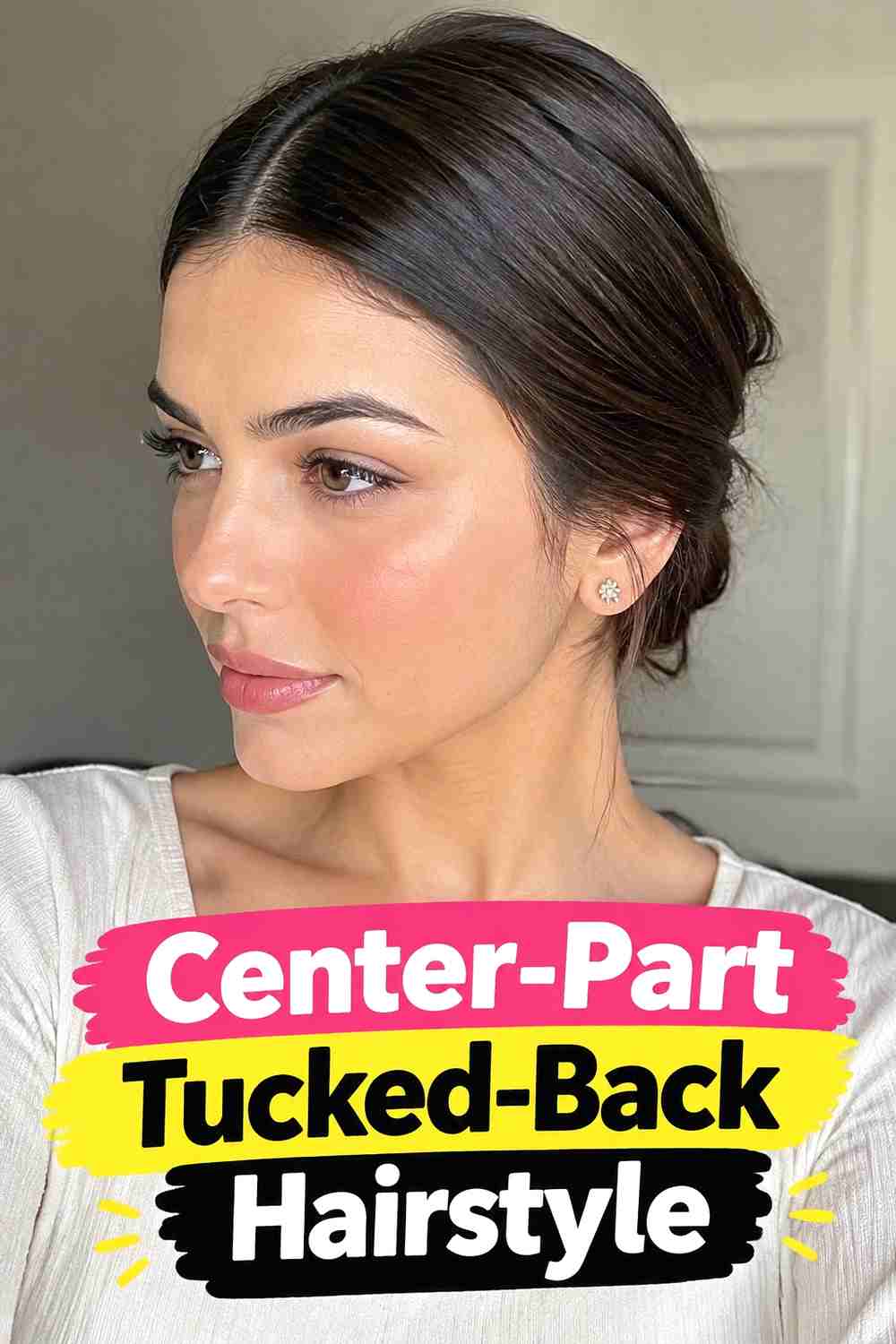
A center-part tucked-back style lets long hair stay loose while controlling the sections that most often shift forward into a scarf. Create a clean center part, smooth the front panels behind both ears, and secure them discreetly if your hair tends to slip. The remaining length can fall down the back or be moved forward once the scarf is wrapped. This look works especially well on straight and softly wavy hair because the clean front creates contrast with the flowing lengths. Use minimal product at the roots so the center part stays light, then apply a small amount of smoothing serum through the lower hair. Hidden pins can add security without changing the simple silhouette.
Styling Notes
If the tuck repeatedly falls forward, cross two small pins behind each ear or secure the side sections farther back beneath the top layer of hair.
Why It Works
The style reduces movement around the cheeks and scarf opening while preserving the visual impact of long hair worn mostly down.
15. Low Braided Bun Hairstyle
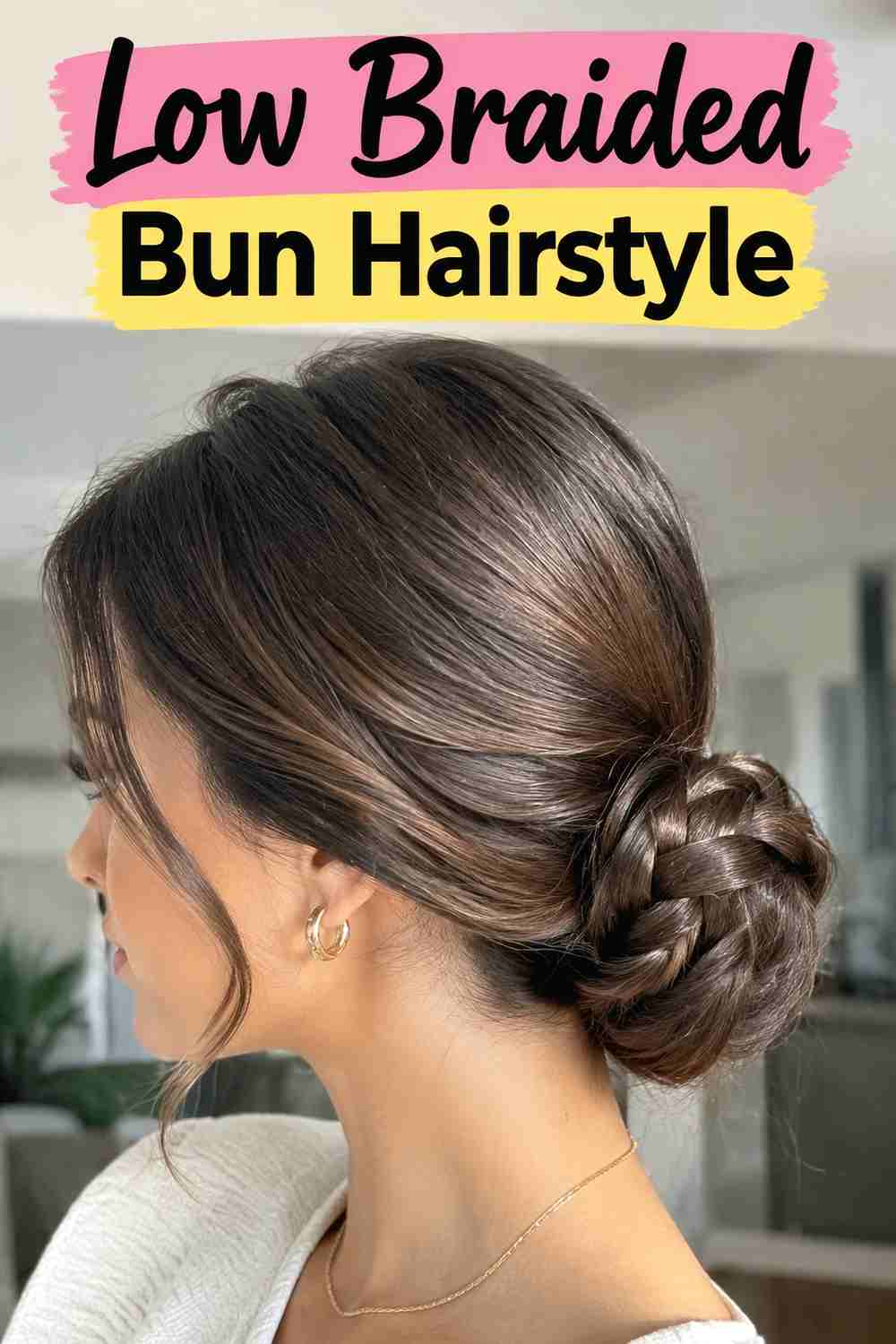
A low braided bun turns long hair into a compact woven shape that feels polished without needing an elaborate updo technique. Start with a low ponytail, braid the full length, then wrap the braid around its base and secure it with pins. Because the braid organizes the hair before it is coiled, the finished bun can feel easier to control than a loose twisted bun on very long or layered hair. Keep the shape close to the head and position it just above the scarf line so the wool does not continually push against it. A few strategically placed pins should support the bun evenly, while light smoothing product can keep shorter strands integrated.
Wear & Maintenance
Test the bun with your actual scarf before finishing. If the scarf touches the lower edge, reposition the bun slightly higher rather than relying on extra pins to fight the fabric.
Pro Tip
Distribute the braid around the base instead of stacking all the length in one spot. This creates a flatter, more balanced bun that can be easier to wear with winter outerwear.
How to Choose the Right Look
Begin with the amount of contact your hair usually has with your scarf. If your longest sections constantly sit between wool and a coat, a top knot, braided bun, side braid, or forward ponytail can move most of the length away from that area. If you prefer wearing your hair down, a half-up clip, twist, or tucked-back style controls only the sections that tend to shift forward.
Hair density also changes what feels comfortable. Thick, long hair may benefit from double braids or distributed buns that spread the weight, while fine hair often needs smaller elastics and lighter clips. Texture matters too: smooth hair may require more secure accessories, whereas textured hair can naturally provide additional grip.
Think about scarf height before choosing placement. Tall wraps and oversized scarves leave less room at the nape, making high ponytails, top knots, and side-set styles especially practical. Lower scarves allow more flexibility for low ponytails and braids.
Finally, keep the finish realistic. Moderate tension, smooth accessories, light styling products, and thoughtful placement are usually more useful than forcing every strand into an extremely tight or rigid shape.
Final Thoughts
Long hair does not have to compete with a wool scarf. The easiest approach is to notice where your hair repeatedly meets the fabric, then choose a hairstyle that moves, gathers, or secures that section in a comfortable way.
Braids and buns provide more containment, ponytails make long lengths easier to reposition, and half-up styles preserve softness while controlling the upper layers. The best choice is the one that suits your actual density, texture, scarf height, styling time, and preferred finish while keeping the result believable and wearable.
FAQs
1. What long hairstyle works best with a thick wool scarf?
High ponytails, top knots, side braids, and buns positioned above the scarf edge are especially practical because they reduce the amount of loose hair sitting between the scarf and coat.
2. Is it better to wear long hair inside or outside a wool scarf?
Keeping most of the length outside the scarf is often easier if you want to preserve the hairstyle. Hair trapped underneath can become compressed, tangled, or displaced as the scarf moves.
3. What is the easiest friction-smart hairstyle for very long hair?
A low side ponytail or basic side braid is quick, easy to reposition, and keeps much of the length away from the center back without requiring complicated styling.
4. Can I still wear long hair down with a wool scarf?
Yes. Half-up clips, twists, and tucked-back front sections can reduce movement around the scarf while allowing most of the length to remain loose.
5. Which accessories work well for long hair on scarf days?
Smooth elastics, appropriately sized claw clips, lightweight barrettes, and secure bobby pins are practical choices. Select accessories that match your hair density and avoid anything that catches easily on the hair or scarf.
CTA
Save your favorite friction-smart hairstyle and share these long-hair ideas whenever wool-scarf season calls for a neater winter routine.