13 Winter-Commute Braids That Stay Neat Under Scarves
These winter-commute braids keep hair controlled around bulky scarves while still looking polished, practical, and intentionally styled from platform to office.
Cold-weather commuting creates a particular styling challenge: scarves, coat collars, hoods, and wind can all disturb loose hair before you reach your destination. Braids help by organizing the lengths into a more compact shape, reducing the number of loose strands rubbing against textured winter layers.
The best option depends on where your scarf sits, how much bulk you tolerate at the nape, and whether you want the braid fully contained or partly visible. These ideas range from slim low braids to crown details and compact buns, giving different hair lengths and densities practical choices.
Quick List
- Low Three Strand Braid Hairstyle
- Single Dutch Braid Hairstyle
- Side Rope Braid Hairstyle
- Double Low Braids Hairstyle
- Half Up Crown Braid Hairstyle
- Low Fishtail Braid Hairstyle
- French Braid Into Low Ponytail Hairstyle
- Side Dutch Braid Hairstyle
- Double Dutch Braids Hairstyle
- Braided Headband Hairstyle
- Loose Low Pull Through Braid Hairstyle
- Mini Accent Braids Hairstyle
- Low Braided Bun Hairstyle
1. Low Three Strand Braid Hairstyle
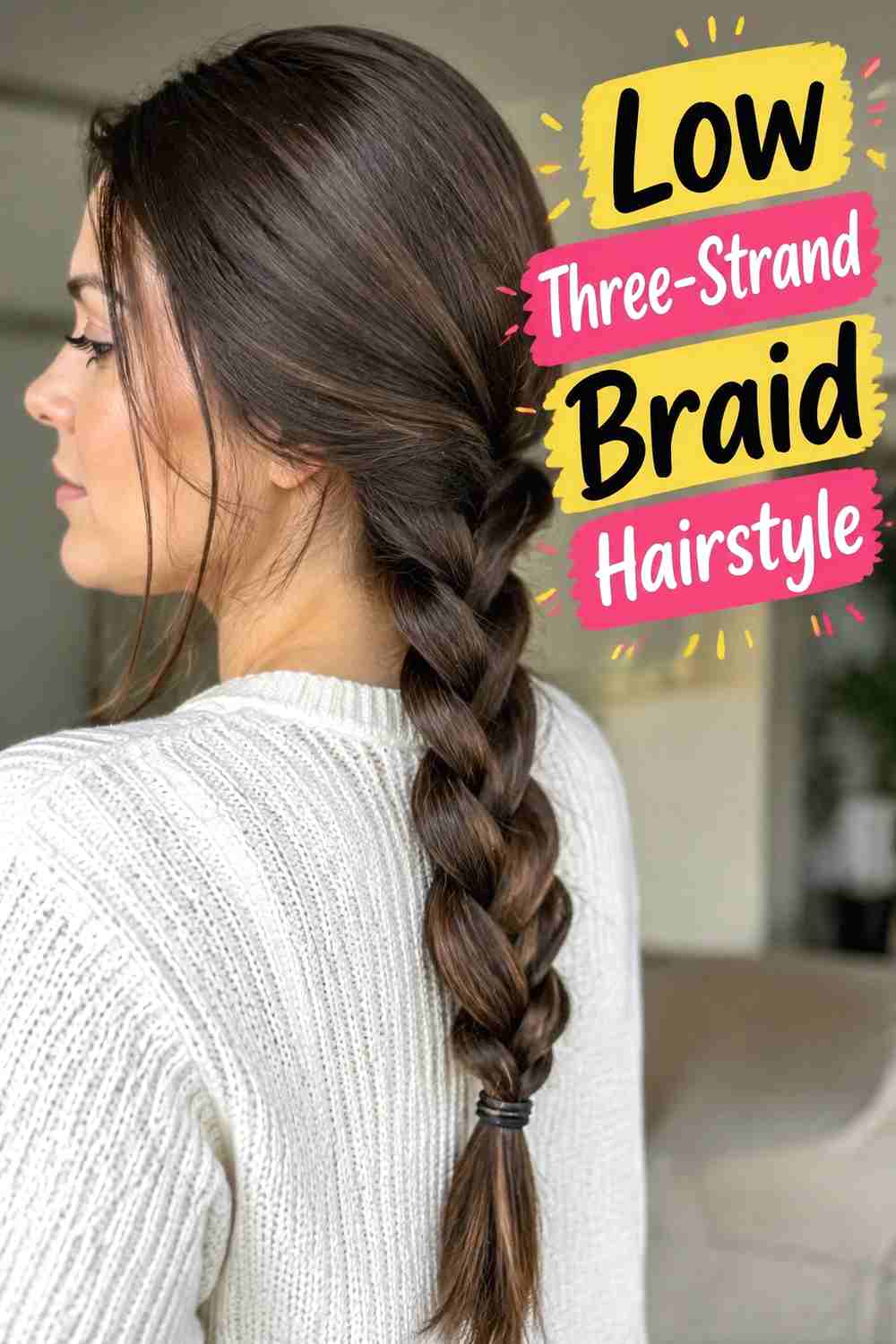
A low three-strand braid is simple, compact, and particularly practical when a winter scarf already adds volume around the neck. Start the braid below the nape so the upper section of hair remains smooth, then keep the plait moderately firm instead of pulling every crossover extremely tight. The finished braid can hang outside the scarf or rest neatly down the back of a coat. This works especially well for medium to long hair and can handle fine through dense textures with only minor adjustments. A small amount of lightweight leave-in product through the lengths adds slip before braiding, while a narrow snag-free elastic keeps the end tidy without creating unnecessary bulk.
Styling Notes
Brush the lengths before braiding and keep each of the three sections evenly sized. Consistent tension gives the braid a cleaner silhouette and helps prevent individual pieces from slipping out during the commute.
Wear & Maintenance
Lift the completed braid out of the way while wrapping your scarf. Once the scarf is secure, position the braid where it will experience the least rubbing rather than repeatedly tucking and pulling it free.
2. Single Dutch Braid Hairstyle
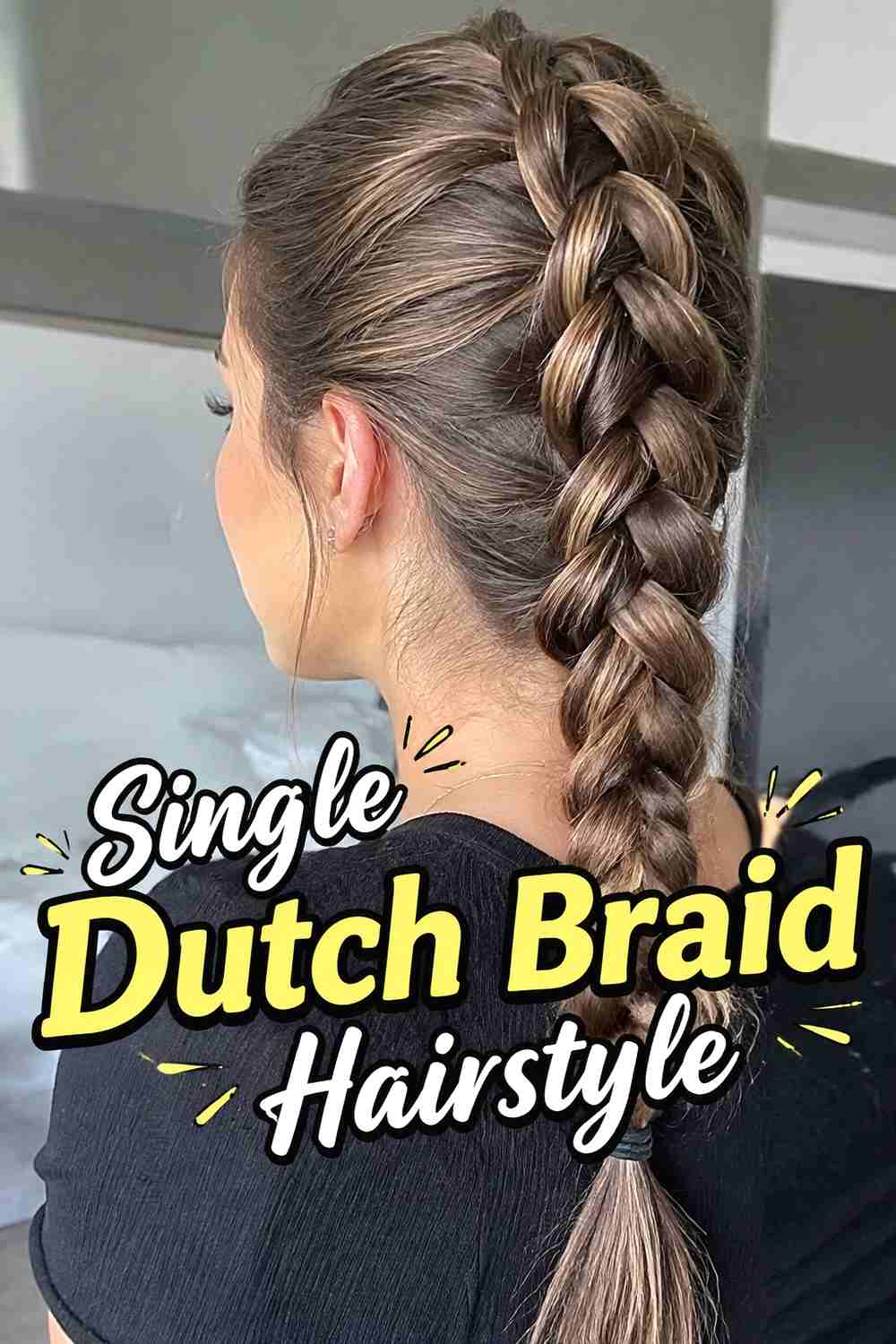
A single Dutch braid keeps hair closely organized from the crown through the ends, making it useful for windy platforms, long walks, and scarf-heavy outfits. Because the braid is built by crossing sections underneath rather than over one another, it forms a defined raised pattern down the back of the head. Keep the crown relatively smooth and avoid dramatically pancaking the braid if neatness is your priority; an oversized loosened braid can catch more easily on hoods and coat collars. Medium to long hair gives the cleanest result, although layered hair may need a few discreet pins. A touch of styling cream can help shorter pieces stay incorporated without turning the braid stiff or overly glossy.
Best For
This style is a strong choice for active commutes because most of the hair is integrated into one continuous structure rather than hanging loose around the face and shoulders.
Pro Tip
Finish the braid several inches beyond the nape before securing it. That keeps the transition area firm and reduces the chance of the lower sections loosening where a scarf repeatedly touches the hair.
3. Side Rope Braid Hairstyle
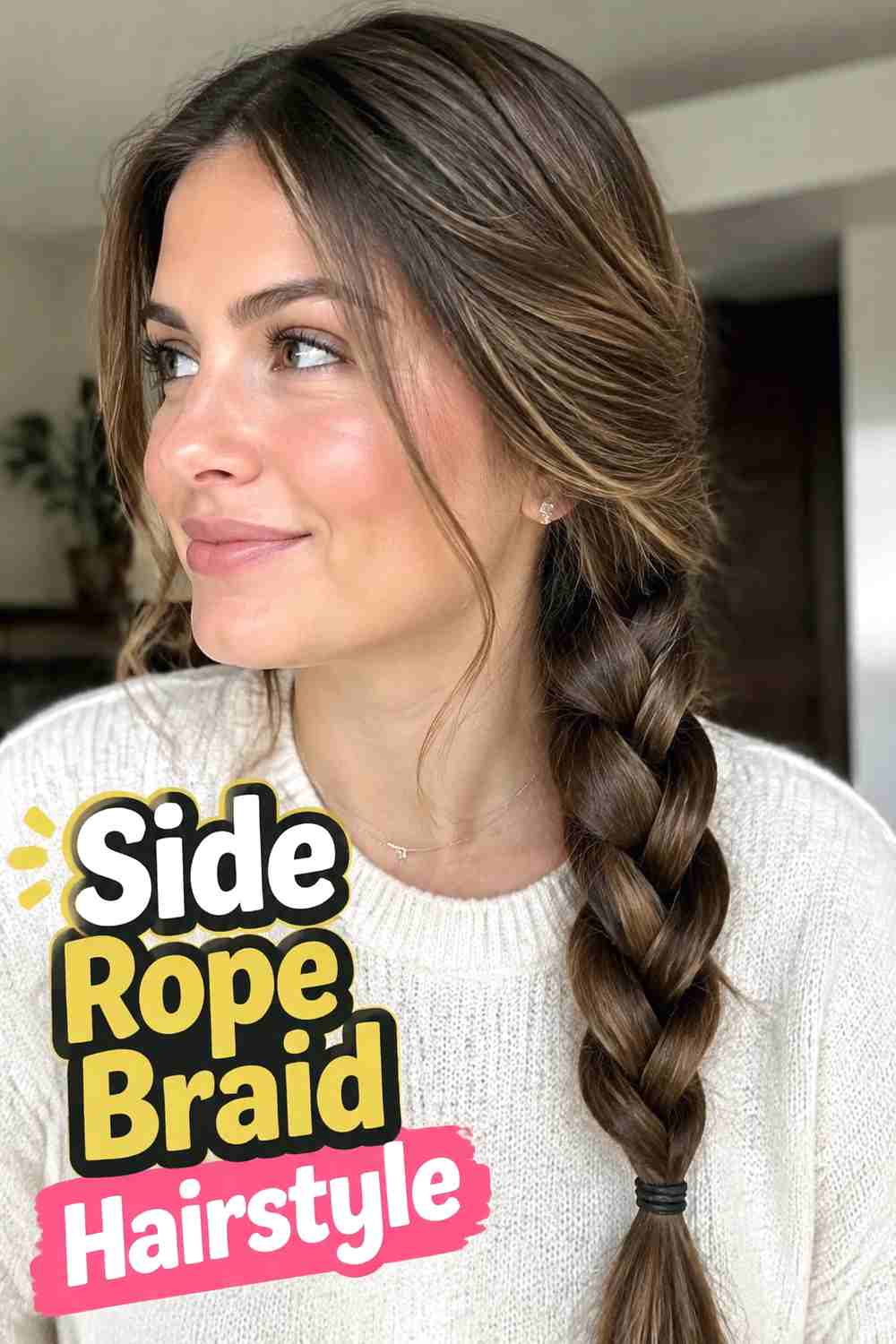
A side rope braid moves the bulk of long hair away from the back of the neck, which can make thick scarves and high coat collars more comfortable. Gather the hair over one shoulder, divide it into two sections, twist both sections in the same direction, then wrap them around one another in the opposite direction. The result is a clean spiral that feels softer than a traditional three-strand braid but still keeps the lengths controlled. It works especially well on medium-density or thick hair because the twisted structure remains visible. Keep the braid smooth rather than heavily loosened, and finish with a small elastic that blends into the hair for an understated commuter-friendly look.
Styling Notes
Begin the rope braid slightly below the ear instead of directly against the scalp. This leaves enough flexibility around the neck for comfortable head movement while wearing a scarf.
Hair Type & Length
Long hair shows the spiral most clearly, although medium-length hair can create a shorter version. Very layered cuts may need light styling cream to prevent shorter ends from escaping the twist.
4. Double Low Braids Hairstyle
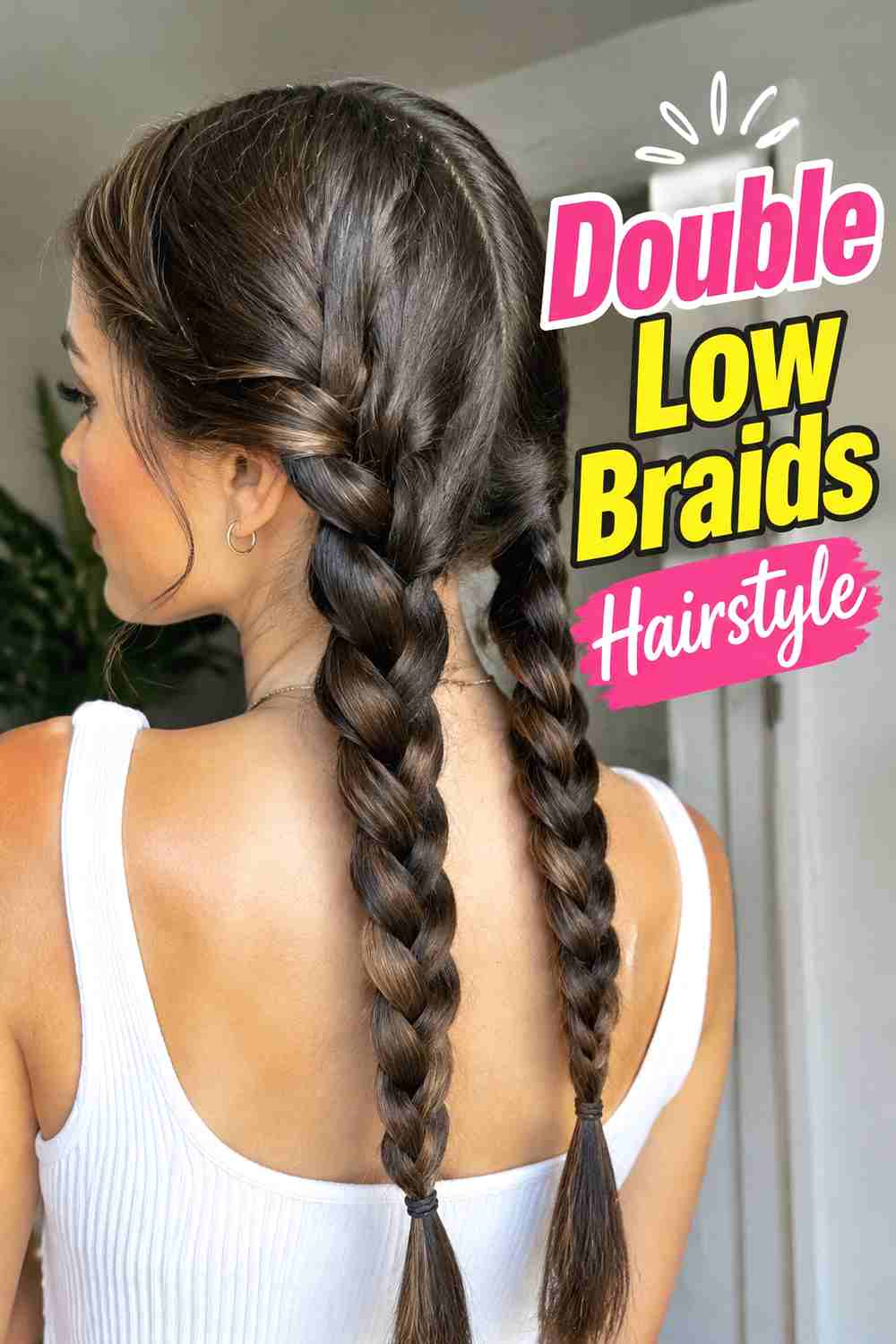
Double low braids divide the hair into two slim sections, reducing the thickness of any single braid sitting near a scarf or coat collar. A centered part gives the style a clean, balanced appearance, while each braid begins low behind the ears and falls toward the front or shoulders. This layout can be particularly comfortable for dense or long hair because the weight is distributed evenly rather than concentrated into one heavy braid. Keep the roots smooth but not tightly pulled, especially around the temples. Straight, wavy, and loosely curly textures can all wear the style, although the finished braid definition will vary. Small fabric-covered elastics help keep the ends secure without adding bulky accessories.
Why It Works
Two narrow braids can be easier to position around a scarf than one thick braid. They can also be brought forward over the shoulders, keeping them away from friction across the back of a coat.
Wear & Maintenance
Check that the scarf edge sits beneath the braid bases rather than directly against them. A little separation helps preserve the neat parting and prevents the braids from being pushed upward.
5. Half Up Crown Braid Hairstyle
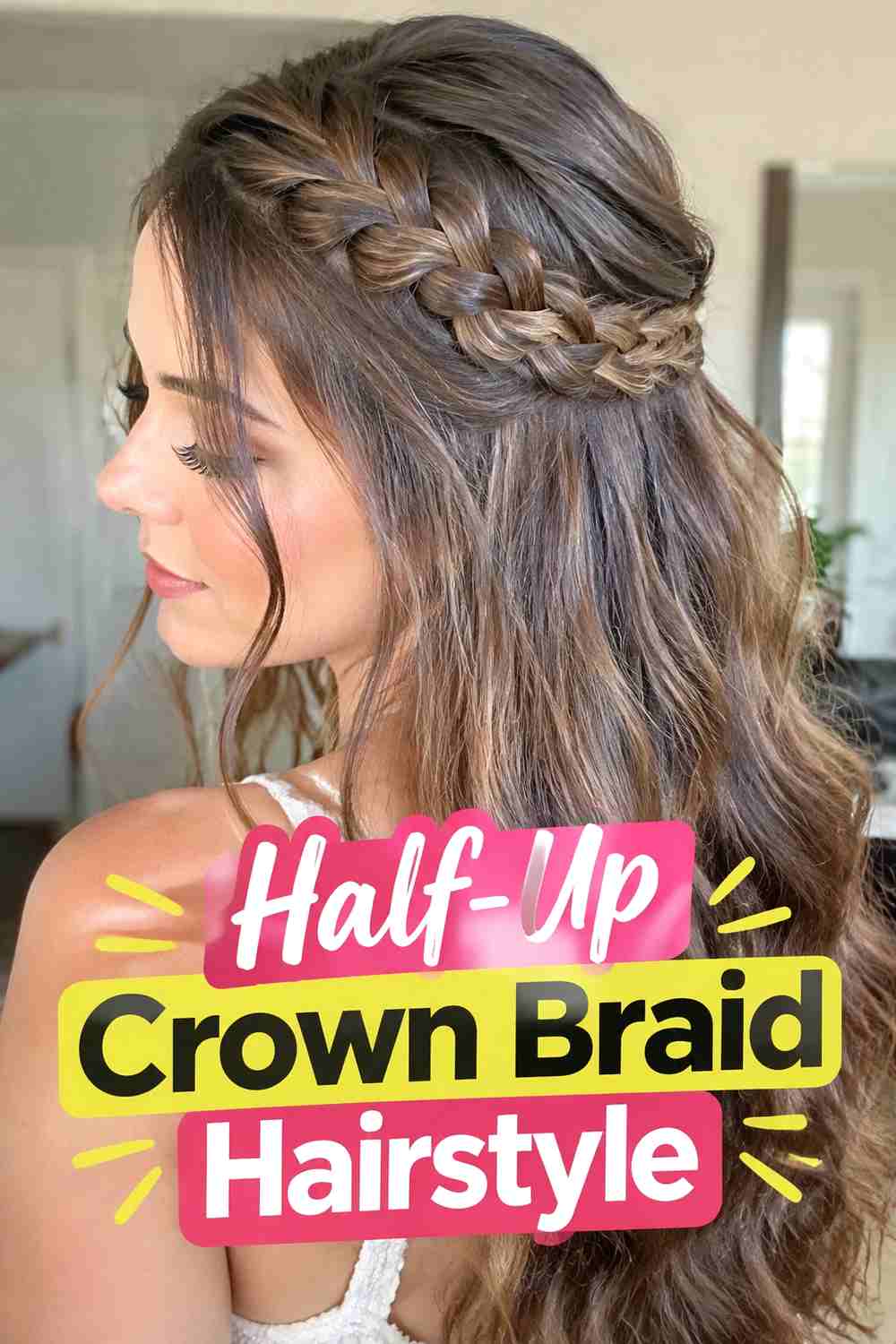
A half-up crown braid keeps the front and side sections secured while allowing the lower lengths to remain loose. Two small braids can be created near the temples, brought toward the back of the head, and pinned together above the scarf line. This creates a soft crown effect without placing a large accessory at the nape. It is a useful option when you want a romantic winter look but do not want every strand contained. The loose hair can stay straight, softly waved, or naturally textured. Keep the braids compact and secure the crossing point with hidden pins. For commuting, avoid over-loosening the woven sections, since a tighter structure is less likely to become fuzzy under a hood.
Best For
This style suits shoulder-length and longer hair when you want facial framing kept under control but still prefer the visual softness of wearing most of your hair down.
Pro Tip
Place the pinned section high enough that your scarf does not push against it. Test the hairstyle with your coat and scarf before leaving so the braid remains comfortable from every angle.
6. Low Fishtail Braid Hairstyle
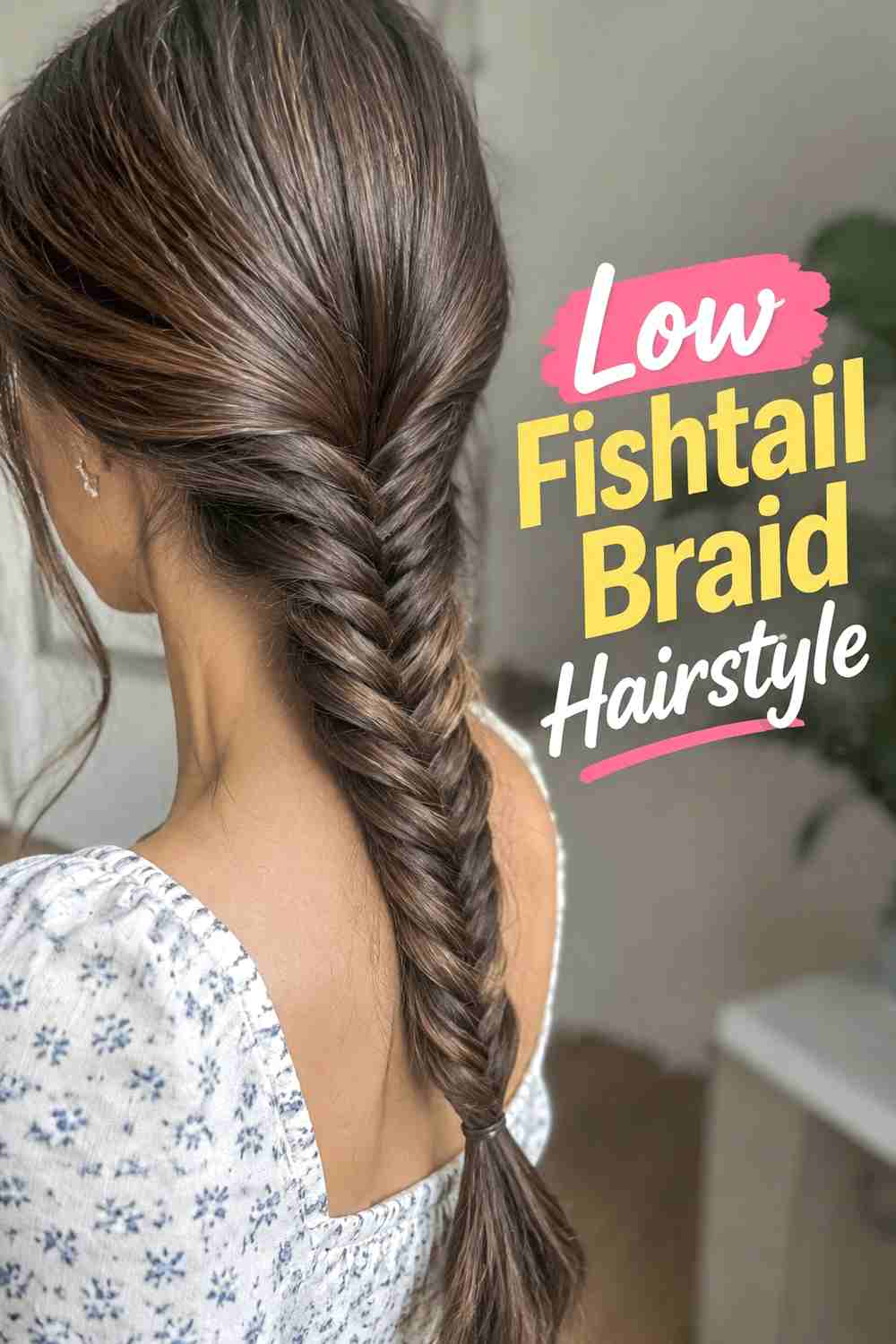
A low fishtail braid gives winter hair a detailed woven finish while still keeping the lengths gathered into one manageable section. Start with a low ponytail or gather the hair directly at the nape, then alternate small outer pieces from one side to the other. Using slightly larger sections creates a quicker, sturdier commuter version than an extremely fine fishtail. The style works best on medium to long hair with enough length for the woven pattern to develop. Keep the braid relatively narrow rather than pulling it dramatically apart. A lightly textured finish can look intentional, but excessive loosening makes shorter layers more likely to escape when they brush against scarves and outerwear.
Styling Notes
For easier morning styling, secure a temporary elastic at the nape before beginning the fishtail. Remove or conceal it after the braid is complete if you prefer a cleaner transition.
Wear & Maintenance
Fishtails can soften naturally during the day, so start slightly firmer than your final preferred look. Carrying one spare elastic is useful if the original tie shifts during a long commute.
7. French Braid Into Low Ponytail Hairstyle
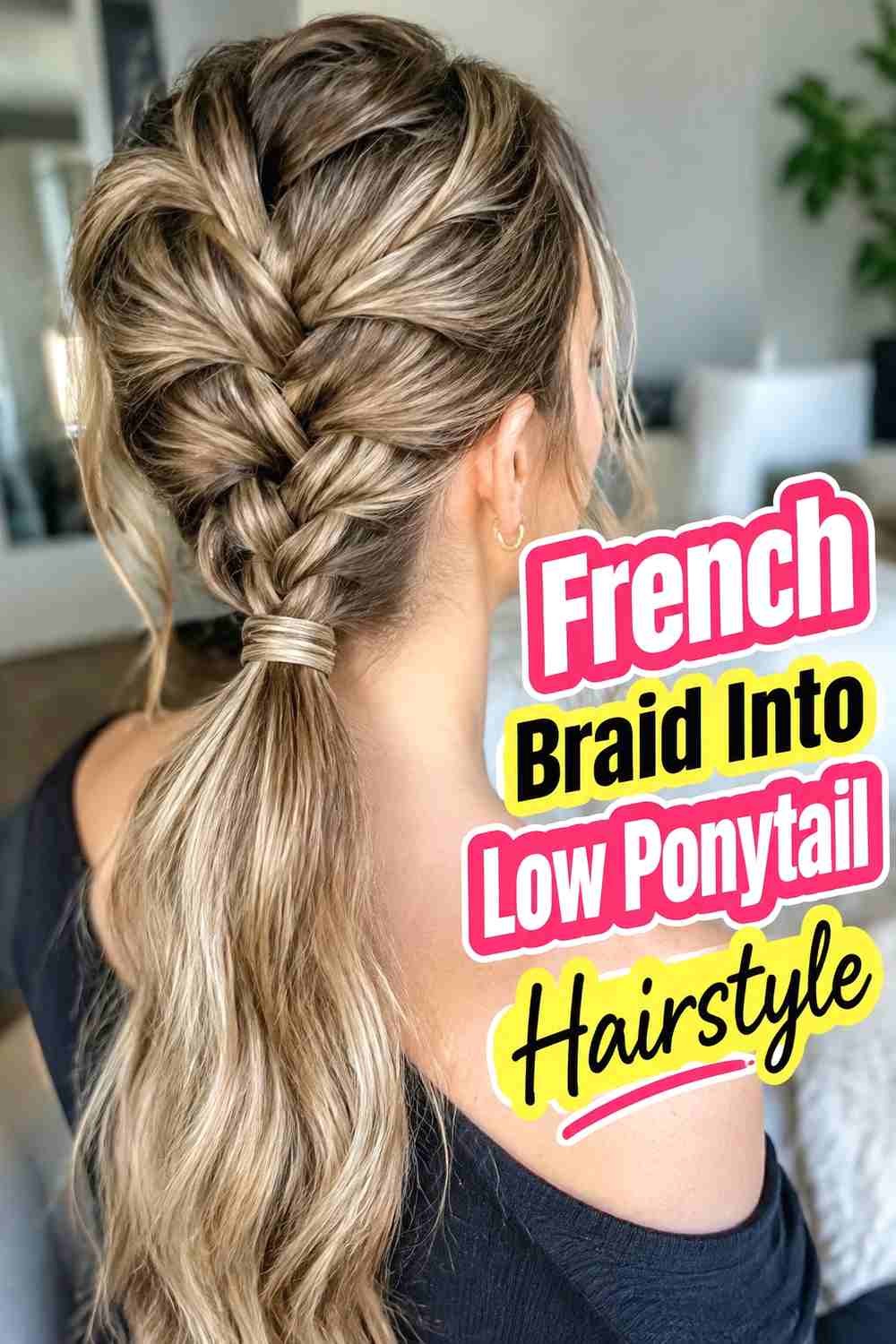
This hybrid style combines the control of a French braid through the crown with the simplicity of a low ponytail beneath it. Begin incorporating sections near the top of the head, continue the braid to the nape, and secure everything into one smooth tail rather than braiding the full length. That makes the style faster than a complete French braid while still controlling layers around the crown and sides. Medium to long hair works best, and the ponytail can remain naturally straight, lightly waved, or softly textured. Keep the elastic positioned just above the thickest part of your scarf so it is not constantly pushed against the neck during travel.
Why It Works
The braided upper section prevents face-framing layers from falling forward, while the free ponytail keeps the overall style flexible and easy to reposition around winter clothing.
Styling Notes
Keep the French-braided section moderately snug until it reaches the nape. If you want softness, loosen only a few small areas near the crown rather than pulling apart the entire braid.
8. Side Dutch Braid Hairstyle
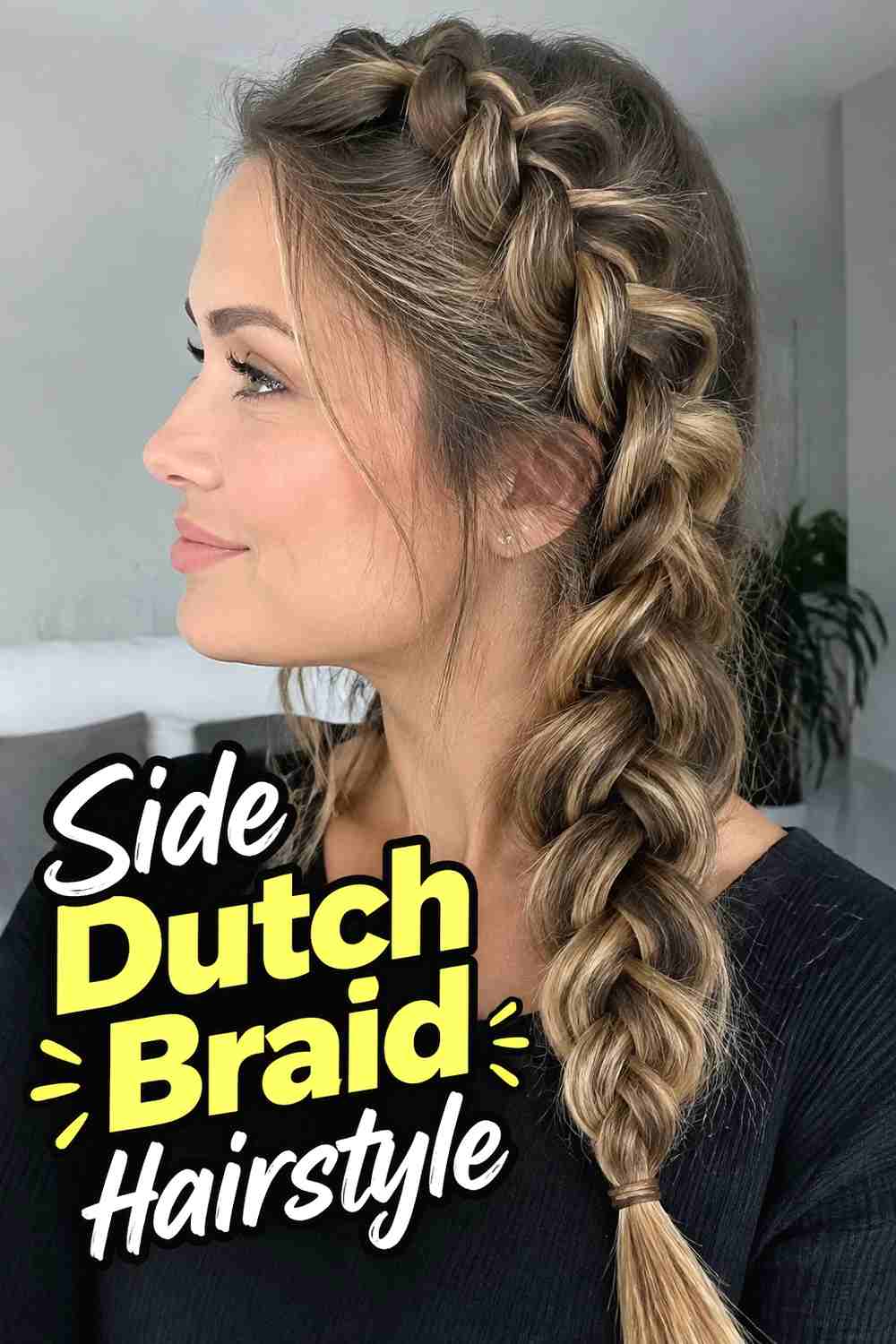
A side Dutch braid creates a defined woven line that moves from the front or temple area toward one shoulder. This placement is useful when you prefer keeping the back of the neck relatively clear for a scarf, hood, or tall coat collar. Begin near the hairline and add sections gradually as the braid travels diagonally, then continue through the lengths once all the hair has been incorporated. The finished braid can rest over the front of your coat where it is easy to monitor and adjust. This style suits medium to long hair and shows especially well on dimensional hair colors. Keep the outer loops controlled instead of pulling them excessively wide for a neater commuting finish.
Best For
Choose this braid when a straight-back style feels uncomfortable beneath a hood or when you want the braid itself to remain visible after putting on your coat and scarf.
Pro Tip
Direct the braid toward the shoulder you naturally carry fewer bags on. This can reduce unnecessary contact between the braid, backpack straps, purse straps, and winter layers.
9. Double Dutch Braids Hairstyle
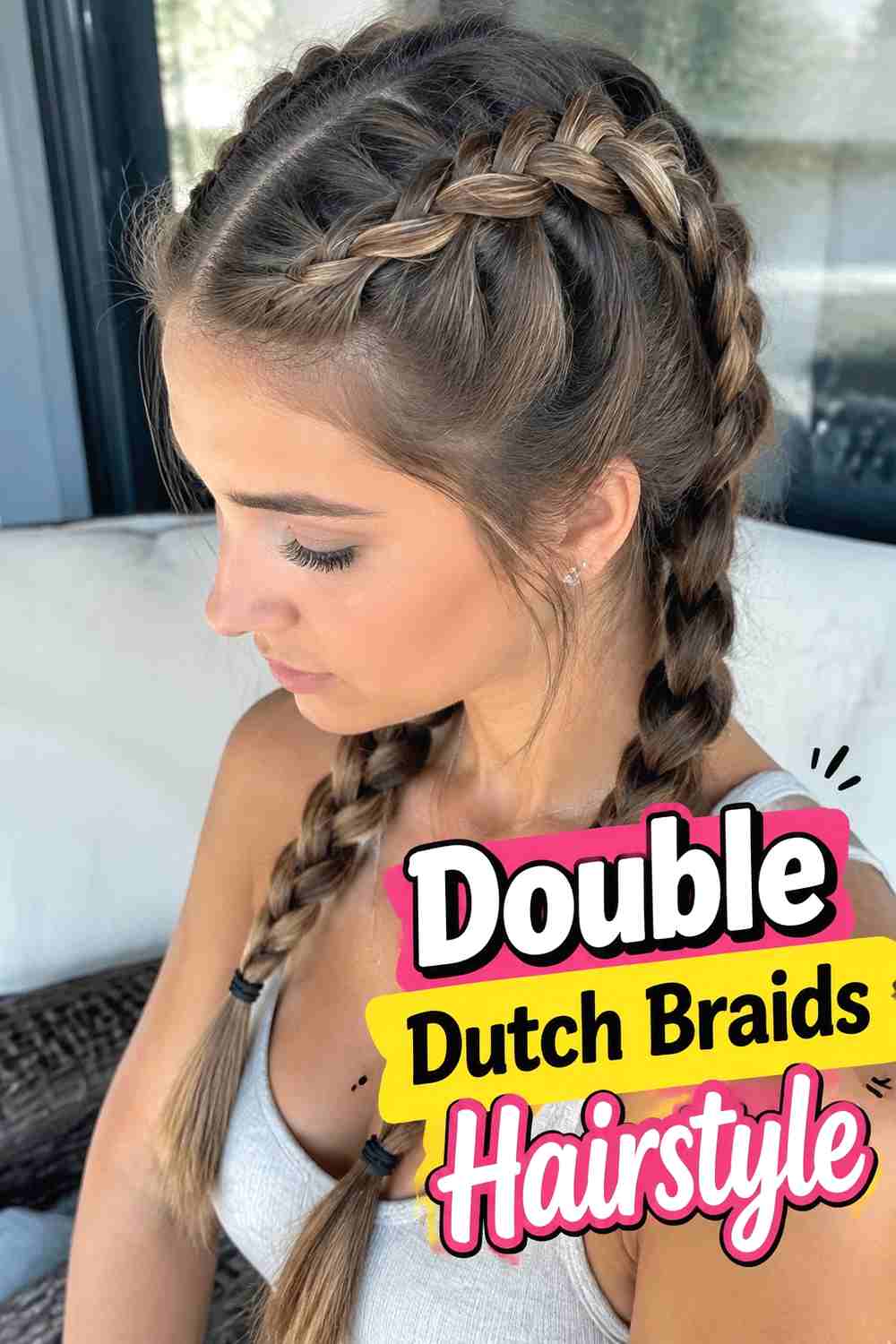
Double Dutch braids provide secure control from the hairline to the ends, making them one of the more dependable options for windy or active winter commutes. Create a clean center part, clip one side away, and braid each section close to the scalp by crossing pieces underneath. The finished braids can hang behind the shoulders or be brought forward after your scarf is wrapped. Because the style divides the hair evenly, it can feel more balanced than one thick central braid on dense hair. Keep the braid bases comfortably firm rather than painfully tight. A small amount of smoothing cream along the part and hairline can help contain short pieces while preserving natural texture.
Wear & Maintenance
Wrap your scarf before deciding where the braid tails should sit. Bringing them forward often prevents them from becoming flattened between your back and a heavy coat.
Hair Type & Length
Medium and long hair provide enough length for secure braid tails. Layered hair can still work, but small flyaways may appear naturally as the day goes on.
10. Braided Headband Hairstyle
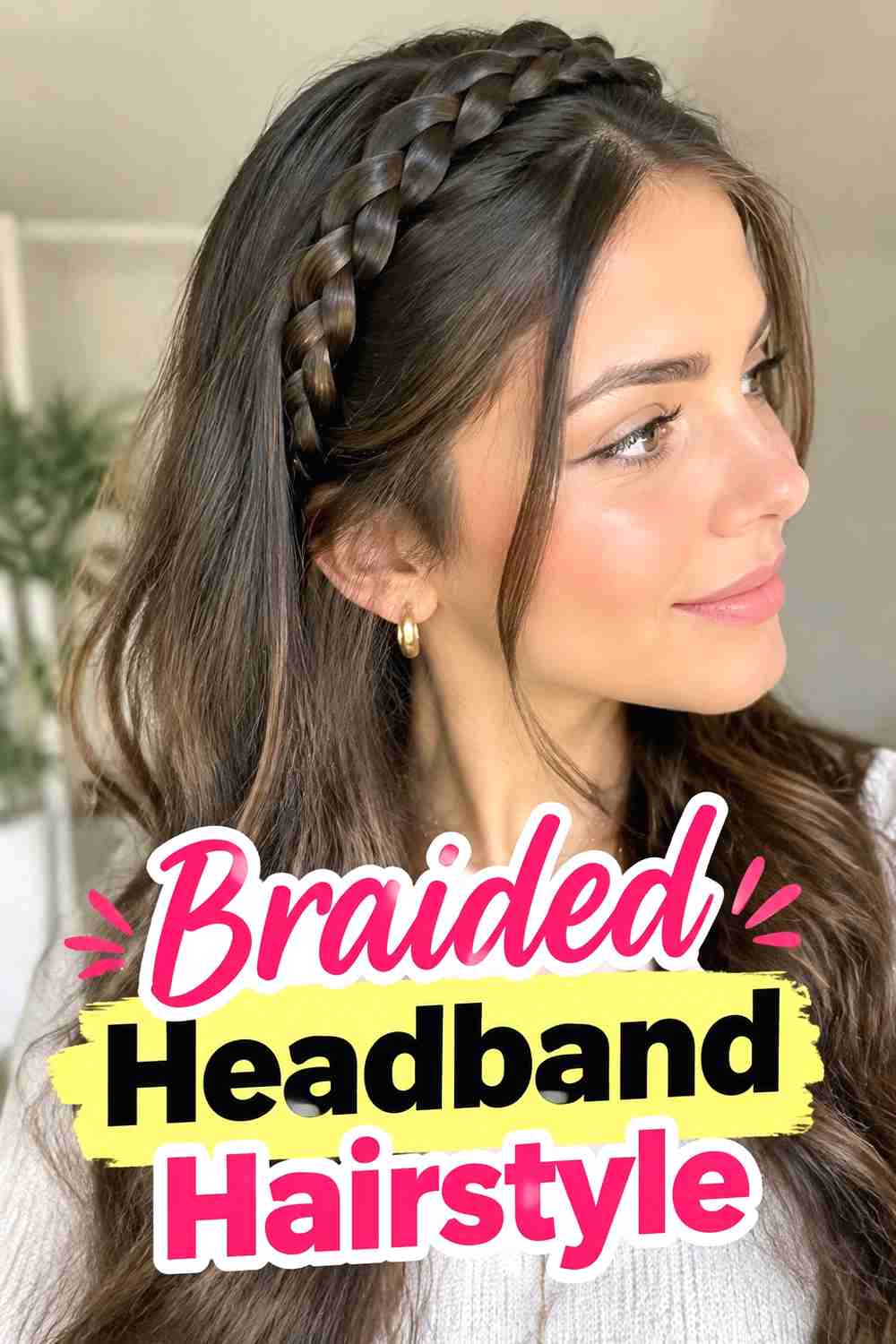
A braided headband keeps shorter front sections away from the face while placing the decorative detail well above the neckline. Create a narrow braid from hair near one ear, guide it across the top of the head, and secure it discreetly on the opposite side. The remaining hair can stay loose or be gathered into a low ponytail depending on how much control you need. Because the braid sits high, it avoids direct contact with most scarves and coat collars. This is especially practical for medium to long hair with enough length to cross the crown. Keep the braid relatively flat so it also fits comfortably beneath a loose winter hat or hood.
Why It Works
The braid controls face-framing pieces without creating extra bulk at the nape, leaving more space for thick scarves and structured coat collars.
Styling Notes
Anchor the hidden end with crossed bobby pins that match your hair color. If your hair is slippery, a small amount of texture spray on the braid section can improve grip before weaving.
11. Loose Low Pull Through Braid Hairstyle
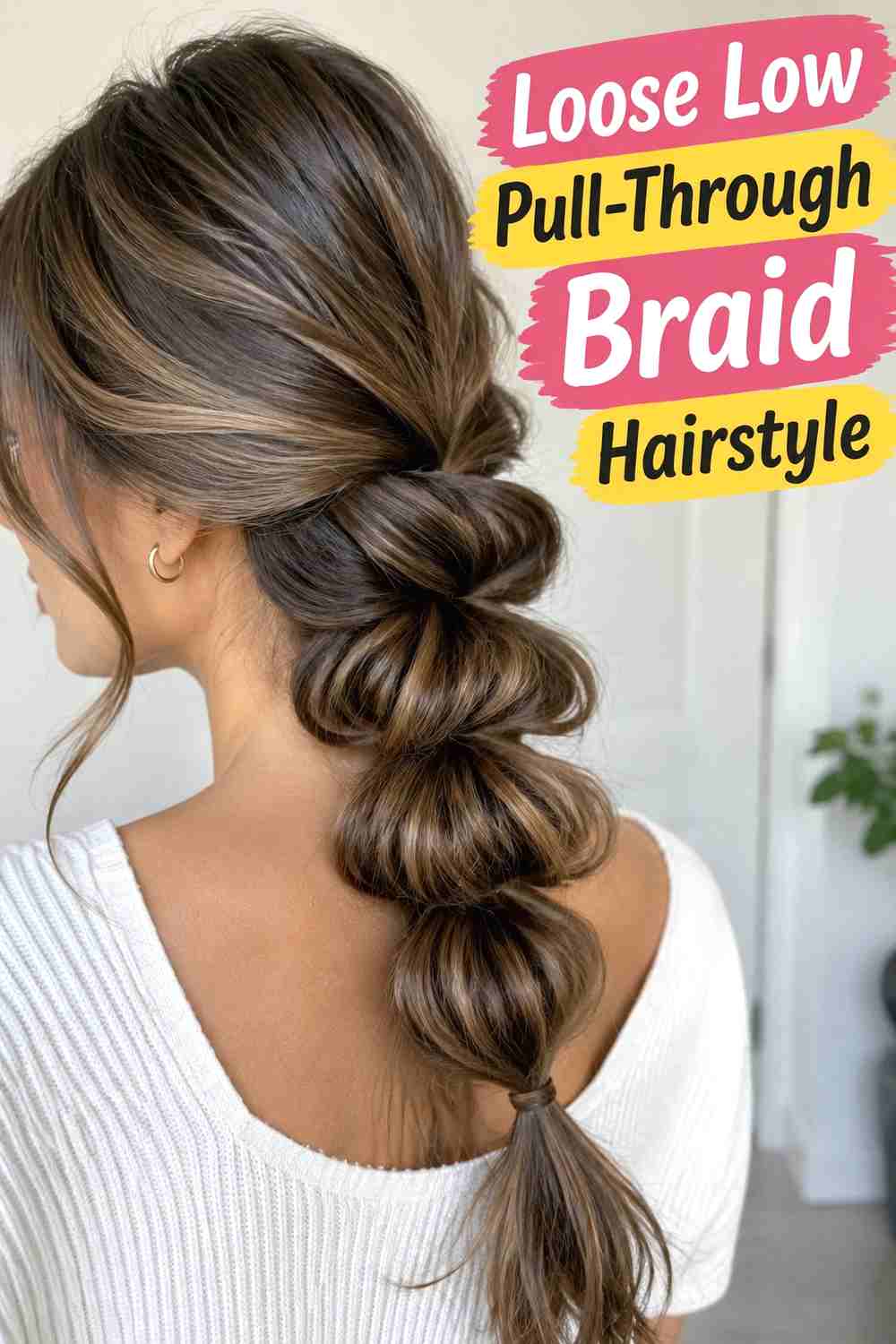
A pull-through braid creates the appearance of a full, dimensional braid using a series of ponytail sections rather than traditional weaving. For winter commuting, keep the shape lower and slightly more compact than the oversized versions often seen in formal styling. Starting at the nape keeps the crown smooth, while the segmented structure helps contain long or dense hair. This option can be especially useful for anyone who likes the look of a braid but finds traditional braiding difficult. Use small, snag-free elastics and expand each section only enough to reveal the pattern. Leaving the loops extremely loose may look dramatic initially, but a controlled shape is more practical around scarves, hoods, and coat collars.
Best For
Long, medium-to-thick hair usually creates the strongest silhouette because there is enough density for each section to appear distinct without excessive pulling.
Wear & Maintenance
Check that each elastic is secure before leaving. Since the style relies on several small ties, one loose section can affect the shape more noticeably than it would in a conventional braid.
12. Mini Accent Braids Hairstyle
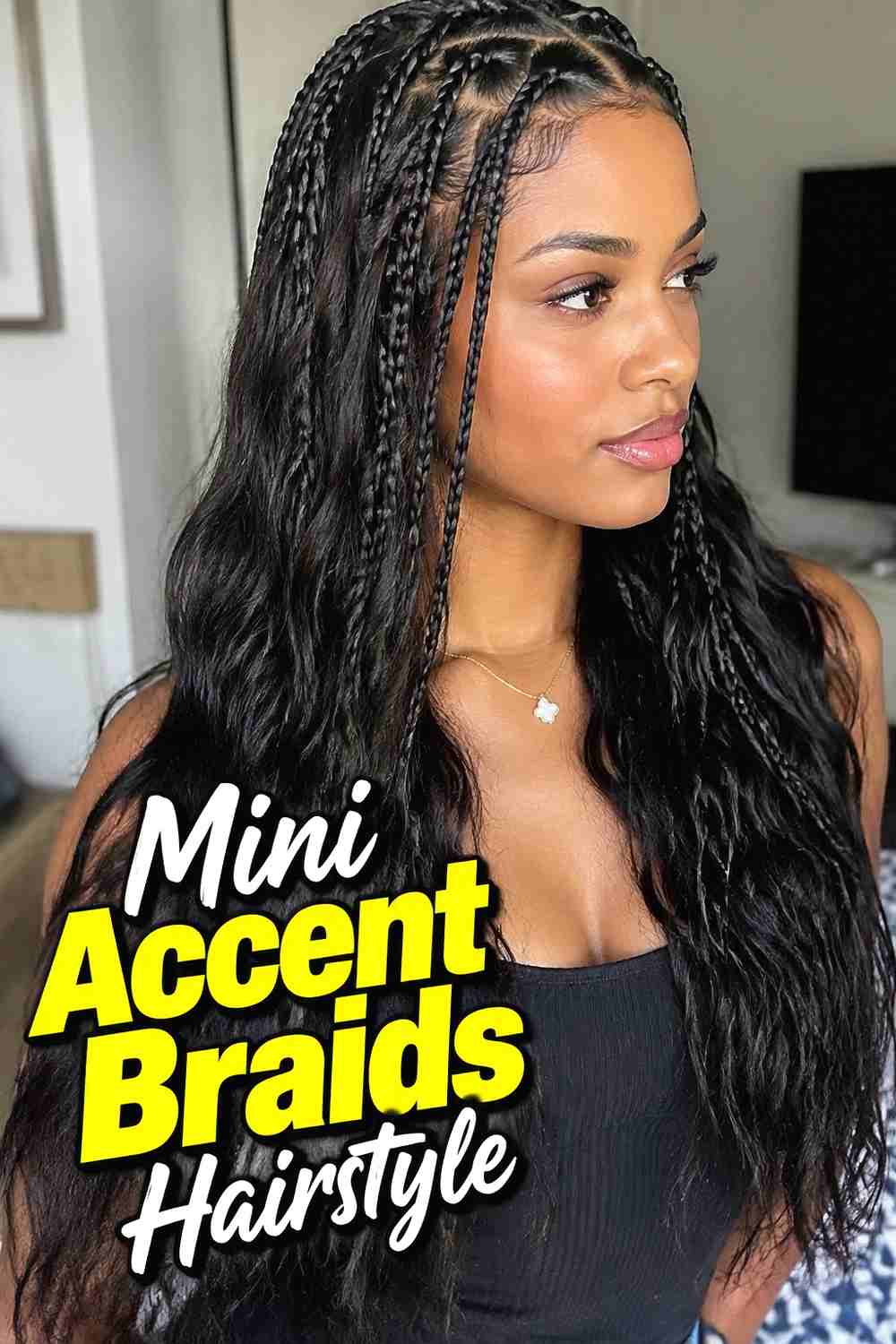
Mini accent braids are a low-commitment way to control selected sections of hair while keeping the overall style relaxed. Create one small braid on each side near the temples or choose two narrow front sections and secure them toward the back. The rest of the hair can remain straight, wavy, or naturally textured. This approach works particularly well when a scarf tends to disturb shorter face-framing pieces but you do not want a full braid. Keep each accent braid slim and smooth so it lies close to the head and fits comfortably beneath a hood. Tiny clear or hair-toned elastics maintain the delicate finish without adding distracting bulk near winter accessories.
Styling Notes
Choose sections that naturally fall forward when you move. Braiding those specific pieces gives the style a practical purpose rather than adding detail where it is not needed.
Best For
This is useful for shoulder-length and longer hair, especially on days when you want a quick style that still leaves most of your natural texture visible.
13. Low Braided Bun Hairstyle
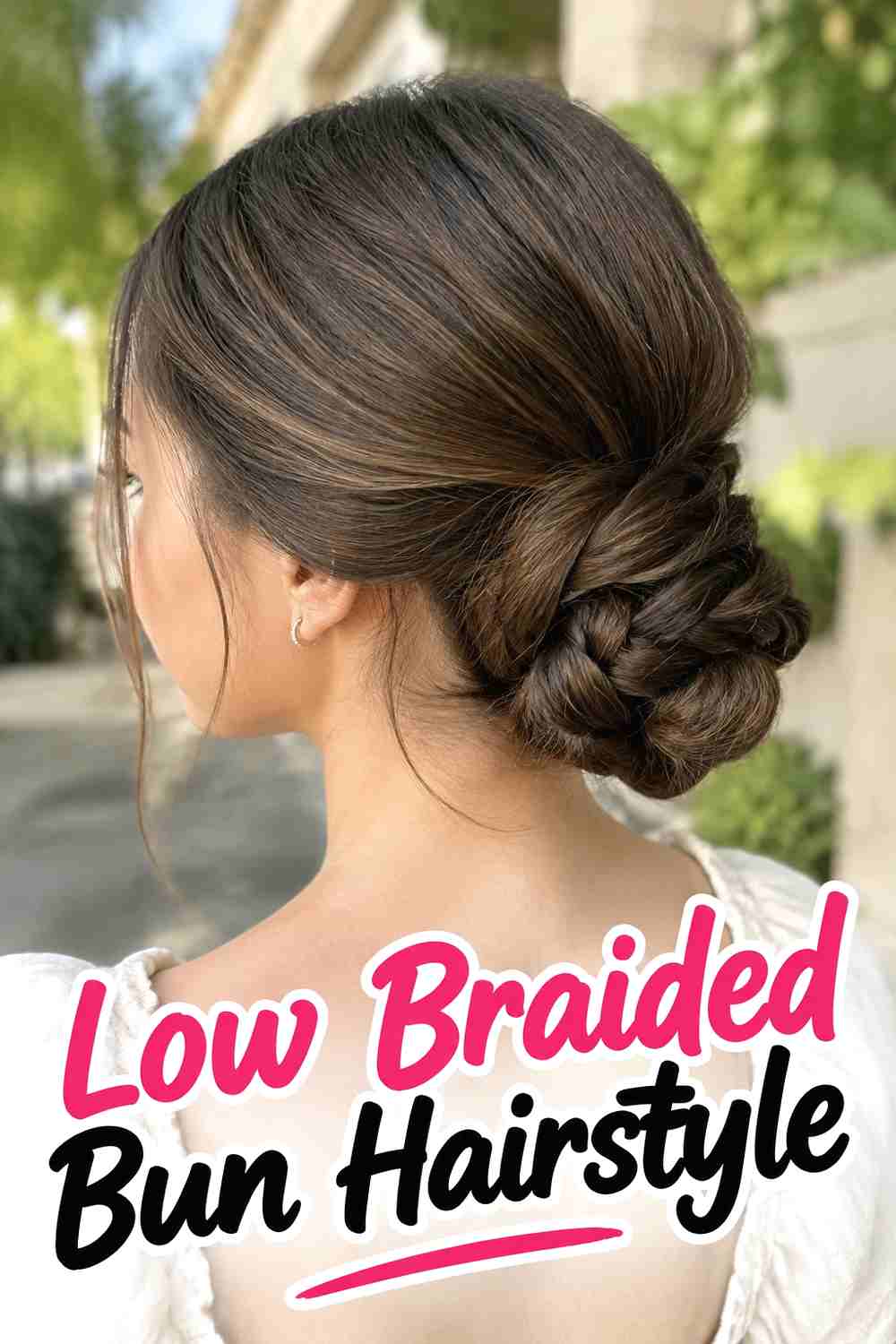
A low braided bun contains nearly all the hair in a compact shape, making it a polished option for winter commutes when loose lengths feel inconvenient. Start with a low ponytail, create a simple three-strand braid, then wrap the braid around its base and secure it with pins. The woven texture gives the bun more visual interest than a plain coil while keeping the ends protected inside the shape. Position it slightly above the point where your scarf naturally sits so the fabric does not push against the bun throughout the day. Medium to long hair works best, while dense hair may need several sturdy pins distributed evenly for comfortable support.
Wear & Maintenance
Put on your coat and test the scarf height before fixing the final pin placement. Moving the bun even an inch higher can make a noticeable difference in comfort.
Pro Tip
Avoid making the ponytail base excessively tight. A secure but comfortable foundation is easier to wear during a long commute and still gives the finished bun a clean shape.
How to Choose the Right Look
Start by considering how much hair you want touching your scarf. A low braided bun offers the most containment, while half-up crown braids and mini accent braids leave more of the lengths loose. If your commute involves strong wind, walking, or frequent hood use, Dutch and French braid styles generally provide more structure through the crown.
Hair length matters as well. Shoulder-length hair may be easiest in accent braids, a crown braid, or a short three-strand braid, while long hair gives you more room for fishtails, pull-through braids, and braided buns. Dense hair often benefits from two braids because the weight is divided, whereas fine hair may feel comfortable in one slim braid.
Also consider scarf height and placement. If the scarf reaches high on the neck, side braids and crown-based details help keep bulk away from the back. For lower scarves, a classic low braid or ponytail hybrid can work comfortably.
Finally, keep commuter styles secure without making them painfully tight. Moderate braid tension, small snag-free elastics, strategically placed pins, and light smoothing products can help preserve a neat finish while allowing natural movement.
Final Thoughts
The most useful winter braid is one that works with your scarf rather than competing with it. Compact low braids provide easy everyday control, side styles move bulk away from the neckline, and Dutch or French techniques help secure shorter layers before wind and winter clothing can disturb them.
Choose the placement that matches your hair length, density, commute, and outerwear, then keep the finish controlled enough to travel well without removing all softness and movement.
FAQs
1. What braid stays neatest during a winter commute?
A single Dutch braid or double Dutch braids are strong choices because they secure hair from the crown through the lengths. Keeping the braid moderately firm can help the structure last through wind and outerwear.
2. Should I put my braid inside or outside my scarf?
Outside is usually easier when you want to avoid flattening or repeatedly rubbing the braid. Side braids can also be brought forward over the shoulder once the scarf is wrapped.
3. Which braid creates the least bulk under a scarf?
A slim low three-strand braid is one of the least bulky options. If the nape feels crowded, a side rope braid or compact braided bun positioned slightly higher can be more comfortable.
4. Can layered hair stay neat in a braid during commuting?
Yes, although shorter pieces may need light styling cream, discreet pins, or a braid that begins closer to the scalp. Dutch and French braids are especially useful for incorporating layers gradually.
5. Is it better to braid hair tightly for winter weather?
The braid should be secure, but extreme tension is unnecessary. Even, moderate tension usually provides a neat shape while keeping the hairstyle more comfortable for several hours.
CTA
Save your favorite winter-commute braid and share this list for easy scarf-day hairstyle inspiration all season long.