19 Mini Mullet Haircuts for Short Hair
Short, textured, and just a little rebellious, these mini mullet haircuts bring playful nape length and layered movement to cropped hair.
A mini mullet keeps the basic short-front, longer-back idea of a traditional mullet but scales everything down. The sides usually stay neat around the ears, the crown carries texture or volume, and the nape extends only enough to create a recognizable contrast. That compact shape makes it a versatile choice for anyone who likes short hair but wants more personality than a standard pixie.
The details can change the haircut dramatically. Wispy or micro bangs sharpen the front, waves and curls soften the silhouette, and tapered or undercut sides make the back more noticeable. When choosing a version, consider your density, texture, styling time, and how much nape length you actually want. Keeping realistic movement, natural density, and believable layering is essential to making the shape feel polished rather than overworked.
Quick List
- Soft Mini Mullet Hairstyle
- Wispy Fringe Mini Mullet Hairstyle
- Textured Pixie Mini Mullet Hairstyle
- Wavy Mini Mullet Hairstyle
- Curly Mini Mullet Hairstyle
- Micro Fringe Mini Mullet Hairstyle
- Tapered Side Mini Mullet Hairstyle
- Feathered Mini Mullet Hairstyle
- Piecey Bangs Mini Mullet Hairstyle
- Rounded Crown Mini Mullet Hairstyle
- Sleek Side Parted Mini Mullet Hairstyle
- Shaggy Mini Mullet Hairstyle
- Fluffy Mini Mullet Hairstyle
- Short Nape Mini Mullet Hairstyle
- Longer Nape Mini Mullet Hairstyle
- Undercut Mini Mullet Hairstyle
- Face Framing Mini Mullet Hairstyle
- Retro Mini Mullet Hairstyle
- Grown Out Mini Mullet Hairstyle
1. Soft Mini Mullet Hairstyle
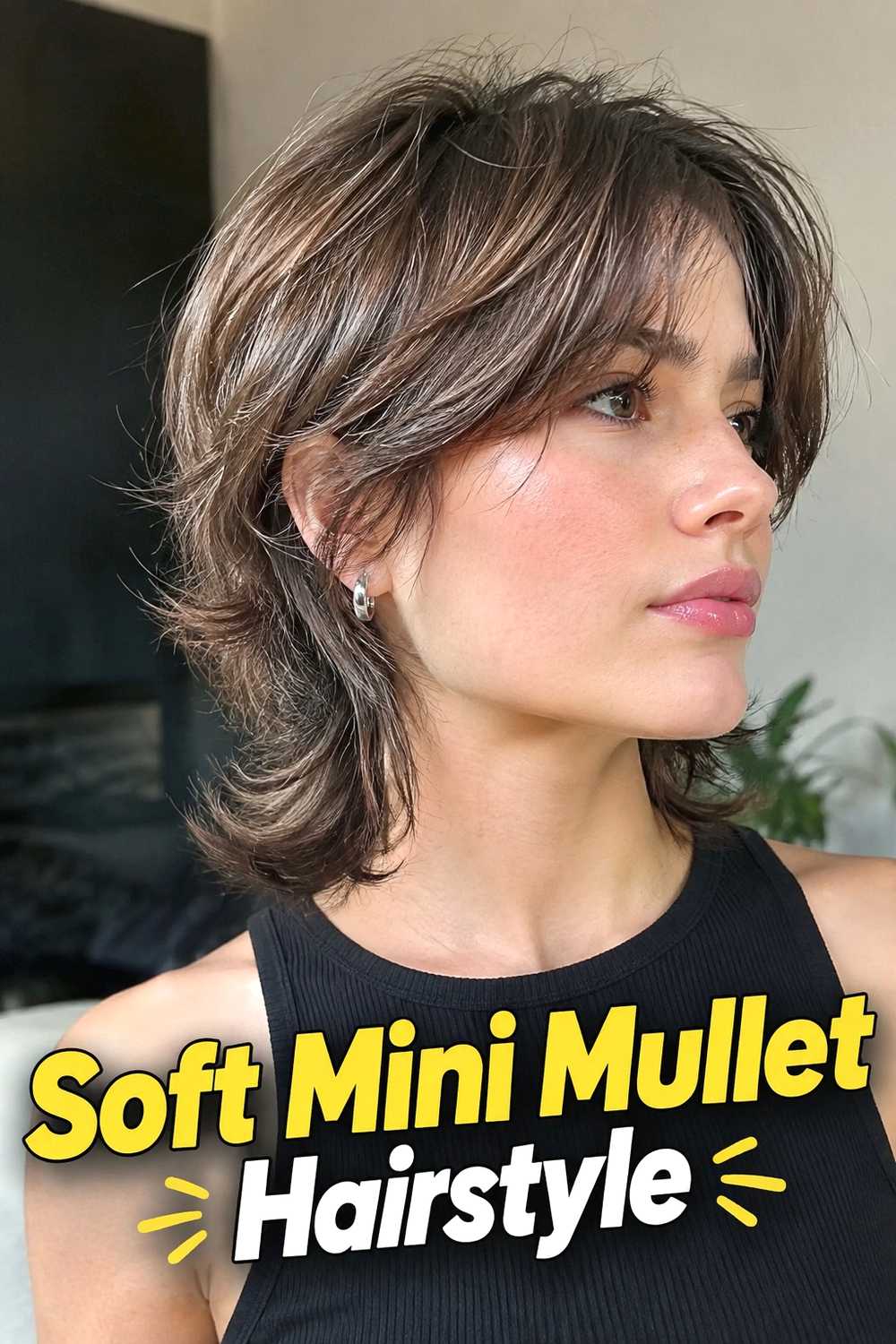
A soft mini mullet is an easy introduction to the shape because the length differences remain subtle. Short layers frame the forehead and temples, the sides sit neatly around the ears, and the nape extends only slightly beyond a classic pixie. Rather than creating a hard divide between front and back, the layers overlap gently so the silhouette feels blended. This version works especially well if you want short hair with movement but do not want a dramatic tail. Straight, wavy, and softly curly textures can all adapt to the shape. Keeping the ends flexible and slightly separated adds enough texture to show the mullet influence without making the haircut look heavily styled.
Best For
This version suits anyone who wants a wearable, understated mini mullet with soft transitions and minimal contrast.
2. Wispy Fringe Mini Mullet Hairstyle
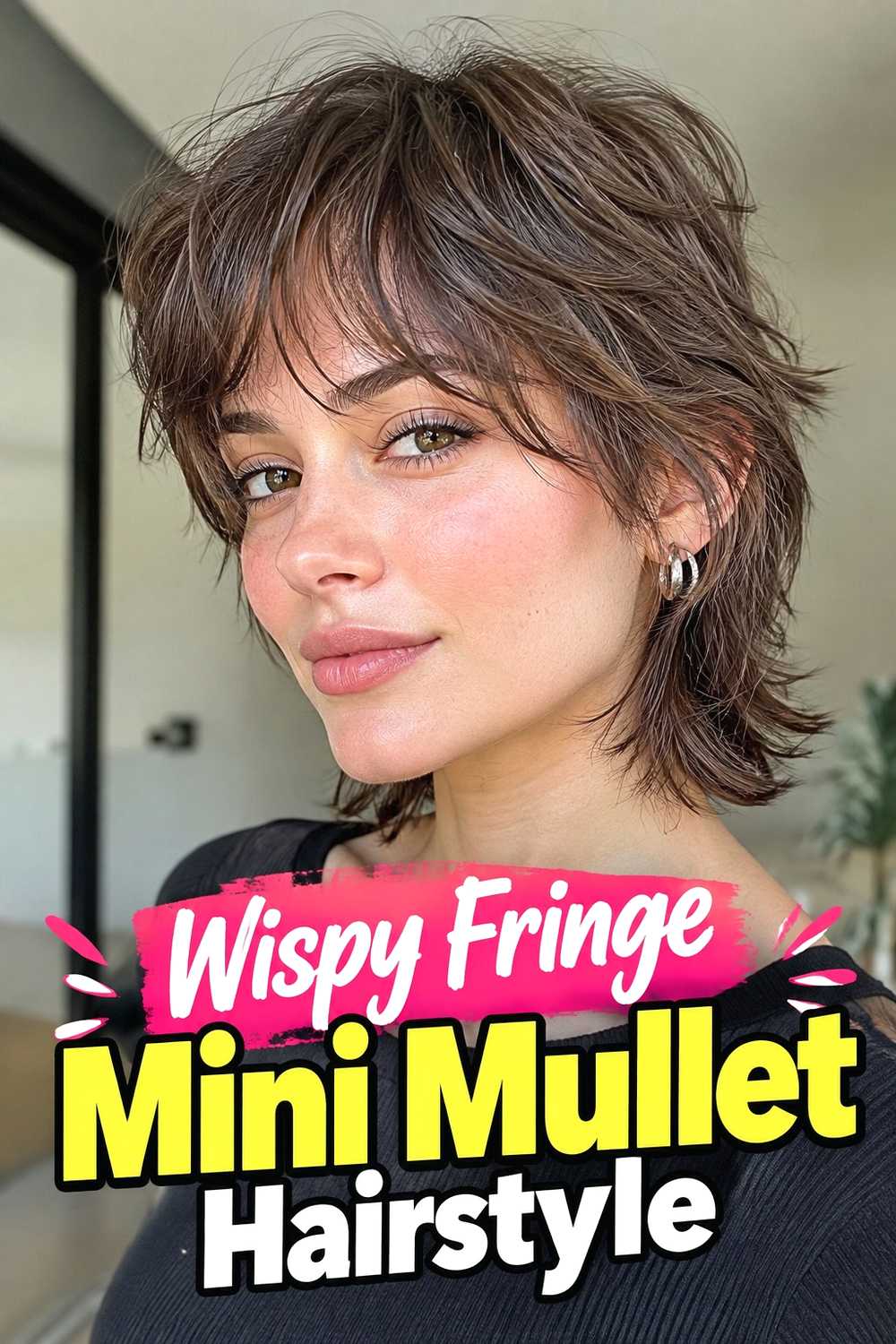
A wispy fringe gives the mini mullet a lighter front section while keeping the crown and nape visibly textured. Fine bangs fall across the forehead in separated pieces, then blend into short temple layers that expose most of the ears. Behind them, the crown carries gentle lift before tapering into a slightly longer nape. The fringe keeps the haircut soft and flexible, making it easier to sweep aside or separate as it grows. This shape works particularly well on straight or lightly wavy hair, where the delicate front pieces remain easy to see. Avoid heavy styling products around the bangs, since too much weight can turn the wispy effect into a dense, flat fringe.
Styling Notes
Refresh the front with a little water or lightweight styling cream, then separate a few pieces with your fingertips instead of brushing them together.
3. Textured Pixie Mini Mullet Hairstyle
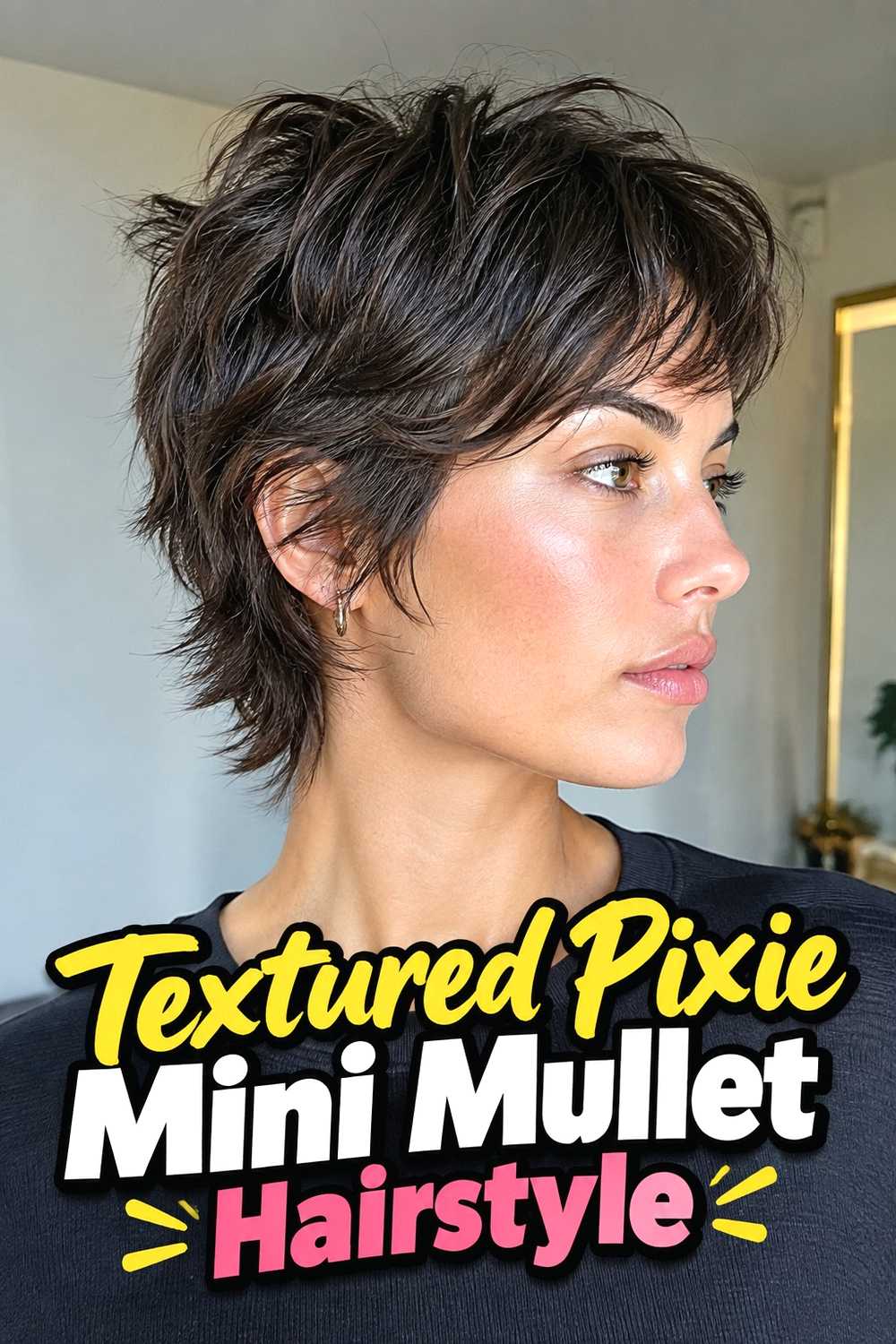
This haircut starts with a pixie-like front and crown, then adds just enough extra length at the back to create a mini mullet profile. Choppy upper layers give the crown movement, while compact sides keep the silhouette narrow around the ears. The nape is longer than a standard pixie but remains short enough to feel easy and modern. This is a good option if you already wear a pixie and want to introduce a little more edge without committing to a full mullet. Texture is the main feature, so the strongest finish includes both soft sections and more defined pieces rather than an identical spiky pattern throughout the entire haircut.
Why It Works
The pixie foundation keeps the haircut practical, while the extended nape and broken crown layers create enough contrast to give it a distinct mini mullet identity.
4. Wavy Mini Mullet Hairstyle
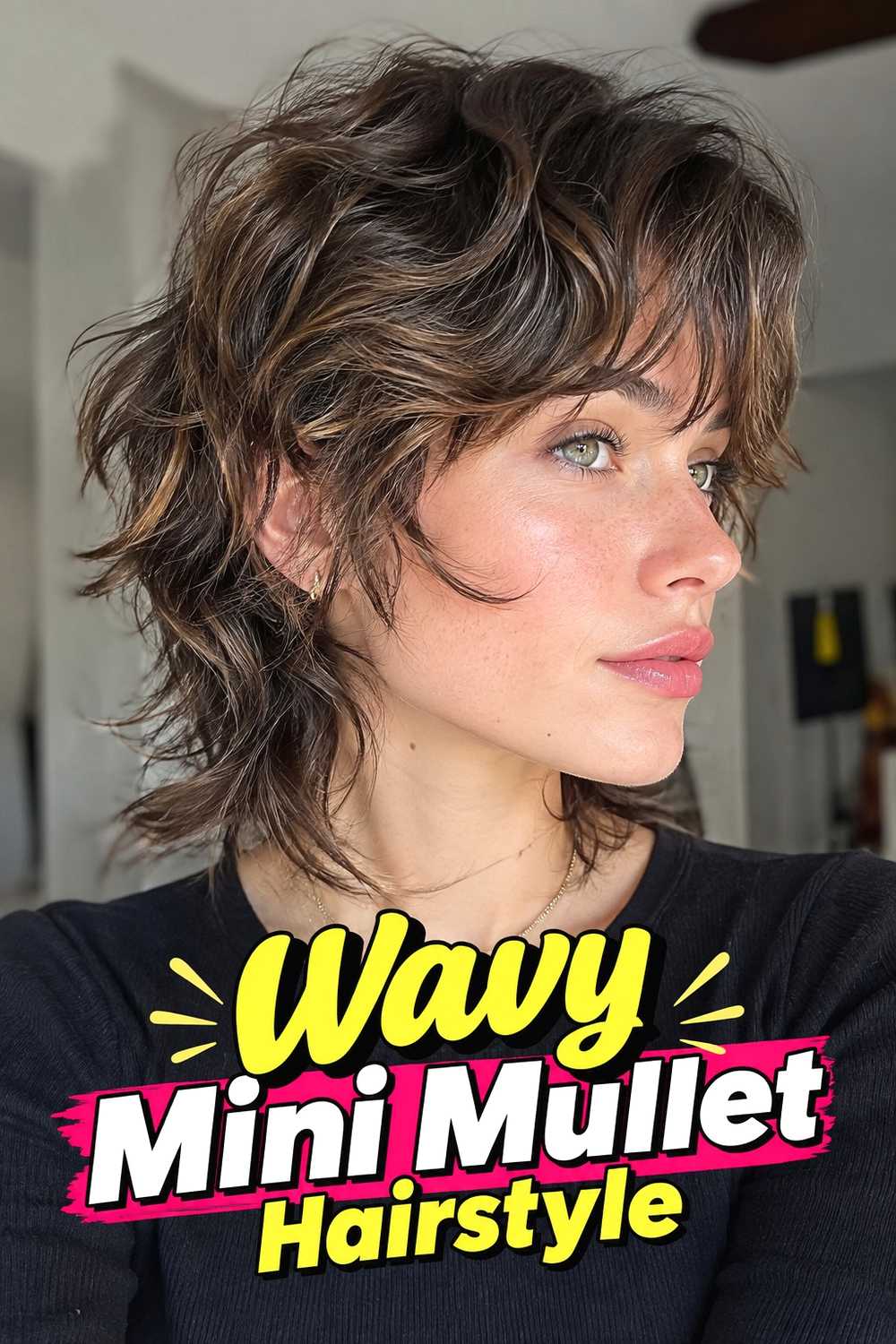
Loose waves make a mini mullet feel relaxed by naturally softening the transition between shorter front pieces and the longer back. The crown can stay lightly layered so bends form without excessive bulk, while the sides remain compact around the ears. At the nape, the wave pattern creates a gentle flick that emphasizes the extra length without needing stiff styling. This version works particularly well for naturally wavy hair because the texture does much of the shaping on its own. A few uneven bends around the fringe and sides add character, so there is no need to make every section match. Lightweight products help preserve bounce and keep the short layers from becoming weighed down.
Hair Type & Length
Naturally wavy hair is ideal, though straight hair can mimic the effect with light directional styling. The nape only needs modest extra length to show movement.
5. Curly Mini Mullet Hairstyle
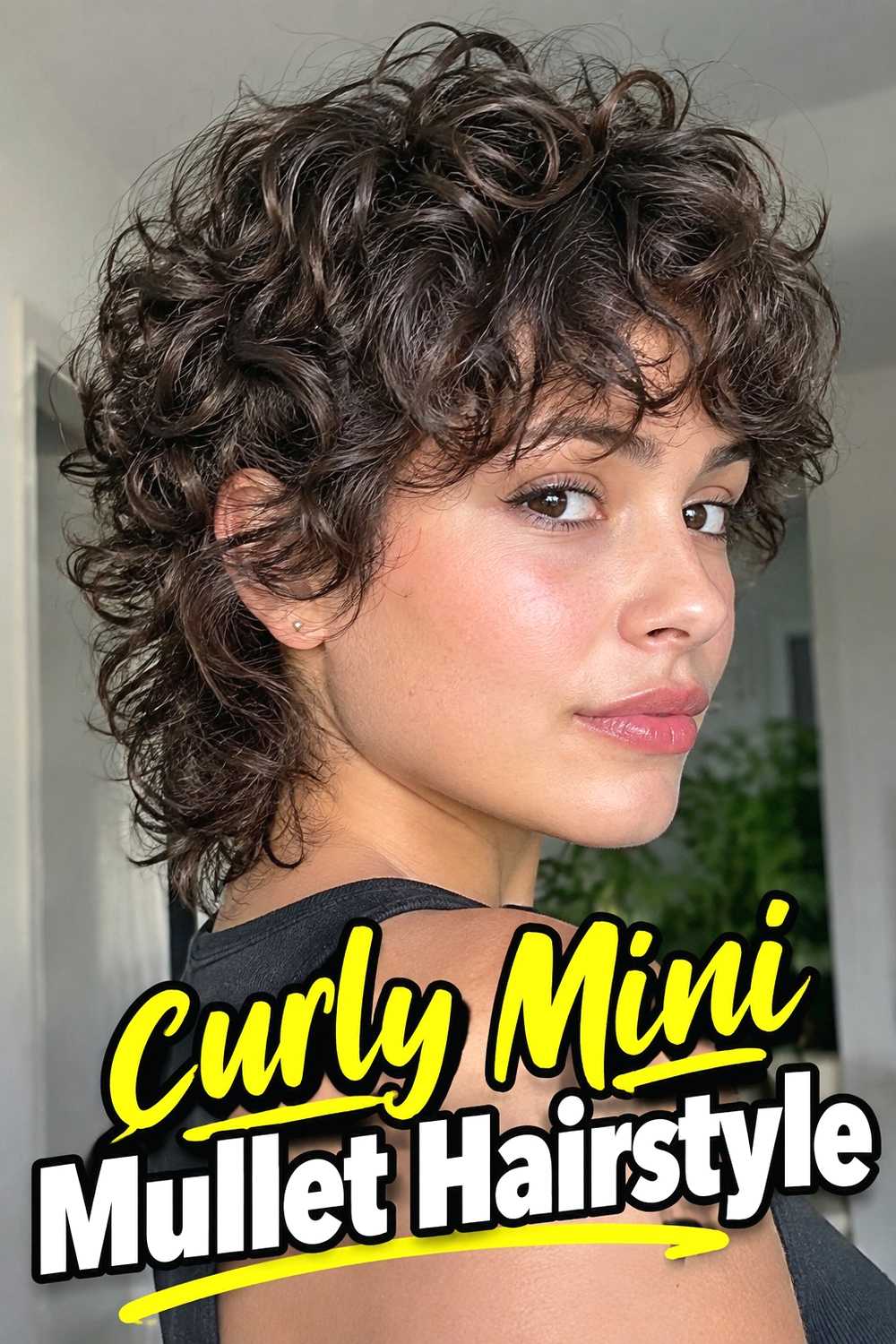
Curls give the mini mullet a rounded, lively silhouette while keeping the longer back soft instead of sharply separated. Short curls can frame the forehead, fuller curls build through the crown, and the sides taper enough to reveal the ears. At the nape, slightly longer curls create the mullet effect while maintaining bounce and natural movement. The haircut should be shaped with the dry curl pattern in mind because shrinkage can change the apparent length significantly. Keeping enough weight through the crown prevents the cut from looking sparse, while strategic layering can stop the sides from becoming too bulky. Natural variation between curls makes the finished look feel more relaxed and believable.
Styling Notes
Define the curls with lightweight product and let them dry before lifting the crown. Avoid stretching the nape curls straight, since their spring helps create the shape.
6. Micro Fringe Mini Mullet Hairstyle
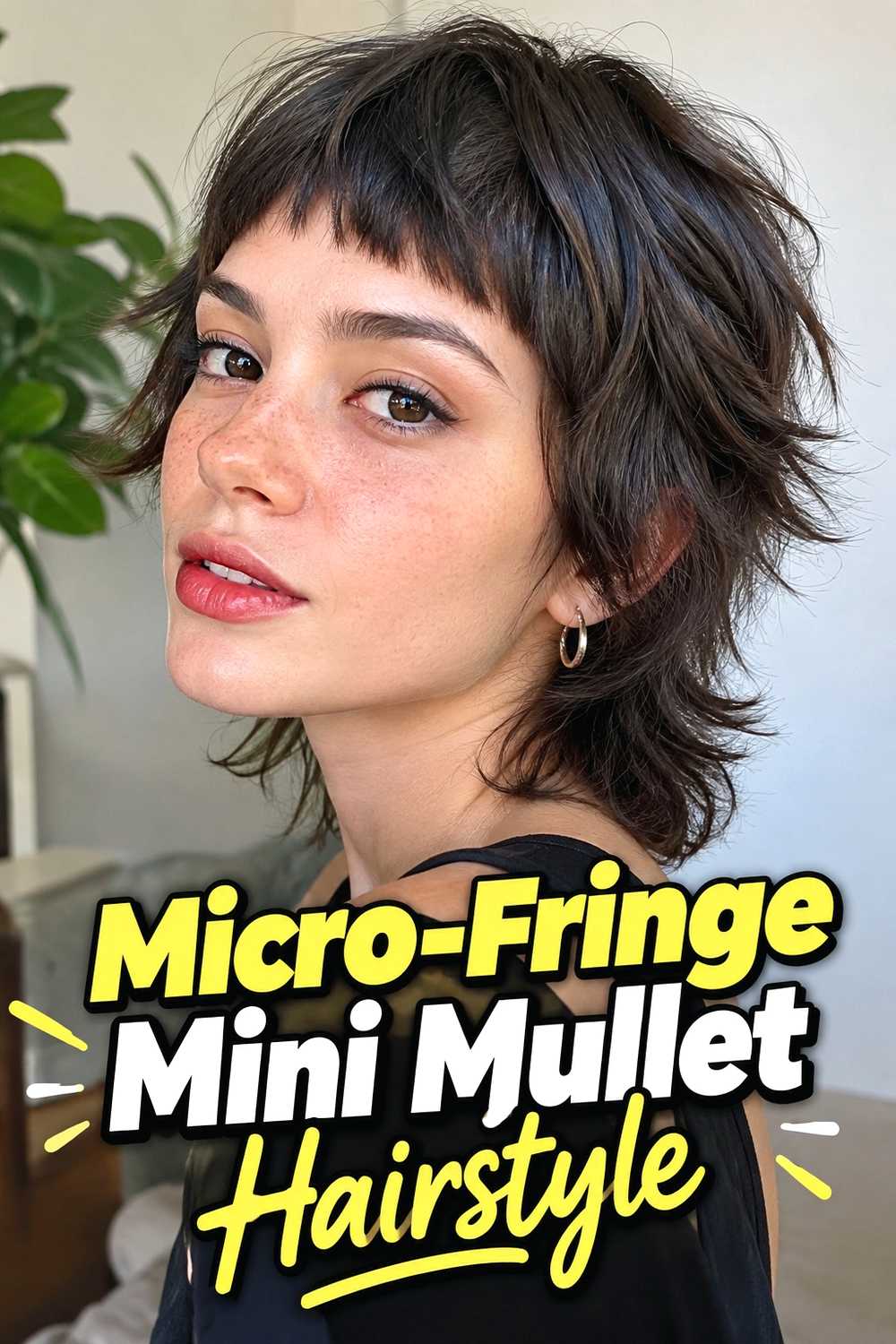
A micro fringe gives the mini mullet a strong front detail without adding much bulk. The bangs sit above the brows in short, lightly uneven pieces, leaving plenty of forehead visible. Behind them, the crown stays textured while the sides remain cropped and the nape extends subtly at the back. The contrast between tiny bangs and the longer neckline gives the haircut a graphic quality even though the overall length is very short. This version works best if you are comfortable maintaining a defined fringe, since growth becomes noticeable quickly. Keeping the bangs slightly separated rather than perfectly straight makes them feel connected to the textured crown and avoids an overly rigid finish.
Wear & Maintenance
Micro bangs may need earlier touch-ups than the rest of the haircut. Use minimal product so the short fringe remains light rather than stiff.
7. Tapered Side Mini Mullet Hairstyle
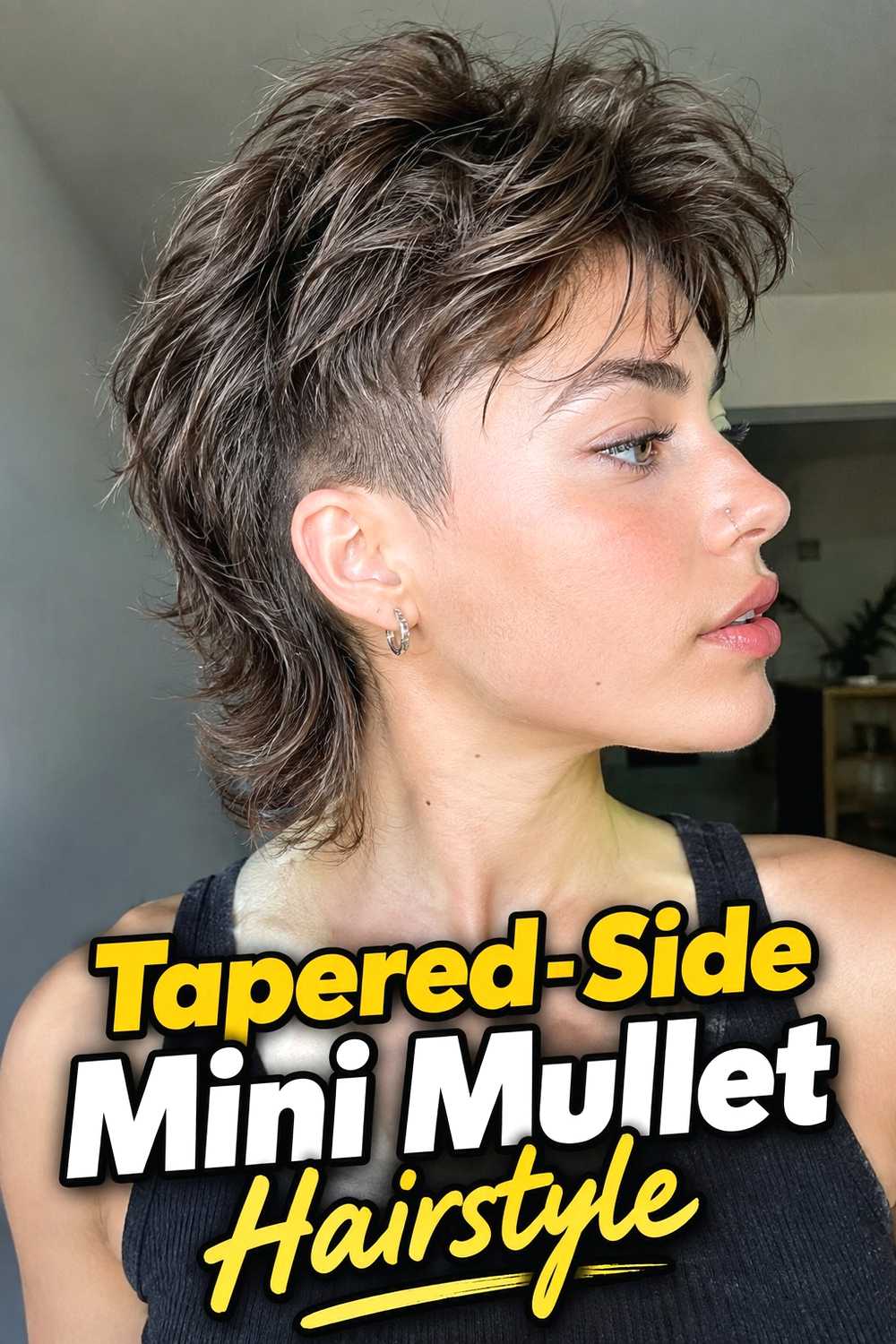
Tapered sides create a cleaner profile by gradually reducing length around the temples and ears while leaving more texture on top and at the back. The crown can be styled with soft lift or piecey definition, and the nape stays just long enough to establish the mullet shape. This structure can be especially useful for dense hair because it removes bulk exactly where a short cut can become too wide. Unlike a dramatic fade, the taper can remain soft so the haircut still feels blended. Leaving a few natural pieces at the sideburns also prevents the sides from appearing overly sharp. The contrast between the neat perimeter and textured top gives this mini mullet a crisp, modern finish.
Best For
Choose this option if you want reduced bulk around the ears and a more defined contrast between the sides, crown, and nape.
8. Feathered Mini Mullet Hairstyle
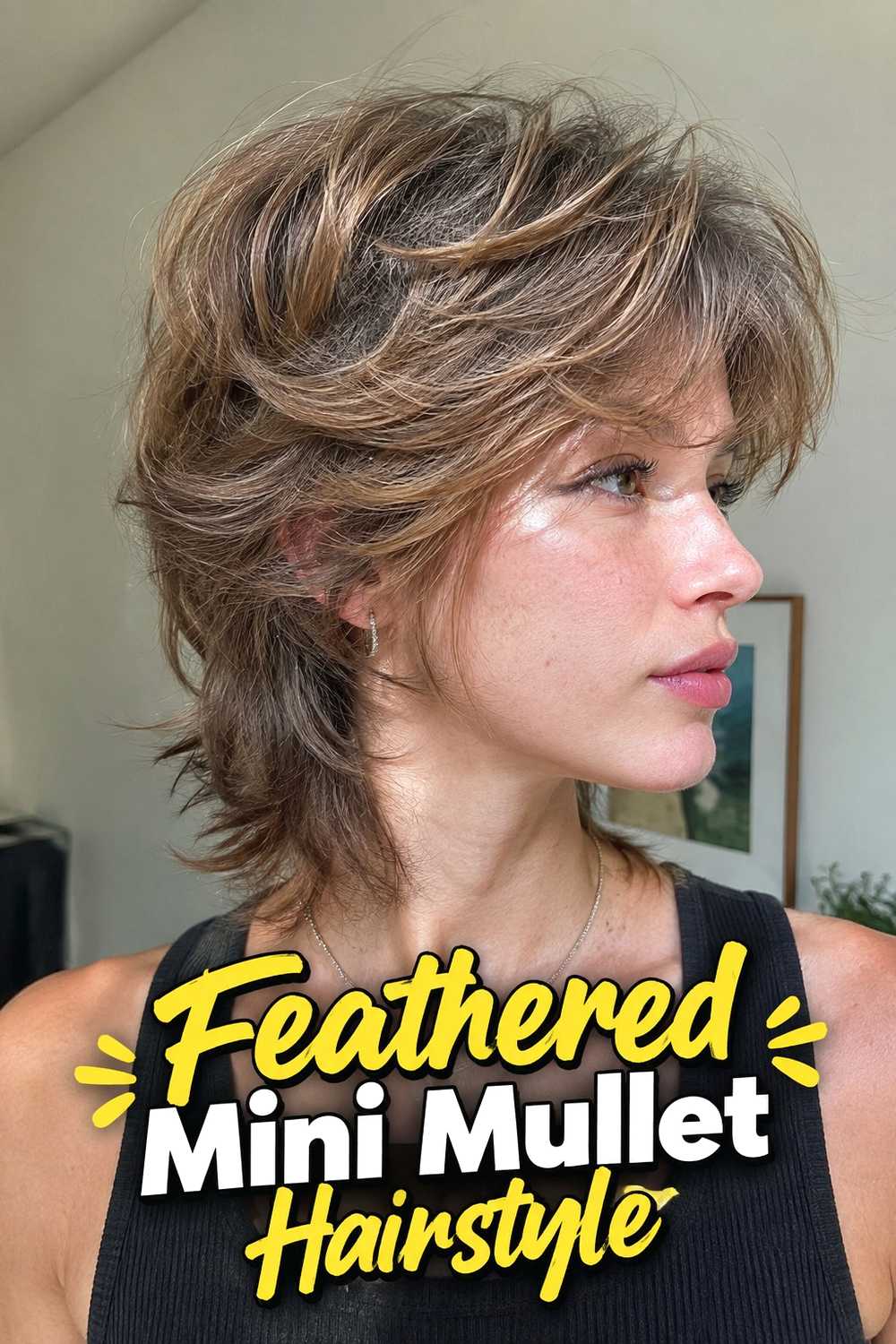
A feathered mini mullet uses tapered ends and outward movement to make the short cut feel lighter and more fluid. Crown layers create gentle lift, the side pieces flick softly away from the ears, and the nape finishes in delicate sections rather than a blunt edge. This gives the haircut a subtle retro influence without requiring a long back or dramatic volume. Straight and lightly wavy textures can showcase the feathering especially clearly, while medium-density hair often holds the shape without needing excessive thinning. The goal is to preserve enough fullness for the haircut to look healthy while allowing the ends to move freely. Soft directional drying is usually enough to emphasize the feathered effect.
Styling Notes
Turn only selected ends outward while drying. Mixing those flicked pieces with straighter sections keeps the haircut modern and less uniform.
9. Piecey Bangs Mini Mullet Hairstyle
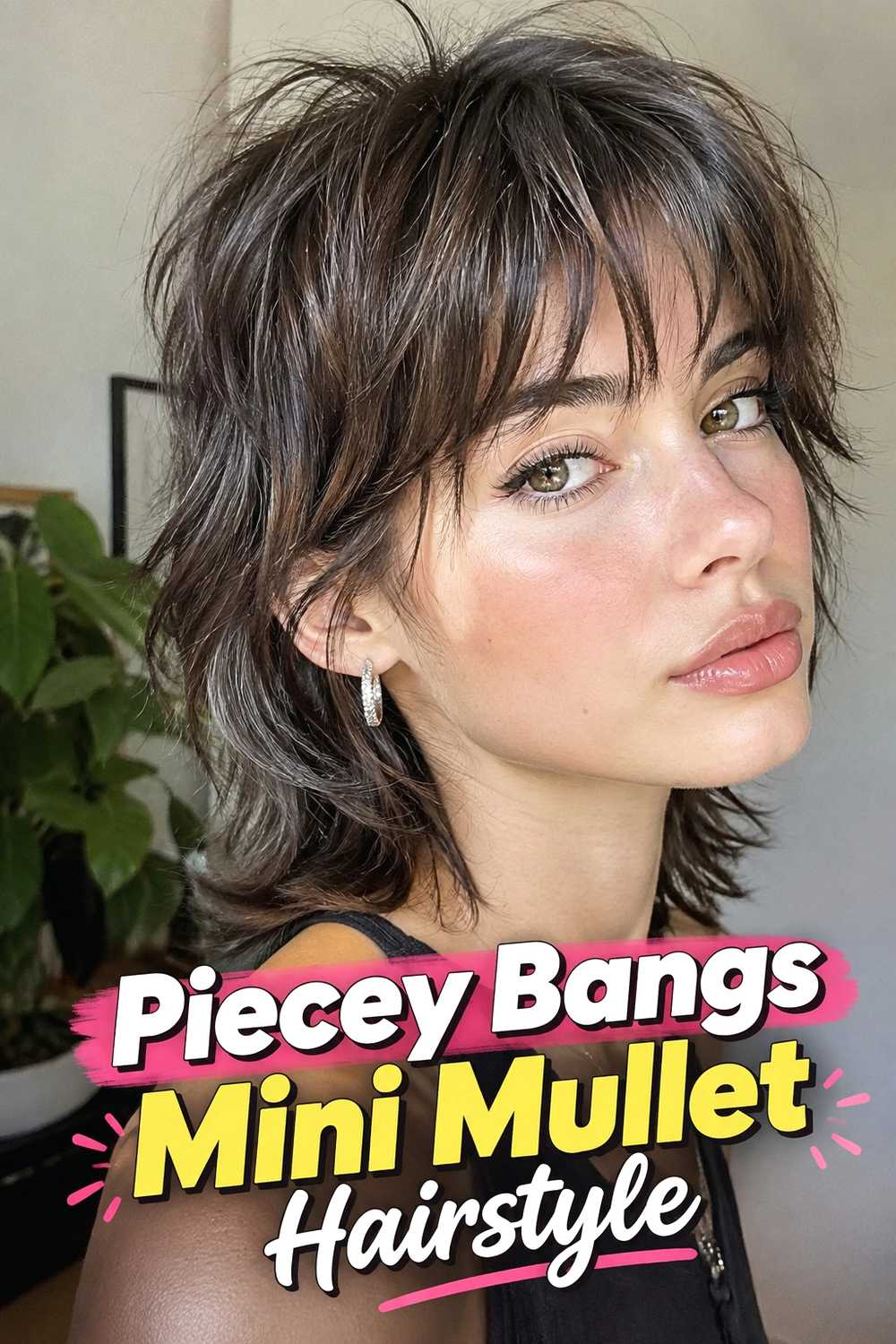
Piecey bangs add texture across the forehead while maintaining an open, lightweight front. Instead of forming one thick fringe, small sections fall at slightly different lengths and connect with short temple pieces. The crown stays layered and mobile, while the sides remain neat enough to expose the ears. A slightly elongated nape completes the mini mullet shape without competing with the bangs. This version looks especially clear on straight or gently wavy hair because individual pieces remain visible. Styling should stay selective rather than overly detailed. Defining just a few front and nape sections gives the haircut depth, while leaving neighboring strands softer creates the casual contrast that makes piecey styling feel natural.
Pro Tip
Use a tiny amount of texture paste on the ends of selected bangs. Too much product can make short pieces look greasy or clumped.
10. Rounded Crown Mini Mullet Hairstyle
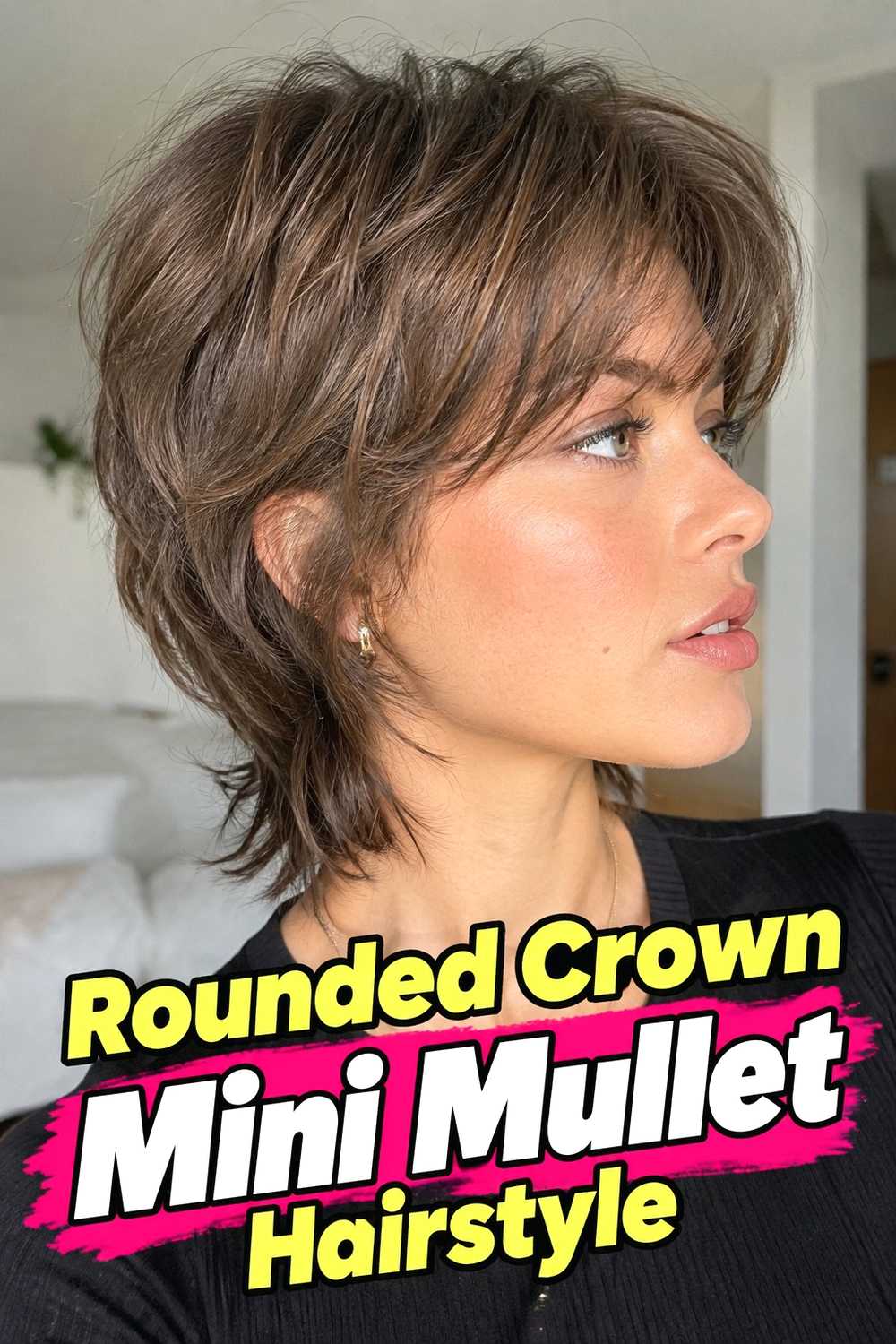
A rounded crown gives the mini mullet more body through the top while the short sides and nape maintain its compact proportions. Layers stack softly through the upper section to create fullness without exaggerated height. Around the ears, the silhouette narrows before transitioning into a slightly longer back, which keeps the mullet structure visible from the side. This shape can work well on hair with natural body, waves, or curls, though straighter textures can gain lift through careful drying. The key is keeping the crown rounded but not helmet-like. A little unevenness through the ends helps the shape retain movement and makes the added volume feel natural rather than heavily sculpted.
Hair Type & Length
Medium-density hair with some natural body can support this shape easily, though layering and root lift can adapt it to other textures.
11. Sleek Side Parted Mini Mullet Hairstyle
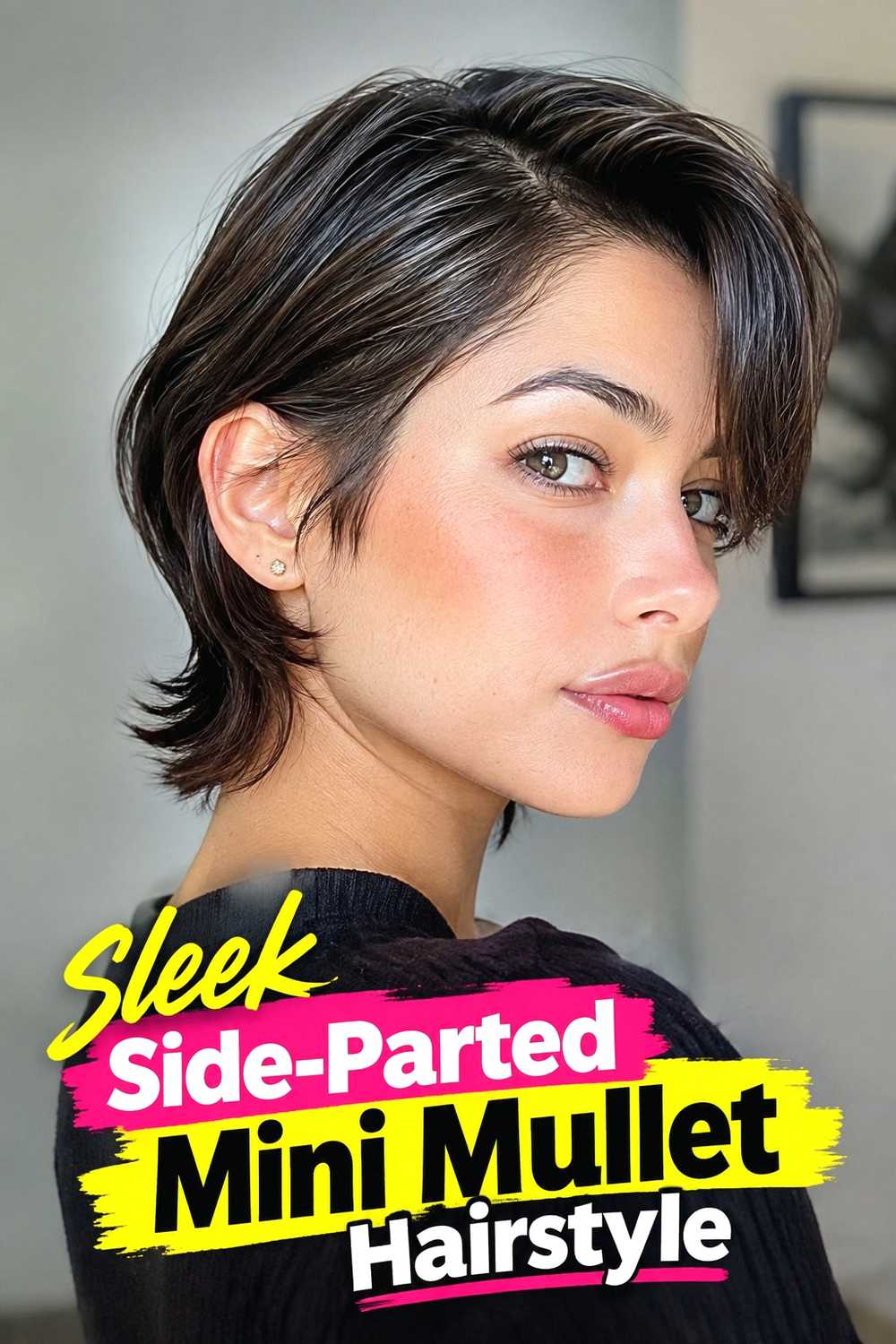
A sleek side part gives the mini mullet a cleaner, more polished personality. The front is directed smoothly across the forehead, one side can tuck close behind the ear, and the crown remains controlled instead of heavily tousled. At the back, the nape extends just enough to keep the mullet profile visible while staying neat against the neckline. This style works particularly well on straight or lightly wavy hair where shine and precise direction are easy to maintain. The contrast between the refined top and slightly longer back makes the cut distinctive without relying on messy texture. Keep the ends flexible so the haircut still moves naturally rather than looking lacquered into place.
Styling Notes
Use lightweight smoothing product through the surface and concentrate heavier control only where flyaways need it. Avoid flattening the nape completely.
12. Shaggy Mini Mullet Hairstyle
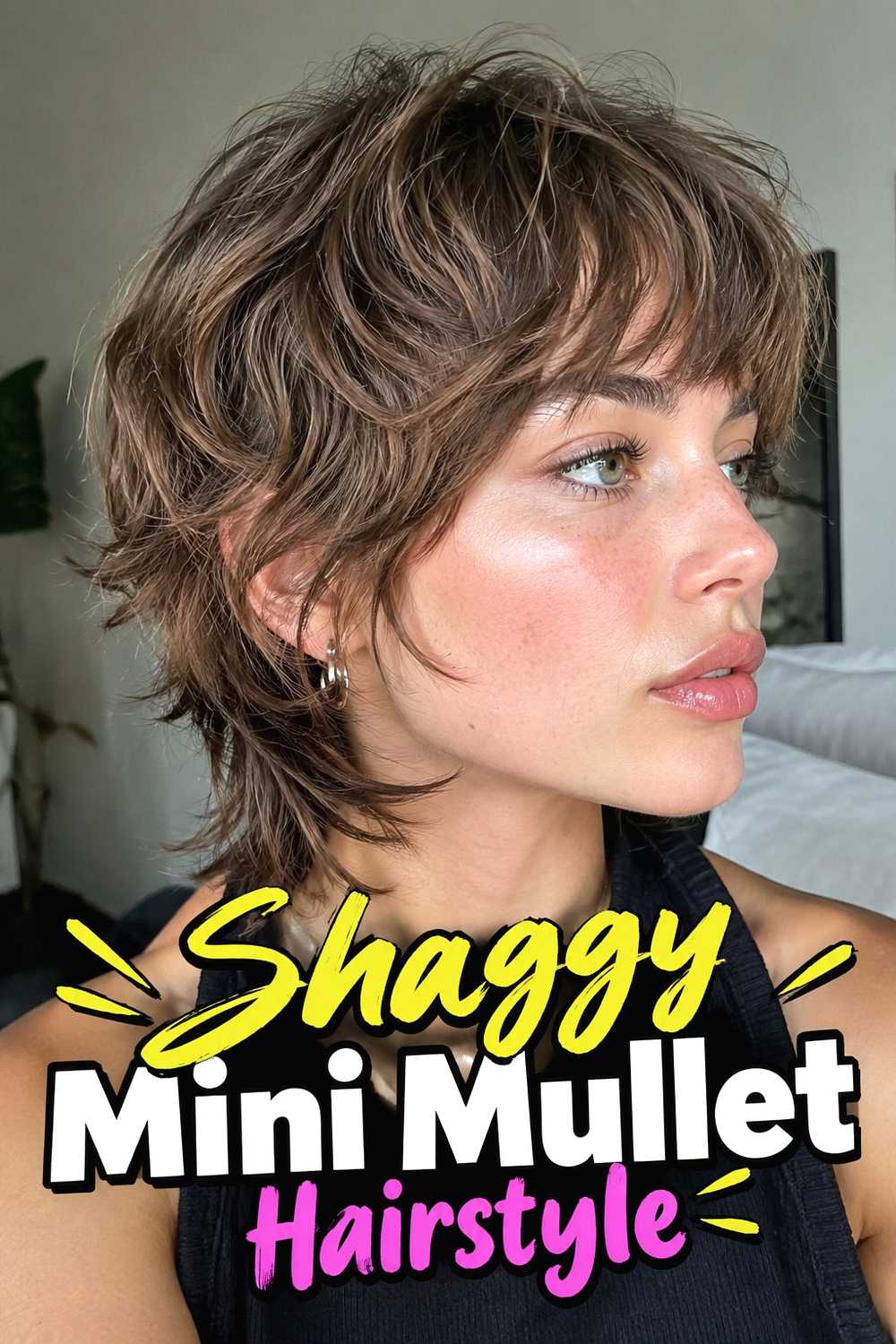
A shaggy mini mullet uses varied layers to create an intentionally undone silhouette while keeping the overall length short. The crown contains short and medium pieces that lift and separate, while the sides stay light around the ears. The nape is extended but broken into textured sections, so it looks more like a soft tail than a solid block. This style works well if you prefer irregular movement over neat styling and can be especially effective on wavy hair. Straighter textures may benefit from a little paste or texture spray to emphasize the layers. The strongest version keeps enough density through the perimeter to avoid looking overly thinned while still showing plenty of separation.
Why It Works
The varied layers create movement throughout the haircut, making the short silhouette feel more dynamic without requiring significant length.
13. Fluffy Mini Mullet Hairstyle
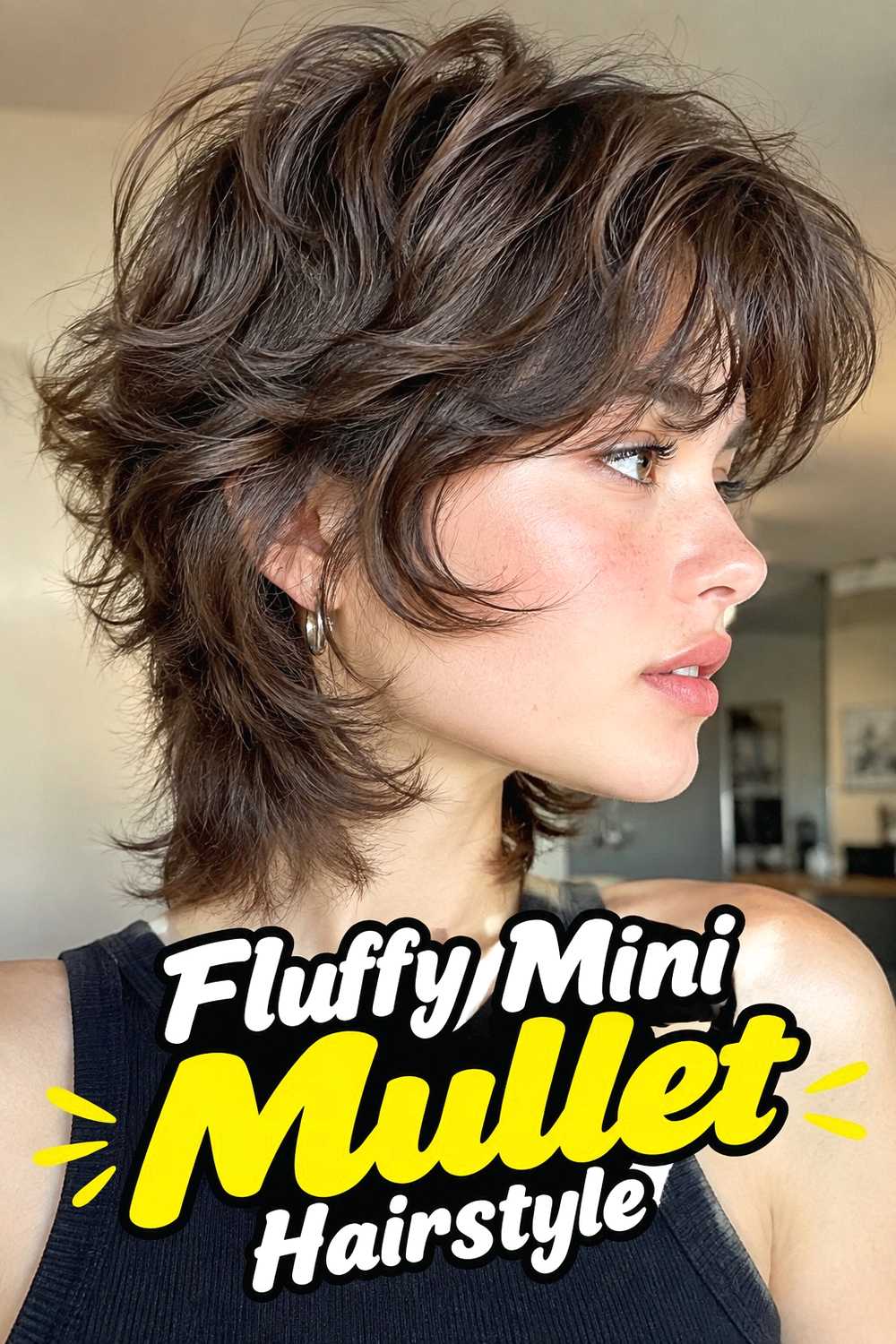
A fluffy mini mullet focuses on soft volume and touchable texture rather than sharp definition. The crown lifts away from the scalp, the sides remain airy around the ears, and the nape extends into a light, slightly expanded finish. This version can suit wavy, curly, or naturally voluminous hair especially well, although straight hair can achieve similar softness with root lift and gentle drying. The main challenge is preserving the mullet proportions beneath the volume. If the sides expand too much, the silhouette can become uniformly round. Keeping some openness around the ears and a little extra length at the neckline helps the front-to-back contrast remain visible.
Styling Notes
Fluff the roots only after the hair is mostly dry, and leave the ends flexible. Overworking the surface can remove the natural softness.
14. Short Nape Mini Mullet Hairstyle
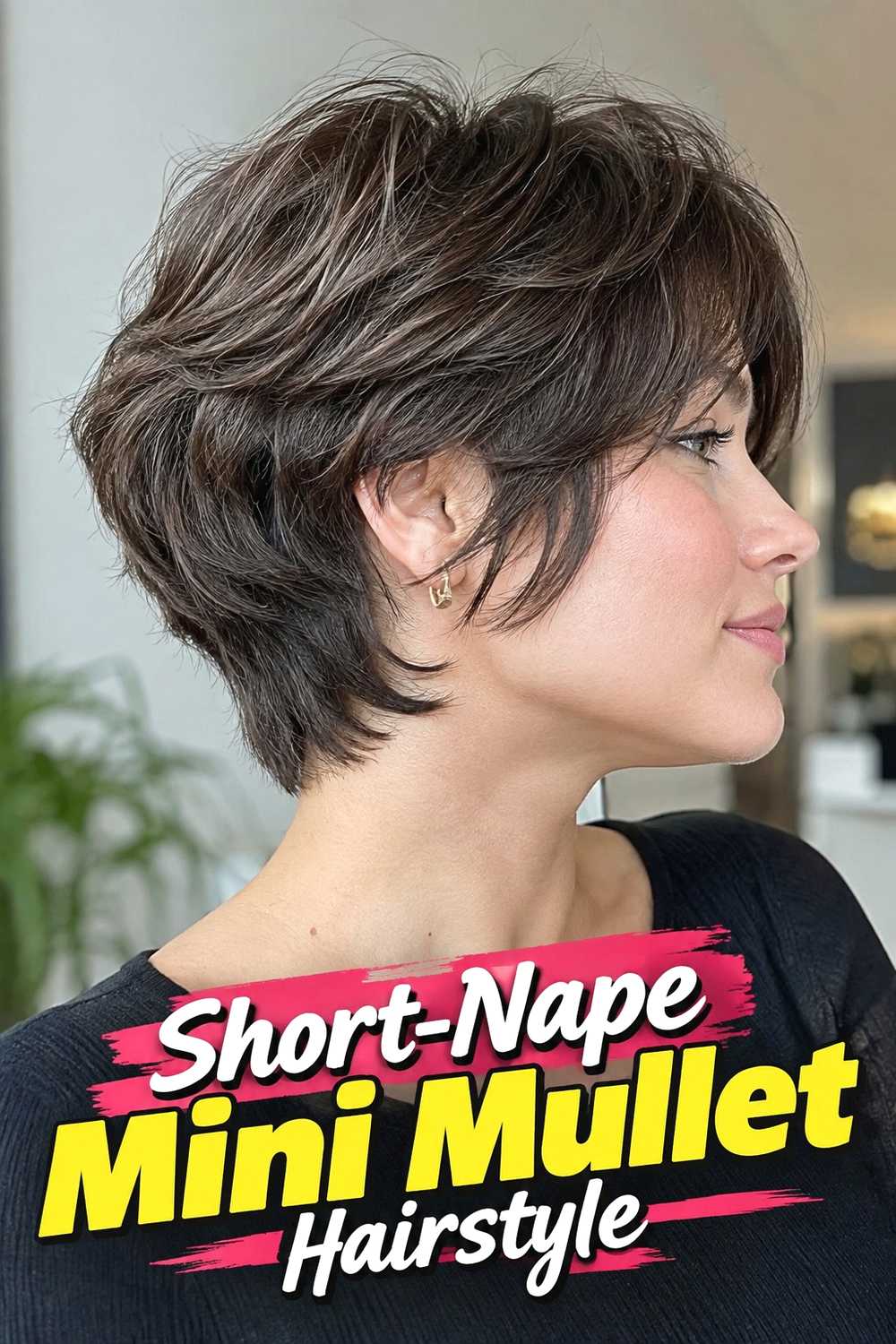
This compact variation keeps the nape extremely subtle, extending only slightly beyond the rest of the short haircut. The crown carries most of the personality through textured layers, while the sides remain neat around the ears and temples. From the front, the style can resemble a choppy pixie, but the small amount of extra back length gives it a mini mullet profile from the side. It is a practical option if you like short hair and want only a hint of mullet influence. Because the neckline is closely shaped, growth may become visible relatively quickly. Keeping the crown textured helps maintain character even when the nape remains very restrained.
Wear & Maintenance
Plan small neckline cleanups if you prefer a crisp outline. The crown can usually remain longer while only the perimeter is refined.
15. Longer Nape Mini Mullet Hairstyle
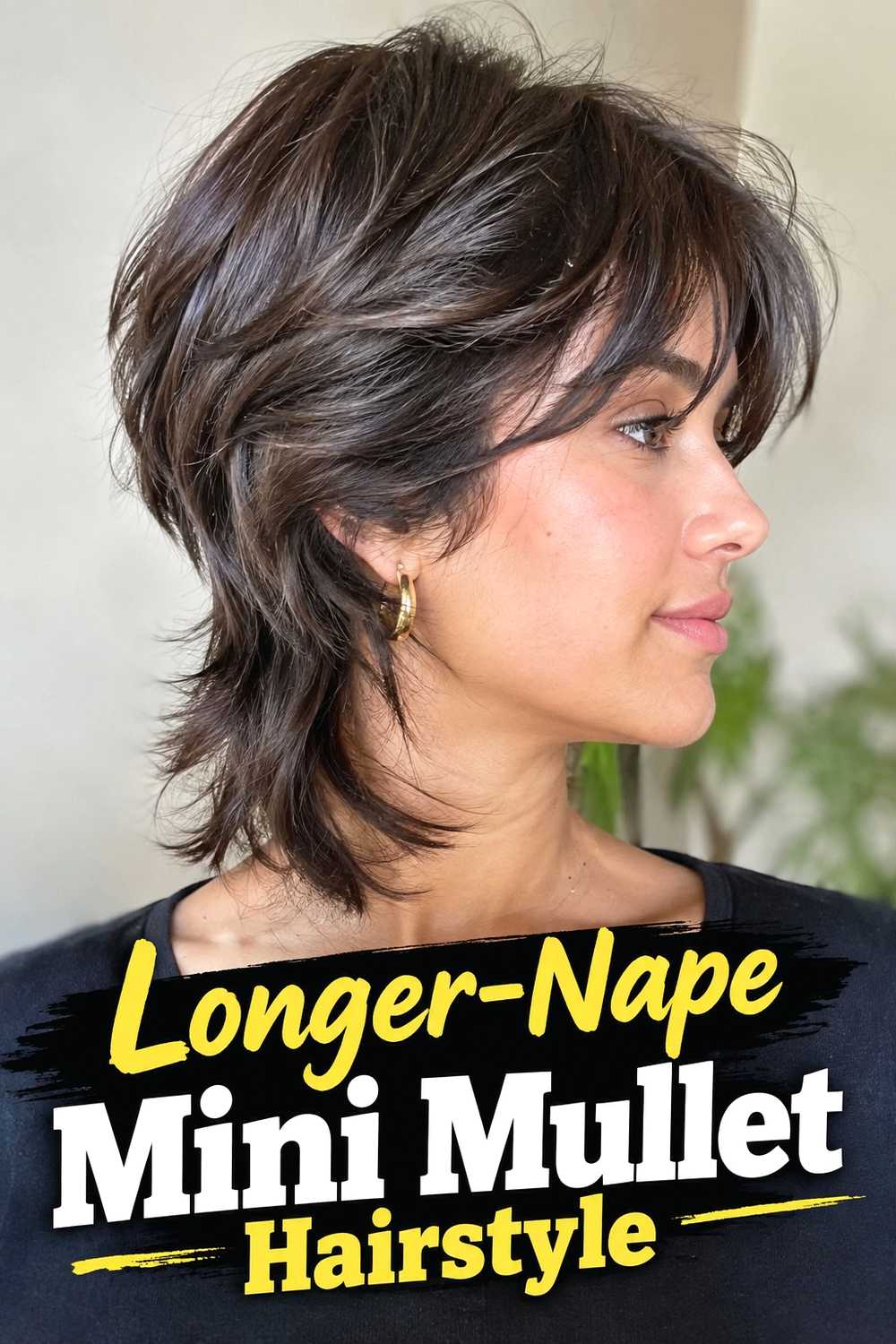
A slightly longer nape makes the mini mullet more obvious while still keeping the haircut firmly in short-hair territory. The front and sides stay compact, with layered texture through the crown and clear space around the ears. Moving toward the back, the hair extends farther down the neckline into a few soft, tapered pieces. This creates a noticeable profile without becoming a full-length mullet. The longer back can be worn straight, flipped slightly outward, or allowed to follow natural waves. Keeping the ends light prevents the nape from looking heavy. Enough crown volume should remain above it so the longer section feels connected to the rest of the haircut.
Best For
This style works well if you want the mullet element to be clearly visible but still prefer an overall cropped silhouette.
16. Undercut Mini Mullet Hairstyle
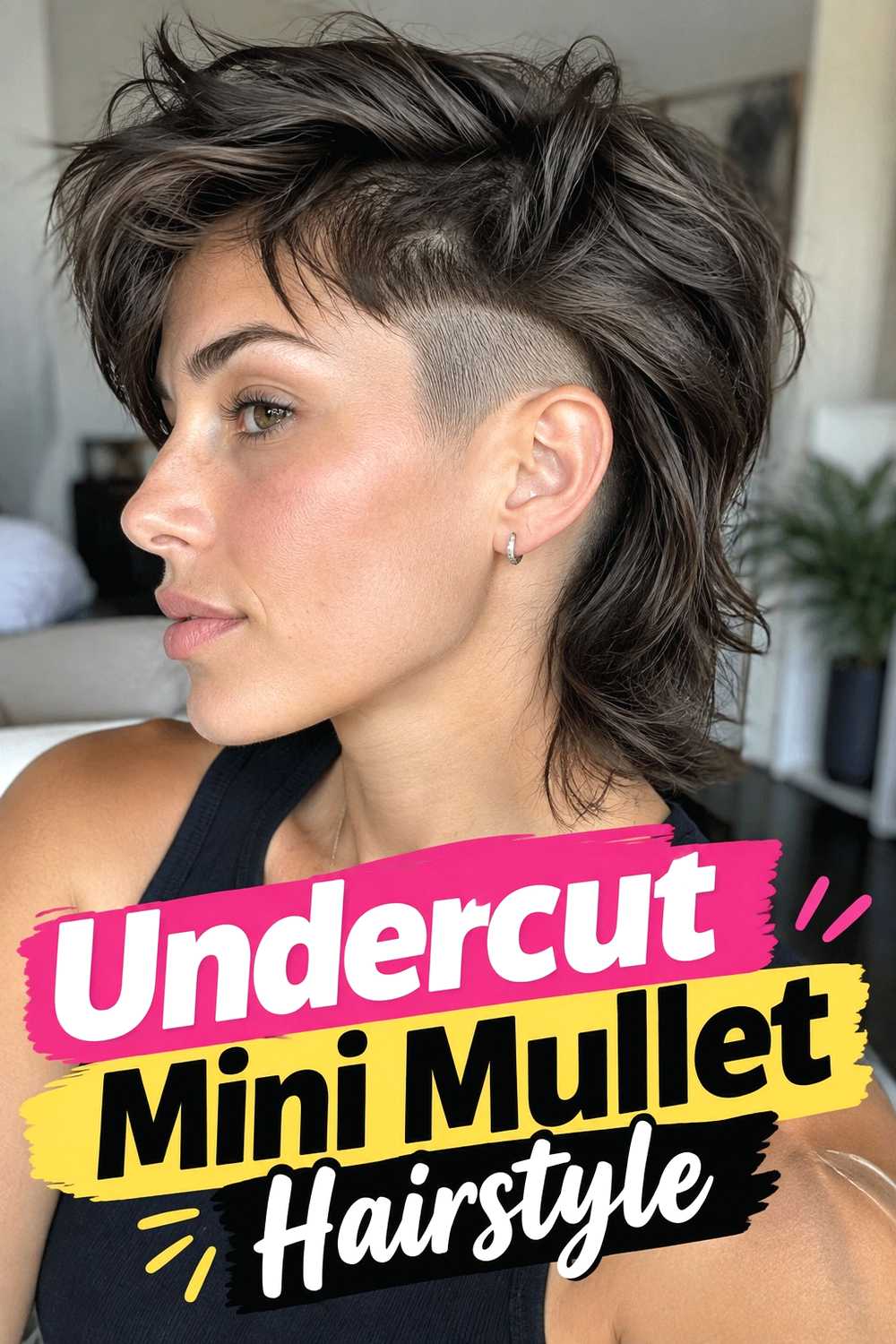
An undercut strengthens the contrast of a mini mullet by removing more length around the lower sides while leaving the crown and nape noticeably longer. The top can fall loosely over the shorter sections or be styled upward to reveal the undercut more clearly. At the back, a compact tail maintains the mullet identity without extending far down the neck. This version feels more graphic than softly tapered alternatives and typically requires more maintenance because the shortest areas lose definition quickly as they grow. It can be useful for someone with dense hair who wants less bulk around the ears, provided the contrast suits the desired look and styling routine.
Wear & Maintenance
Expect the undercut area to need more frequent cleanup. Decide whether you want it prominently visible or partially concealed beneath the longer crown.
17. Face Framing Mini Mullet Hairstyle
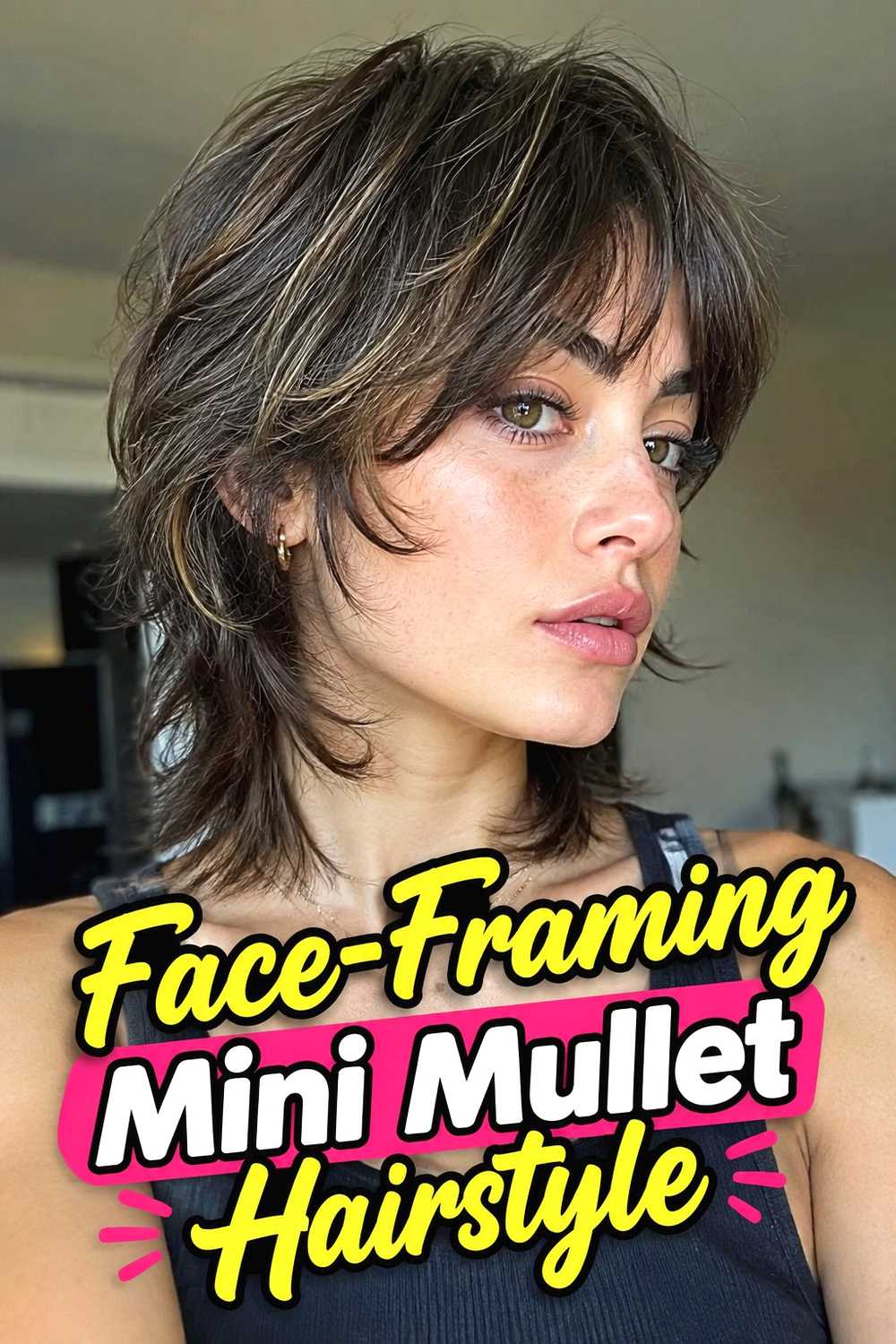
Face-framing layers soften the front of a mini mullet by using graduated pieces instead of one fixed fringe. Shorter sections can begin around the forehead or cheek area, then blend into slightly longer pieces near the ears. The crown remains textured, while the nape extends subtly at the back. This approach gives you more flexibility because the front can be worn forward, parted, swept away, or tucked depending on the day. It is particularly useful if you want movement around the face but do not want the commitment of micro bangs or a dense fringe. Keeping the ends soft helps those short layers shift naturally without losing the haircut’s compact structure.
Best For
Choose this version if you want flexible front styling and a softer transition between the cropped sides and textured crown.
18. Retro Mini Mullet Hairstyle
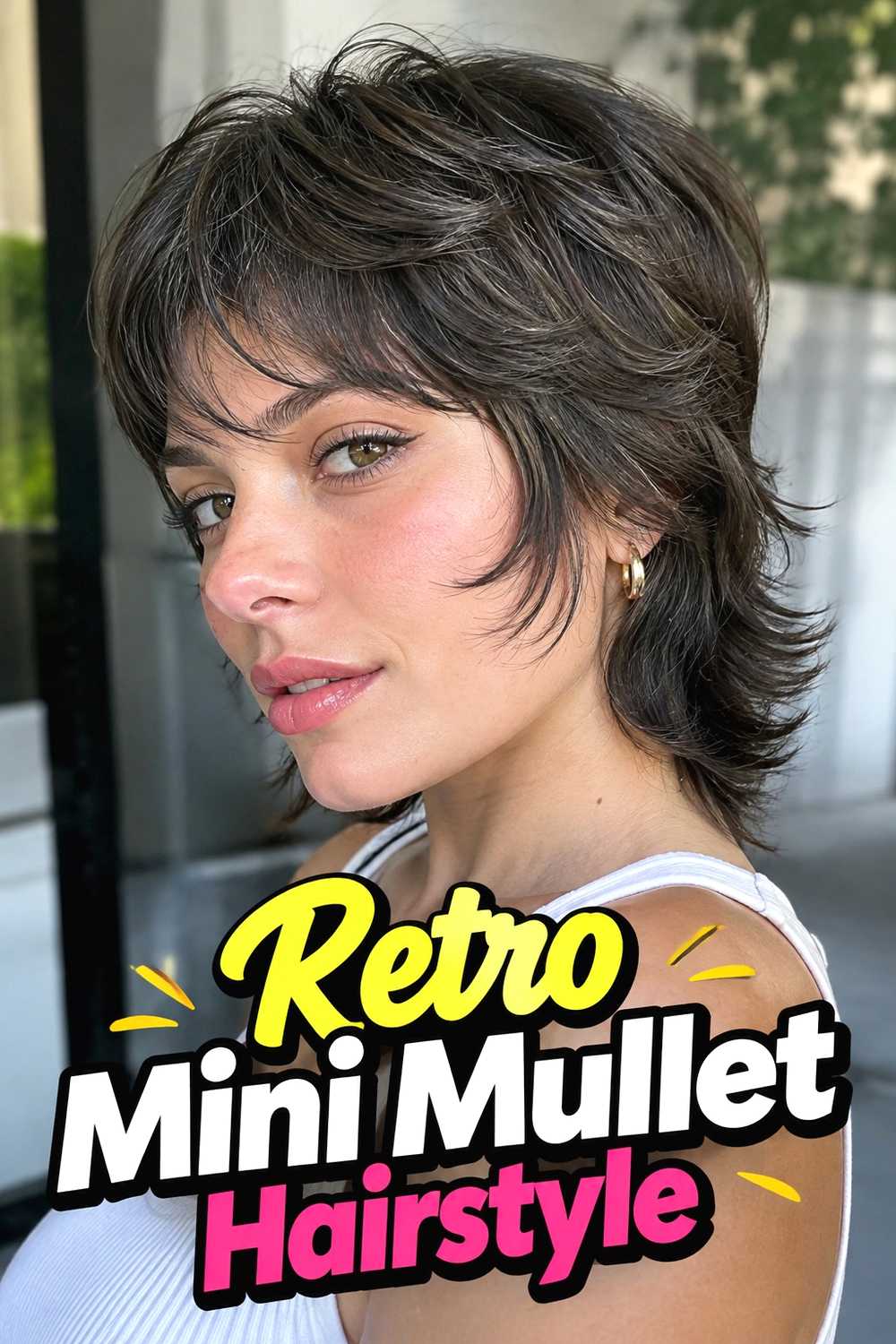
A retro mini mullet brings playful outward flicks to the sides and nape while keeping the overall cut cropped. Crown layers can lift slightly, fringe stays soft and textured, and pieces near the ears bend away from the face for a vintage-inspired profile. At the back, the small tail continues that movement without becoming excessively long. The strongest version references retro styling without making every section identical. Mixing flipped ends with straighter, softer pieces keeps the haircut current and believable. Straight and wavy hair can both support the effect, especially when the ends retain enough length to bend naturally rather than requiring heavy styling or excessive heat.
Pro Tip
Flip only a few strategic sections around the ears and nape. Variation keeps the retro influence stylish instead of overly literal.
19. Grown Out Mini Mullet Hairstyle
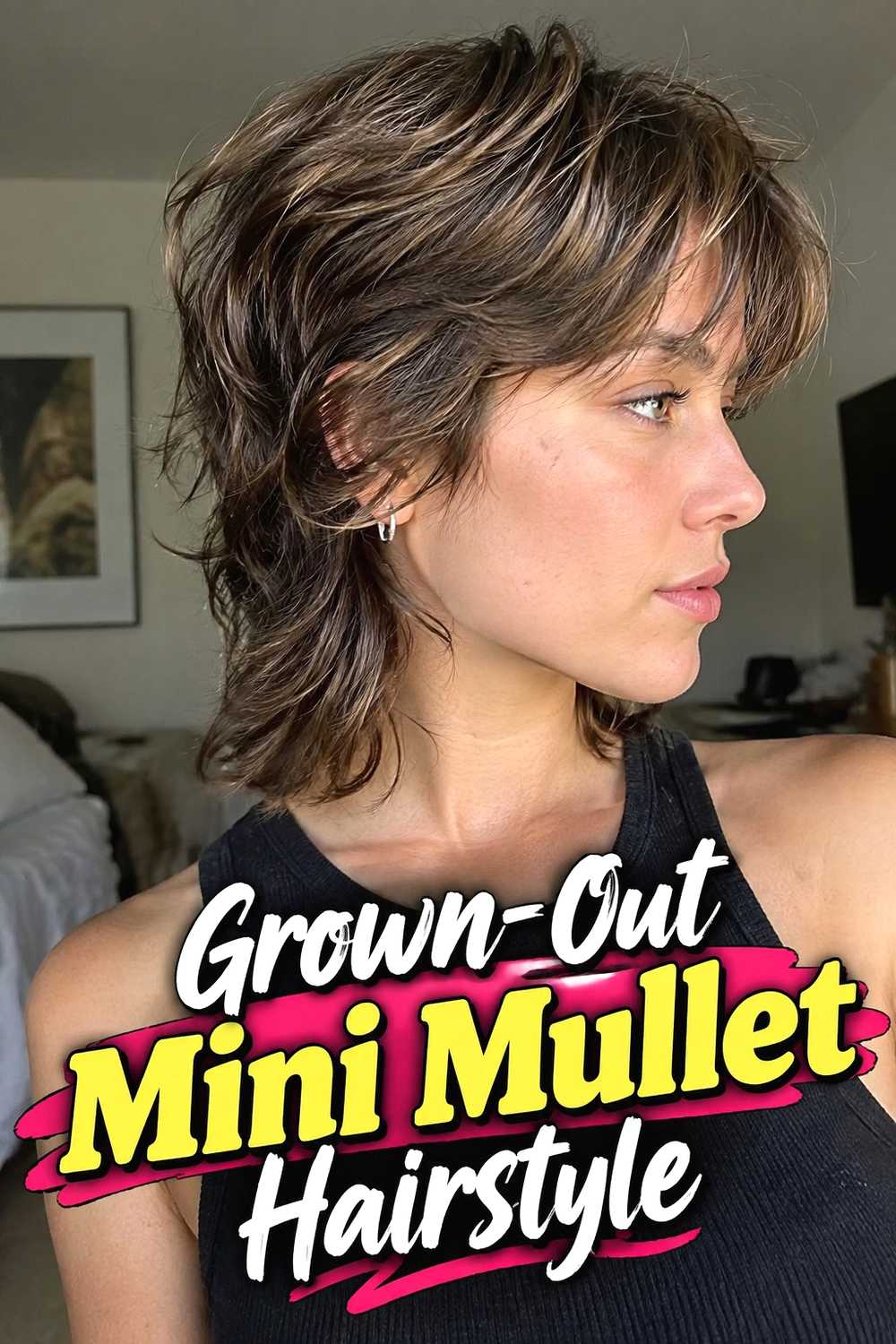
A grown-out mini mullet makes extra length part of the haircut rather than treating it as an awkward phase. The fringe becomes softer, pieces around the ears start to loosen, and the nape gains enough length to create a more noticeable tail. Strategic layering can remove bulk through the crown and sides while allowing the back to continue developing. This makes the style useful for anyone growing out a pixie, crop, or shorter mini mullet without wanting to lose the textured shape. Natural waves can make the transition especially forgiving. Instead of trimming every section equally, selective reshaping keeps the silhouette balanced while preserving useful length where you want it.
Wear & Maintenance
Ask for weight balancing rather than a full shortening if you want to continue growing the style. Small adjustments can keep the shape intentional.
How to Choose the Right Look
Start with how much mullet contrast you want. A soft or short-nape mini mullet gives only a subtle hint of extra back length, while a longer-nape or undercut version creates a more obvious short-front, long-back profile.
Next, think about fringe. Wispy bangs feel light, piecey bangs add texture, micro fringe creates a stronger statement, and face-framing layers offer the most flexibility if you do not want fixed bangs.
Natural texture matters too. Waves and curls make the haircut softer and more dimensional, while straight hair tends to highlight tapered sides, feathering, and piecey ends. If your hair is dense, tapered or undercut sections can reduce bulk. Finer hair may benefit from softer layers that preserve density.
Also consider maintenance. Short napes, undercuts, tapers, and micro bangs show growth faster, while shaggy and grown-out versions are generally more forgiving between trims.
Final Thoughts
Mini mullet haircuts are a compact way to add texture and personality to short hair without committing to a dramatic full mullet. The shape can be soft, curly, sleek, shaggy, feathered, or sharply tapered depending on how the fringe, crown, sides, and nape are balanced. Choose the version that works with your natural texture and realistic styling routine, then adjust the back length to make the haircut as subtle or distinctive as you prefer.
FAQs
1. What is a mini mullet haircut?
A mini mullet is a short haircut with relatively cropped front and side sections plus a small amount of extra length through the nape.
2. Can a mini mullet work on very short hair?
Yes. Even a modest difference between the crown, sides, and nape can create a recognizable mini mullet silhouette without requiring much overall length.
3. Are mini mullets good for curly or wavy hair?
They can be. Waves and curls naturally soften the short-to-long transition and add movement through the crown and nape.
4. How often does a mini mullet need trimming?
It depends on the shape. Undercuts, tapers, micro bangs, and precise necklines usually show growth sooner, while softer shaggy versions can be more forgiving.
5. What is the difference between a mini mullet and a mixie?
Both combine short proportions with extra nape length, but a mixie typically emphasizes a pixie-mullet blend, while a mini mullet can use a broader range of short shapes and does not need to resemble a pixie as strongly.
Save your favorite mini mullet haircuts and share the ideas that inspire your next short, textured hairstyle.