13 Soft Mullet Shag Hairstyles
Feathered layers, wispy bangs, and relaxed nape length make these soft mullet shag hairstyles an easy way to wear textured, lived-in hair.
A soft mullet shag keeps the recognizable movement of a mullet while blending the layers more gently from front to back. Instead of sharply disconnected sides or a dramatic tail, these versions use feathered ends, face-framing pieces, airy fringe, and natural texture to create an easier, more wearable silhouette.
When choosing your version, look at crown volume, fringe density, nape length, overall layering, and how your natural texture behaves. Waves and curls can make the shag shape feel effortless, while straighter hair often shows feathering and piecey ends more clearly. The strongest results keep realistic movement, balanced density, and natural texture rather than forcing every section into the same shape.
Quick List
- Soft Feathered Mullet Shag Hairstyle
- Wispy Fringe Mullet Shag Hairstyle
- Wavy Collarbone Mullet Shag Hairstyle
- Curly Soft Mullet Shag Hairstyle
- Rounded Crown Mullet Shag Hairstyle
- Airy Layered Mullet Shag Hairstyle
- Side Swept Fringe Mullet Shag Hairstyle
- Short Soft Mullet Shag Hairstyle
- Long Nape Mullet Shag Hairstyle
- Piecey Bangs Mullet Shag Hairstyle
- Fluffy Textured Mullet Shag Hairstyle
- Face Framing Mullet Shag Hairstyle
- Grown Out Soft Mullet Shag Hairstyle
1. Soft Feathered Mullet Shag Hairstyle
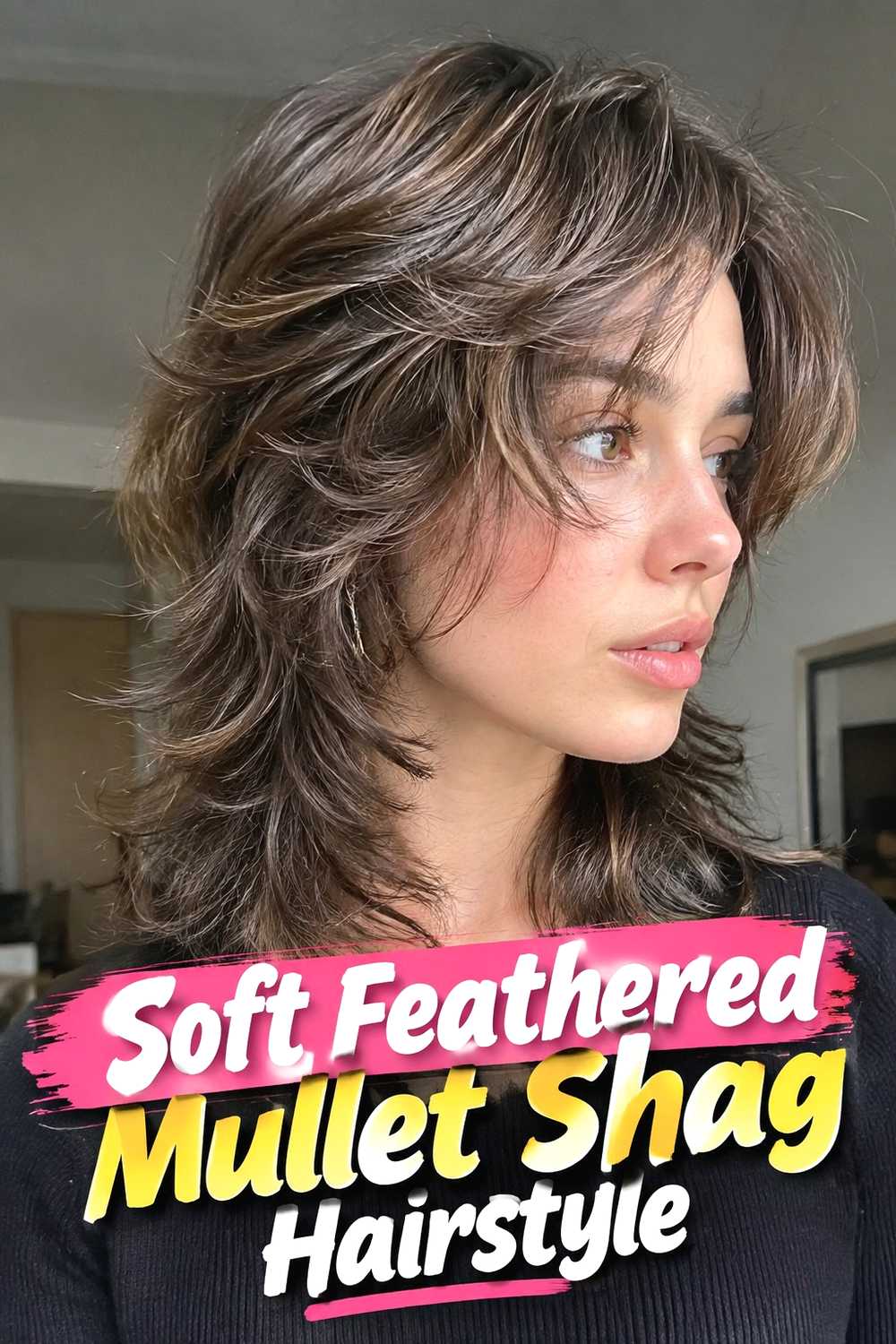
A soft feathered mullet shag creates movement without relying on extreme disconnection. Shorter layers around the crown give the top a light lift, while longer pieces near the ears and neckline gradually fan outward into delicate, tapered ends. The fringe can stay relaxed and slightly separated so it blends naturally into the side layers. This version is particularly appealing if you like the attitude of a mullet but want a shape that feels gentle and easy to wear. Straight and lightly wavy hair can show the feathering especially clearly. The finish should stay flexible rather than overly polished, allowing the ends to move naturally and keeping the haircut from looking stiff.
Styling Notes
Direct selected ends outward while drying, then soften them with your fingers. Avoid shaping every layer identically so the feathered texture retains natural variation.
2. Wispy Fringe Mullet Shag Hairstyle
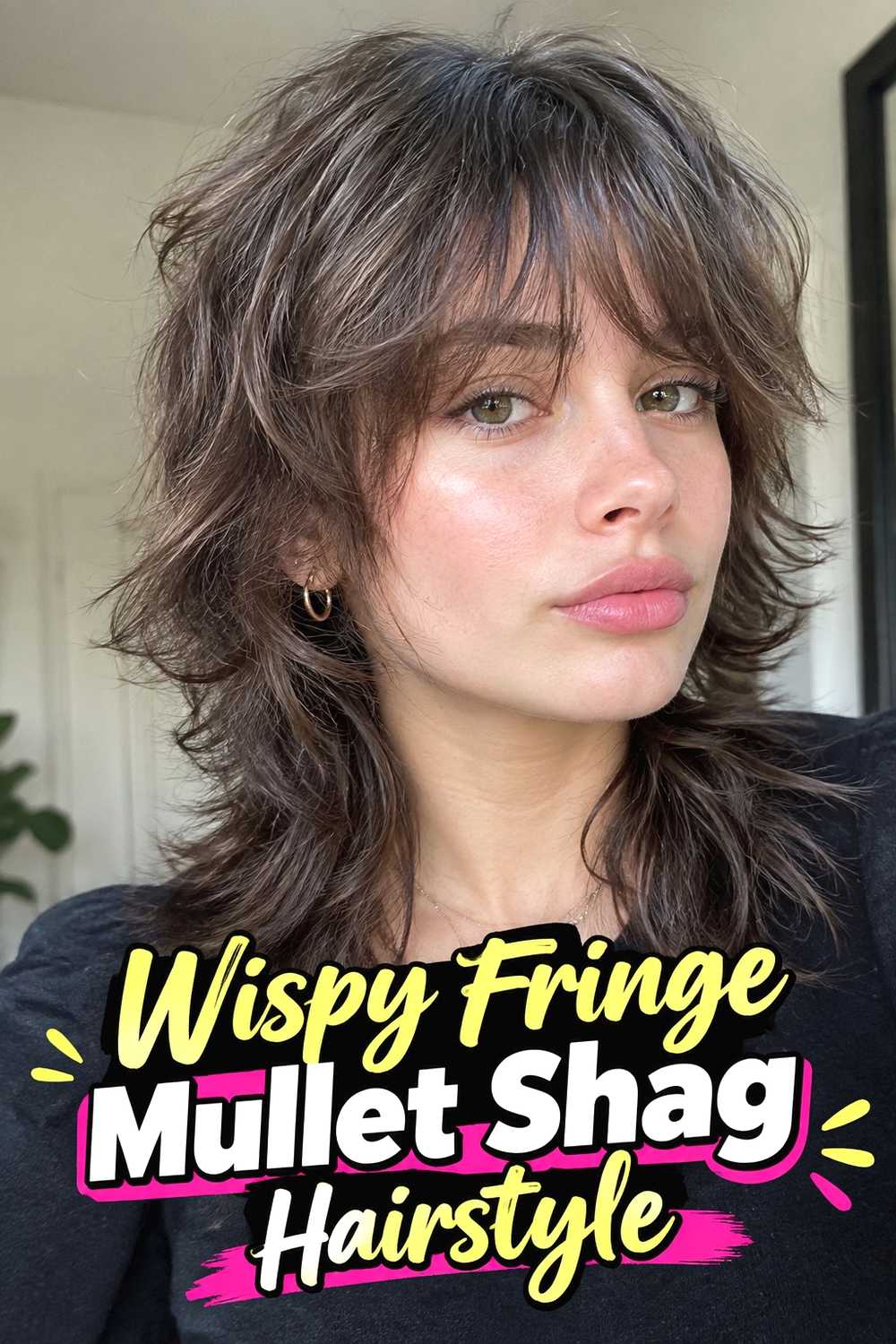
A wispy fringe softens the front of a mullet shag by creating light forehead coverage instead of one dense line of bangs. Fine sections fall at slightly different lengths and gradually connect with shorter pieces around the temples. Behind them, crown layers provide lift while the back lengthens gently toward the nape. This creates a clear shag silhouette without making the mullet element feel too dramatic. The lighter bangs are also flexible enough to split, sweep sideways, or blend into the surrounding layers on different days. Keeping the fringe airy is important, especially on finer hair, because heavy styling products can make those delicate pieces stick together and look much denser than intended.
Best For
This style works well if you want visible bangs but prefer a soft, lightweight finish that can be rearranged easily.
3. Wavy Collarbone Mullet Shag Hairstyle
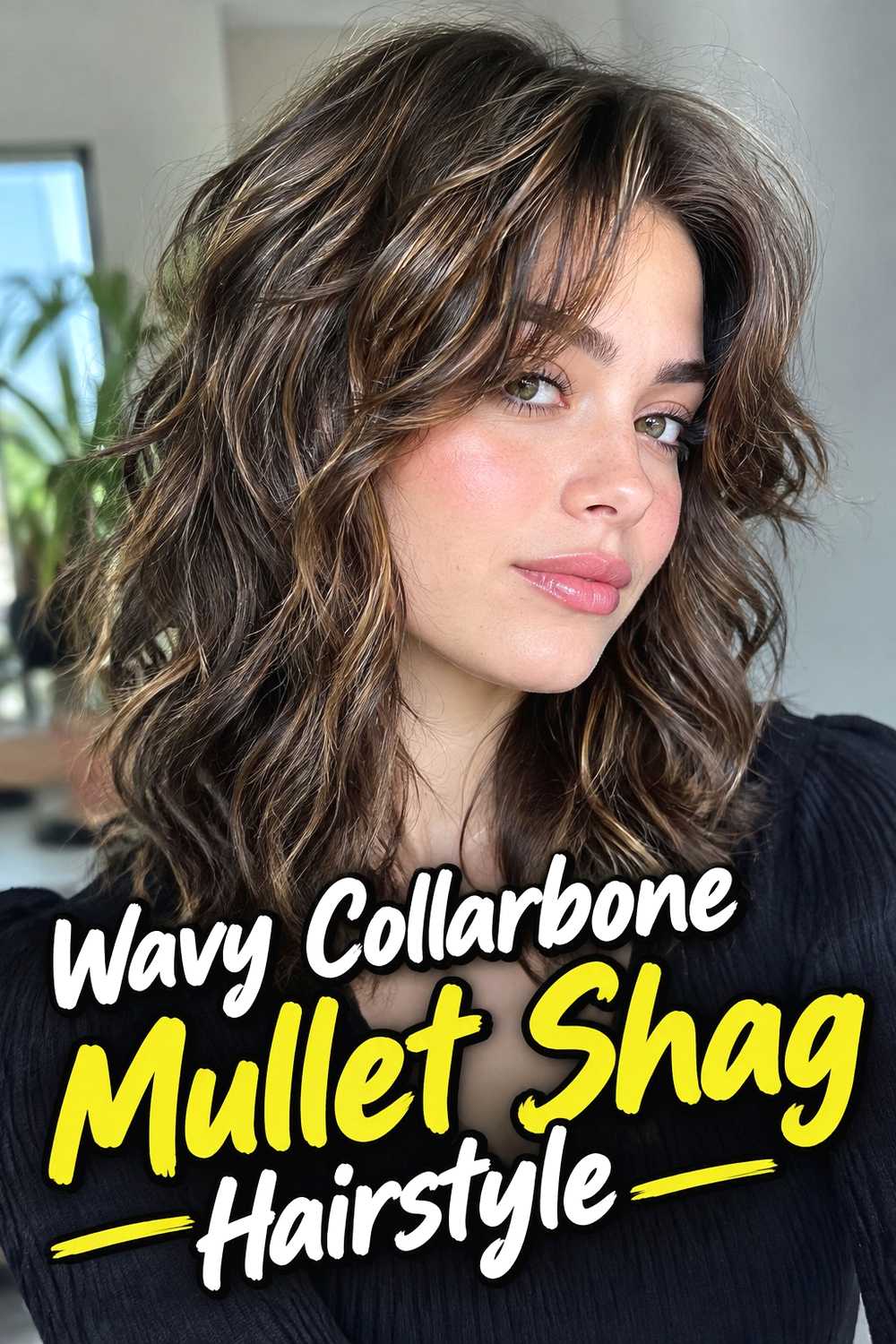
A collarbone-length mullet shag offers more movement than shorter versions while still maintaining obvious layering around the face and crown. Natural waves help connect those layers, creating bends through the mid-lengths and softer flicks near the ends. The front stays relatively light, with shorter pieces framing the forehead and cheek area, while the back reaches toward the collarbone for a relaxed elongated silhouette. This is a useful choice if you want shaggy texture without giving up medium length. The wave pattern keeps the shape from appearing too sharply cut, and the longer perimeter adds versatility. Air-drying or gentle diffusing can preserve movement without turning the style overly polished.
Hair Type & Length
This variation works particularly well with naturally wavy hair and enough dry length to sit around the shoulders or collarbone.
4. Curly Soft Mullet Shag Hairstyle
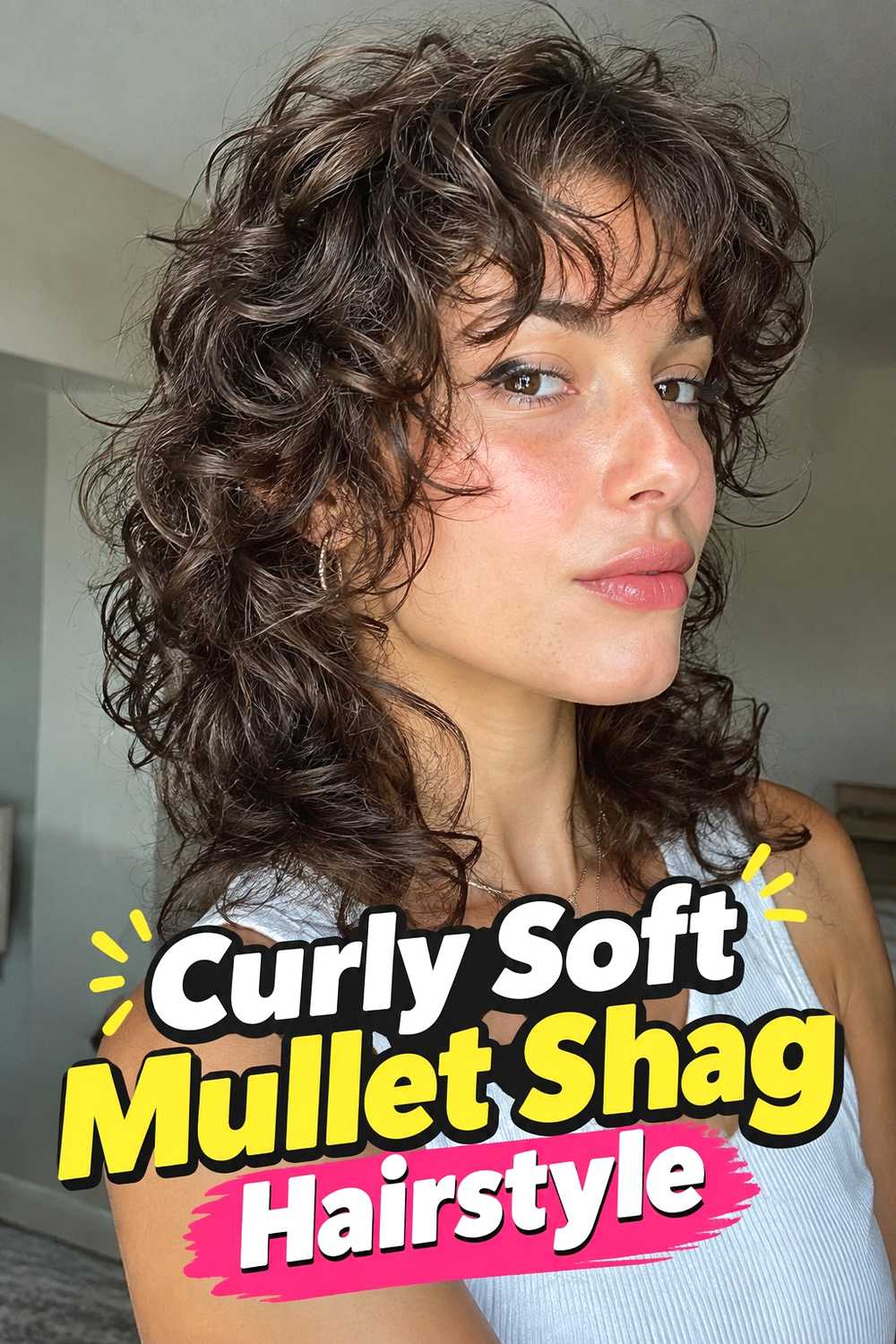
Curls naturally soften the structure of a mullet shag by rounding the crown, breaking up the sides, and giving the longer nape extra bounce. Shorter curls around the forehead can form an easy fringe, while medium layers through the top help distribute volume instead of concentrating it at the bottom. The back remains longer but blends into the rest of the haircut through springy, overlapping curl groups. This version works best when the cut respects the hair’s dry shape and shrinkage. Removing too much weight can make the layers look sparse, while leaving too much may hide the shag structure. Natural variation between curls gives the haircut its relaxed, expressive personality.
Styling Notes
Define curls without forcing them into identical shapes. Once dry, lift the roots gently while leaving most of the ends undisturbed.
5. Rounded Crown Mullet Shag Hairstyle
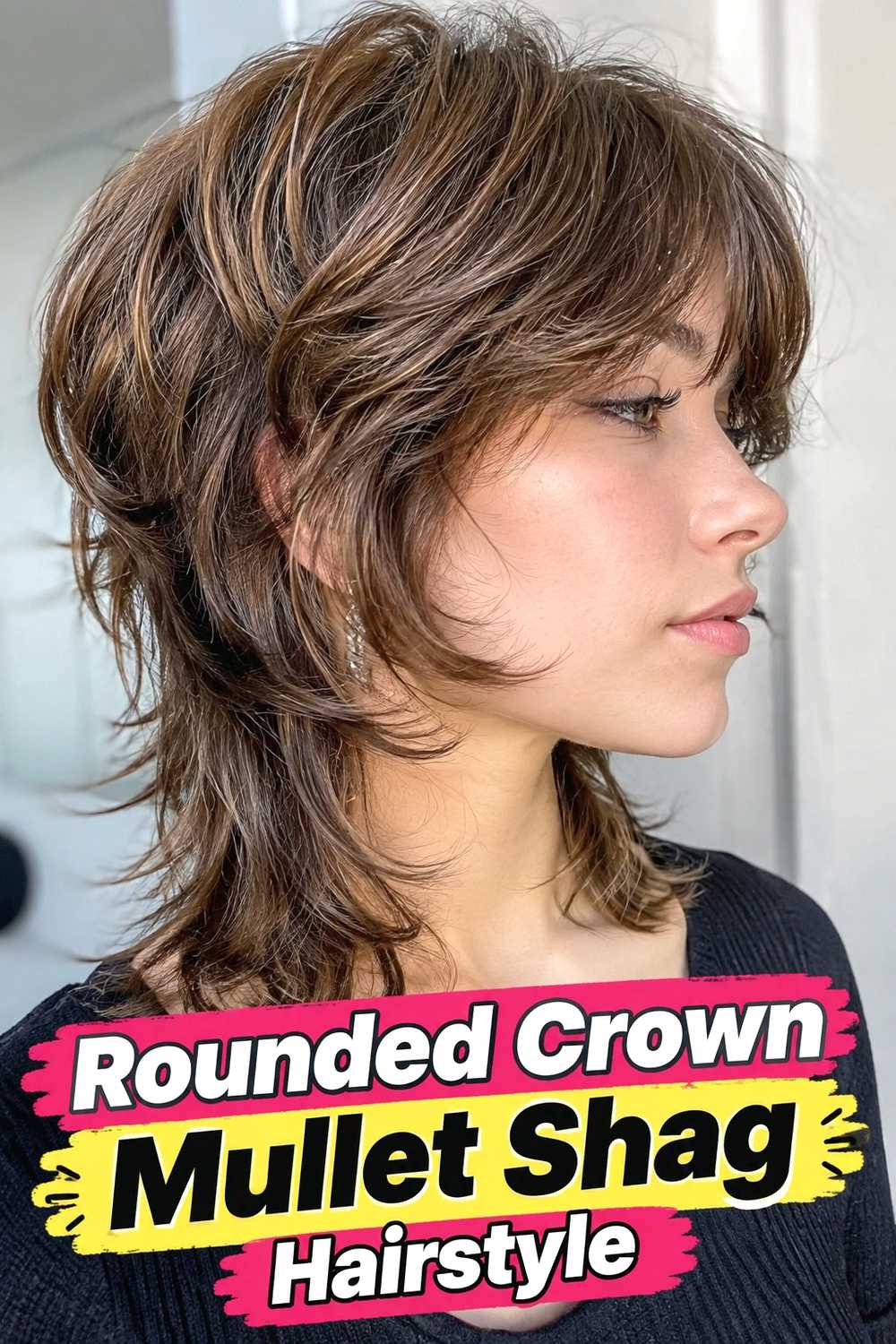
A rounded crown gives the mullet shag a fuller, softer top without relying on spiky height. Short and medium layers stack gently through the upper section, creating volume that tapers toward the temples and ears. From there, the hair gradually becomes longer toward the back, preserving the mullet-inspired profile. This balanced silhouette is a good option when you want noticeable shape but prefer a smoother transition between different lengths. Wavy and curly textures can enhance the rounded crown naturally, while straighter hair may need light root lift to achieve the same effect. Keeping the lower layers airy prevents the overall haircut from becoming too heavy or uniformly round.
Why It Works
The rounded crown balances the longer back, making the silhouette feel cohesive rather than sharply divided between short and long sections.
6. Airy Layered Mullet Shag Hairstyle
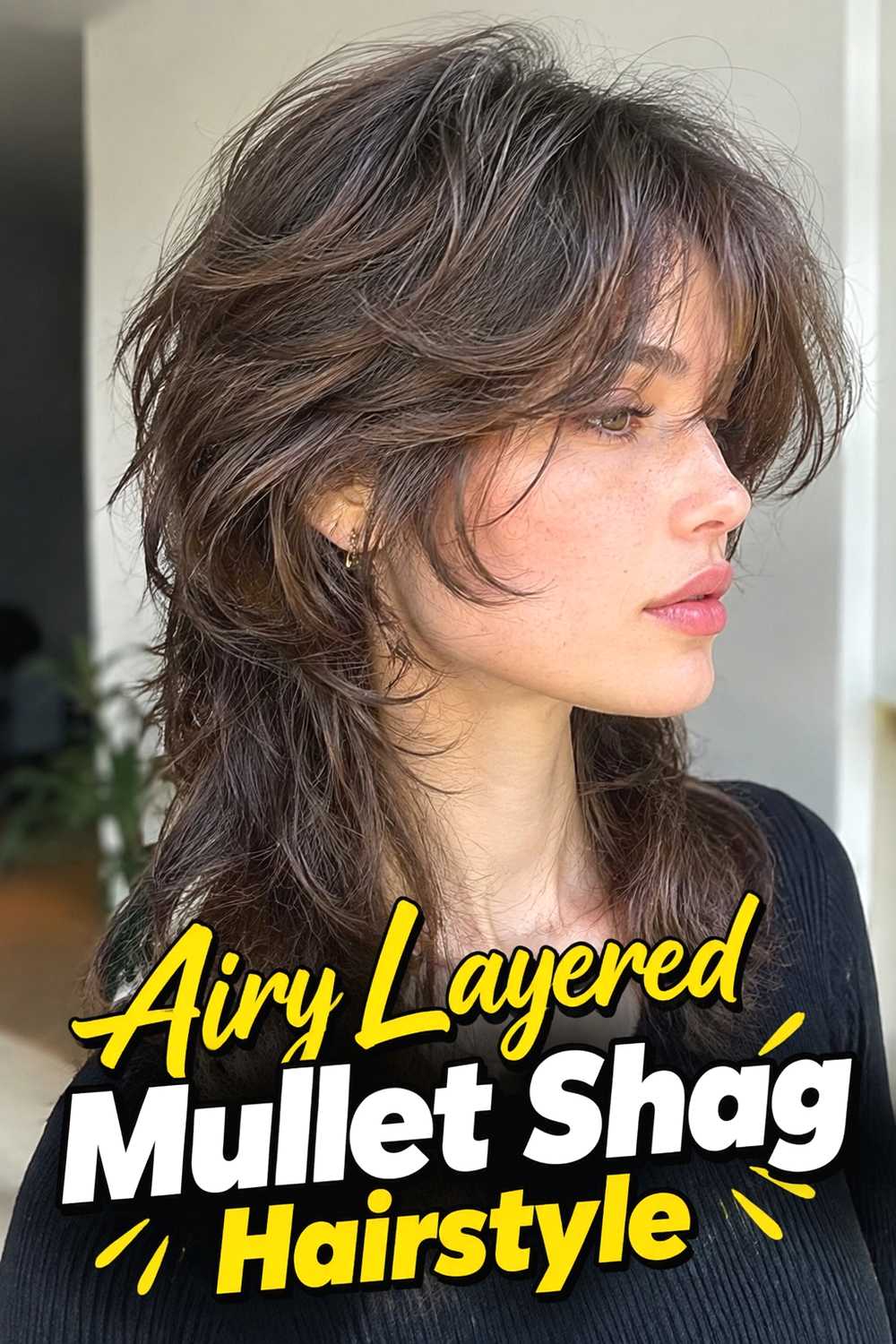
This airy mullet shag focuses on lightness through the entire haircut. Fine layers begin around the crown and face, then continue into longer sections through the sides and nape without creating bulky steps. The ends remain separated and mobile, giving the style a breezy appearance that works especially well on straight or gently wavy hair. A soft fringe can blend into the front layers rather than sitting separately from the haircut. The key is preserving enough density that the style still looks healthy and intentional. Excessive thinning can make the bottom appear weak, so the layering should remove weight strategically while keeping the outline soft and visible.
Wear & Maintenance
Use lightweight products that support movement instead of coating the ends. Occasional shaping can keep the airy layers from becoming uneven as they grow.
7. Side Swept Fringe Mullet Shag Hairstyle
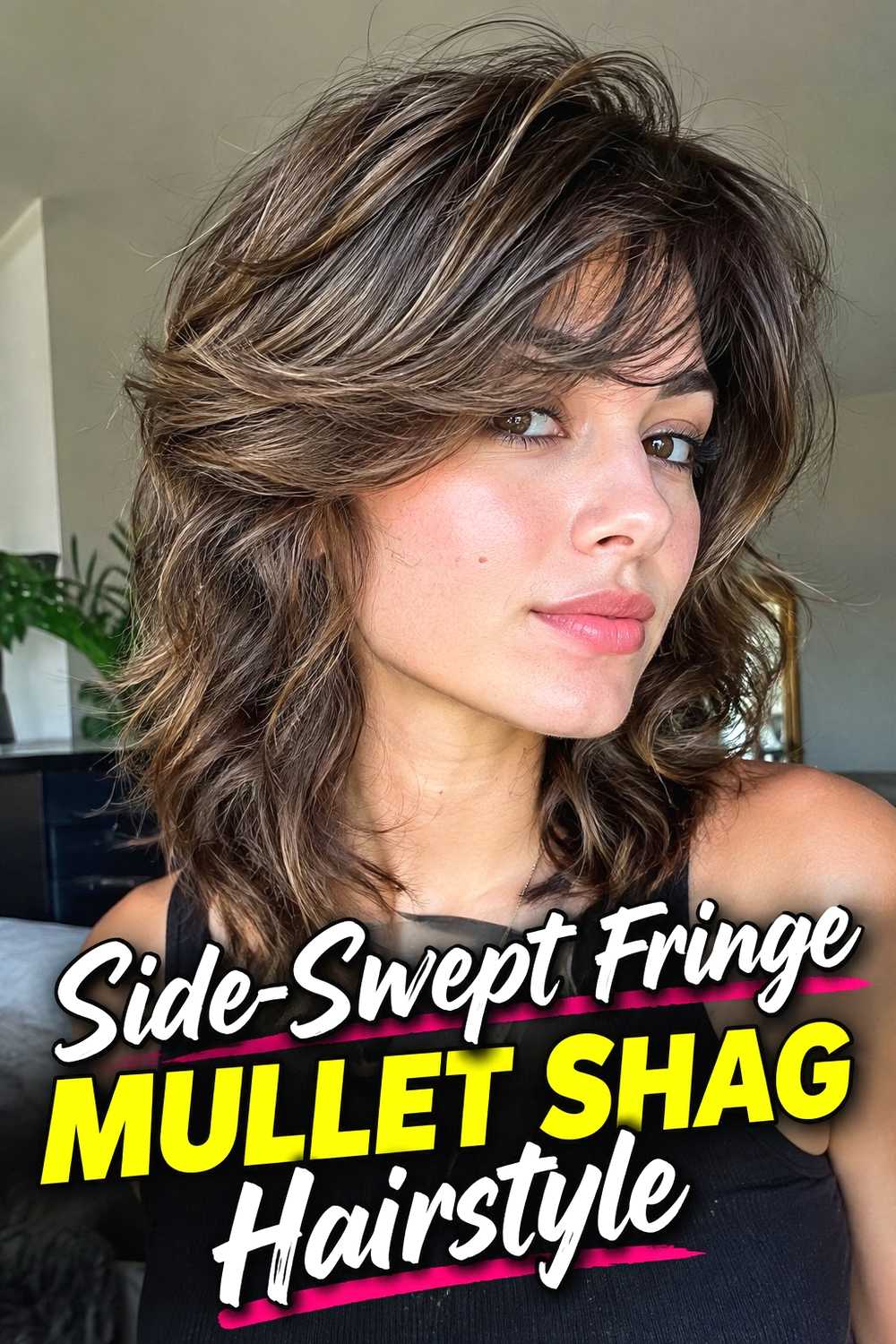
A side-swept fringe gives the mullet shag a softer asymmetrical front while keeping plenty of movement through the crown and nape. Longer bangs travel diagonally across the forehead and blend into face-framing side layers, making them easier to tuck or redirect than a short straight-across fringe. The crown remains textured but not overly tall, and the back gradually extends into relaxed shaggy length. This shape works especially well when the hair already favors a natural side part because the fringe can follow its existing growth pattern. A little separation through the ends keeps the sweep from becoming too smooth, allowing it to stay connected to the deliberately undone texture throughout the rest of the haircut.
Styling Notes
Dry the fringe toward its preferred side first, then loosen a few front pieces with your fingertips to preserve softness and texture.
8. Short Soft Mullet Shag Hairstyle
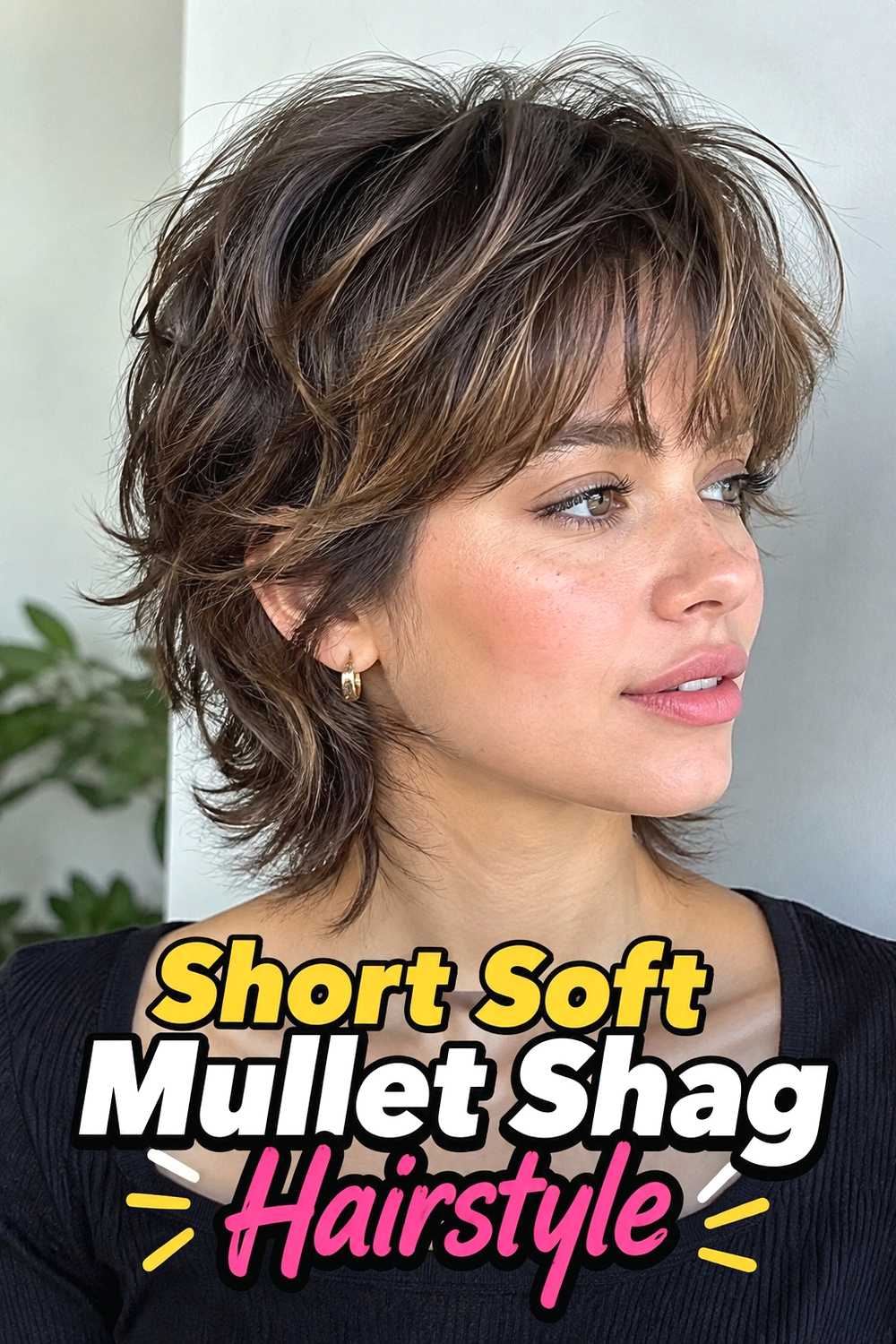
A short mullet shag keeps the overall haircut compact while using strategic length at the nape to preserve the mullet influence. Crown layers create lift, the sides remain soft around the ears, and the back drops only slightly lower rather than forming a long tail. This version can feel closer to a pixie-shag, making it a practical introduction to the style if you are not ready for a dramatic back section. The shorter silhouette also puts extra attention on fringe shape and crown texture. Straight, wavy, and curly hair can all adapt to the cut when the layering matches the natural pattern. Soft edges prevent the compact shape from appearing overly severe.
Best For
Choose this version if you want shaggy movement with less hair around the neck and a subtler mullet profile.
9. Long Nape Mullet Shag Hairstyle
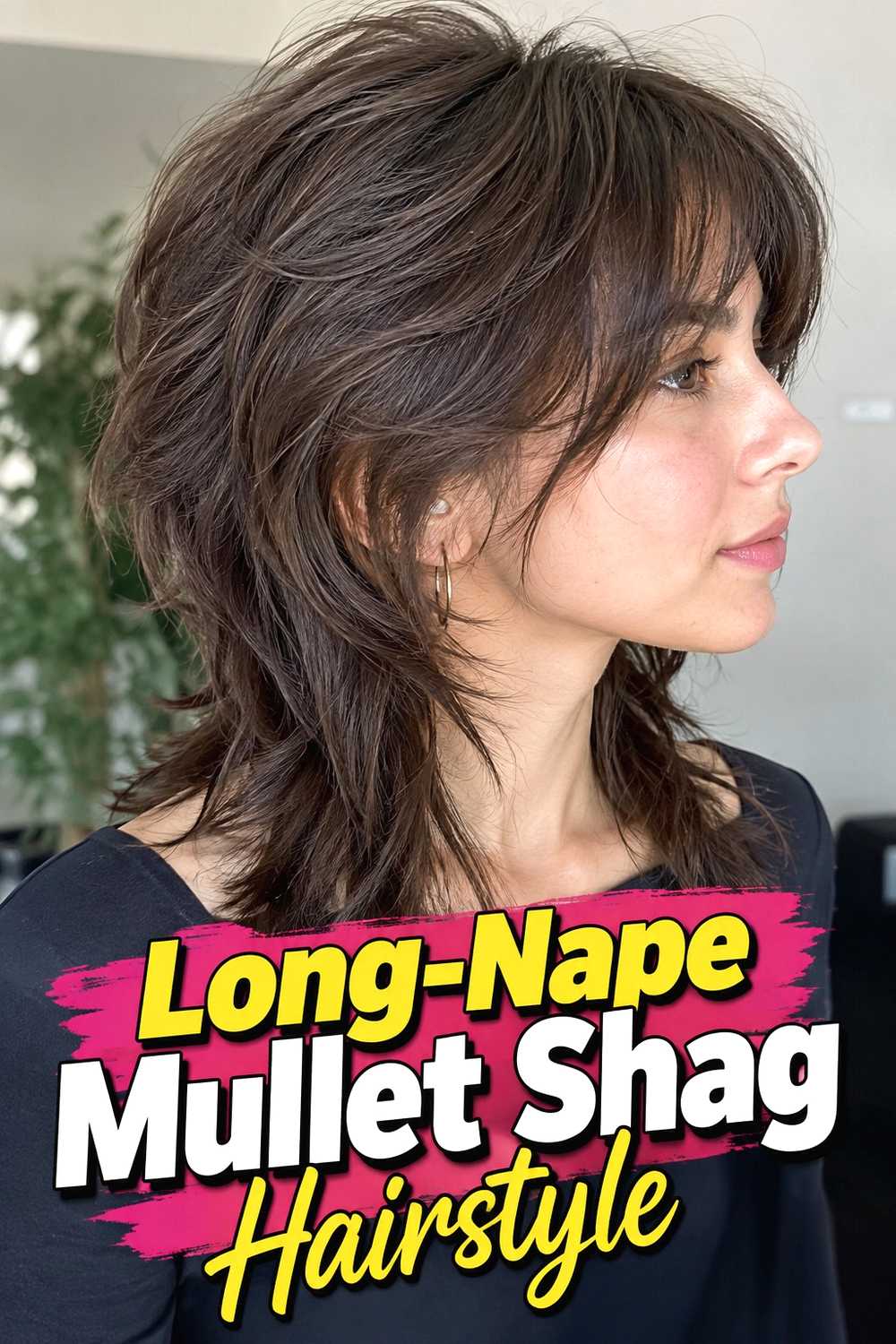
A longer nape makes the mullet influence more obvious while soft layering keeps the haircut wearable. The front and crown stay relatively light, with shorter pieces around the forehead and ears creating movement before gradually transitioning into the elongated back. Rather than forming one thick tail, the nape is broken into flexible sections that can flick, wave, or lie naturally against the neck. The result has noticeable front-to-back contrast without requiring shaved sides or an extreme disconnect. This shape works well if you enjoy a more distinctive profile and do not mind extra length around collars. Maintaining some crown volume is important so the back feels connected to the rest of the haircut.
Wear & Maintenance
Refresh the nape with light product when needed, and trim only enough to preserve its tapered movement rather than turning it into a blunt line.
10. Piecey Bangs Mullet Shag Hairstyle
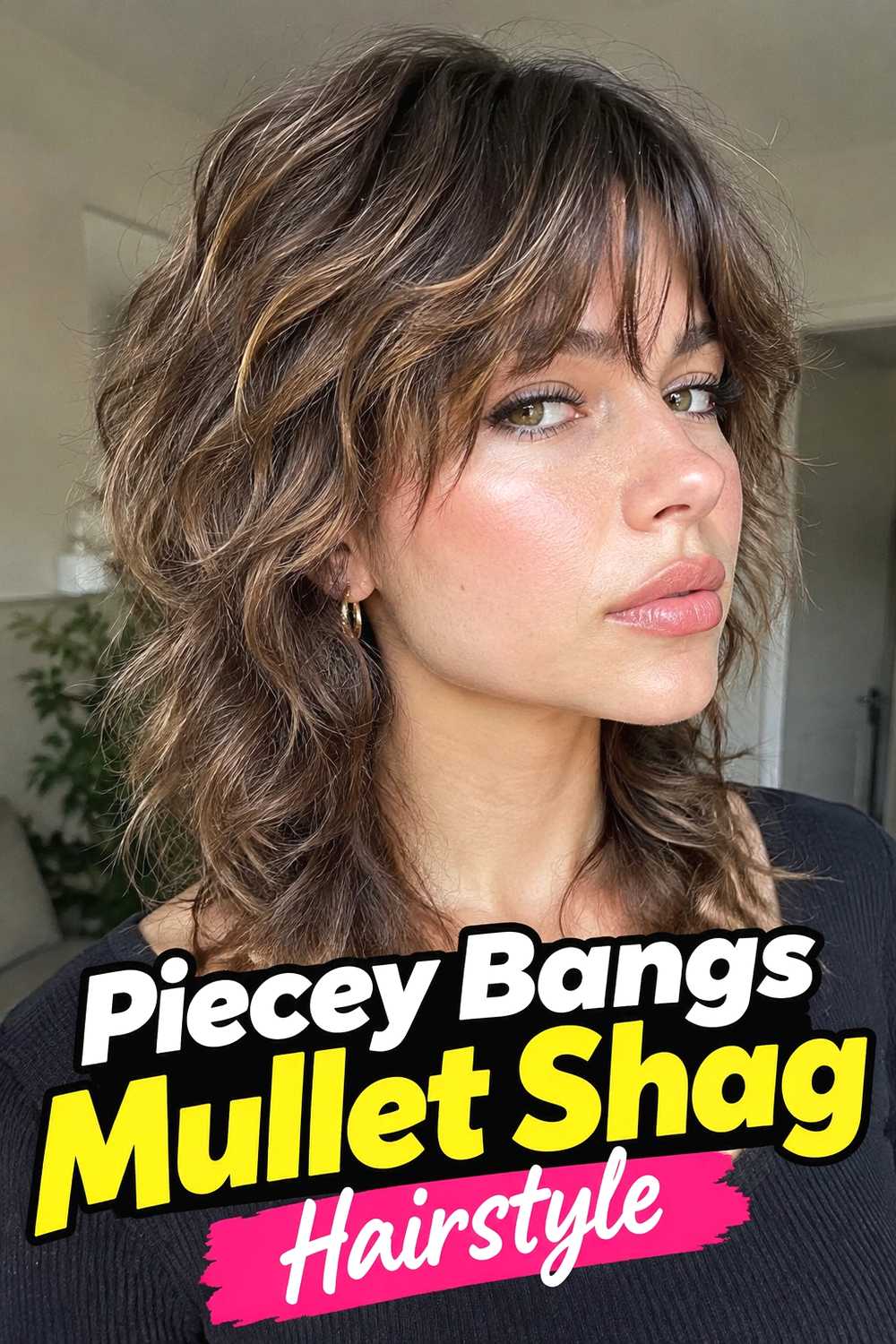
Piecey bangs bring definition to the front of this mullet shag while leaving small spaces between individual sections. The fringe falls in uneven, textured pieces rather than forming a heavy block, and those sections blend into short layers around the temples. Crown layers add light lift, while the back gradually lengthens into a relaxed nape. This version is especially effective on straight or wavy hair because the separated ends remain easy to see. The main styling goal is selective definition rather than coating every strand. Emphasizing only a few bangs and nape pieces creates a natural textured finish, while leaving the remaining hair softer prevents the haircut from looking overly arranged.
Pro Tip
Use a tiny amount of styling paste on your fingertips and pinch only selected bangs. Too much product can remove the airy separation that gives the style its character.
11. Fluffy Textured Mullet Shag Hairstyle
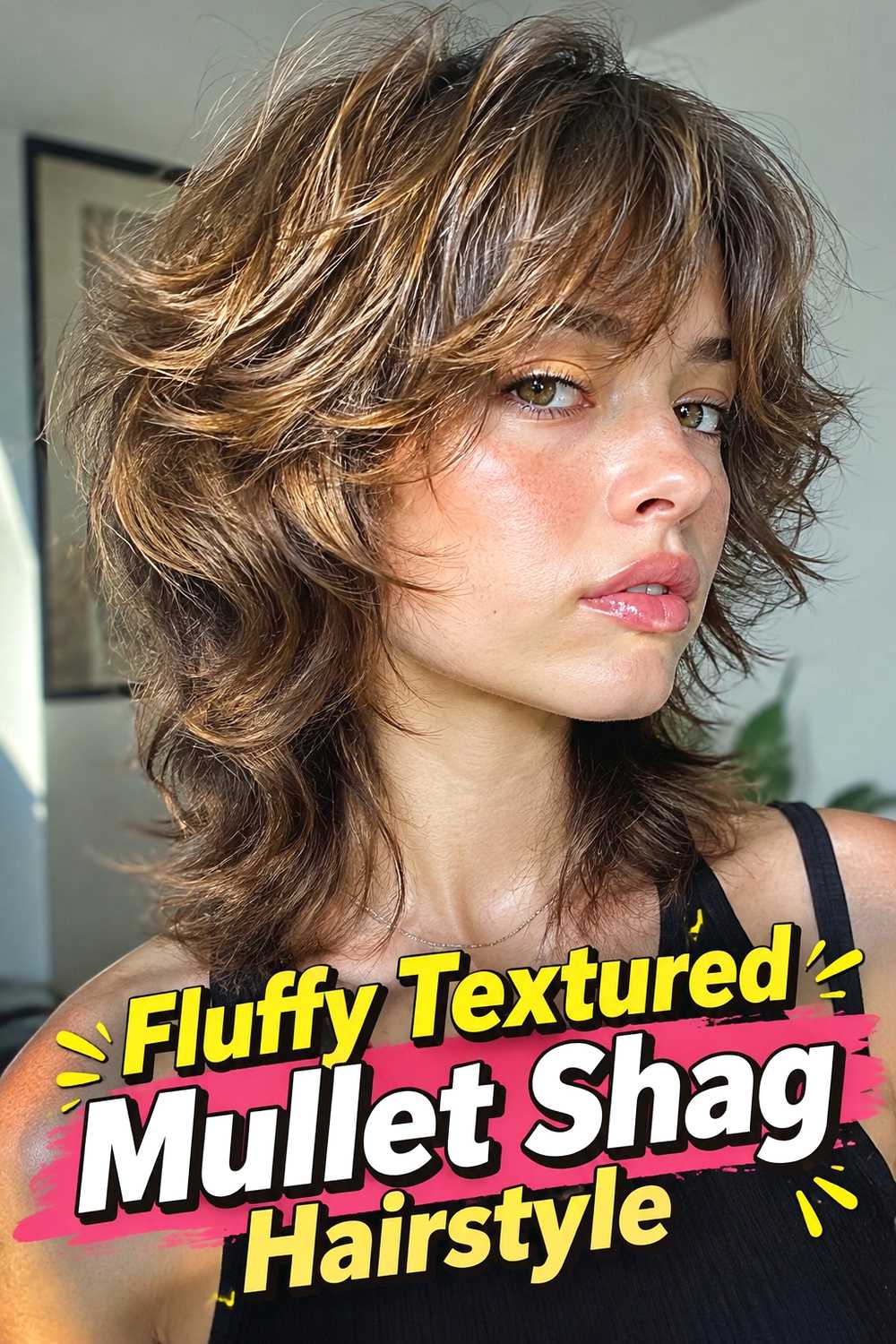
The fluffy mullet shag focuses on volume and touchable texture rather than precise definition. Shorter crown layers lift away from the scalp, while the sides remain soft and broken up enough to keep the haircut from forming one perfect rounded shape. Longer pieces through the nape add movement and maintain the mullet-inspired silhouette. Wavy, curly, or naturally full hair can create this finish with minimal effort, while straighter textures may benefit from root lift and light texturizing products. The goal is softness rather than maximum height. Keeping some visible separation at the ears and neckline helps the structure remain readable underneath the fuller texture, so the hairstyle still looks like a shag rather than an undefined mass.
Styling Notes
Build lift at the roots after the hair is mostly dry, then leave the ends flexible. Avoid brushing the finished texture into one smooth shape.
12. Face Framing Mullet Shag Hairstyle
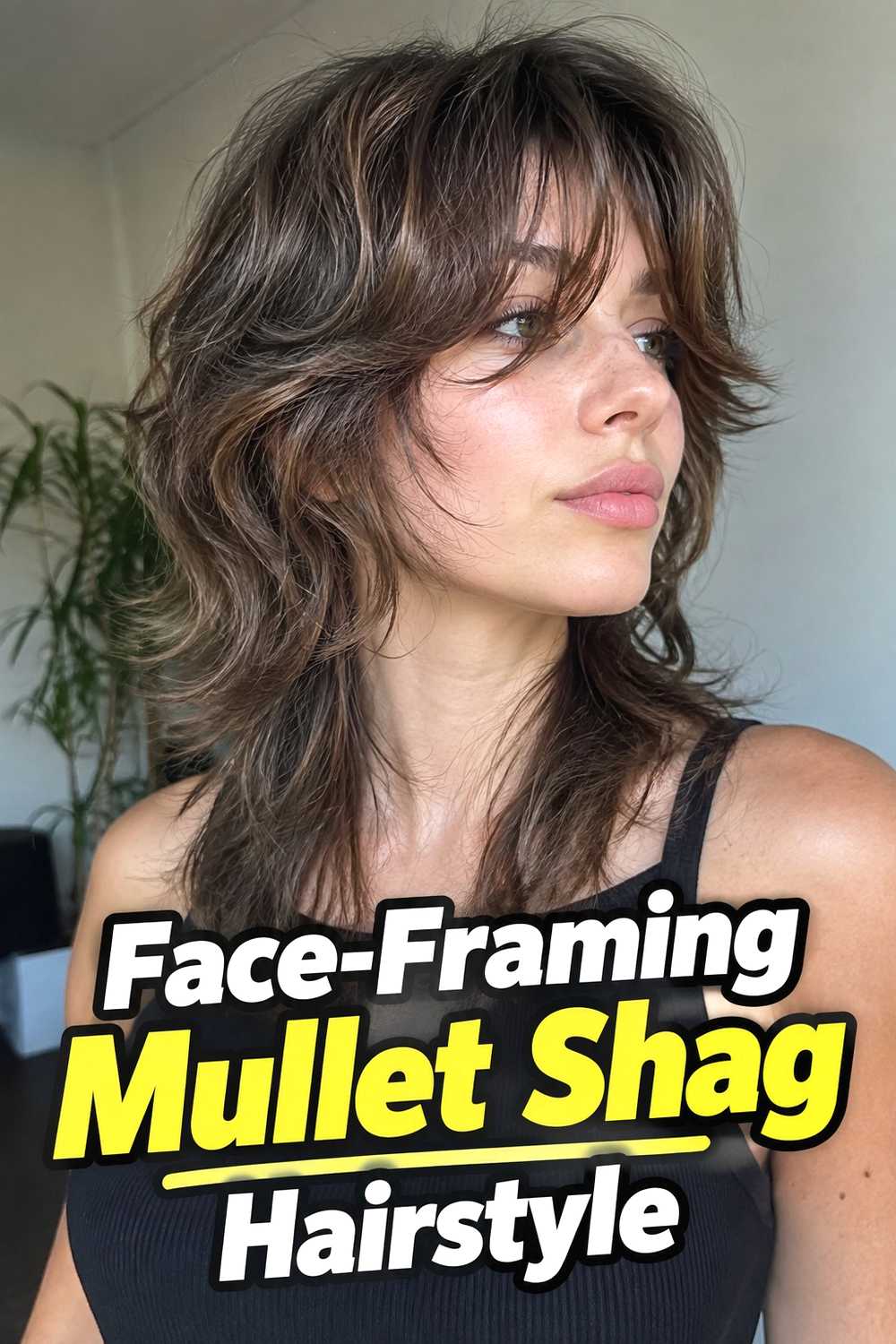
Face-framing layers make this mullet shag feel softer and more adaptable around the front. Shorter pieces begin near the forehead, cheekbones, or jaw area and gradually blend into longer side sections, avoiding the abrupt line of a traditional heavy fringe. The crown remains lightly layered for movement, while the back extends into a textured nape that keeps the mullet influence visible. This approach works well if you want the benefits of bangs without committing to one fixed fringe shape. The front pieces can be worn forward, parted, swept aside, or tucked depending on the day. Keeping those layers connected to the crown gives the haircut a continuous flow from face framing to longer back length.
Best For
This style suits anyone who wants flexible front shaping and a softer transition between the shag layers and mullet-inspired nape.
13. Grown Out Soft Mullet Shag Hairstyle
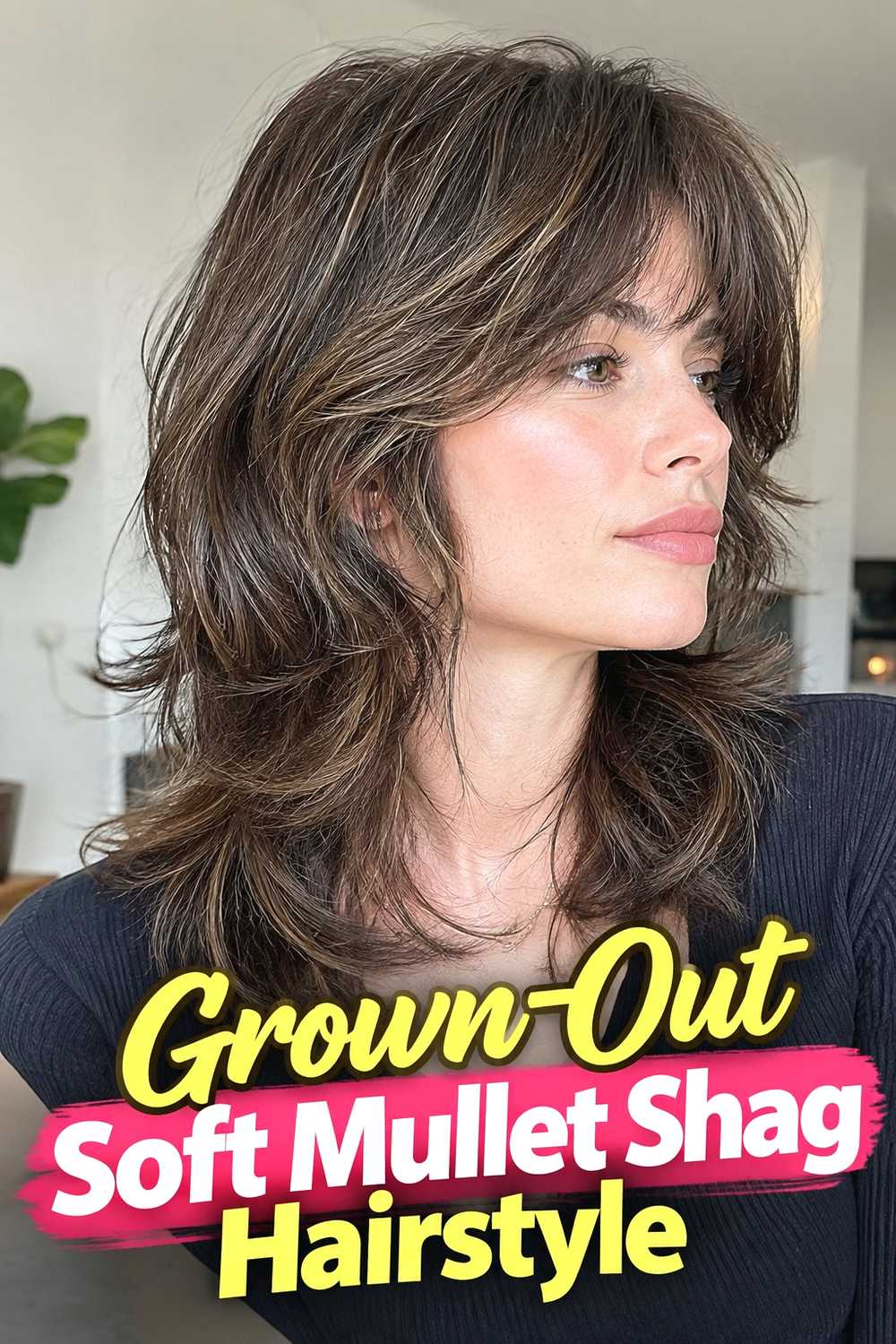
A grown-out mullet shag uses extra length as part of the style rather than treating it as an awkward stage. The fringe becomes softer, side layers fall farther past the ears, and the nape gains additional movement against the shoulders or neck. Strategic trimming can remove bulky areas while allowing the overall silhouette to remain loose and elongated. This makes the cut a practical option if you are growing out a shorter shag, mixie, or mullet but still want the shape to look intentional. Natural waves and bends can make the transition especially forgiving. Instead of trimming every section evenly, maintain balance through the crown and face while allowing useful length to continue developing through the back.
Wear & Maintenance
Ask for reshaping rather than an all-over shortening when the haircut starts to feel heavy. This preserves the grown-out character while improving movement.
How to Choose the Right Look
Start with how obvious you want the mullet influence to be. A short soft mullet shag or rounded crown version keeps the profile subtle, while long-nape and grown-out styles make the back length much more visible.
Next, compare fringe options. Wispy bangs create light coverage, piecey bangs add more texture, side-swept fringe gives you extra styling flexibility, and face-framing layers work well if you prefer not to commit to traditional bangs.
Hair texture also affects the finished silhouette. Waves naturally emphasize shaggy movement, curls create rounded volume and spring, and straighter hair can highlight feathered layers and separated ends. Density matters too, since very heavy layering may remove too much fullness from finer hair.
Finally, consider styling time and maintenance. Shorter fringes and precisely shaped layers may need more frequent trims, while airy, grown-out, and softly blended versions usually tolerate extra length more easily.
Final Thoughts
Soft mullet shag hairstyles combine movement, layered texture, and a longer back without requiring the sharp contrasts of a traditional mullet. Feathered ends, loose waves, curls, and flexible fringe can all make the shape feel more relaxed. Choose the version that works with your natural texture and preferred maintenance level, then adjust the crown and nape proportions to make the haircut feel personal and wearable.
FAQs
1. What makes a mullet shag look soft?
Blended layers, feathered ends, light fringe, natural texture, and a gradual transition into the nape make the haircut feel softer than a sharply disconnected mullet.
2. Can curly hair work with a soft mullet shag?
Yes. Curls can naturally soften the layers and create volume through the crown. The cut should account for shrinkage and the way the curls settle when dry.
3. Is a soft mullet shag good for wavy hair?
Wavy hair works especially well because natural bends emphasize the layered movement and help connect shorter front pieces with the longer back.
4. How long should the back of a soft mullet shag be?
There is no single required length. A shorter nape creates a subtle effect, while a longer nape makes the mullet influence more noticeable.
5. Is a soft mullet shag difficult to grow out?
It can be relatively forgiving because the style already uses varied layers. Occasional reshaping can control excess bulk while preserving useful length through the sides and back.
Save your favorite soft mullet shag hairstyles and share the ideas that inspire your next layered, textured haircut.