15 Lace Headscarf Hairstyles for Elegant, Feminine Looks
Delicate lace meets effortless hair styling in these feminine headscarf ideas, from soft waves and textured curls to polished buns and romantic braids.
A lace headscarf can add softness and visual detail without requiring an elaborate hairstyle underneath. The key is choosing a look that lets the lace remain visible while keeping the hair shape intentional. Loose textures create a relaxed romantic mood, while smooth ponytails, structured braids, and tucked updos give the accessory a cleaner, more polished finish.
When choosing among these ideas, consider how much hair you want exposed, whether the scarf needs to stay secure for several hours, and how the lace pattern interacts with your texture and volume. Natural strands, believable movement, realistic density, and practical scarf placement help the finished style look wearable rather than overly staged.
Quick List
- Soft Waves With Lace Headscarf Hairstyle
- Low Bun With Lace Headscarf Hairstyle
- Half Up Lace Headscarf Hairstyle
- Loose Braid With Lace Headscarf Hairstyle
- High Ponytail With Lace Headscarf Hairstyle
- Messy Bun With Lace Headscarf Hairstyle
- Sleek Low Ponytail Lace Headscarf Hairstyle
- Curly Hair Lace Headscarf Hairstyle
- Side Swept Waves With Lace Headscarf Hairstyle
- French Braid Lace Headscarf Hairstyle
- Bob Cut With Lace Headscarf Hairstyle
- Twisted Updo Lace Headscarf Hairstyle
- Braided Crown With Lace Headscarf Hairstyle
- Natural Texture Lace Headscarf Hairstyle
- Face Framing Tendrils With Lace Headscarf Hairstyle
1. Soft Waves With Lace Headscarf Hairstyle
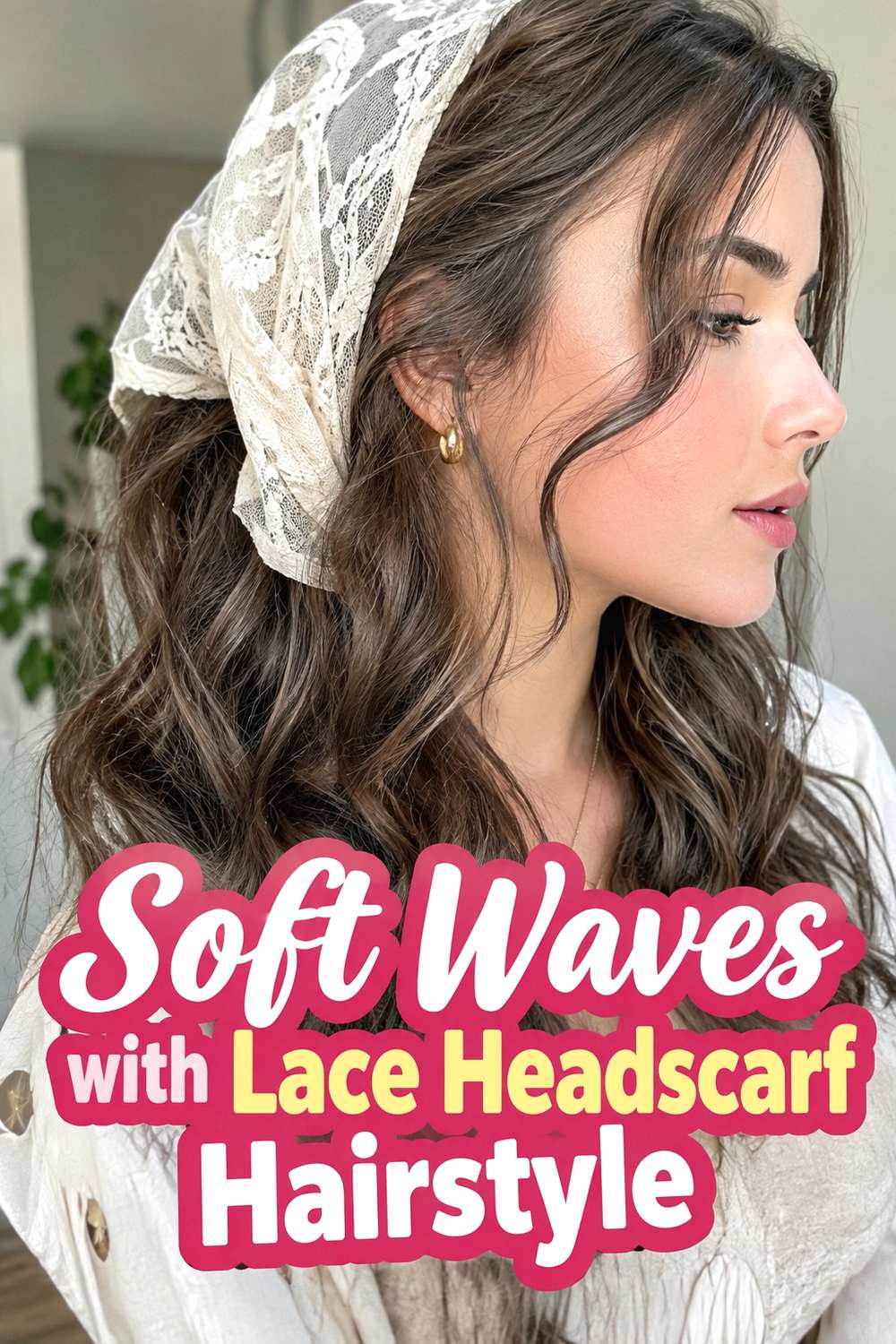
Soft waves give a lace headscarf a relaxed, romantic base that feels polished without looking overly formal. The scarf can sit slightly behind the hairline so the front sections remain visible, while loose bends fall around the shoulders with natural movement. This style works especially well when the waves are brushed out rather than tightly curled, because the softer texture complements delicate lace instead of competing with it. Medium and long hair offer the easiest balance of volume and scarf visibility. Keep the crown lightly lifted and avoid placing the headscarf too tightly, since a little softness around the top makes the finished look more effortless.
Styling Notes
Use a wide-barrel curling iron or heatless wave method, then loosen the pattern with your fingers. Secure the scarf with discreet pins behind the ears if the lace tends to slide.
2. Low Bun With Lace Headscarf Hairstyle
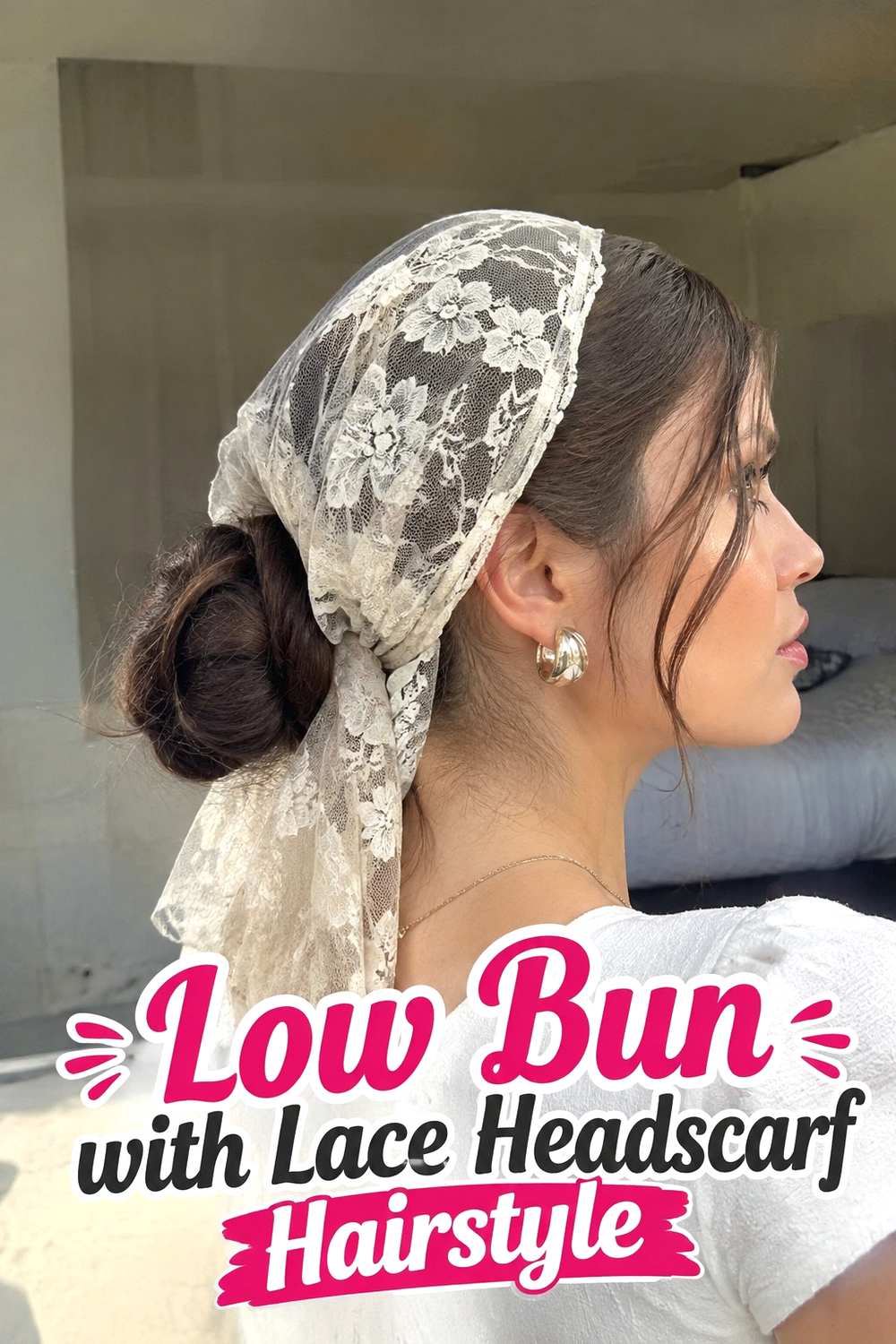
A low bun creates an elegant foundation for a lace headscarf because it keeps the neckline clean while allowing the fabric to frame the crown. Position the bun at the nape and let the scarf sit over or just above it depending on how much lace you want to display. A softly twisted bun gives the style a romantic finish, while a smoother bun feels more refined. This look is useful for longer wear because the hair stays controlled and away from the face. Medium to long hair works naturally, although shorter lengths can achieve a similar effect with careful pinning. A few light face-framing pieces can soften the overall silhouette.
Best For
This style suits weddings, dinners, family celebrations, formal gatherings, and any occasion where you want the lace accessory to feel graceful rather than casual.
3. Half Up Lace Headscarf Hairstyle
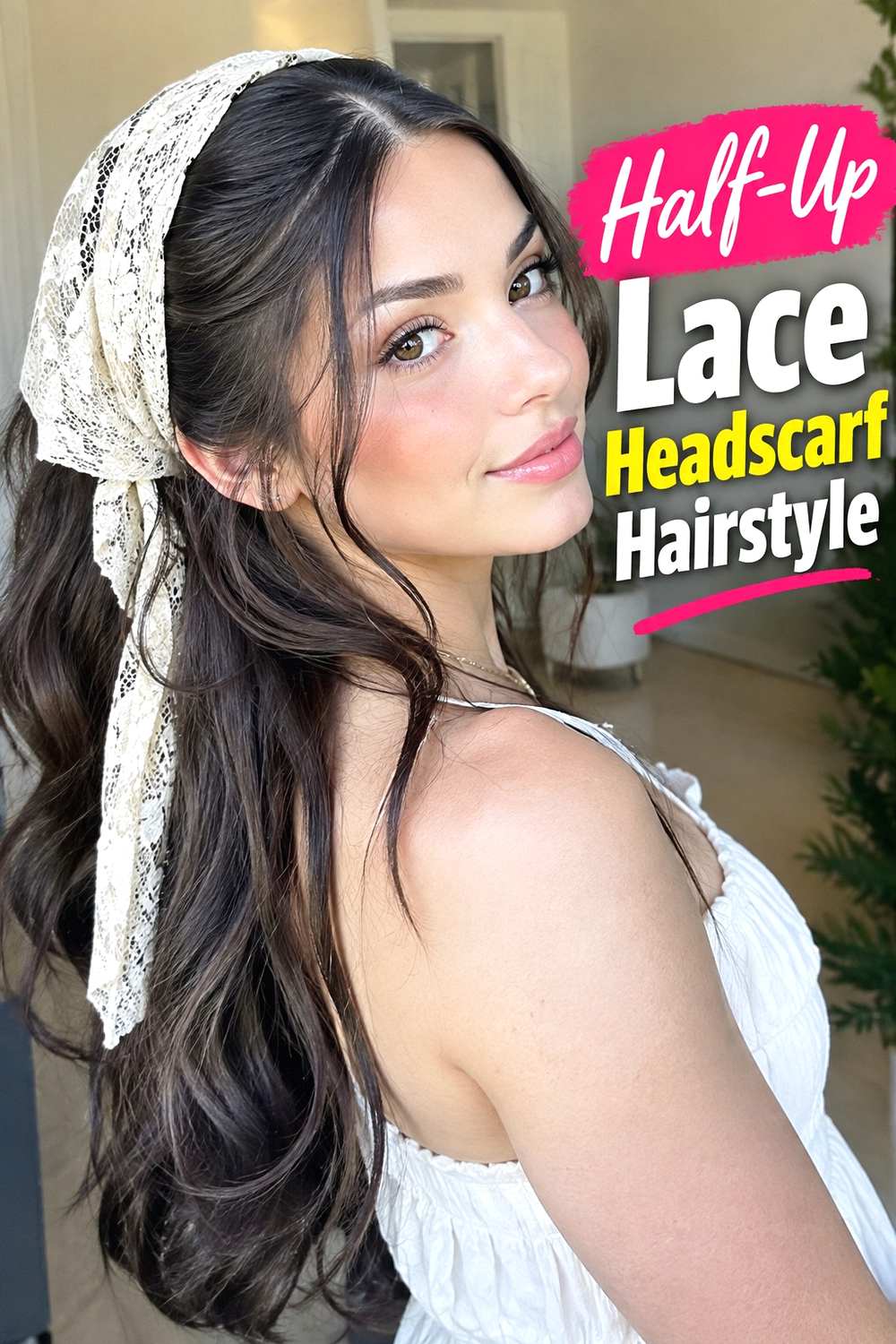
The half-up lace headscarf hairstyle balances structure with loose movement, making it a versatile choice when you want to show both the scarf and your hair length. Gather the upper sections loosely at the back while leaving the lower hair flowing. The lace scarf can wrap around the gathered area or sit over the crown with the half-up section helping to anchor it. Soft waves, light curls, and straight hair can all work with this shape. Avoid pulling the top section too tightly, because a little crown volume keeps the scarf from flattening the hairstyle. This option is especially useful when you like an accessory-focused look but still want plenty of visible texture.
Why It Works
The secured upper section gives the scarf extra stability while the loose lower lengths keep the result feminine, dimensional, and easy to personalize.
4. Loose Braid With Lace Headscarf Hairstyle
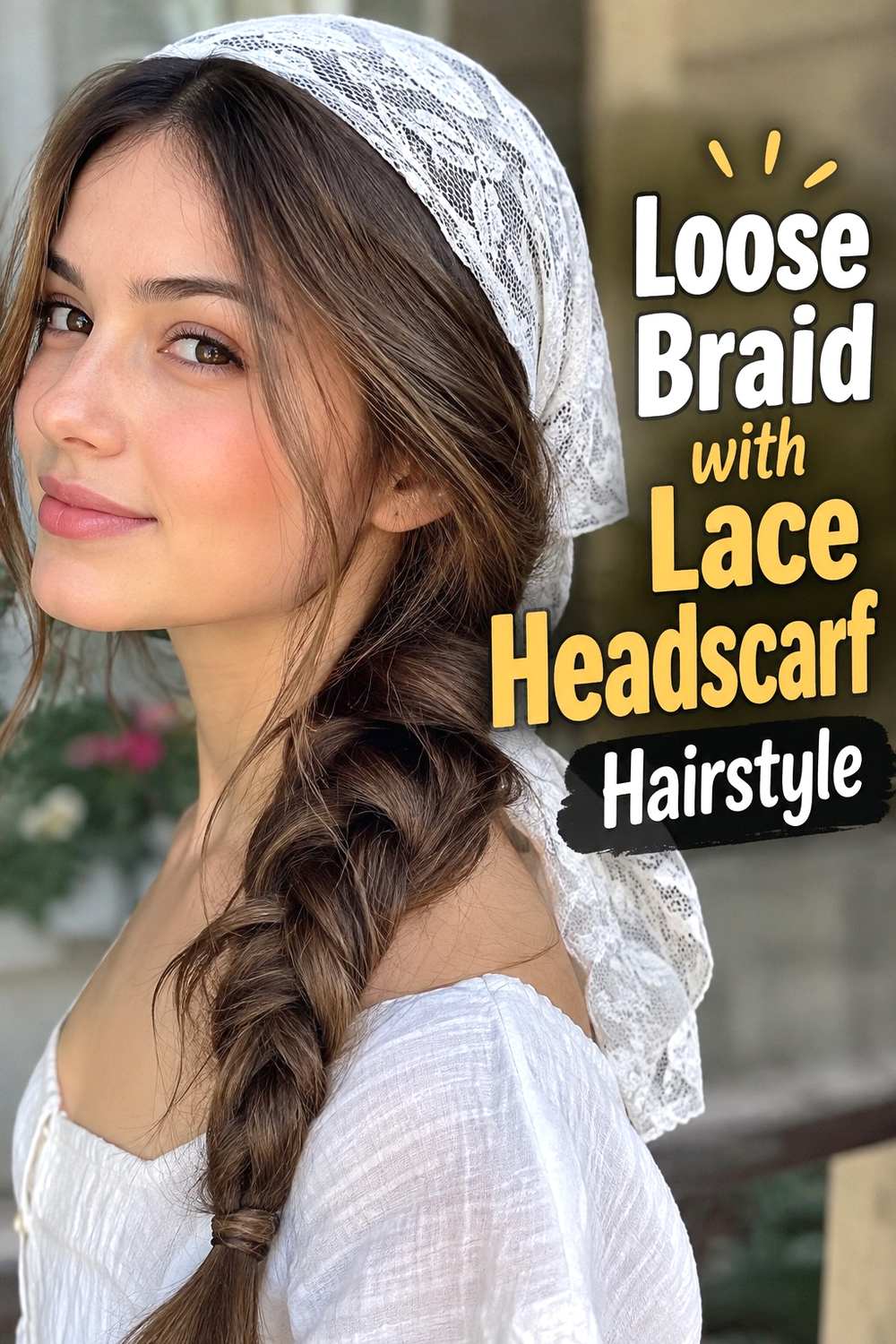
A loose braid paired with a lace headscarf creates a soft, textured style with plenty of visual interest. Start with a relaxed three-strand braid down the back or over one shoulder, then gently widen the sections for a fuller appearance. The scarf can be placed across the crown and tied beneath the braid, or wrapped near the braid’s starting point for a more integrated finish. This hairstyle is particularly flattering on medium to long hair because there is enough length to showcase both the braid and the accessory. Natural flyaways are welcome here, but keeping the braid secure at its base prevents the look from becoming messy as the day continues.
Wear & Maintenance
Use a small clear or fabric-covered elastic and carry a few bobby pins for the scarf. Very silky hair may benefit from light texture spray before braiding.
5. High Ponytail With Lace Headscarf Hairstyle
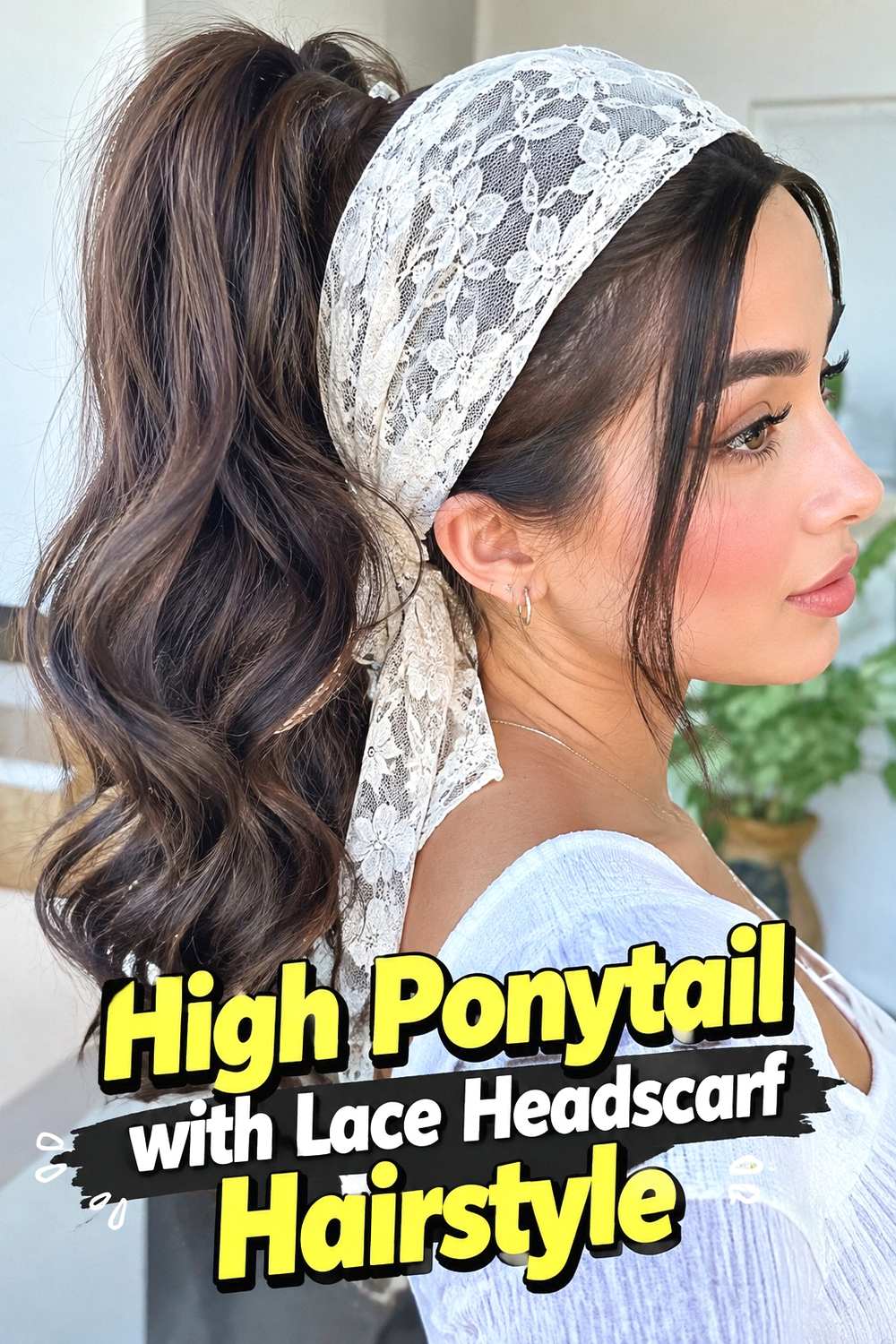
A high ponytail gives a lace headscarf a youthful, lifted silhouette while keeping the hairstyle clean and easy to see. Secure the ponytail near the crown, then position the lace scarf around the base or slightly forward over the top of the head. A softly curled ponytail creates a playful feminine finish, while straighter lengths make the accessory feel more modern. The style works best when the scarf does not cover the ponytail tie point completely, so the structure remains visible. Thick and medium-density hair can create natural fullness, while finer hair may benefit from gentle root volume. Keep the front smooth or release two small pieces around the face for softness.
Pro Tip
Pin the scarf underneath the ponytail rather than directly on top of the elastic. This helps preserve lift while keeping the lace from shifting backward.
6. Messy Bun With Lace Headscarf Hairstyle
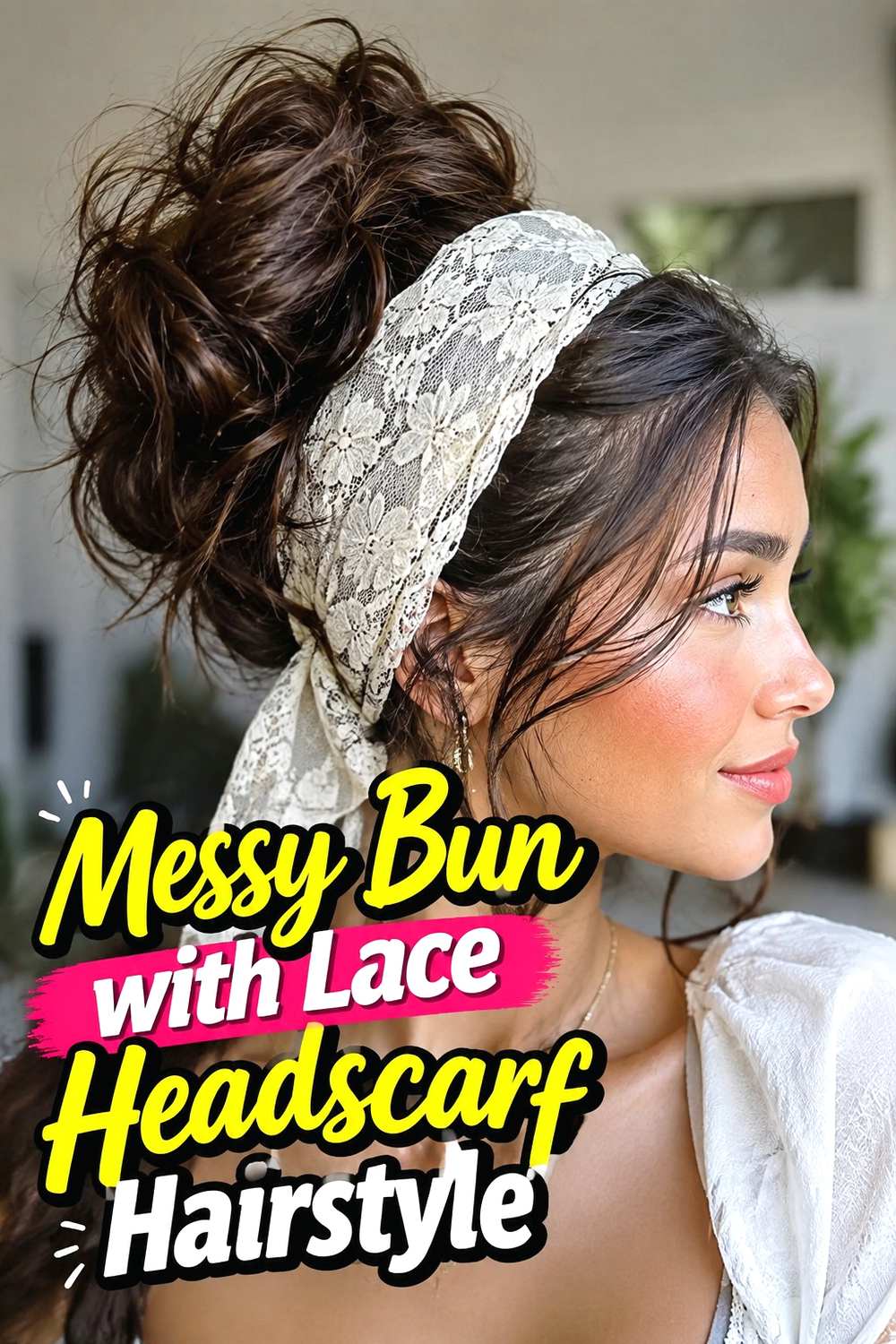
The messy bun and lace headscarf combination feels relaxed, feminine, and intentionally undone. Gather the hair into a medium or high bun, allowing a few soft pieces to escape naturally around the hairline and nape. The lace scarf can wrap around the head just behind the front hairline or sit beneath the bun like a decorative band. Texture is important here: slightly tousled hair makes the style feel cohesive, while a perfectly smooth crown can look disconnected from the looser bun. This is a practical option for second-day hair or naturally textured lengths. Keep the bun secure at its center even if the outer shape stays soft, especially when wearing the style for several hours.
Styling Notes
Twist the hair loosely before pinning instead of pulling it tightly through an elastic. Add the scarf last so you can adjust its placement without disturbing the bun.
7. Sleek Low Ponytail Lace Headscarf Hairstyle
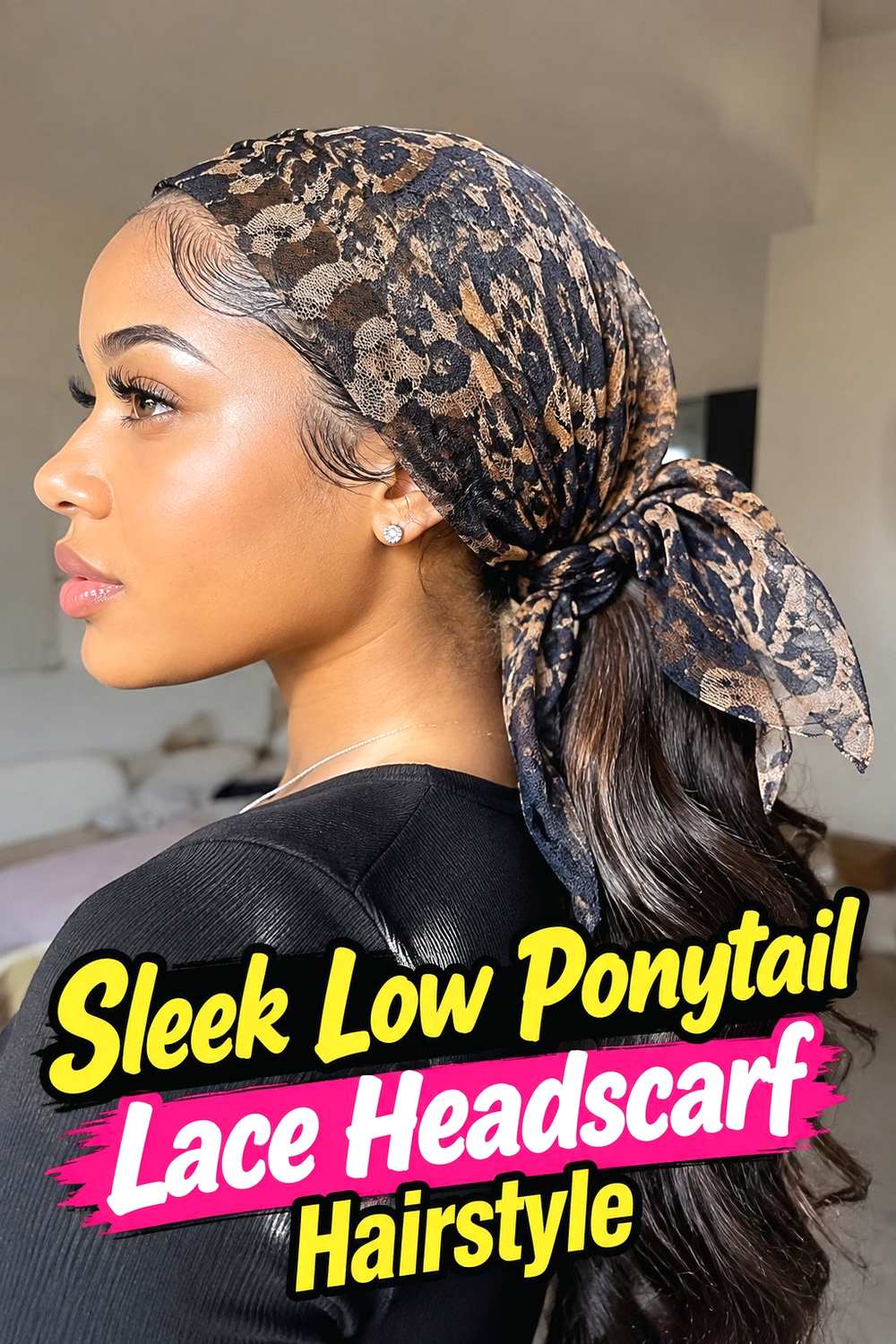
A sleek low ponytail gives lace a sharper, more contemporary setting. Create a clean center or side part, smooth the hair toward the nape, and secure the ponytail low against the neck. The lace headscarf can sit over the crown like a narrow veil or wrap neatly around the ponytail base. Because the hair itself is understated, the scarf becomes the main decorative feature. Straight or lightly polished hair works especially well, although naturally textured hair can also be smoothed at the crown while preserving texture through the ponytail. The biggest priority is keeping the scarf neat and symmetrical so the clean lines of the hairstyle remain visible instead of disappearing under excess fabric.
Best For
Choose this look when you want something minimalist for dinners, work events, formal outfits, or modern occasion dressing without a complicated updo.
8. Curly Hair Lace Headscarf Hairstyle
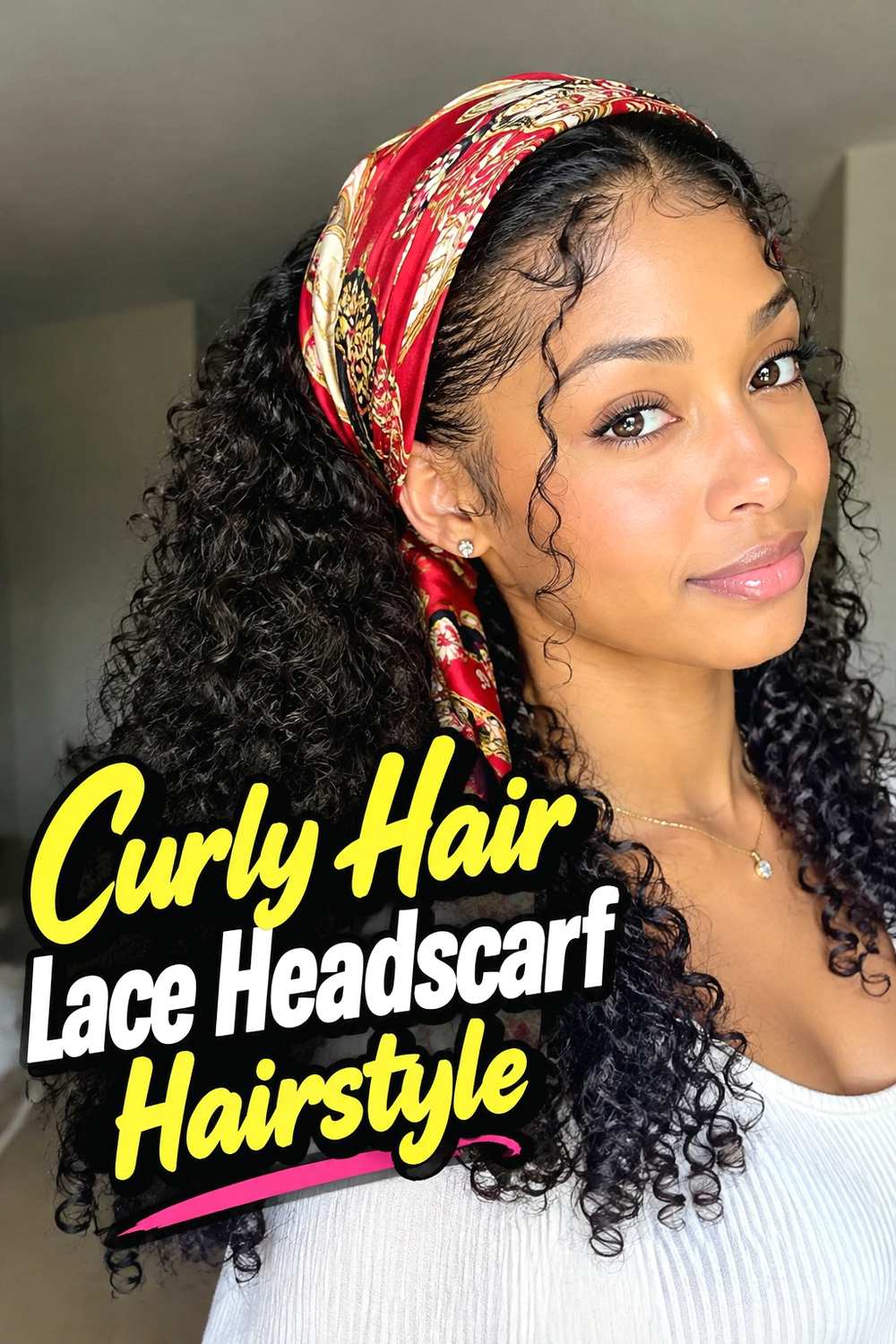
Defined curls look beautiful with a lace headscarf because the contrast between airy fabric and dimensional texture creates an expressive, balanced style. Rather than flattening the curls under the scarf, position it behind the hairline so the front curl pattern stays visible. You can leave the hair fully down or loosely gather some volume toward the back if you want more shape around the face. The scarf should sit comfortably without compressing the roots, especially if crown volume is part of the finished look. This style works across a wide range of curl patterns and lengths. Focus on definition and natural variation rather than making every curl identical, which keeps the result soft and believable.
Hair Type & Length
Short curly bobs, shoulder-length curls, and long curls can all work. Adjust scarf width and placement so it complements rather than overwhelms the amount of visible hair.
9. Side Swept Waves With Lace Headscarf Hairstyle
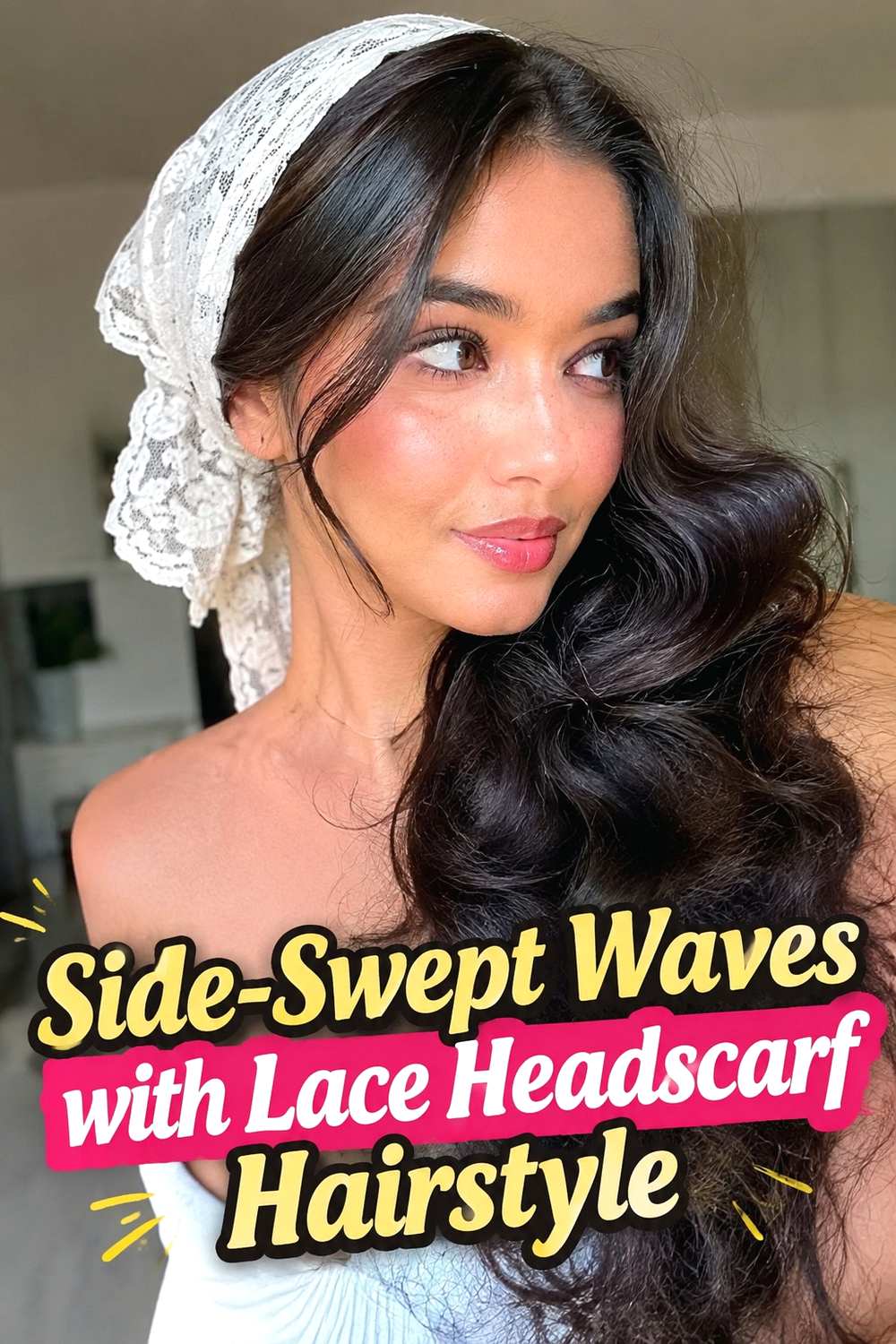
Side-swept waves create a glamorous silhouette that still feels soft enough for delicate lace. Sweep most of the hair over one shoulder and place the headscarf farther back on the crown so the asymmetrical shape remains visible. Large, brushed-out waves give the style fluid movement, while a deep side part adds a more polished finish. This look works particularly well with medium or long hair, since the length creates a noticeable cascade on one side. To keep everything balanced, secure the lighter side with hidden pins near the nape if necessary. The lace should frame the hairstyle rather than cover the wave pattern, especially around the front and shoulder area.
Styling Notes
Set the waves in one direction before brushing them together. Add the scarf after arranging the side sweep so you can judge exactly how much lace should remain visible.
10. French Braid Lace Headscarf Hairstyle
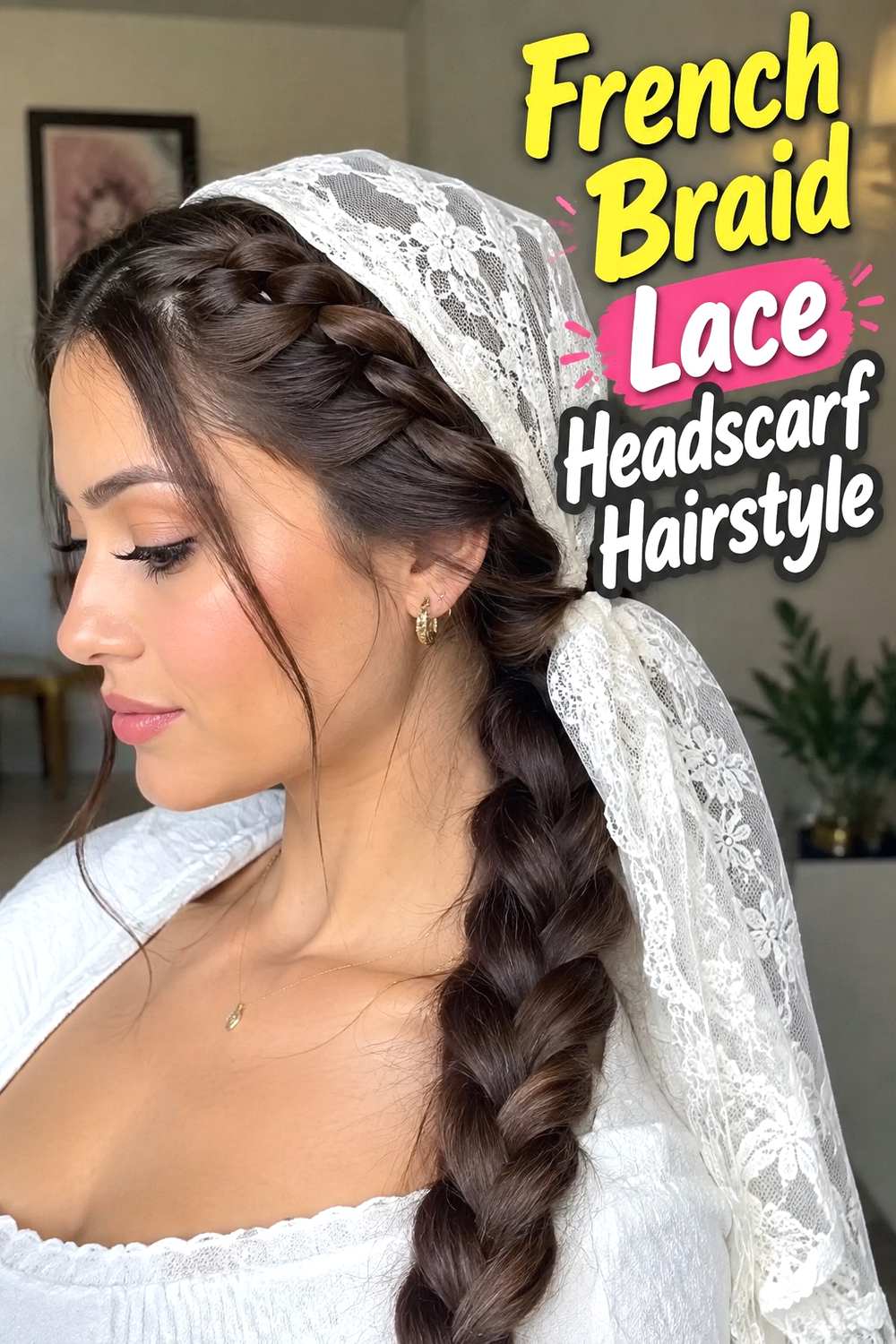
A French braid gives a lace headscarf a structured, practical base while still showing plenty of woven detail. Begin the braid near the crown and continue it neatly through the length, keeping the tension secure but not overly tight. The scarf can sit behind the front hairline or wrap around the head before the braid begins, creating a clear separation between fabric and hair texture. Slightly widening the finished braid helps it look softer and more dimensional. Medium and long hair are the easiest lengths for this style, although layered hair may need extra pins to keep shorter pieces tucked in. This option is especially useful when you want your hair contained while still wearing a decorative accessory.
Wear & Maintenance
A small amount of styling cream can control flyaways around the braid. Secure the scarf independently so adjusting the fabric does not loosen the braided structure.
11. Bob Cut With Lace Headscarf Hairstyle
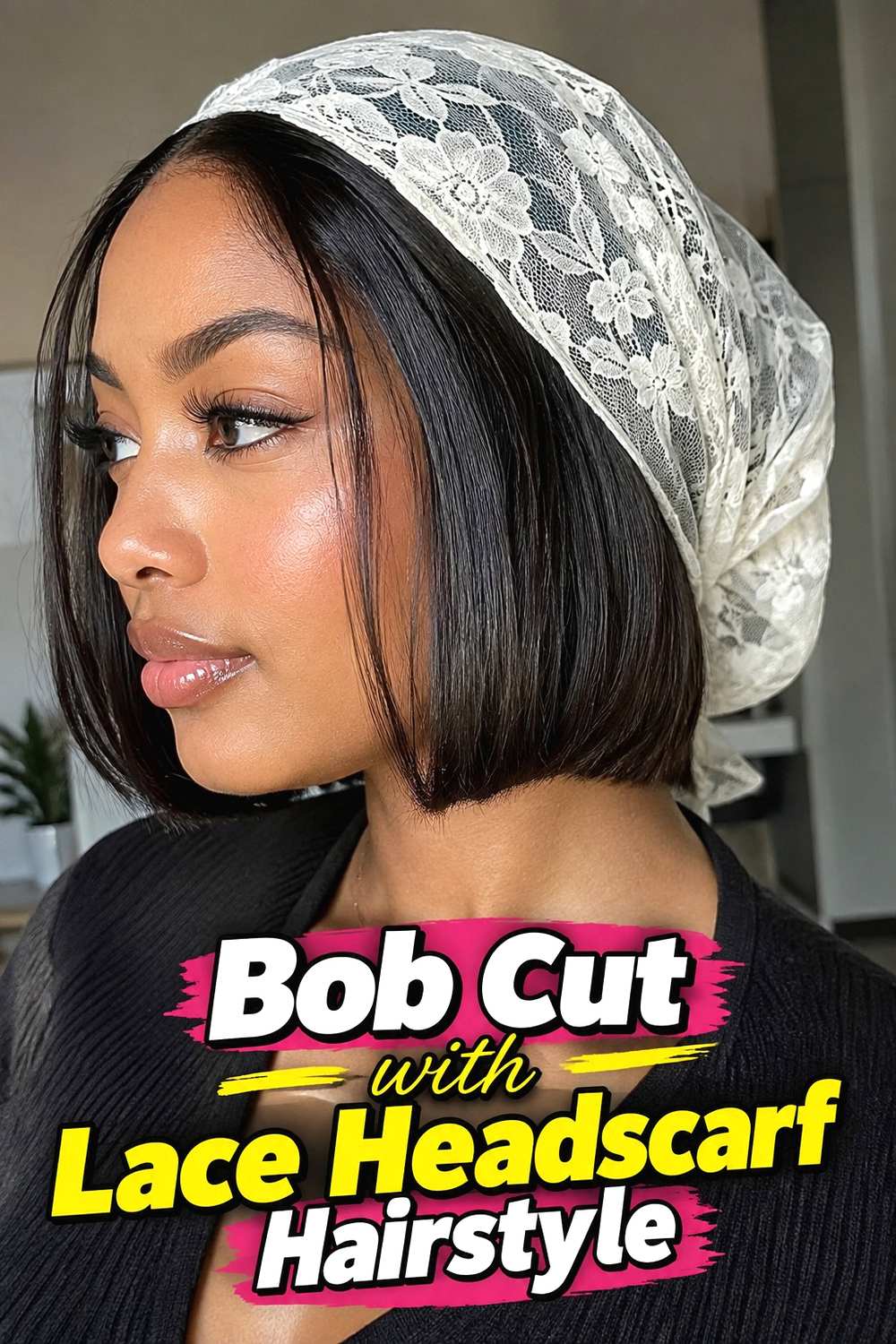
A bob paired with a lace headscarf proves that this accessory is not limited to long hair. Chin-length and shoulder-skimming cuts can look especially chic when the scarf sits just behind the hairline and allows the bob’s shape to remain visible. A softly bent bob gives the look a romantic mood, while a sleek bob feels clean and fashion-forward. Keep the fabric relatively narrow or lightly folded so it does not overwhelm the shorter silhouette. If your bob has layers or a fringe, let those details show rather than tucking everything underneath. The result should still read clearly as a haircut with its own shape, with the lace acting as a finishing accent.
Why It Works
Short hair leaves the neckline exposed and creates a crisp frame around the scarf, which can make delicate lace patterns stand out more clearly.
12. Twisted Updo Lace Headscarf Hairstyle
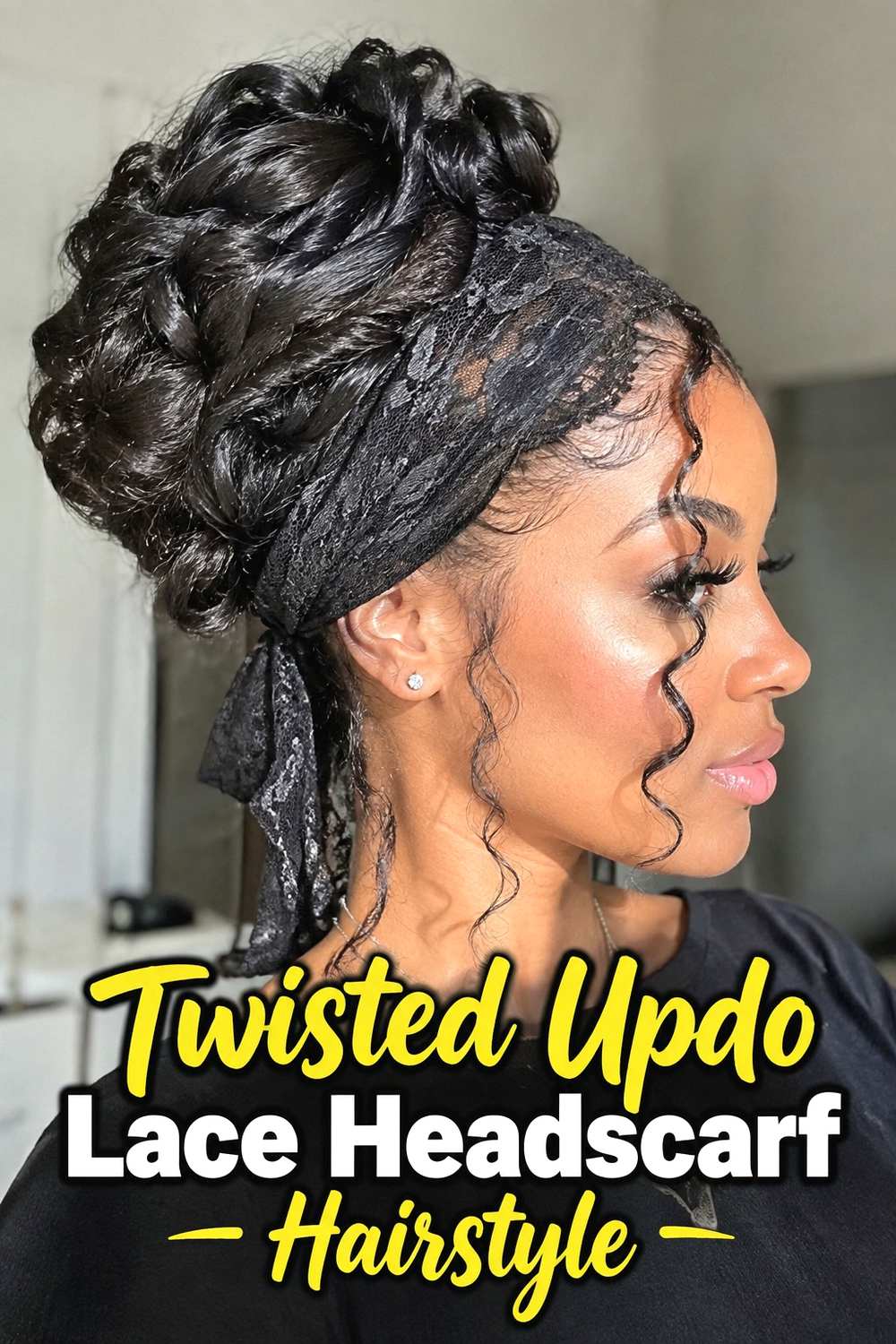
A twisted updo offers an elegant way to combine controlled structure with the softness of lace. Divide the hair into sections, twist them toward the back, and pin them into a low or mid-height arrangement. Leaving a little texture through the twists prevents the style from feeling too rigid. The headscarf can sit over the crown and tuck beneath the updo or wrap across the top like a decorative band. This hairstyle suits medium to long hair and is particularly useful when you want the neck and shoulders exposed. Since the scarf adds visual detail, keep the updo itself clean enough that the two elements do not compete for attention.
Pro Tip
Anchor the updo first, then secure the lace with separate pins. Independent support makes it easier to reposition the scarf without disturbing the twists.
13. Braided Crown With Lace Headscarf Hairstyle
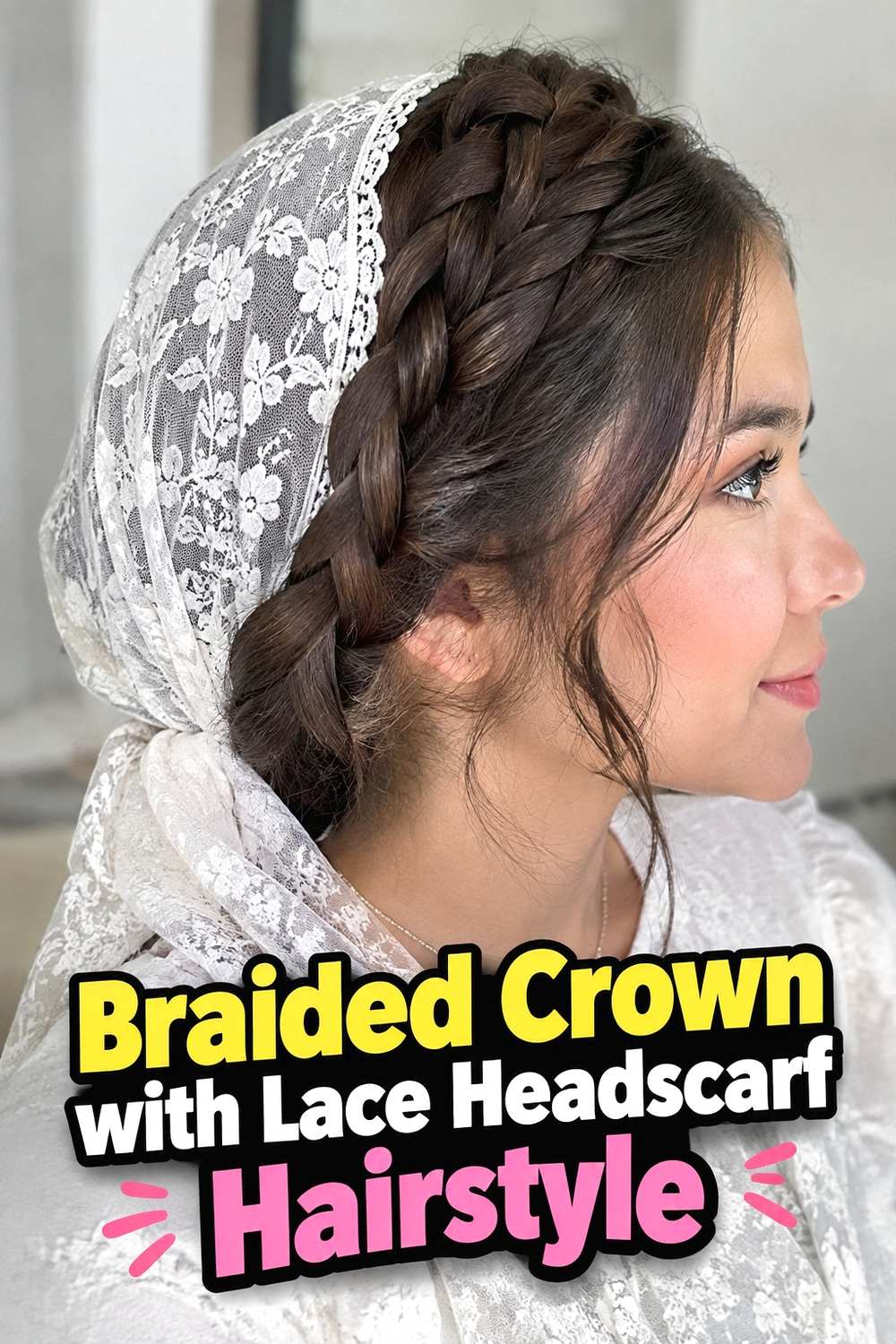
A braided crown combined with a lace headscarf creates a detailed, romantic look that works beautifully for special occasions. The braid should follow the head naturally rather than sitting too high, creating a soft frame around the crown. Position the scarf just behind or underneath the braid so both textures remain visible. For a softer result, gently loosen the outer edges of the braid and allow a few fine strands around the temples. This style is easiest on medium to long hair, though extensions or added braid pieces are sometimes used when more length is needed. The key is avoiding too much bulk where the braid and scarf overlap, which can make the crown feel heavy.
Best For
This combination is especially suited to weddings, engagement celebrations, garden events, photo sessions, and romantic outfits where detailed hair styling feels appropriate.
14. Natural Texture Lace Headscarf Hairstyle
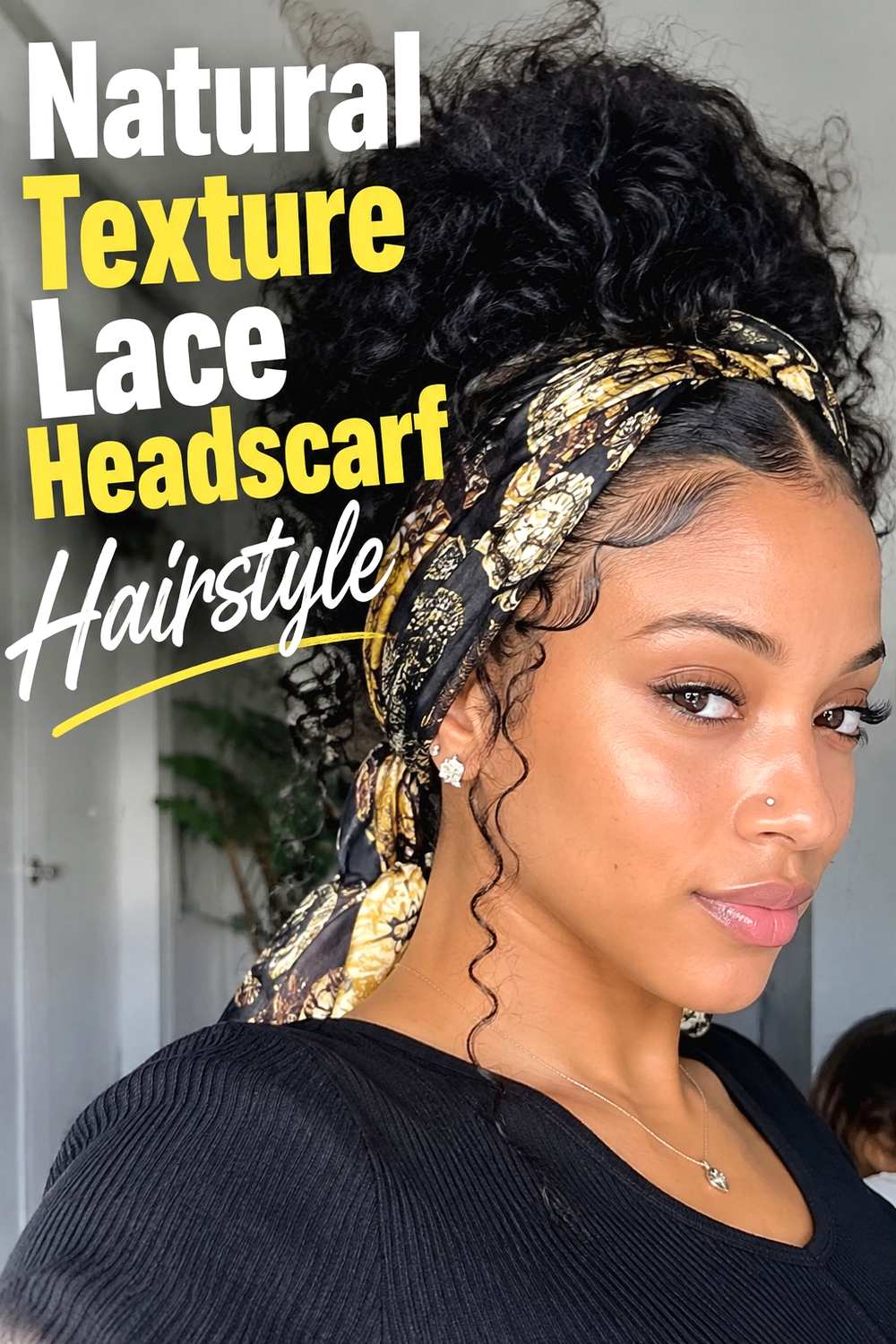
Wearing a lace headscarf with natural texture creates an effortless style that lets the hair’s own movement remain central. Instead of smoothing everything flat, allow waves, curls, coils, or textured straight hair to keep its natural volume around the sides and back. Position the scarf gently over the crown or fold it into a narrower band if you want more hair exposed. This approach works with many lengths because the accessory does not depend on a particular updo or braid. The most important detail is avoiding excessive tension around the hairline. A relaxed fit keeps the scarf comfortable while preserving the texture underneath, creating a finish that feels personal rather than overly styled.
Hair Type & Length
Adapt scarf width to your density and length. Fuller textures can support a wider lace piece, while shorter or finer hair may look more balanced with a narrower fold.
15. Face Framing Tendrils With Lace Headscarf Hairstyle
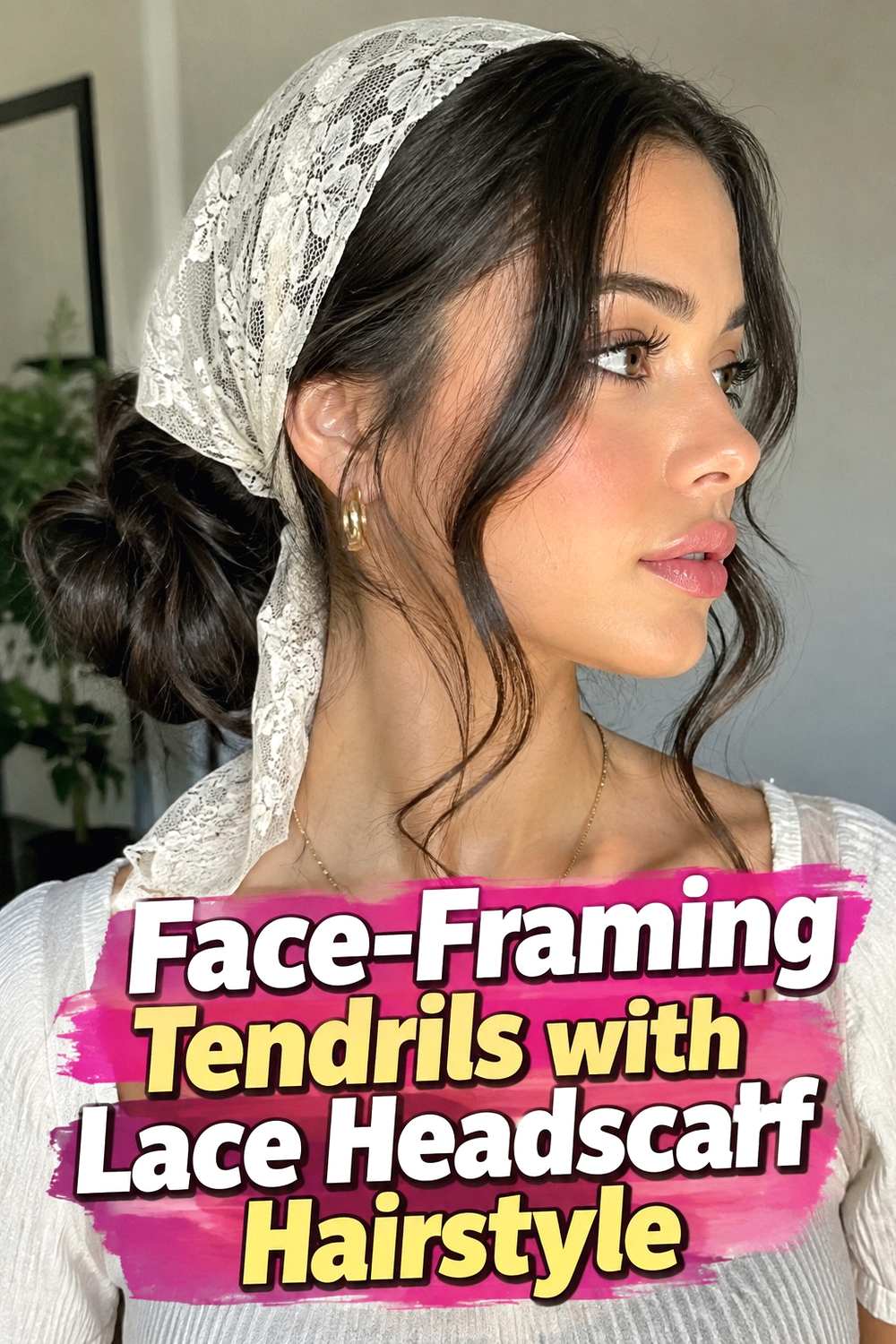
Face-framing tendrils add softness to almost any lace headscarf arrangement, making this style a flexible option for buns, ponytails, or loosely pinned hair. Start by leaving two light sections around the temples before securing the rest of the hairstyle. The strands can be gently waved, curled, or left with their natural bend, while the lace sits behind them so the face remains open. Keep the tendrils fine rather than pulling out thick sections, which can make the front look disconnected from the rest of the hair. This approach works especially well when the main hairstyle is neat and you want to soften its edges without sacrificing structure or creating too many loose pieces.
Styling Notes
Shape the front pieces only after the scarf is secured. This lets you adjust their placement around the lace and avoid trapping them beneath the fabric.
How to Choose the Right Look
Start with your preferred level of structure. Soft waves, natural texture, and messy buns create a relaxed finish, while the sleek low ponytail, French braid, twisted updo, and braided crown feel more controlled.
Hair length matters too. Bobs work beautifully with narrow lace placement, while medium and long hair provide more options for buns, ponytails, braids, and elaborate updos. If you have curls or coils, prioritize scarf placement that preserves crown volume instead of pressing the texture flat.
Think about wear time before choosing. A loose wave style may be perfect for a short event or photo session, while a secure braid, low bun, or ponytail can be easier for all-day wear. For occasions where you will be moving frequently, use discreet pins so the scarf stays anchored independently of the hairstyle.
Finally, compare the finish of the lace with your hair texture. Detailed lace usually looks strongest when enough hair remains visible to create contrast. The goal is balance: the hairstyle should frame the scarf, and the scarf should enhance the hairstyle without hiding its shape.
Final Thoughts
Lace headscarves can work with everything from loose curls and short bobs to polished ponytails and romantic braided updos. For an effortless result, choose a hairstyle that feels natural for your length and texture, then adjust the scarf placement around that shape rather than forcing the hair to fit the accessory. A few thoughtful details—comfortable tension, secure pins, visible texture, and balanced volume—can make even a simple style feel beautifully finished.
FAQs
1. How do you keep a lace headscarf from slipping?
Use a few discreet bobby pins near the temples, behind the ears, or underneath the back edge. Textured hair or a light styling spray can also provide extra grip.
2. Can you wear a lace headscarf with short hair?
Yes. Bobs and other short cuts work especially well with a narrower folded scarf that leaves the haircut’s silhouette visible.
3. Which hairstyle works best under a lace headscarf for long wear?
Low buns, French braids, sleek low ponytails, and securely pinned updos generally provide the most stable foundation because the hair is already controlled.
4. Should a lace headscarf cover the entire hairline?
It does not have to. Placing the scarf slightly behind the hairline often creates a softer look and lets bangs, curls, waves, or face-framing pieces remain visible.
5. Can curly or textured hair be worn with a lace headscarf?
Absolutely. Keep the scarf comfortably positioned so it does not flatten natural volume, and choose a width that leaves enough texture visible around the crown, sides, or back.
Save your favorite lace headscarf hairstyles for later, share the ideas you love, and explore more feminine hairstyle inspiration for your next look.