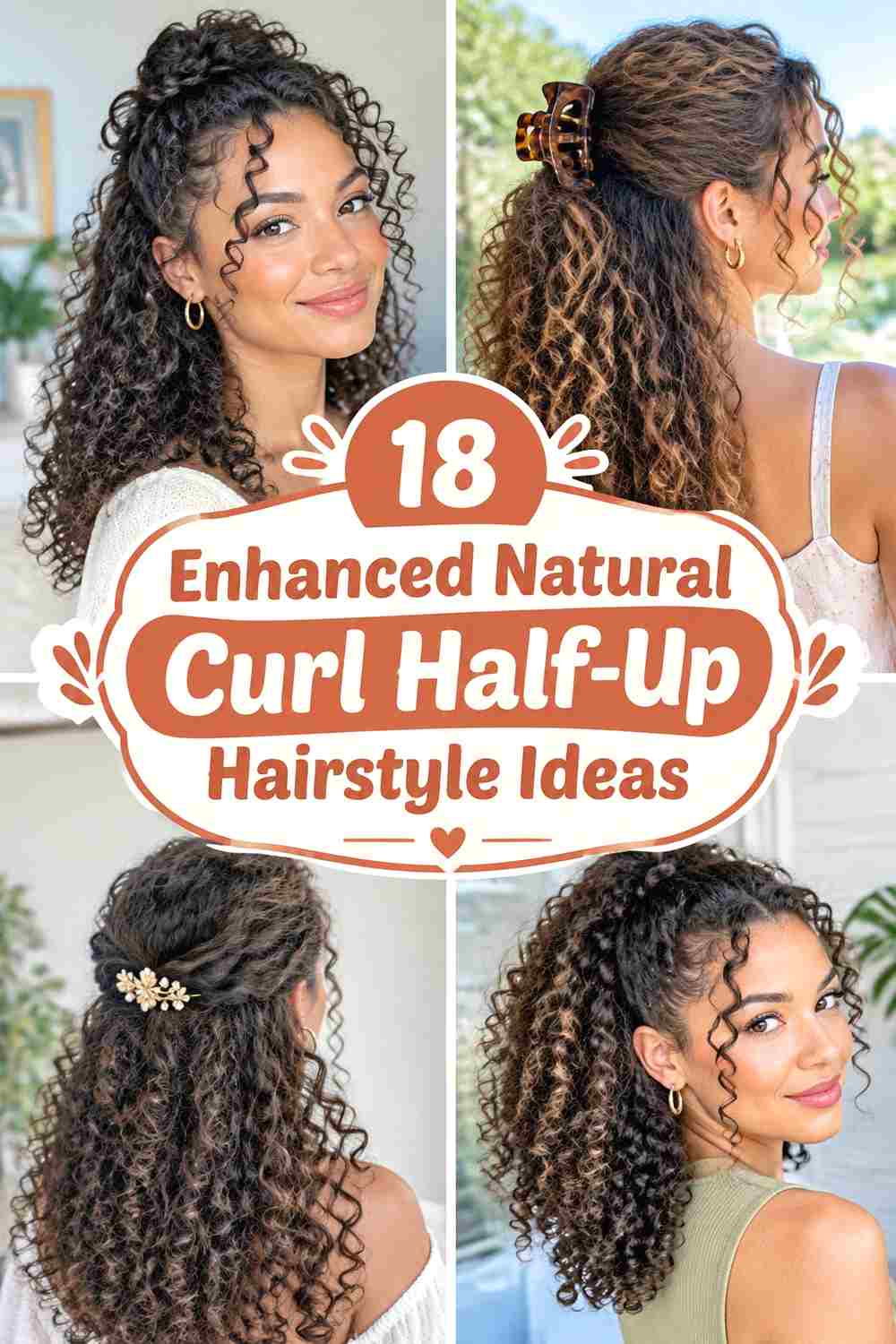
18 Barely-There Waves Hairstyle Ideas
Barely-there waves create that effortless middle ground between straight hair and obvious curls, adding just enough movement to make every layer feel softer.
The appeal of barely-there waves is their subtlety. Instead of clearly defined curls, the hair falls in stretched bends, gentle S-shapes, and relaxed sections that can look almost naturally formed. The result keeps plenty of visible length while adding dimension and movement without dramatically changing the silhouette.
Small details make a noticeable difference with this style. Part placement can shift the volume, layers can make the bends more visible, and the finish can range from air-dried and tousled to glossy and polished. The best choice depends on your haircut, texture, density, styling time, and how understated you want the finished waves to appear.
Quick List
- Center Part Barely There Waves Hairstyle
- Side Part Barely There Waves Hairstyle
- Long Layered Barely There Waves Hairstyle
- Shoulder Length Barely There Waves Hairstyle
- Barely There Waves With Curtain Bangs Hairstyle
- Barely There Waves With Face Framing Layers Hairstyle
- Glossy Barely There Waves Hairstyle
- Air Dried Barely There Waves Hairstyle
- Soft S Bend Barely There Waves Hairstyle
- Barely There Waves Lob Hairstyle
- Barely There Waves With Blunt Ends Hairstyle
- Fine Hair Barely There Waves Hairstyle
- Thick Hair Barely There Waves Hairstyle
- Tousled Barely There Waves Hairstyle
- Polished Barely There Waves Hairstyle
- Side Swept Barely There Waves Hairstyle
- Half Up Barely There Waves Hairstyle
- Romantic Barely There Waves Hairstyle
1. Center Part Barely There Waves Hairstyle
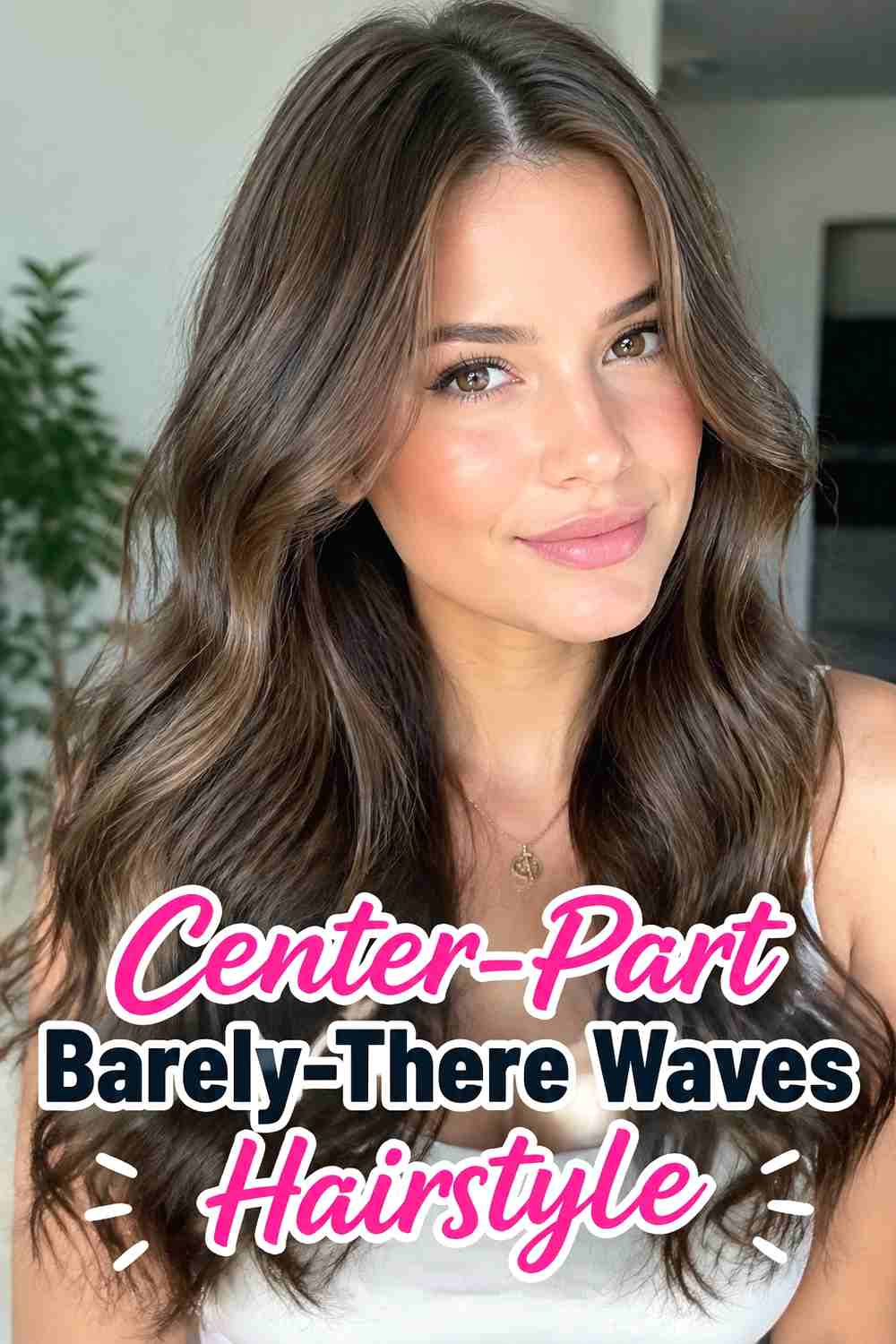
Center-part barely-there waves pair a precise, balanced part with extremely soft movement through the lower lengths. Instead of curling from the roots, the first bend can begin around the cheekbones or jaw, leaving the crown smooth and natural. That placement helps maintain visible length and keeps the hairstyle from drifting into full beach-wave territory. Medium and long hair both suit this approach, especially when subtle layers prevent the ends from looking heavy. Use a large curling iron or flat iron to create shallow bends, then stretch them gently with your fingers after cooling. The finished texture should look relaxed and fluid, with enough irregularity that the hair never appears overly set.
Styling Notes
Leave the roots mostly straight and vary the height of the first bend slightly. Perfectly matching both sides can make such subtle texture look more constructed than natural.
Best For
This style works especially well when you prefer balanced, minimal styling and want movement without losing the clean shape of a center part.
2. Side Part Barely There Waves Hairstyle
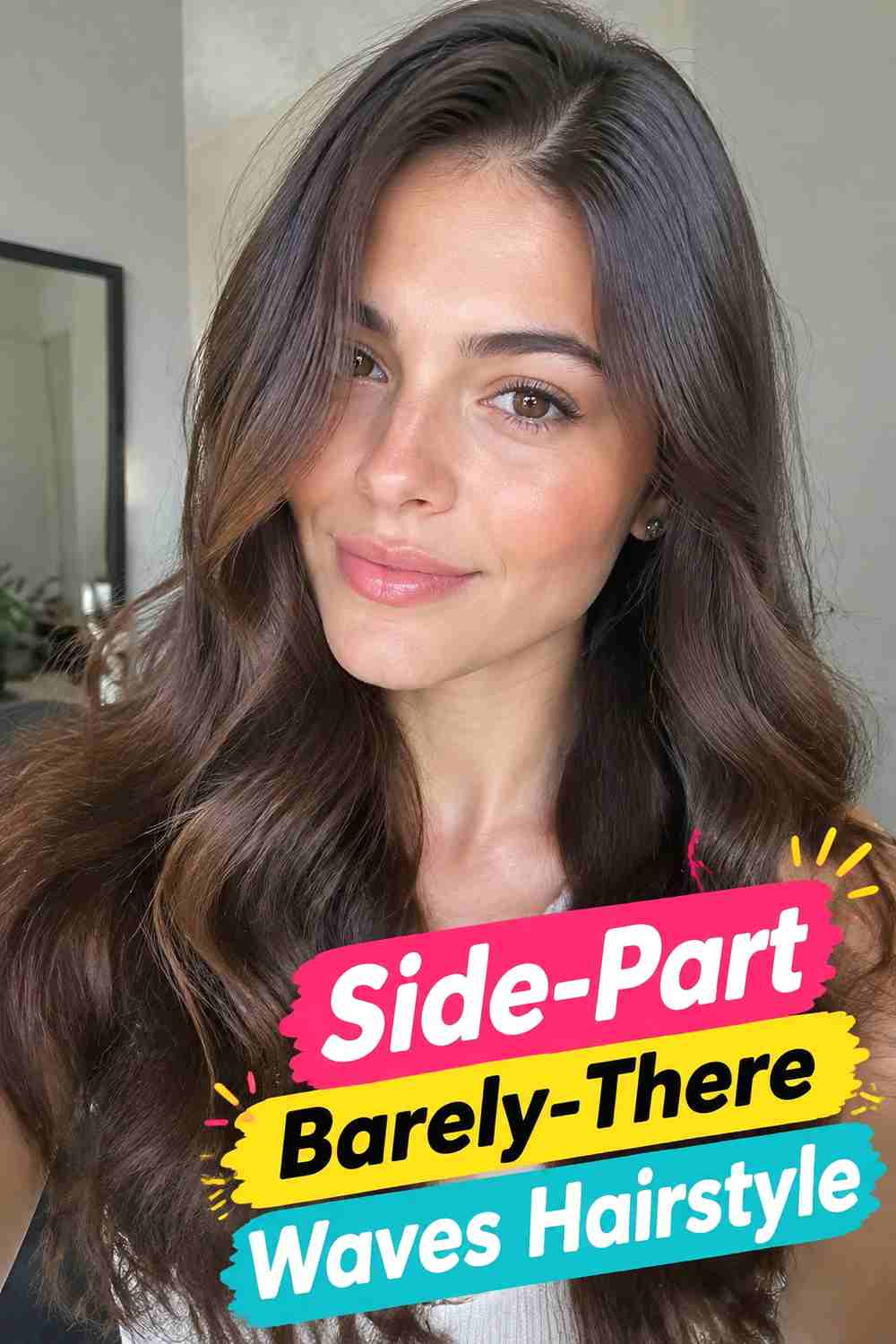
A side part adds subtle asymmetry to barely-there waves without requiring dramatic root volume. The heavier side naturally gains a little more movement, while the lighter side can sit closer to the head for a relaxed, wearable contrast. Keep the bends broad and shallow so the style reads as softly textured rather than curled. Medium to long hair gives the wave pattern room to stretch, although a shoulder-length cut can also work beautifully. Establish the part before styling, then create only one or two gentle directional changes through each section. Once cool, loosen the hair with your fingertips and avoid excessive brushing, which can either flatten the movement completely or make the surface too fluffy.
Why It Works
The side part changes the overall silhouette with very little extra styling, giving understated waves a touch more shape around the face.
Pro Tip
Set the part while blow-drying so you do not have to force the roots into position after the lengths are already styled.
3. Long Layered Barely There Waves Hairstyle
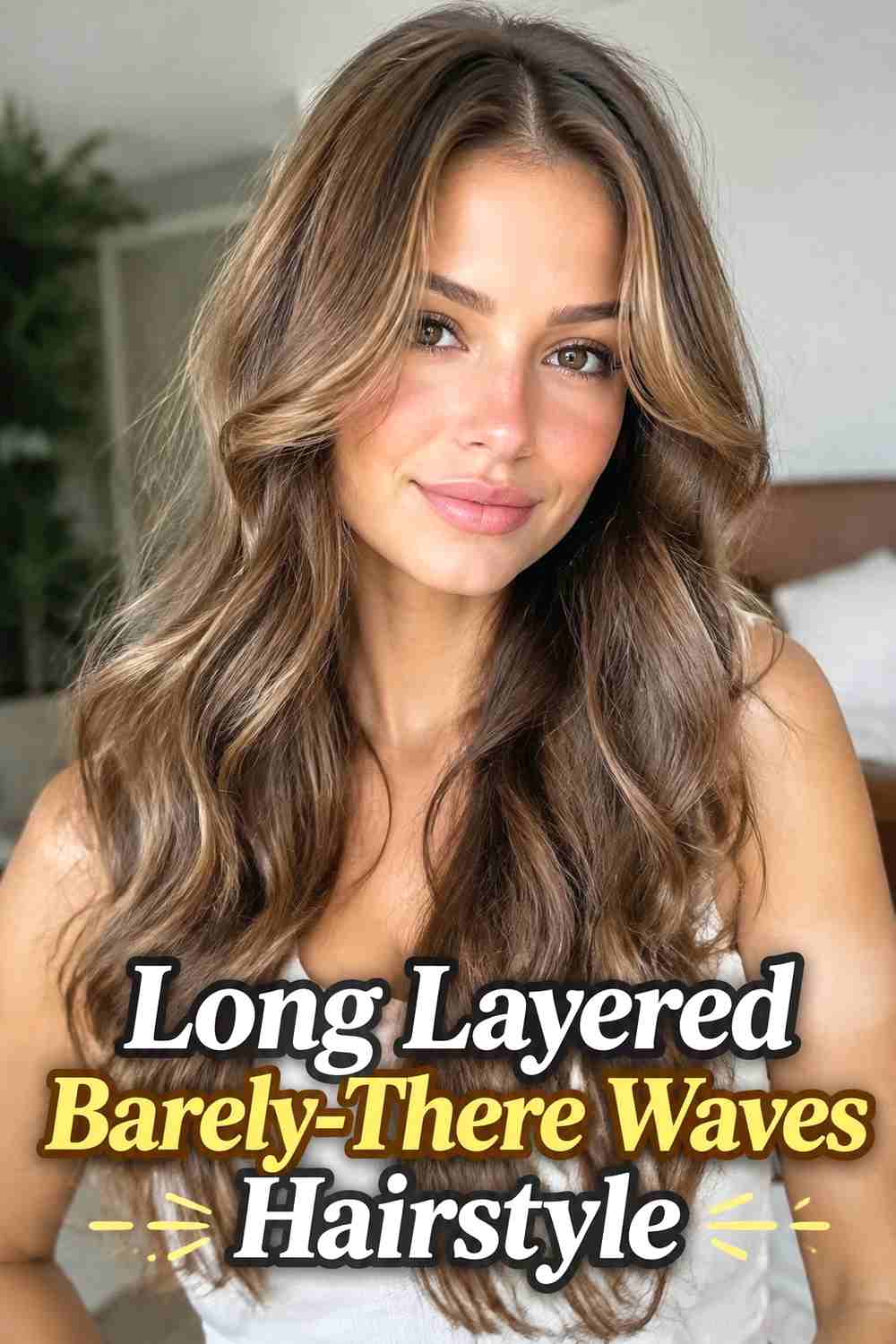
Long layered hair is an ideal canvas for barely-there waves because the different lengths create movement even when the actual bends are minimal. Shorter layers can curve softly away from the face, while the longest pieces stay comparatively relaxed and fluid. Rather than curling every section from the same height, place subtle bends where each layer naturally changes direction. This keeps the texture integrated with the haircut instead of sitting on top of it. A large-barrel iron or quick flat-iron bend usually provides enough shape. After cooling, separate the hair gently and smooth the ends with a lightweight cream. The goal is to reveal the layering while preserving the effortless length and natural fall.
Why It Works
Layering provides built-in dimension, so the waves can stay extremely subtle and still remain visible throughout the haircut.
Hair Type & Length
This version is best suited to long layered cuts, especially when shorter front or upper layers need extra movement without being tightly curled.
4. Shoulder Length Barely There Waves Hairstyle
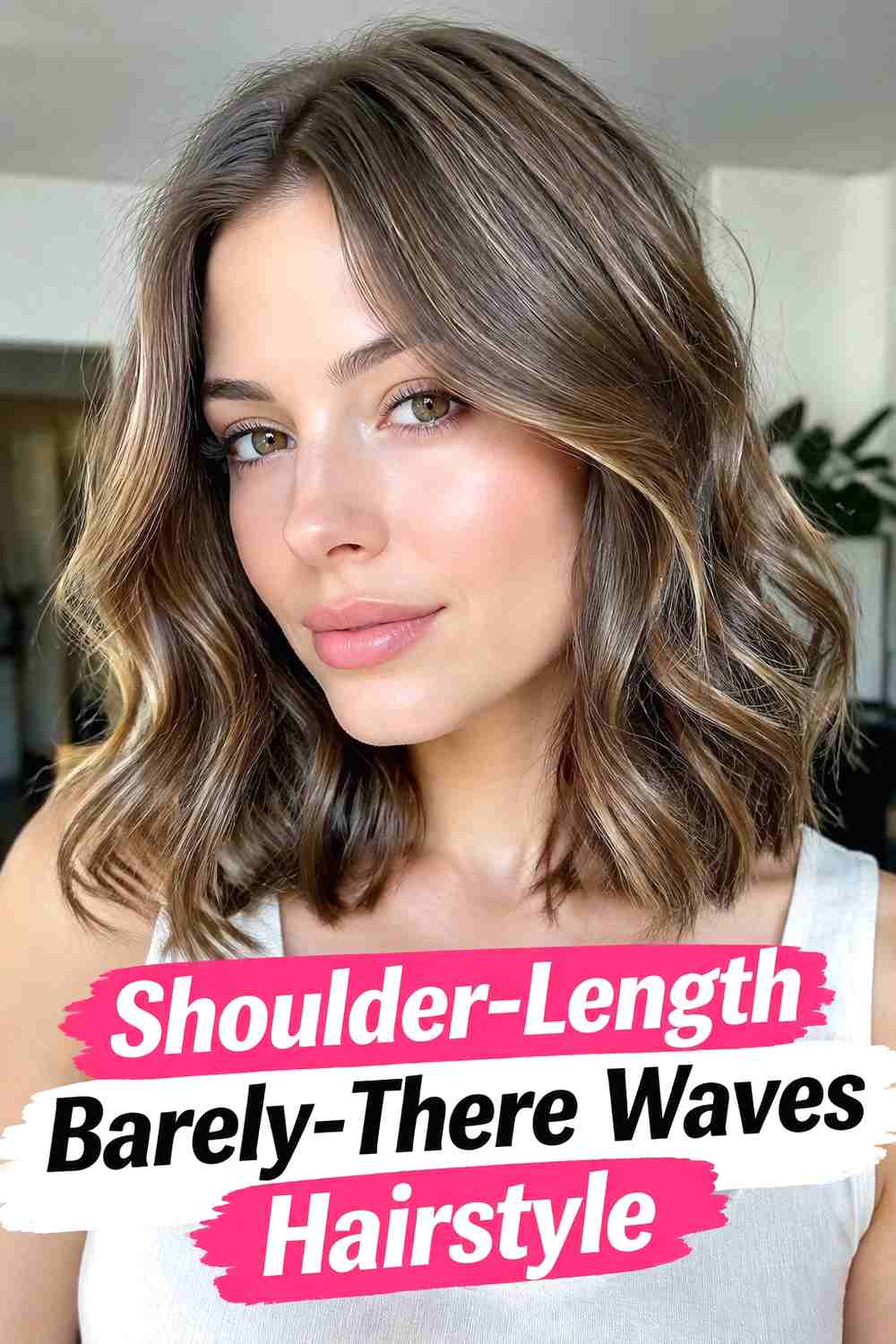
Shoulder-length barely-there waves add movement to medium hair without creating the bouncy effect of traditional curls. Because the ends naturally interact with the shoulders, gentle bends through the middle of the hair are usually enough to give the cut dimension. Leave the final inch relatively straight to maintain a modern, elongated finish and prevent the perimeter from flipping outward too strongly. This approach works on blunt shoulder cuts as well as softly layered ones. Use moderate sections and make only a partial turn with your curling or straightening tool. Once the hair cools, shake it lightly at the roots and separate any sections that look too uniform. The result should feel relaxed rather than carefully curled.
Styling Notes
Focus most of the movement between cheek and collarbone level. Keeping the ends softer prevents the hairstyle from becoming overly round.
Best For
This is a practical option for medium-length hair that needs texture while retaining as much visible length as possible.
5. Barely There Waves With Curtain Bangs Hairstyle
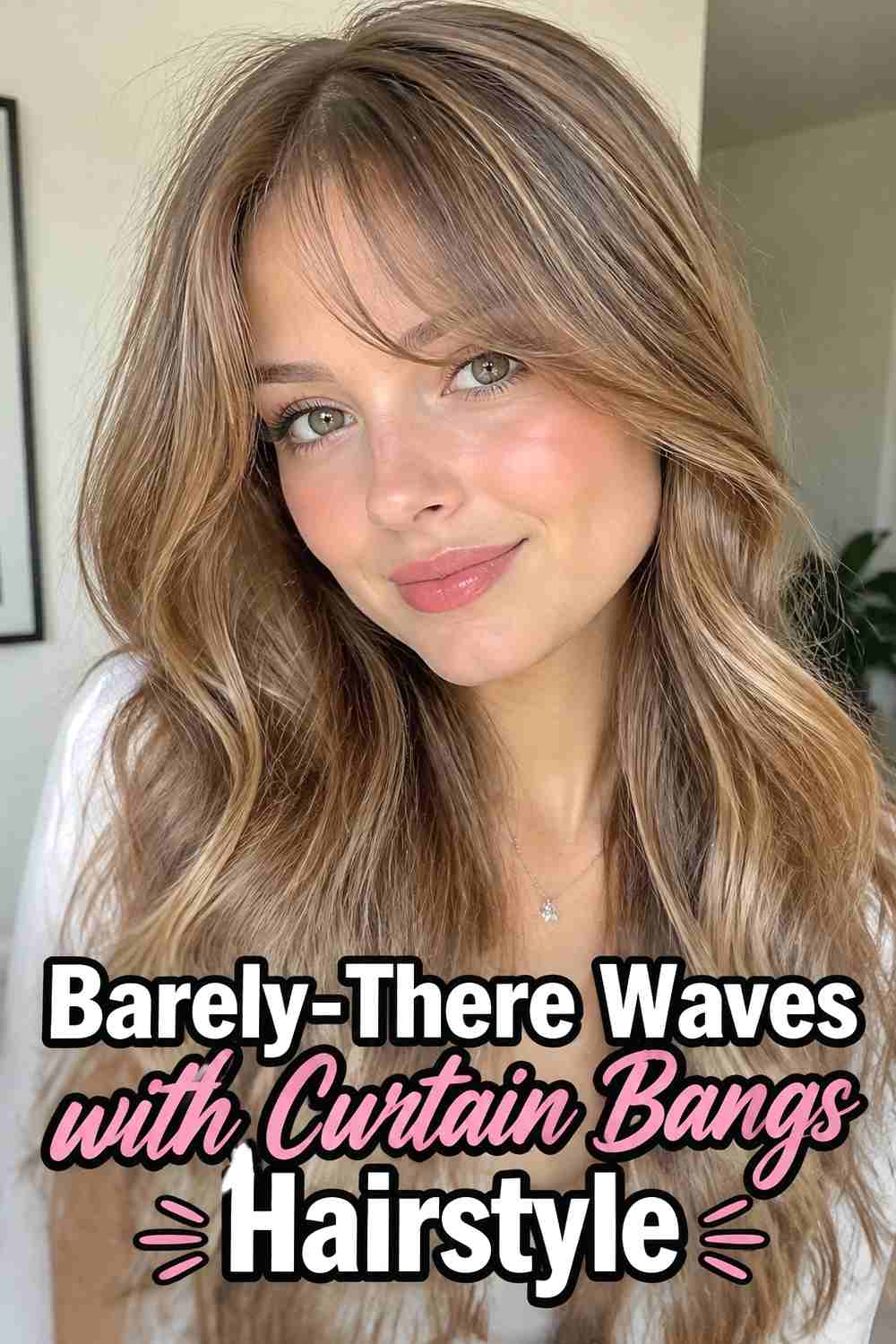
Curtain bangs add a soft focal point to barely-there waves while preserving the understated mood of the hairstyle. The fringe can sweep gently away from the face, then blend into shallow bends through the cheekbone and jaw areas. The longer lengths should remain softer than the bangs so the overall effect does not become too styled. Begin by blow-drying the fringe with a round brush or large roller, then use minimal heat to create movement through the rest of the hair. Once everything has cooled, loosen the front with your fingers instead of brushing heavily. Medium and long layered cuts work particularly well because the curtain bangs can transition naturally into longer face-framing pieces.
Styling Notes
Treat the bangs and lengths separately. The fringe needs controlled direction, while the rest of the hair benefits from looser, less precise bends.
Why It Works
Curtain bangs provide visible movement around the face, allowing the remaining waves to stay very soft without making the hairstyle feel flat.
6. Barely There Waves With Face Framing Layers Hairstyle
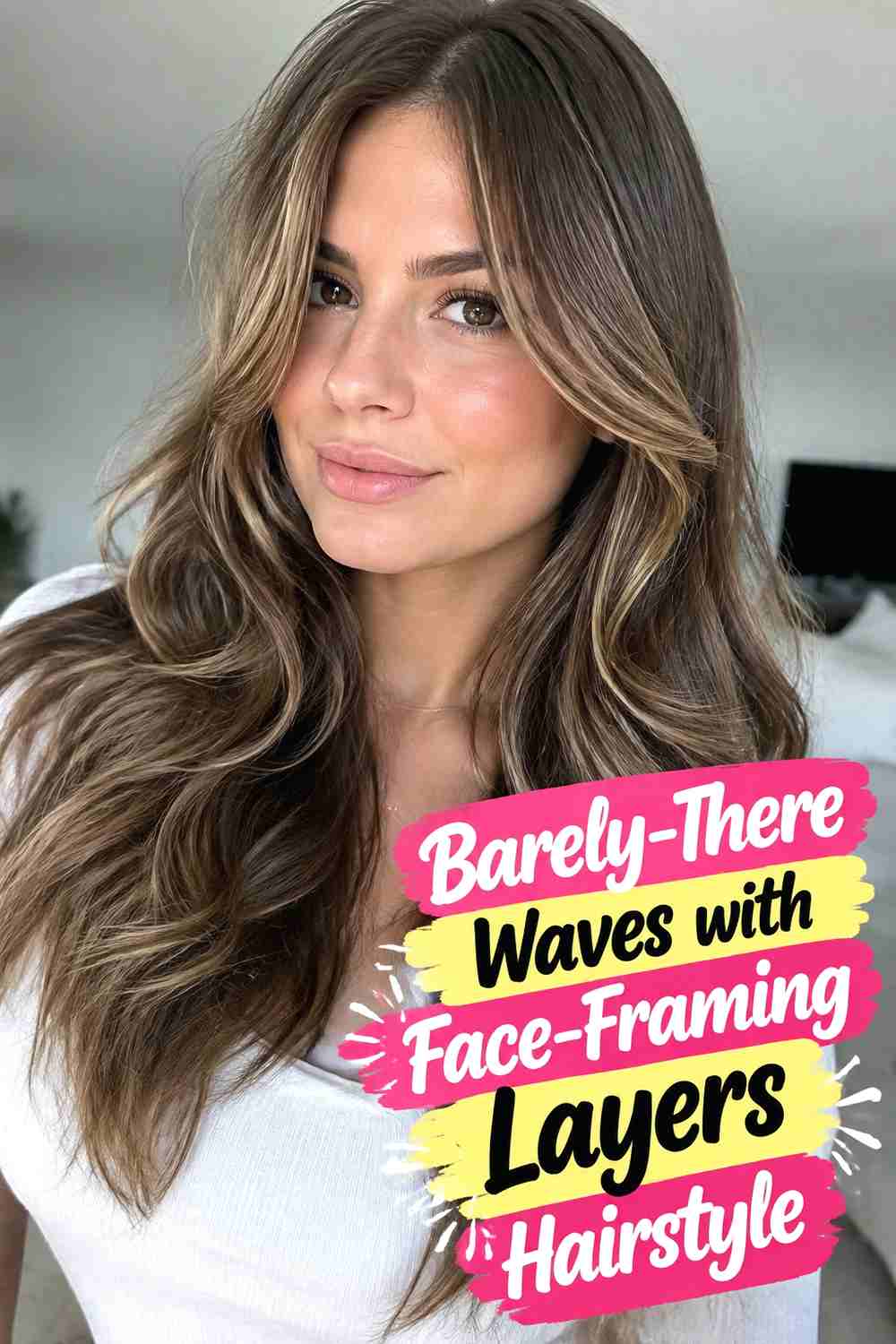
Face-framing layers bring extra definition to barely-there waves by placing subtle movement exactly where it is easiest to notice. Shorter pieces around the cheeks and jaw can curve softly outward, while longer sections fall into stretched bends that maintain the haircut’s length. The effect feels especially natural when each layer is styled according to its own placement rather than wrapped into the same curl pattern. A large curling iron can create gentle direction, but even a round-brush blowout may provide enough movement for some hair types. Keep the ends light and flexible, then separate the front pieces with your fingers. The finished look should highlight the layered cut without making every section visibly curled.
Best For
This variation works particularly well on medium and long layered hair with noticeable graduation around the front.
Pro Tip
Give the shortest layers only a slight outward bend. Too much curl can make them spring away from the softer lengths behind them.
7. Glossy Barely There Waves Hairstyle
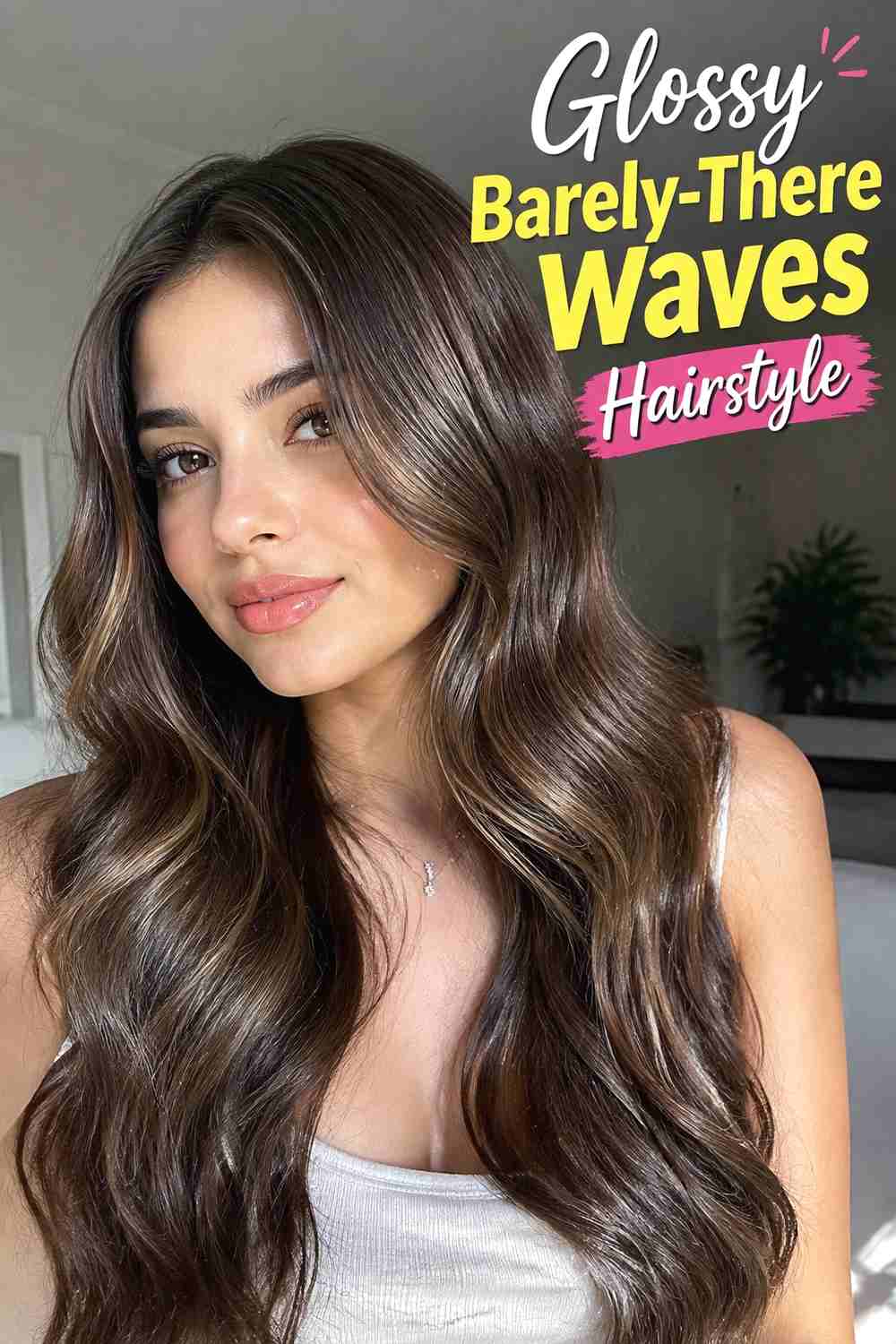
Glossy barely-there waves combine subtle movement with a smooth, light-reflective finish. The wave pattern stays understated—often just one or two elongated bends per section—while careful smoothing keeps the surface polished. Start with a sleek blow-dry, then use a large curling iron or flat iron to introduce minimal movement through the mid-lengths. Avoid curling close to the roots, where too much volume can change the clean silhouette. Once the hair cools, separate the waves carefully and apply a tiny amount of lightweight serum through the lower lengths. The finished style works particularly well when you want texture that feels refined enough for an evening look while remaining much softer than traditional glamour waves.
Wear & Maintenance
Apply shine products mainly from the mid-lengths downward so the crown stays fresh and the subtle movement does not become weighed down.
Why It Works
The polished surface makes small bends easier to notice because light catches the changing direction of the hair without relying on strong curl definition.
8. Air Dried Barely There Waves Hairstyle
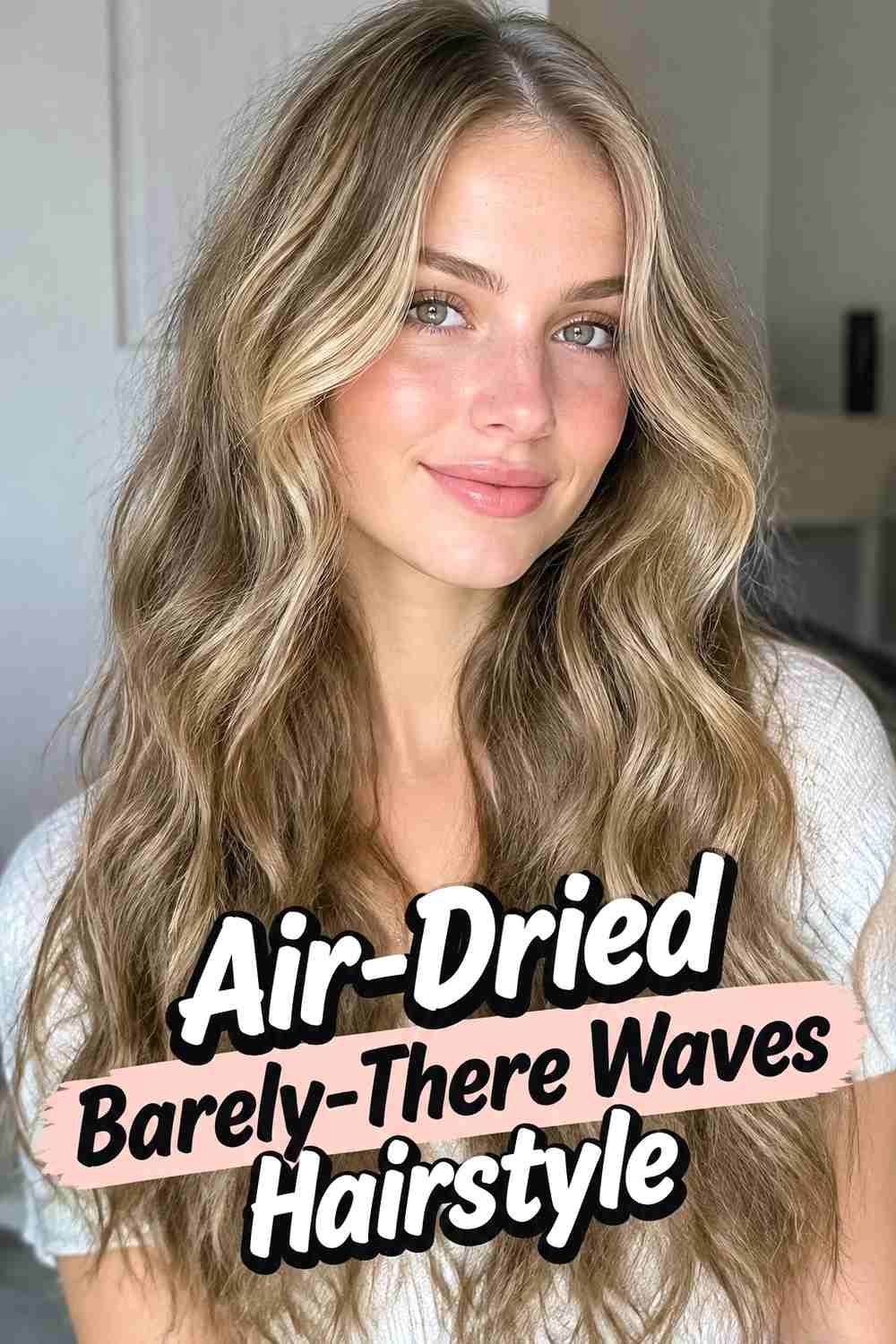
Air-dried barely-there waves embrace natural irregularity instead of trying to make every section match. Hair with a slight natural bend can be encouraged with lightweight leave-in product, gentle scrunching, or loose twists while damp, then allowed to dry with minimal handling. The resulting shape may include straighter sections, soft bends, and slightly more textured pieces, which is part of the appeal. Once dry, separate only the areas that have clumped too strongly and smooth obvious frizz with a tiny amount of cream. This approach works best when your natural texture already has some movement, since the goal is to enhance rather than completely reshape the hair. The finish should look easy, soft, and believable.
Hair Type & Length
Naturally straight-to-wavy textures with some existing bend are especially suited to this approach, although results will vary depending on density and natural pattern.
Wear & Maintenance
Avoid repeatedly touching the hair while it dries. Too much handling can disrupt the developing shape and encourage extra frizz.
9. Soft S Bend Barely There Waves Hairstyle
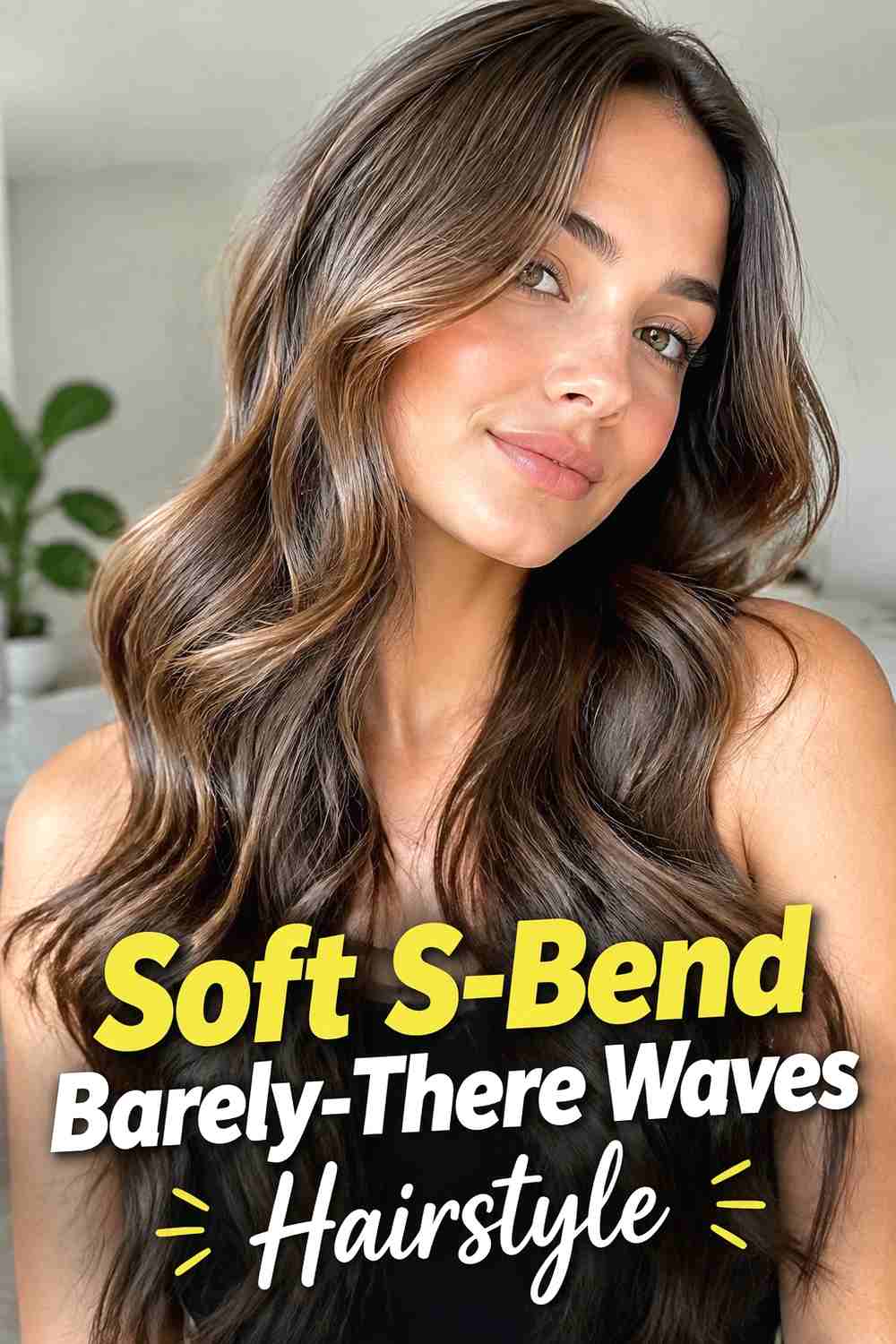
Soft S-bend barely-there waves create gentle changes in direction without forming complete curls. Each section moves subtly inward and outward, producing an elongated S shape that is especially effective on medium and long hair. A flat iron works well because it can create controlled bends while leaving the ends straighter, although a large curling iron can achieve a similar result with minimal rotation. Keep the crown smooth and begin the strongest movement around the upper mid-lengths. After cooling, stretch the bends slightly with your fingers until they look relaxed. The resulting texture keeps plenty of visible length and gives straight hair more dimension without the obvious curl pattern associated with beach or glamour waves.
Styling Notes
Use small directional changes rather than fully rotating the tool. The softer the angle, the more understated the finished S-bend will appear.
Best For
Choose this version if you want visible texture while keeping the hair long-looking, modern, and close to its naturally straight silhouette.
10. Barely There Waves Lob Hairstyle
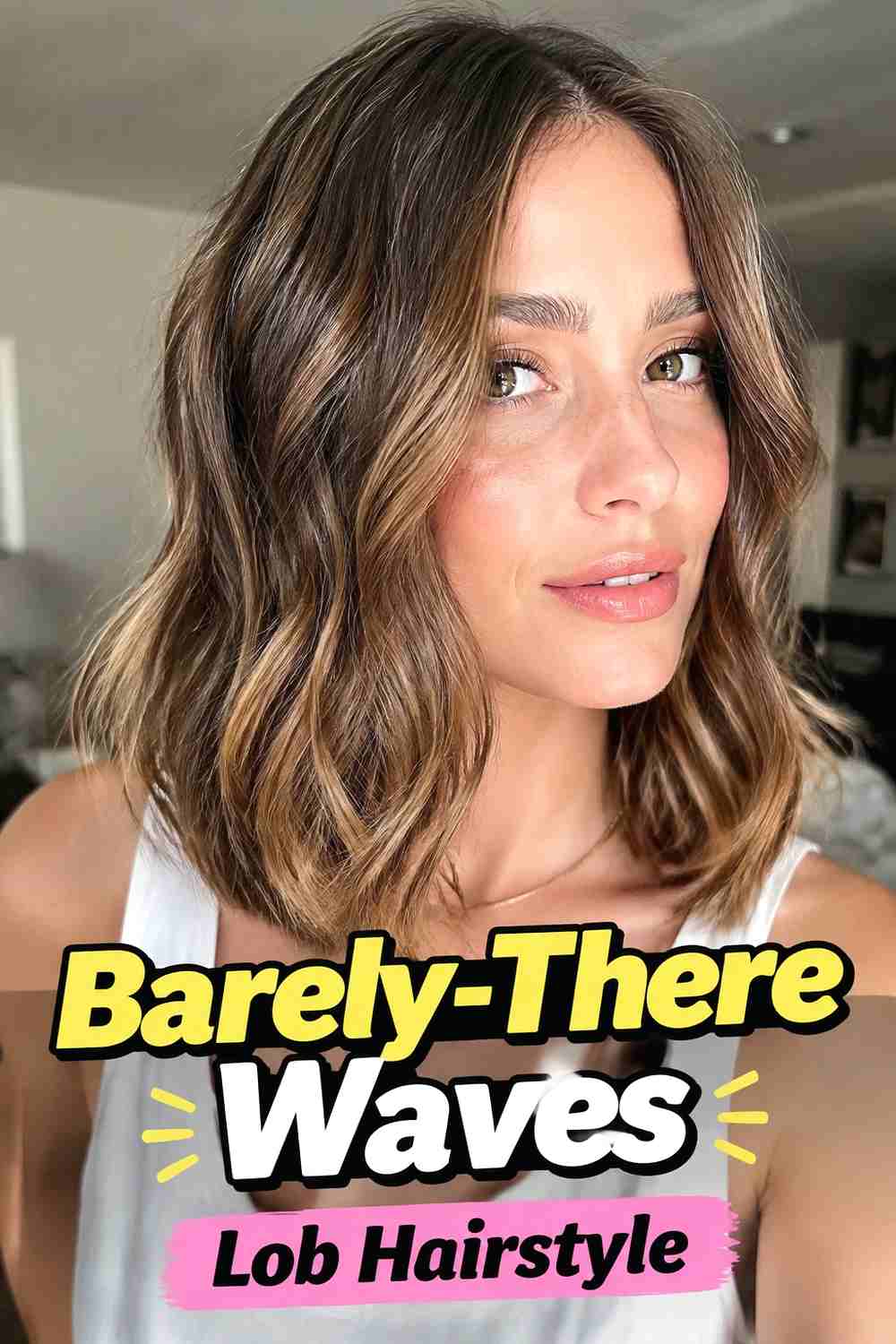
A lob gains softness from barely-there waves without losing the strong outline that makes the haircut distinctive. The best approach is usually to place one relaxed bend through the middle of each section while keeping the ends straighter. That creates movement across the surface but leaves the perimeter clean and recognizable. Alternate the direction of a few sections to prevent the shape from looking repetitive, but avoid creating full curls that shorten the cut. A flat iron or medium-to-large curling iron can both work depending on your preferred finish. Once cooled, loosen the texture with your hands and add a little dry texture spray underneath if extra support is needed without changing the smooth surface.
Why It Works
Subtle bends soften the lob’s geometry while allowing the blunt or lightly layered perimeter to remain a visible part of the style.
Pro Tip
Keep the ends out of the strongest bend. Straighter tips help the lob maintain its length and prevent an overly curled-under finish.
11. Barely There Waves With Blunt Ends Hairstyle
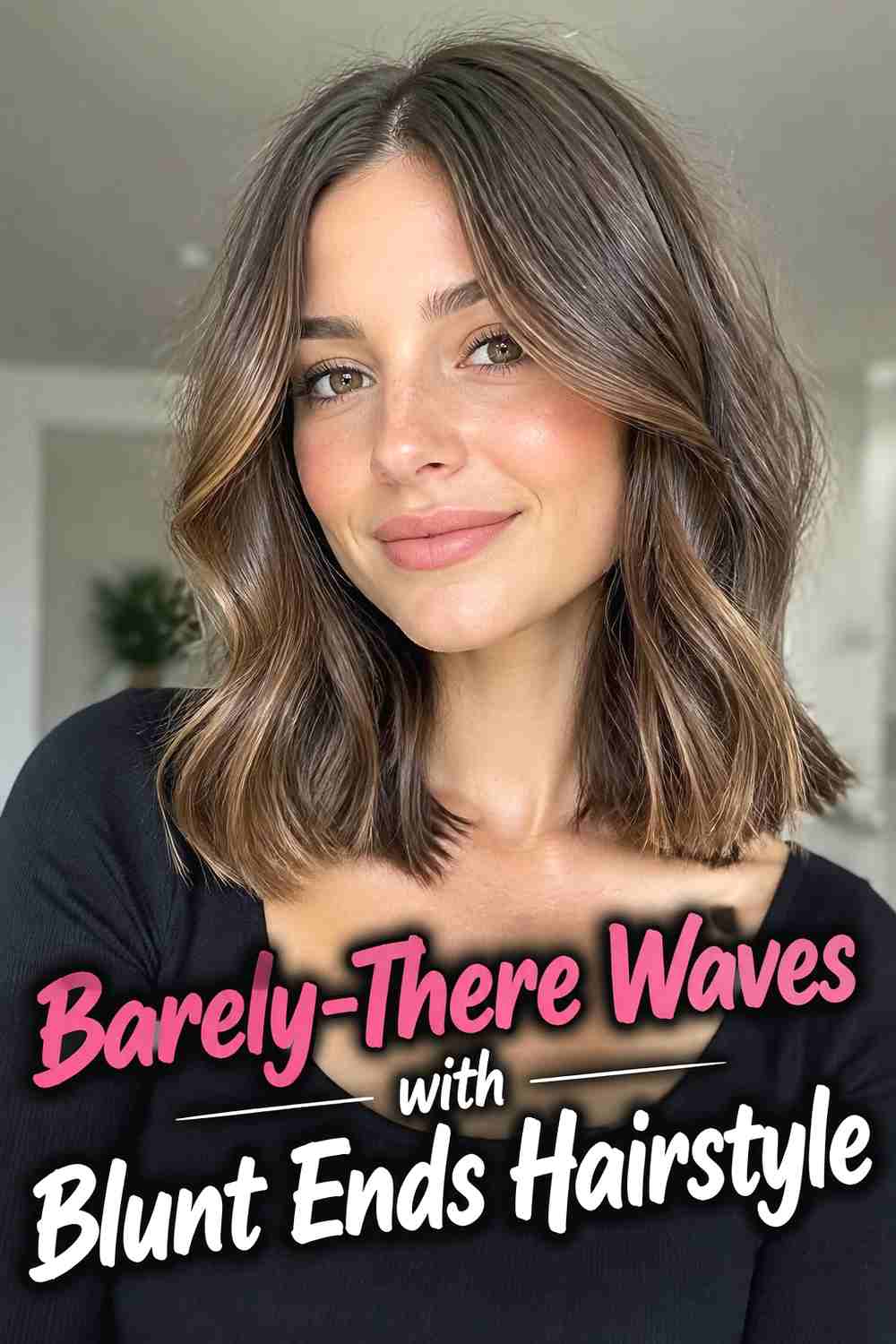
Blunt ends create a strong, dense perimeter that contrasts beautifully with soft, barely-there movement above it. Instead of curling the bottom edge, introduce shallow bends through the mid-lengths and allow the final few inches to fall straighter. This keeps the haircut’s crisp baseline intact while preventing the upper sections from looking flat. The style can work on shoulder-length through long hair, especially when the ends are thick enough to create a noticeable visual line. Use larger sections and minimal tool rotation, then separate the finished bends after cooling. A smoothing product can keep the blunt perimeter polished, but avoid heavy oils that might collapse the subtle movement higher in the hair.
Why It Works
The contrast between softly moving mid-lengths and a clean, solid perimeter gives the style dimension without sacrificing the impact of a blunt cut.
Hair Type & Length
Medium to long one-length or minimally layered cuts show this combination most clearly.
12. Fine Hair Barely There Waves Hairstyle
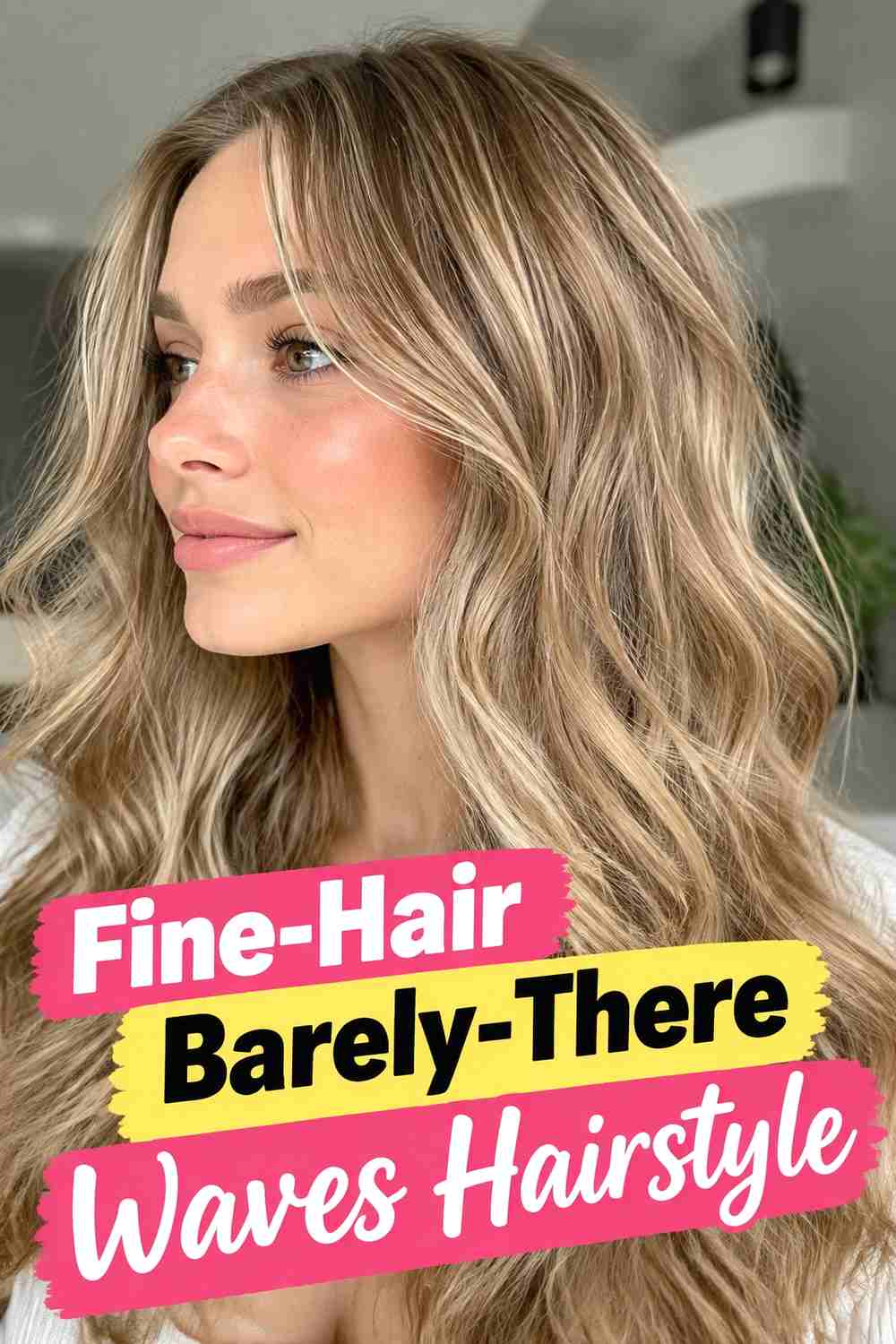
Fine hair can wear barely-there waves beautifully when the styling preserves lightness and avoids heavy products. Rather than using very large sections that may fall flat immediately, create soft bends with moderate sections and allow each one to cool before loosening it. A lightweight volumizing mousse or root spray can provide support without coating the hair. Keep the wave pattern minimal so the strands still appear fluid instead of overworked, and leave some ends straighter for a modern finish. Finger-separate rather than repeatedly brushing once the shape is established. The subtle movement can make fine hair look more dimensional while still allowing its natural softness and swing to remain visible throughout the day.
Styling Notes
Use lightweight preparation before styling instead of adding large amounts of finishing product afterward, which can quickly weigh fine hair down.
Pro Tip
Let each bend cool fully before touching it. Fine hair often loses shape quickly when disturbed while still warm.
13. Thick Hair Barely There Waves Hairstyle
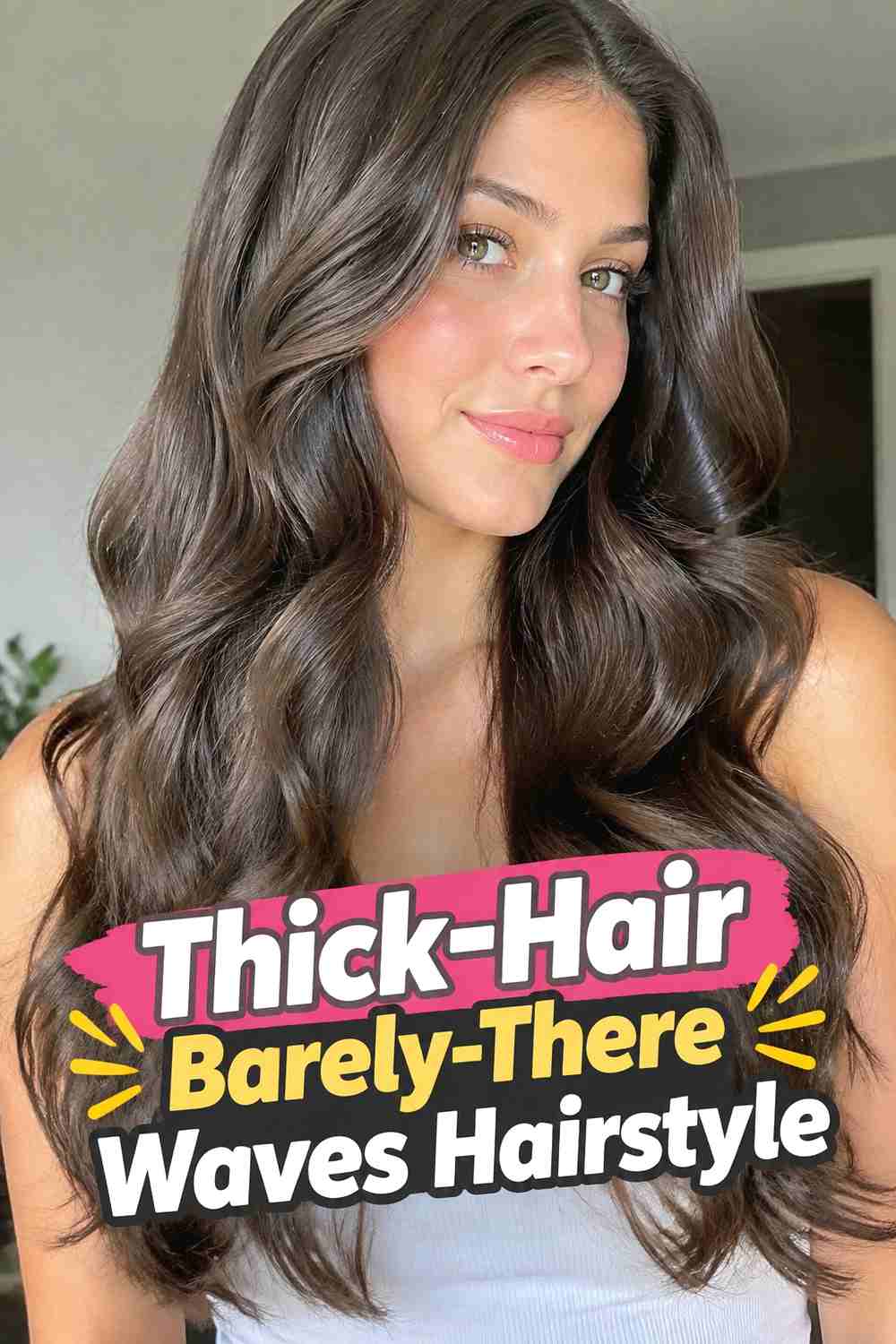
Thick hair benefits from barely-there waves when the goal is movement without adding unnecessary bulk. Work in manageable sections so heat reaches the hair evenly, but use only gentle bends instead of full curls that can dramatically expand the silhouette. Long layers can help distribute density and make the subtle movement easier to see. Begin the wave pattern below the crown and keep the roots relatively smooth, especially if the hair already has natural volume. Once cooled, separate with your fingers and use a small amount of smoothing cream through the surface and ends. The finished result should feel controlled but not flat, with enough directional change to break up the density while preserving the hair’s natural weight.
Hair Type & Length
Medium to long thick hair is particularly suitable, especially when layering has already removed some weight through the interior or ends.
Styling Notes
Smaller working sections improve consistency, but the finished bends themselves should remain broad and stretched rather than tightly curled.
14. Tousled Barely There Waves Hairstyle
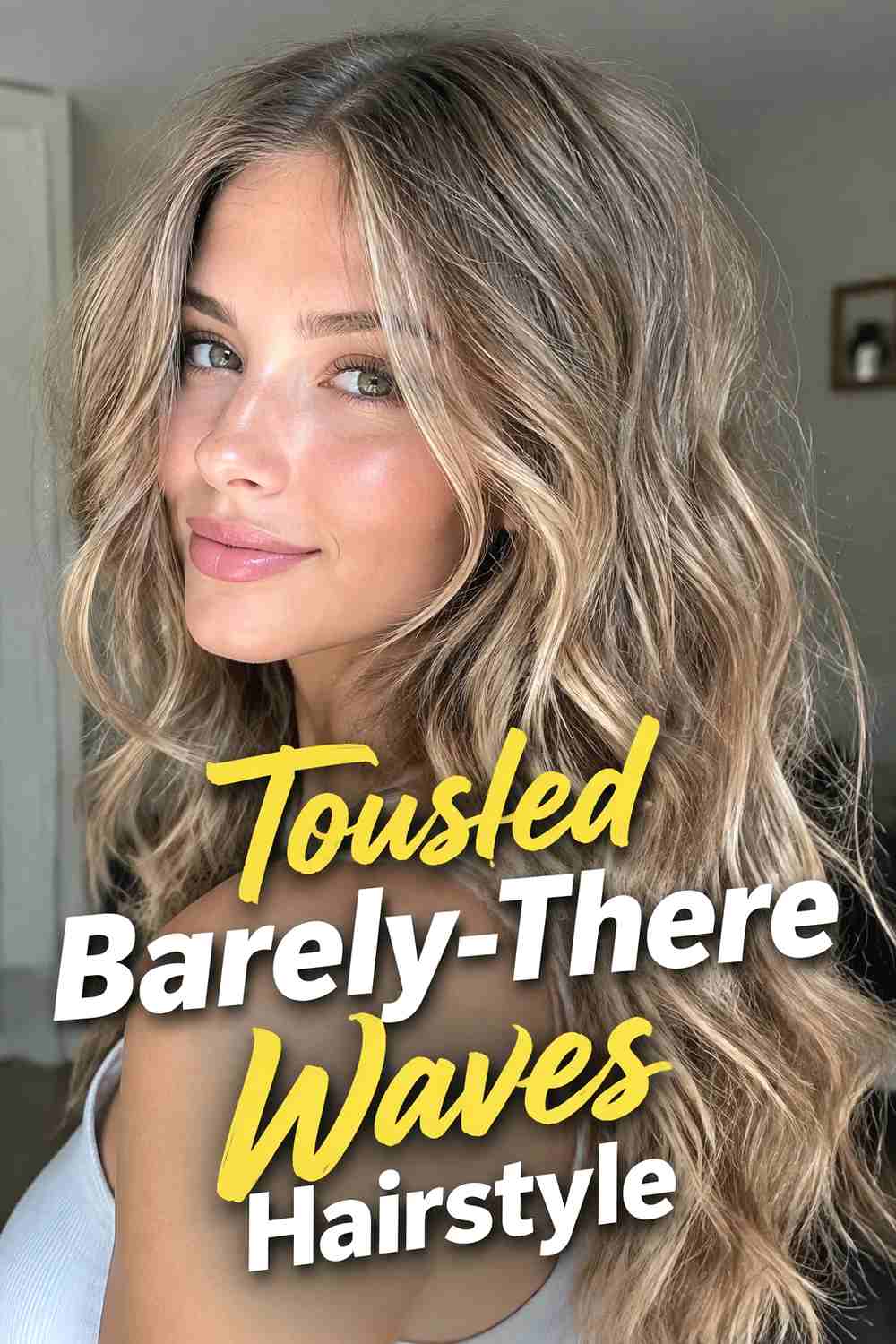
Tousled barely-there waves are deliberately less polished, with subtle bends, irregular separation, and a few straighter pieces mixed throughout. The texture should look as if it has naturally relaxed over several hours rather than just coming off a curling iron. Create loose bends at different heights and alternate directions selectively, then shake the hair with your fingertips once it cools. A light dry texture spray can add grip, particularly around the mid-lengths, but the finish should remain soft enough to move. This style is especially effective on layered medium and long hair because the different lengths naturally create variation. Avoid defining every piece; the imperfect distribution of texture is what keeps the hairstyle convincing.
Best For
This option suits casual everyday styling when you want noticeable movement but prefer an undone finish rather than sleek polish.
Wear & Maintenance
Minor changes during the day tend to blend naturally into the tousled texture, so constant reshaping is usually unnecessary.
15. Polished Barely There Waves Hairstyle
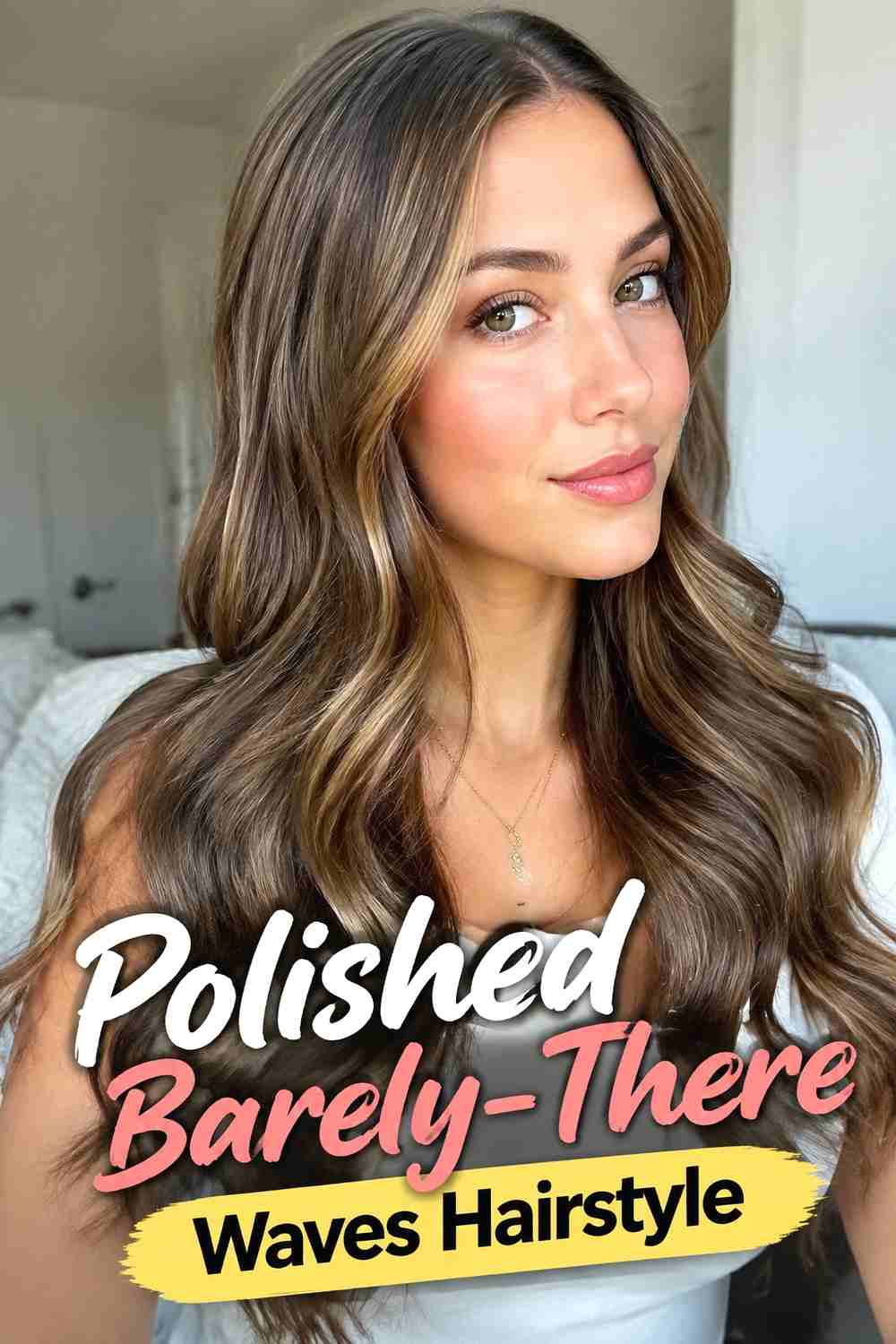
Polished barely-there waves offer a cleaner interpretation of subtle texture, with smooth roots, controlled flyaways, and shallow bends that remain visible without becoming full curls. Begin with a careful blow-dry to create an even surface, then add minimal movement through the middle and lower lengths. Larger sections help keep the pattern broad, while straighter ends preserve a sleek overall silhouette. After cooling, loosen each bend with your fingers and smooth the surface lightly rather than brushing aggressively. A flexible finishing spray can maintain the shape while allowing the hair to move. This variation works particularly well for work events, dinners, and occasions where straight hair may feel too simple but traditional waves would feel overly styled.
Why It Works
The restrained wave pattern adds dimension while the smooth finish keeps the hairstyle neat enough for more polished settings.
Pro Tip
Prioritize a smooth blow-dry first. With such subtle waves, surface frizz can become more noticeable than it would in a highly textured style.
16. Side Swept Barely There Waves Hairstyle
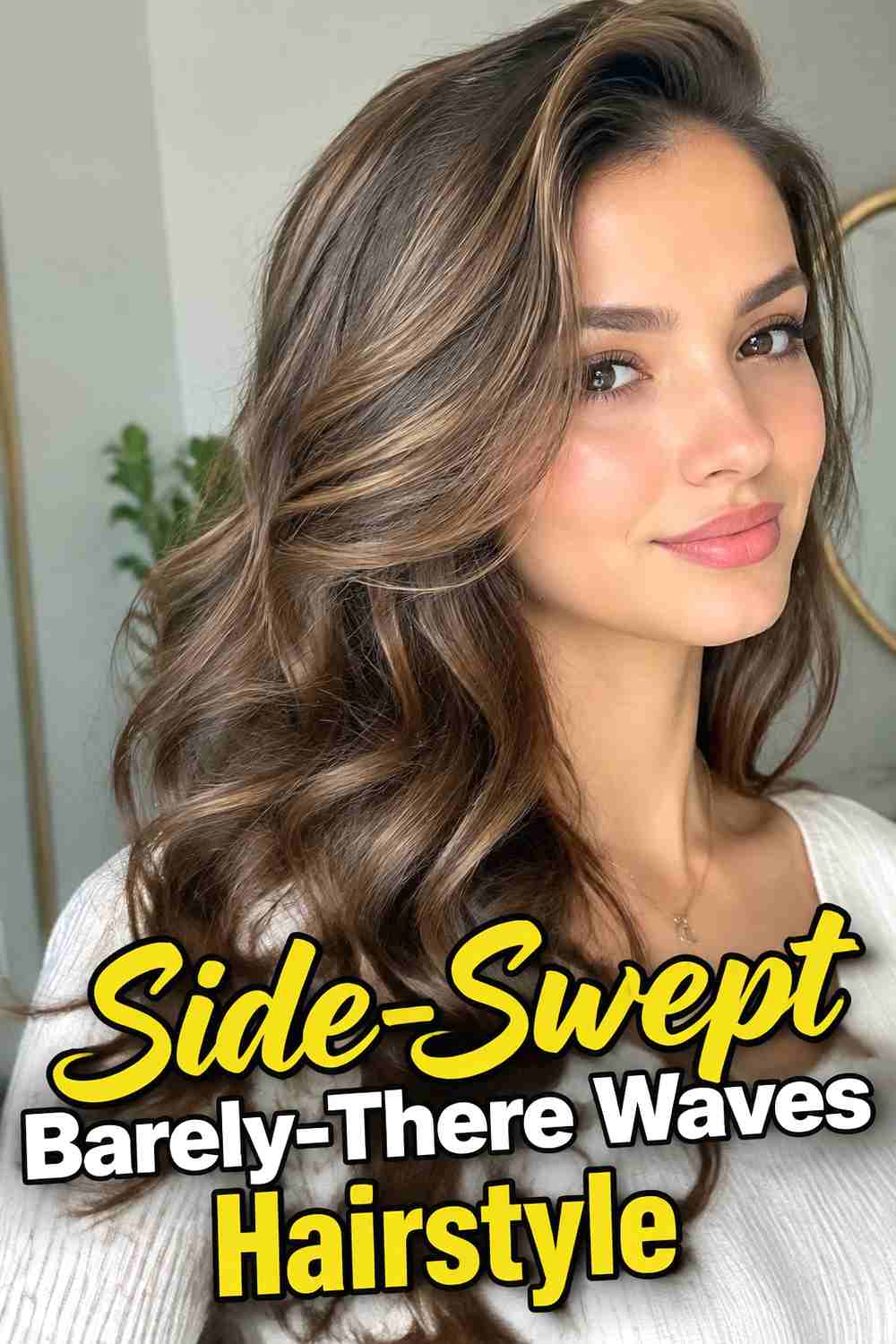
Side-swept barely-there waves create a graceful asymmetrical shape without relying on large curls or dramatic volume. Style the hair with very soft bends first, then bring most of the length over one shoulder once everything has cooled. The exposed side can be tucked behind the ear or secured discreetly at the nape, while the fuller side keeps its relaxed movement. Medium and long hair work best because the extra length makes the sweep feel fluid. Avoid making the waves too defined; the change in placement already creates enough visual interest. A few gentle bends through the front sections can frame the face while the remaining lengths stay understated and naturally separated.
Wear & Maintenance
Hidden pins at the nape can keep the hair on one side without requiring a visible accessory or excessive hairspray.
Best For
This is a simple way to make barely-there waves feel more occasion-ready while keeping their relaxed, minimalist character.
17. Half Up Barely There Waves Hairstyle
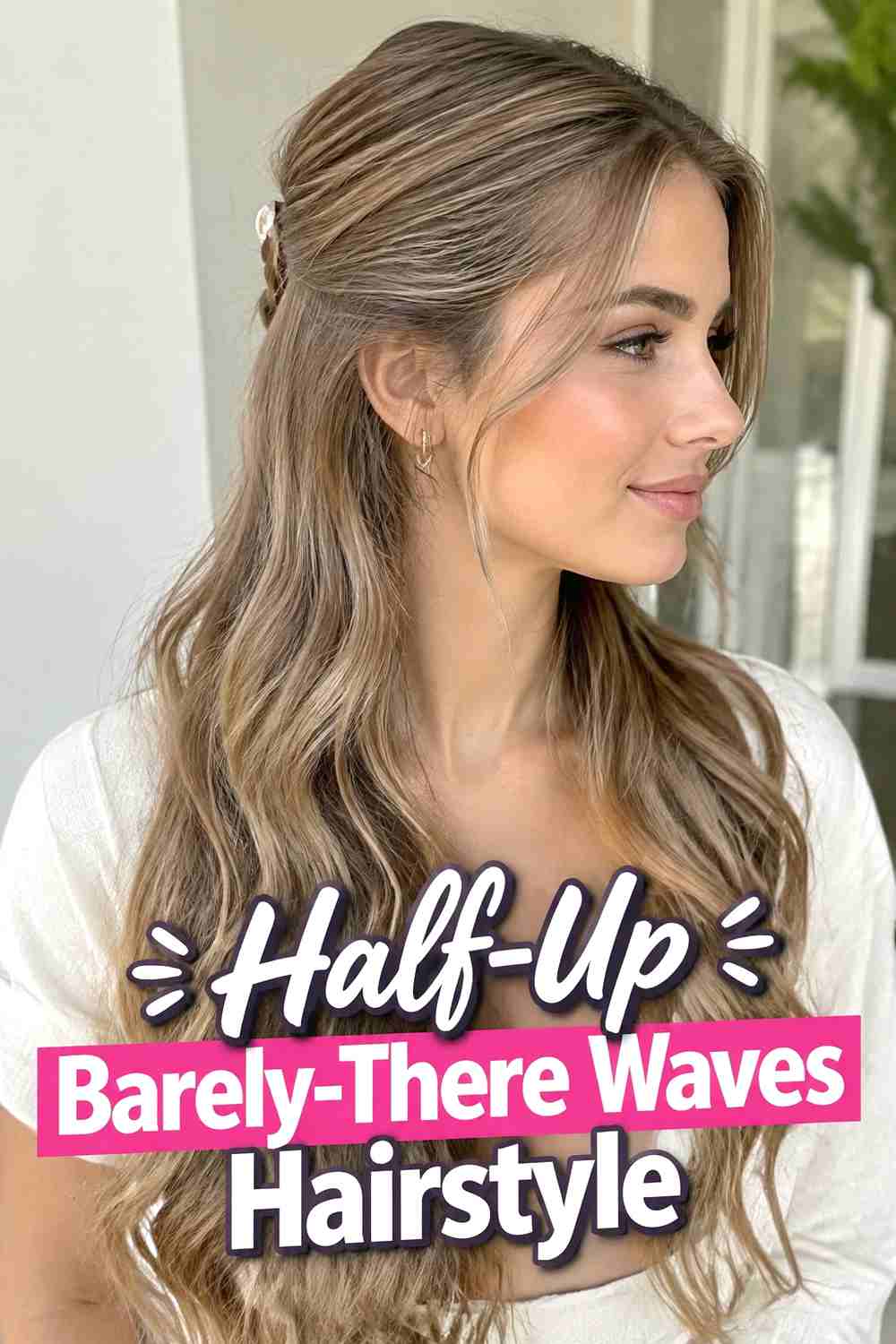
Half-up barely-there waves combine soft movement through the loose lengths with a little structure around the crown. The top section can be gathered with small pins, a slim barrette, or a simple clip, leaving the rest of the hair to fall in long, shallow bends. Keep the crown gently lifted rather than tightly pulled so the style remains consistent with the relaxed wave pattern. Medium and long hair offer enough length to show the texture clearly below the secured section. Create the bends before assembling the half-up shape, then make small adjustments with your fingers. This style works well when you want hair away from the face but still want most of the length and movement visible.
Styling Notes
Finish the waves before securing the top section. Styling afterward can disturb the placement of the pins and create uneven tension.
Why It Works
The simple half-up structure gives understated waves more definition without turning the hairstyle into a formal updo.
18. Romantic Barely There Waves Hairstyle
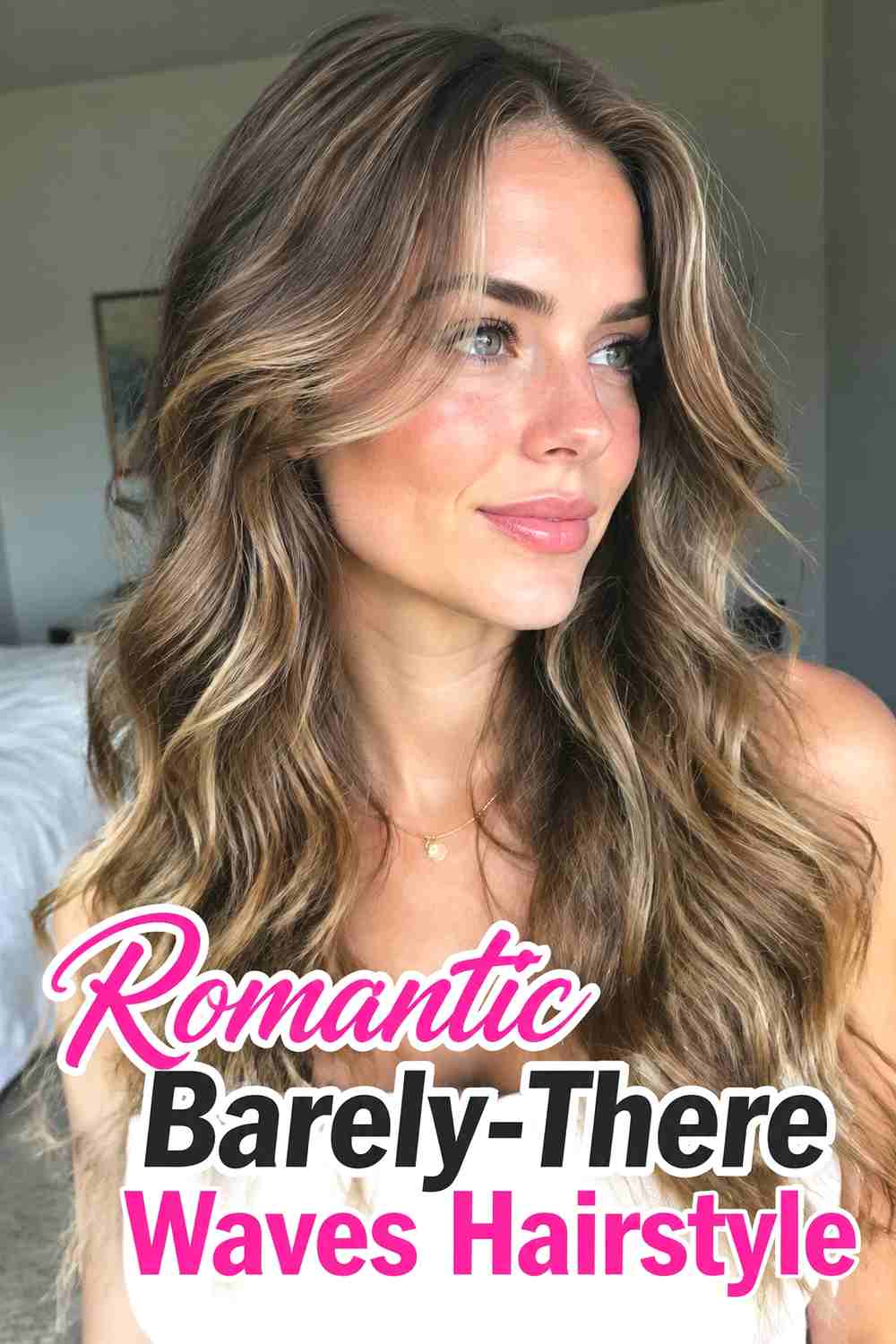
Romantic barely-there waves keep the texture soft and flowing, using long bends and gentle face-framing movement rather than obvious curls. A center or slightly off-center part can both work, while front sections curved away from the face create an open, effortless shape. The wave pattern should become increasingly relaxed toward the ends, with enough variation that the hair appears naturally soft rather than uniformly styled. Medium and long lengths are especially suited to this approach because the bends have room to stretch. Finish with flexible hold and a touch of lightweight shine through the ends. The result feels refined enough for a date, wedding, or dinner while staying understated and touchable.
Best For
Choose this variation when you want barely-there texture with a softer, more occasion-ready mood rather than a casual tousled finish.
Wear & Maintenance
Keep the hold flexible and allow the waves to relax slightly over time; that softened movement is part of the romantic effect.
How to Choose the Right Look
Start with your haircut. Long layers and face-framing pieces naturally make subtle waves easier to see because the different lengths move independently. Blunt cuts and lobs benefit from bends concentrated through the mid-lengths so their strong perimeter remains visible. Shoulder-length hair usually needs only a small amount of movement before the texture becomes noticeable.
Next, decide how polished you want the result to feel. Air-Dried and Tousled Barely-There Waves embrace irregularity, while Glossy and Polished versions rely on a smoother surface. Soft S-Bends offer a clean middle ground with visible direction but very little curl.
Density also matters. Fine hair generally needs lightweight support and complete cooling before the waves are loosened. Thick hair often requires more working sections but less added volume. If your hair already has natural bends, an air-dried approach may require very little heat.
Finally, consider your styling time and occasion. Center-part and simple layered waves work easily for everyday wear, while side-swept and half-up versions add structure for events. Whatever you choose, resist the urge to over-curl—the defining feature of barely-there waves is their subtle, stretched movement.
Final Thoughts
Barely-there waves are ideal when straight hair feels too flat but traditional curls feel like too much. A small bend through the mid-lengths, a softer front layer, or a little natural separation may be all you need. Keep the texture subtle, work with your existing haircut, and let some sections remain imperfect for the most believable finish.
FAQs
1. What are barely-there waves?
Barely-there waves are very soft, stretched bends that sit between straight hair and clearly defined waves. They add movement without creating an obvious curl pattern.
2. How do barely-there waves differ from beach waves?
Beach waves usually have more texture and visible definition. Barely-there waves are softer, flatter, and more elongated, with fewer noticeable bends and often straighter ends.
3. Can barely-there waves work on short or medium hair?
Yes. Lobs and shoulder-length cuts can wear subtle waves beautifully when the strongest movement is concentrated through the mid-lengths rather than tightly curling the ends.
4. What tool works best for barely-there waves?
A flat iron, large curling iron, or round brush can all work. The technique matters most: use minimal rotation and avoid creating complete curls.
5. How can I make barely-there waves look natural?
Vary the starting height of the bends, leave some sections straighter, keep the ends relaxed, and loosen the hair after it cools instead of preserving a perfectly uniform pattern.
Save your favorite barely-there waves hairstyle ideas for your next styling session, and share the collection with anyone who loves soft, effortless movement.