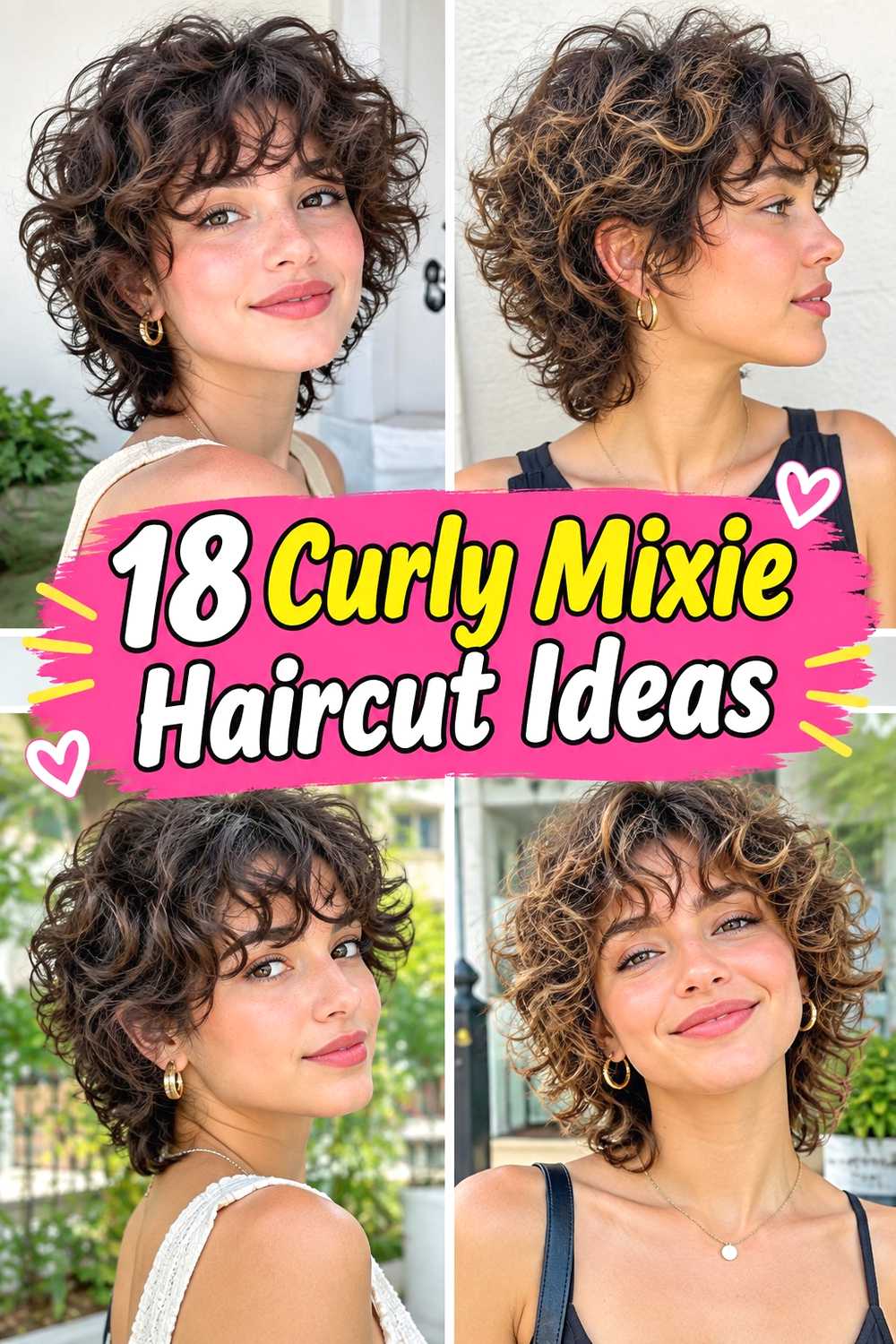
16 Collarbone Lob Haircuts for Curly Hair
Collarbone lobs give curls room to spring, move, and frame the face while keeping enough length for versatile everyday styling.
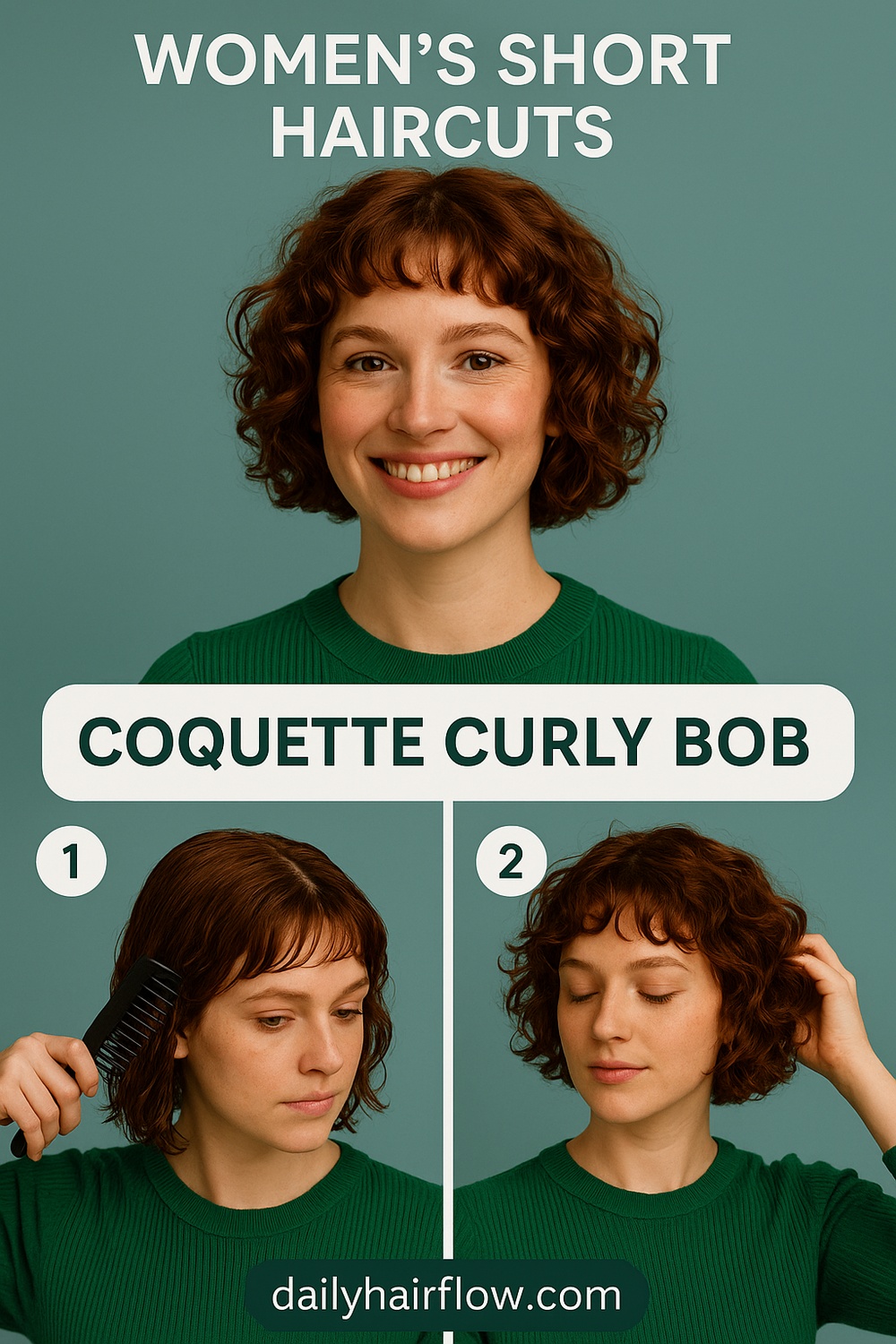
A collarbone lob can be especially appealing for curly hair because the extra length gives curls space to form without the haircut feeling excessively short. Depending on curl pattern and shrinkage, the finished shape can range from loose and flowing to rounded, springy, or intentionally shaggy.
The most important details are layer placement, dry length, density, and volume distribution. Tighter curls may spring several inches above their stretched length, while looser patterns can settle closer to the collarbone. Before choosing a version, consider whether you prefer fullness at the sides, lift at the crown, defined face-framing pieces, bangs, or a more elongated silhouette.
Quick List
- Soft Layered Curly Collarbone Lob Hairstyle
- Voluminous Rounded Curly Lob Hairstyle
- Face Framing Curly Collarbone Lob Hairstyle
- Curly Collarbone Lob With Wispy Bangs Hairstyle
- Side Parted Curly Collarbone Lob Hairstyle
- Center Parted Defined Curl Lob Hairstyle
- Shaggy Curly Collarbone Lob Hairstyle
- Long Layered Curly Collarbone Lob Hairstyle
- Curly Collarbone Lob With Curtain Bangs Hairstyle
- Fine Hair Curly Collarbone Lob Hairstyle
- Thick Hair Curly Collarbone Lob Hairstyle
- Loose Curl Collarbone Lob Hairstyle
- Springy Spiral Collarbone Lob Hairstyle
- Deep Side Swept Curly Lob Hairstyle
- Air Dried Natural Curly Collarbone Lob Hairstyle
- Softly Tapered Curly Collarbone Lob Hairstyle
1. Soft Layered Curly Collarbone Lob Hairstyle
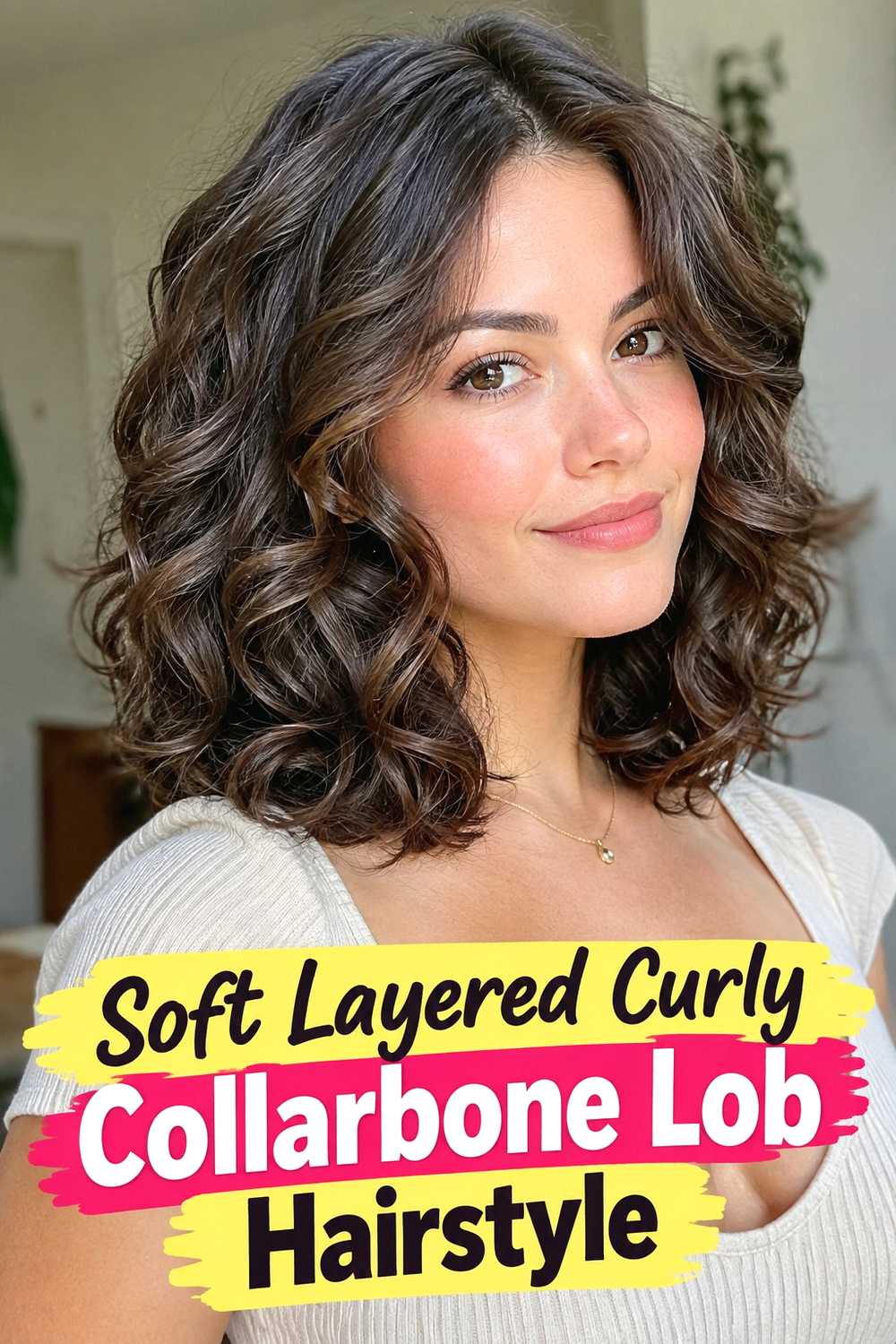
Soft layers give a curly collarbone lob movement without breaking the overall shape into too many short pieces. The longest curls can settle around the collarbone when dry, while slightly shorter sections through the front and sides create gentle lift and prevent the perimeter from feeling heavy. Instead of forcing every curl into the same length, the layered structure allows individual ringlets and waves to sit naturally beside one another. This version works particularly well when you want a balanced silhouette with visible definition but not dramatic crown volume. Keeping the layers gradual also makes the cut versatile enough for diffused styling, air-drying, or occasional stretched looks without losing its recognizable lob shape.
Hair Type & Length
Loose curls, medium spirals, and mixed wave-curl patterns can all wear this shape. The final cutting length should account for how much the hair rises when completely dry.
Styling Notes
Apply curl cream or gel in sections, then diffuse with minimal handling to preserve natural curl grouping and avoid unnecessary frizz.
2. Voluminous Rounded Curly Lob Hairstyle
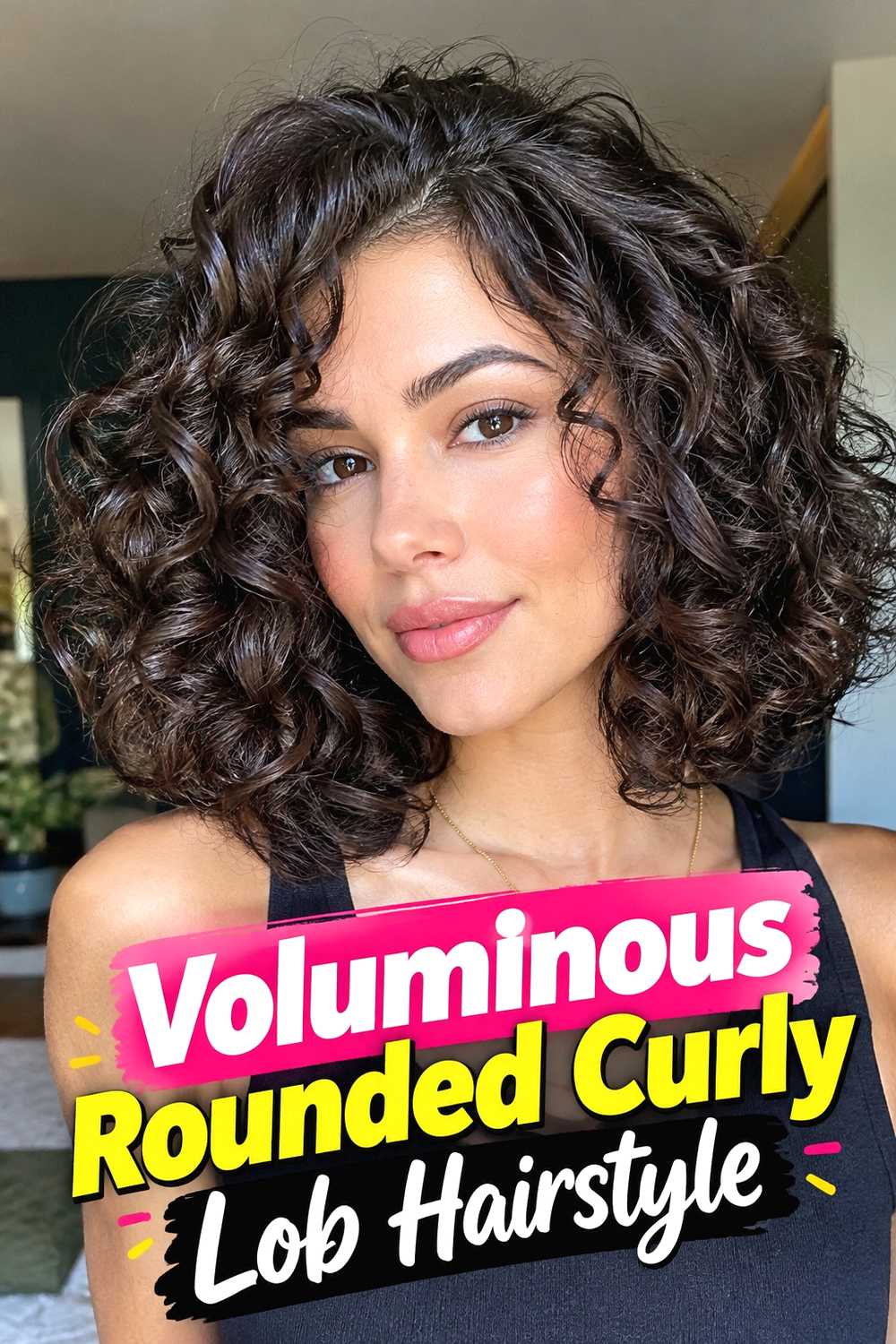
A rounded curly lob celebrates fullness by distributing volume around the sides and crown instead of concentrating all the weight at the bottom. Carefully placed layers help shorter curls lift away from the head while the lower sections still reach toward the collarbone. The result is a soft, curved silhouette that looks intentional from the front, side, and back. This shape can be especially striking on medium to dense curls because the haircut works with the hair’s natural expansion rather than trying to flatten it. The perimeter should remain soft and varied rather than forming a rigid line, allowing individual curls to create the edge of the haircut naturally as they spring into place.
Why It Works
The rounded outline gives natural volume a clear shape, while graduated layering prevents the lower half from becoming overly triangular or bottom-heavy.
Pro Tip
Dry with the head upright for controlled fullness, then gently lift the roots with fingertips or a hair pick only after the curls are fully dry.
3. Face Framing Curly Collarbone Lob Hairstyle
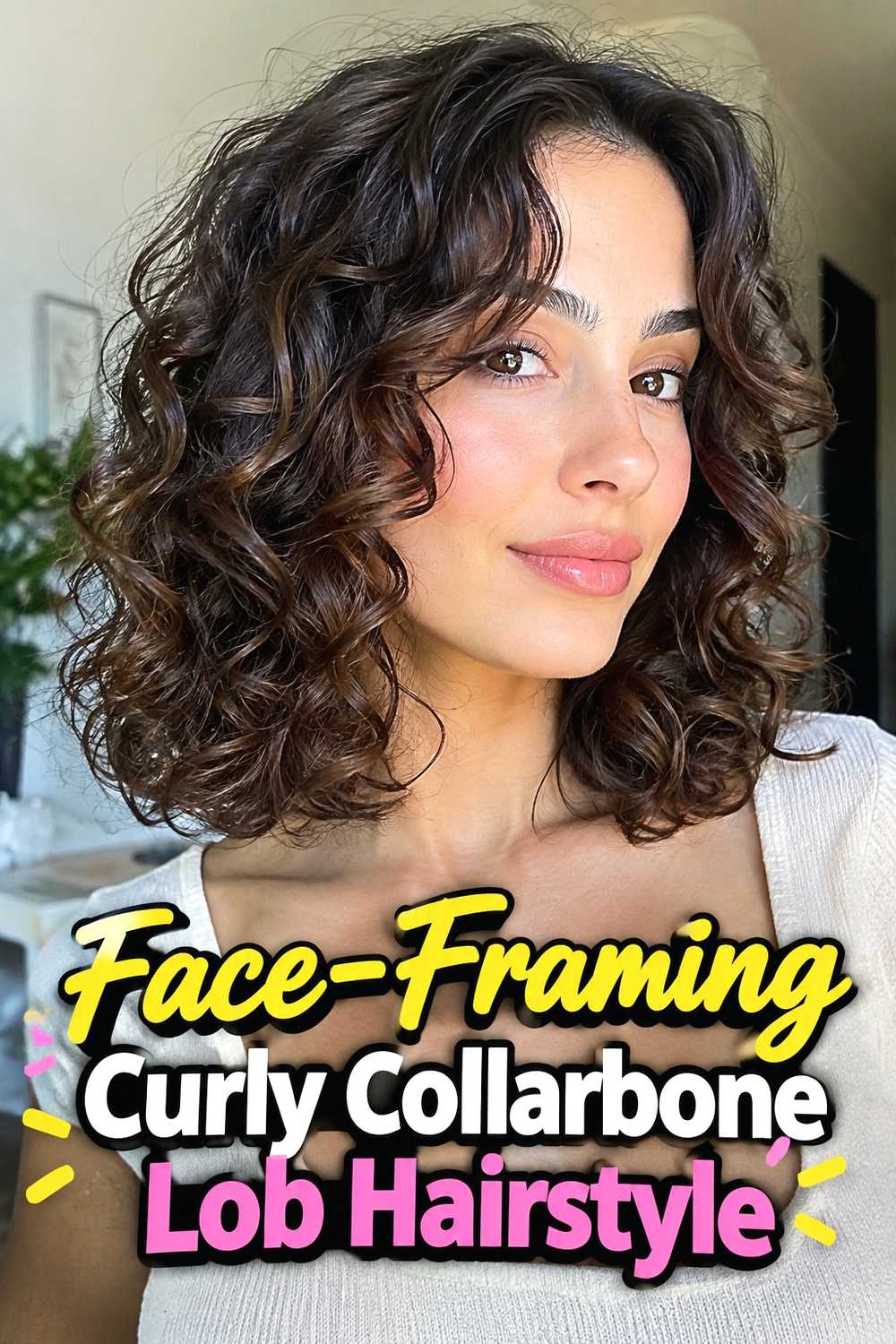
Face-framing layers add detail to a curly lob without requiring bangs or major changes throughout the entire haircut. Shorter curls can begin around the cheekbones or jaw before blending gradually into collarbone-length sections, giving the front a softer, more open appearance. Because each curl contracts differently, these pieces should be planned with their dry pattern in mind instead of relying only on stretched length. The rest of the haircut can stay relatively long and full, which helps preserve versatility and keeps the shape from becoming overly layered. This version is especially useful when you want noticeable movement near the face while maintaining substantial length through the sides and back.
Best For
This style works well for curl patterns that form clear clumps around the front and can support a few shorter pieces without becoming excessively puffy.
Wear & Maintenance
Face-framing curls may spring higher on humid days or after a fresh wash, so leaving a little extra length can provide useful flexibility.
4. Curly Collarbone Lob With Wispy Bangs Hairstyle
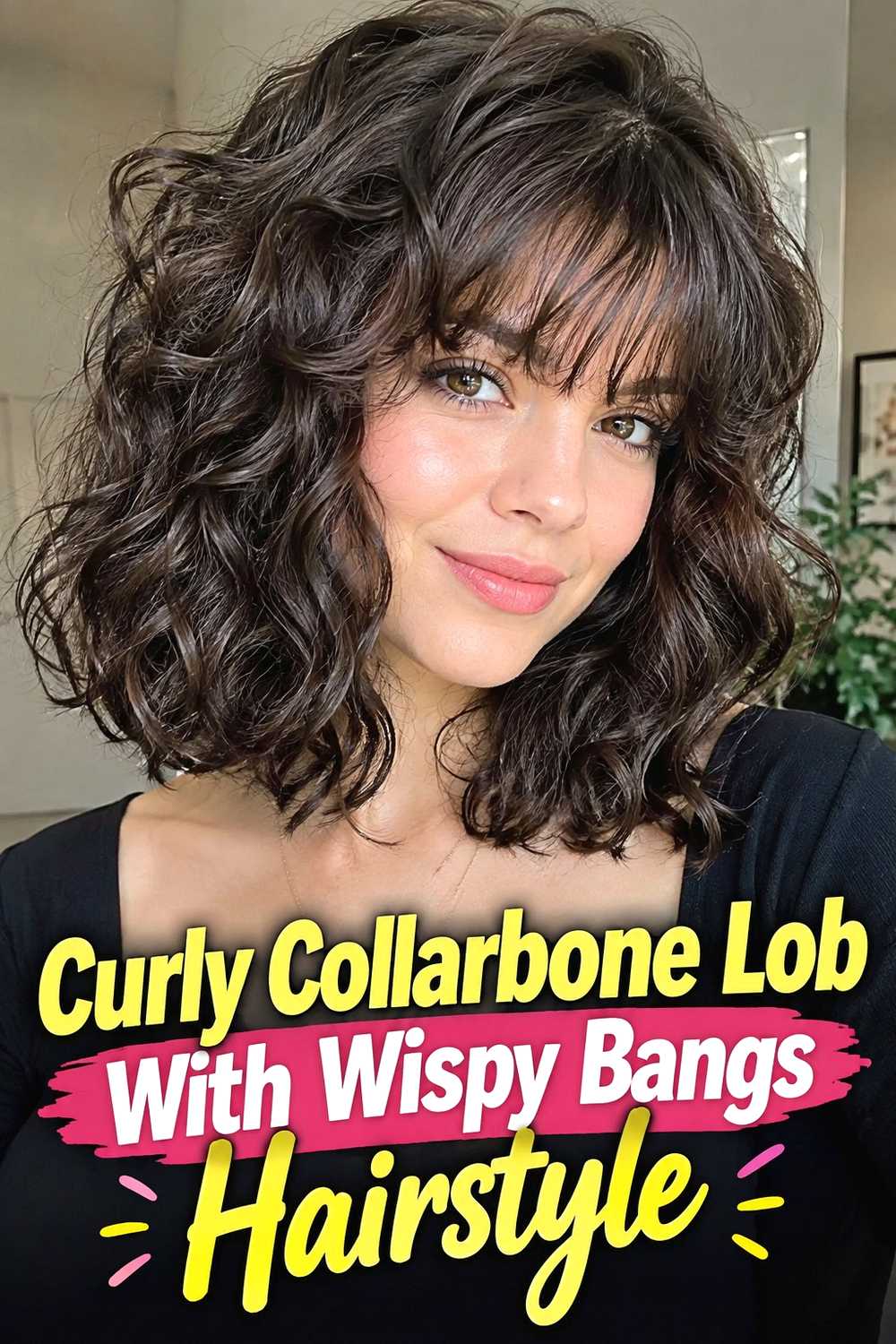
Wispy curly bangs bring a light, playful element to a collarbone lob without creating the density of a full fringe. A small section of curls can fall softly across the forehead, with slightly longer pieces toward the temples so the bangs blend naturally into the rest of the haircut. The main length stays around the collarbone, supported by subtle layers that help distribute volume. Rather than straightening the fringe, letting it follow the natural curl pattern gives the style a more cohesive finish. Because curly bangs can shrink dramatically as they dry, their placement should be judged in the hair’s natural state, especially if the curls around the hairline are tighter than those through the lengths.
Styling Notes
Shape the bangs with a small amount of curl product while damp, then avoid stretching them downward as they dry. Their natural spring is part of the finished look.
Pro Tip
Start with slightly longer bangs if you are new to curly fringe. Length can always be refined once the natural dry position is clear.
5. Side Parted Curly Collarbone Lob Hairstyle
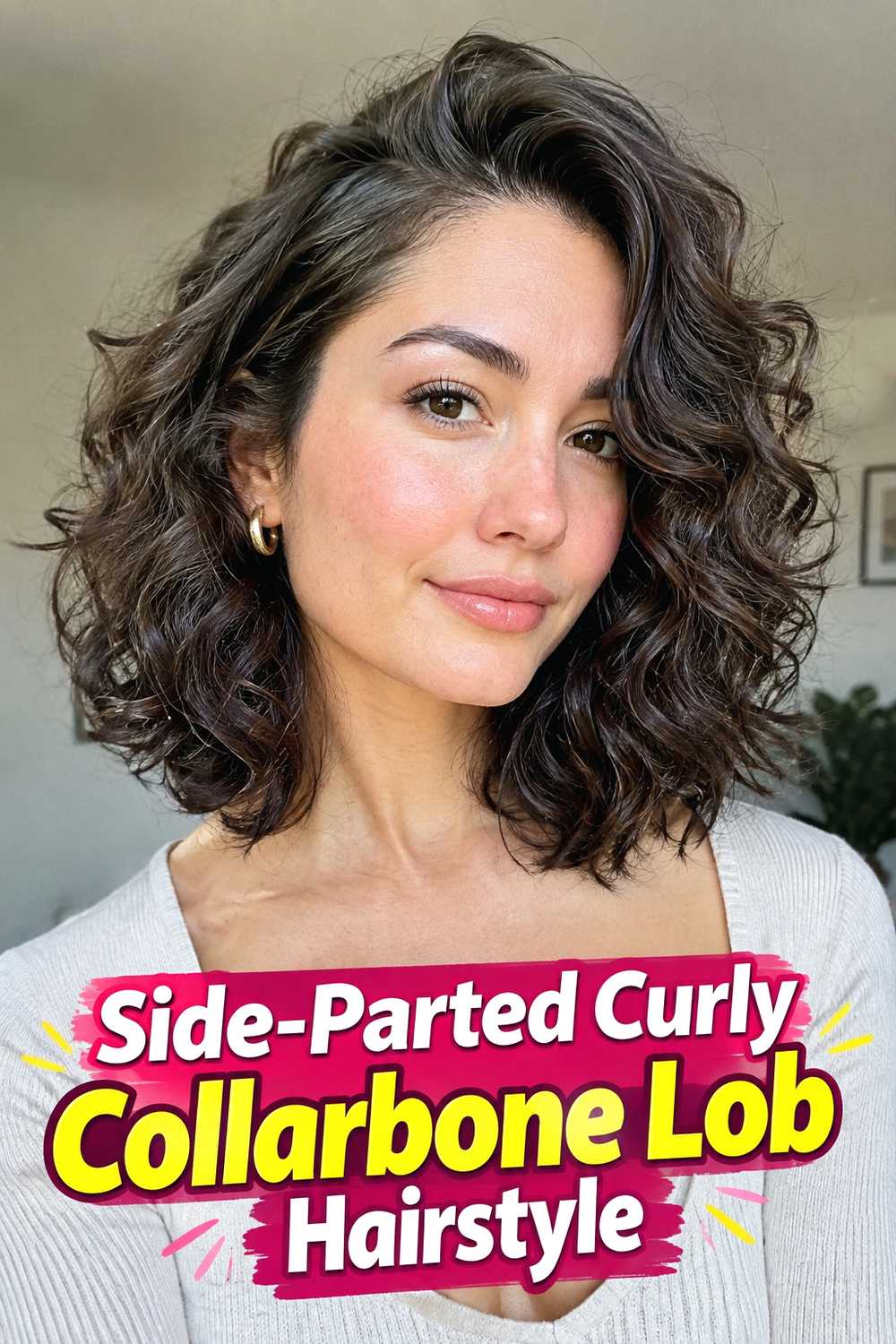
A side part changes the balance of a curly collarbone lob by creating extra lift and fullness on one side while allowing the other to sit closer to the face. This asymmetry adds movement without requiring a dramatically different cut. Long layers help the curls fall naturally from the shifted part and keep the heavier side from becoming bulky. The front curl can sweep across the forehead or away from the face depending on its natural pattern, creating a flexible focal point. This option is particularly useful if your curls naturally prefer one direction or if you like visible root volume without adding many short crown layers throughout the entire haircut.
Styling Notes
Set the part while the hair is wet or very damp, then diffuse without repeatedly moving the curls from side to side.
Why It Works
The off-center volume creates an immediate change in silhouette while preserving the collarbone length and most of the haircut’s existing density.
6. Center Parted Defined Curl Lob Hairstyle
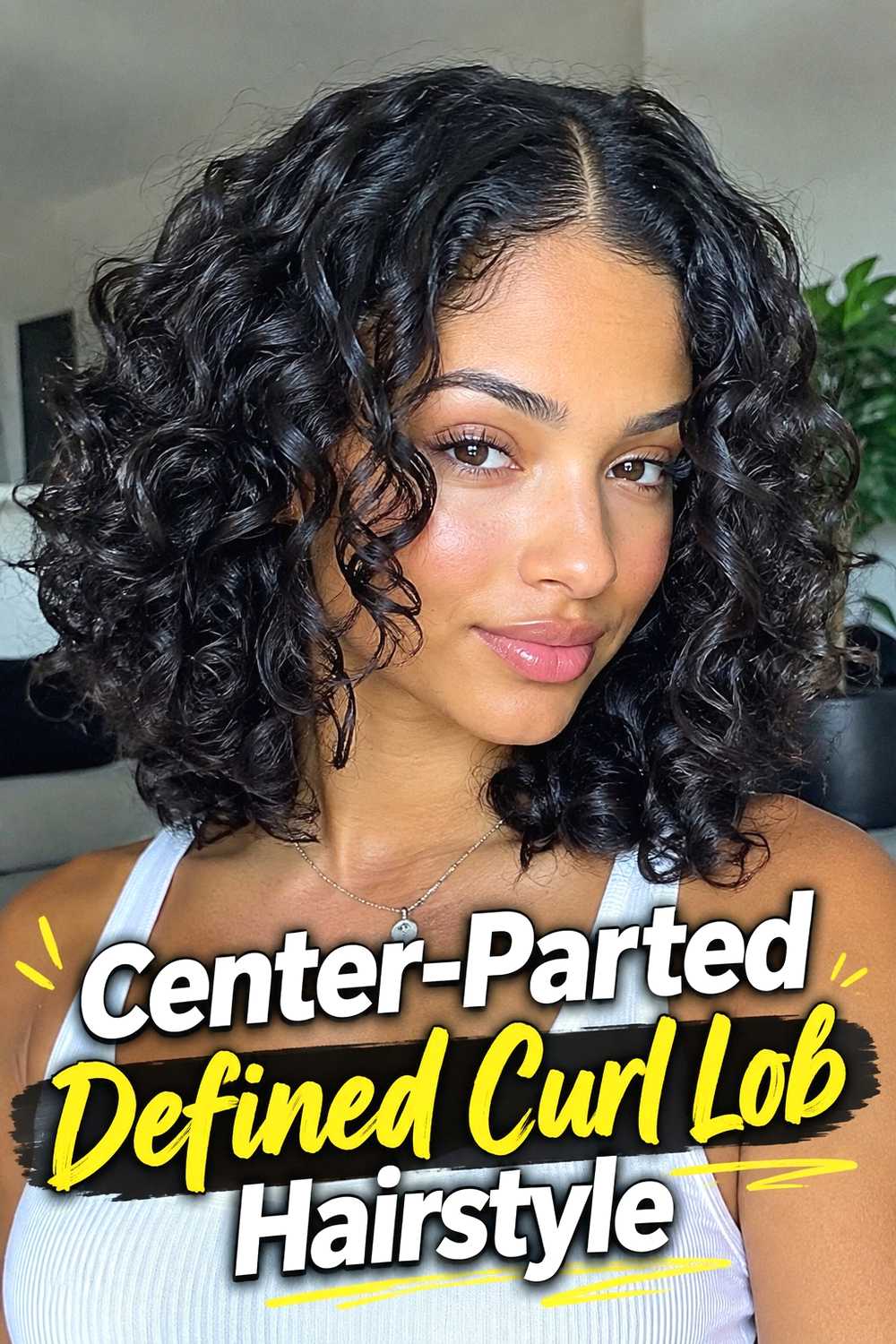
A center part gives a curly lob a balanced, symmetrical framework that lets curl definition become the main visual feature. The front sections fall on both sides of the face, while medium-to-long layers prevent the lower lengths from gathering into one dense block. This version looks particularly polished when the curls form clear clumps with natural variation in size rather than identical ringlets. Keeping the crown relatively smooth preserves the centered shape, while controlled volume through the mid-lengths and ends adds softness. The cut can suit both loose and tighter curls, but the final length should be adjusted so the dry perimeter still feels close to the collarbone instead of springing unexpectedly toward the shoulders.
Best For
This style suits curl patterns with fairly even distribution around the front and people who enjoy a more balanced, face-framing finish.
Styling Notes
Apply product evenly on both sides of the part and avoid disturbing the roots too much while drying if you want the central line to remain defined.
7. Shaggy Curly Collarbone Lob Hairstyle
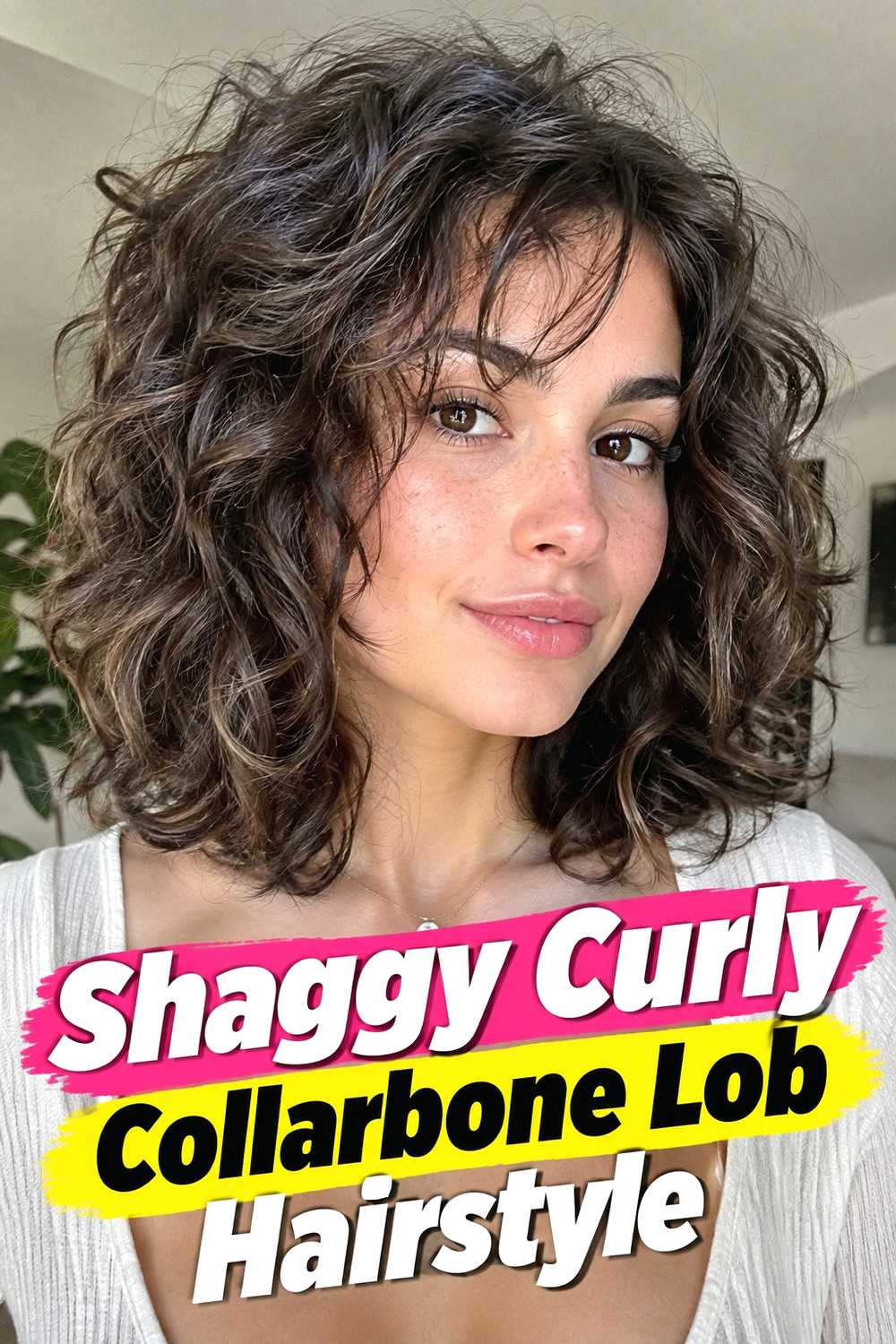
A shaggy curly lob introduces shorter layers through the crown and front, creating a more casual silhouette with visible movement at multiple lengths. The longest curls still approach the collarbone, but the upper layers sit higher and encourage natural lift. Rather than forming a perfectly rounded outline, the shape can look slightly irregular and lived-in, which suits curls that already have a lot of personality and variation. Face-framing pieces can begin around the cheekbones and gradually connect to the longer sides. This haircut works best when the layers are tailored to density; too many short sections can create excessive expansion, while carefully spaced layering can deliver volume without sacrificing the lob’s overall length.
Hair Type & Length
Medium-density wavy, curly, and loose spiral textures often respond well to this shape because the layers can separate naturally without leaving the ends too sparse.
Styling Notes
Scrunch product through the hair and diffuse with gentle root lift. Avoid over-defining every curl, since slight irregularity complements the shaggy finish.
8. Long Layered Curly Collarbone Lob Hairstyle
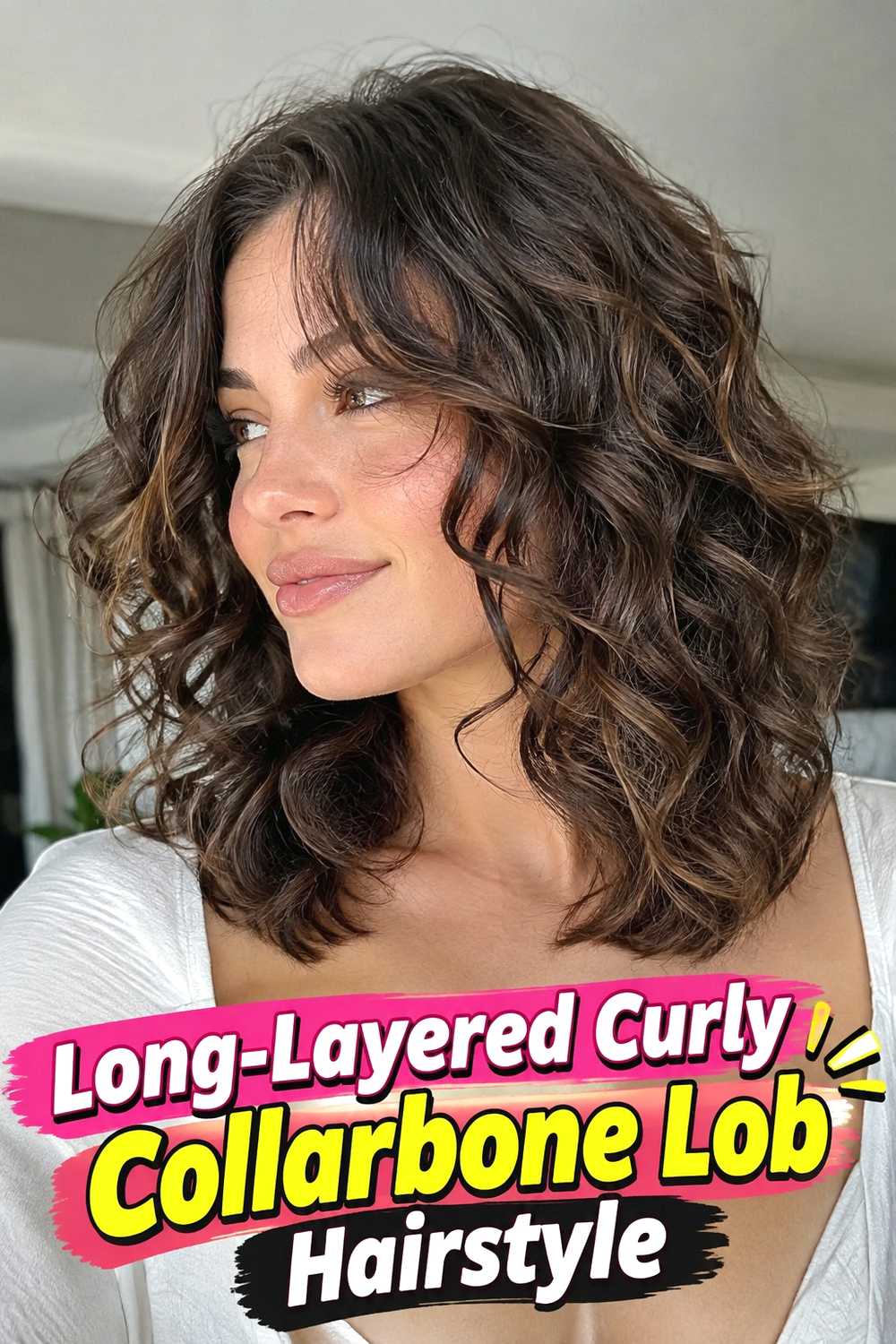
Long layers are a practical choice when you want a curly lob with movement but prefer to preserve as much visible length as possible. Most of the curls remain close to the collarbone, while subtle internal and surface layers release enough weight to keep the shape from looking heavy. Because the length differences are gradual, the haircut maintains a smooth overall outline instead of developing obvious tiers. This can be particularly useful for curls that become very voluminous when cut too short. The longer structure also offers versatility for half-up styles, ponytails, and occasional stretched looks. Natural curl variation supplies plenty of visual texture even without dramatic layering through the crown or front.
Best For
Dense curls, looser spirals, and anyone who prioritizes length retention may find long layering easier to manage than a heavily graduated curly cut.
Wear & Maintenance
As the haircut grows, the longer layers tend to blend gradually, making the shape relatively forgiving between major reshaping appointments.
9. Curly Collarbone Lob With Curtain Bangs Hairstyle
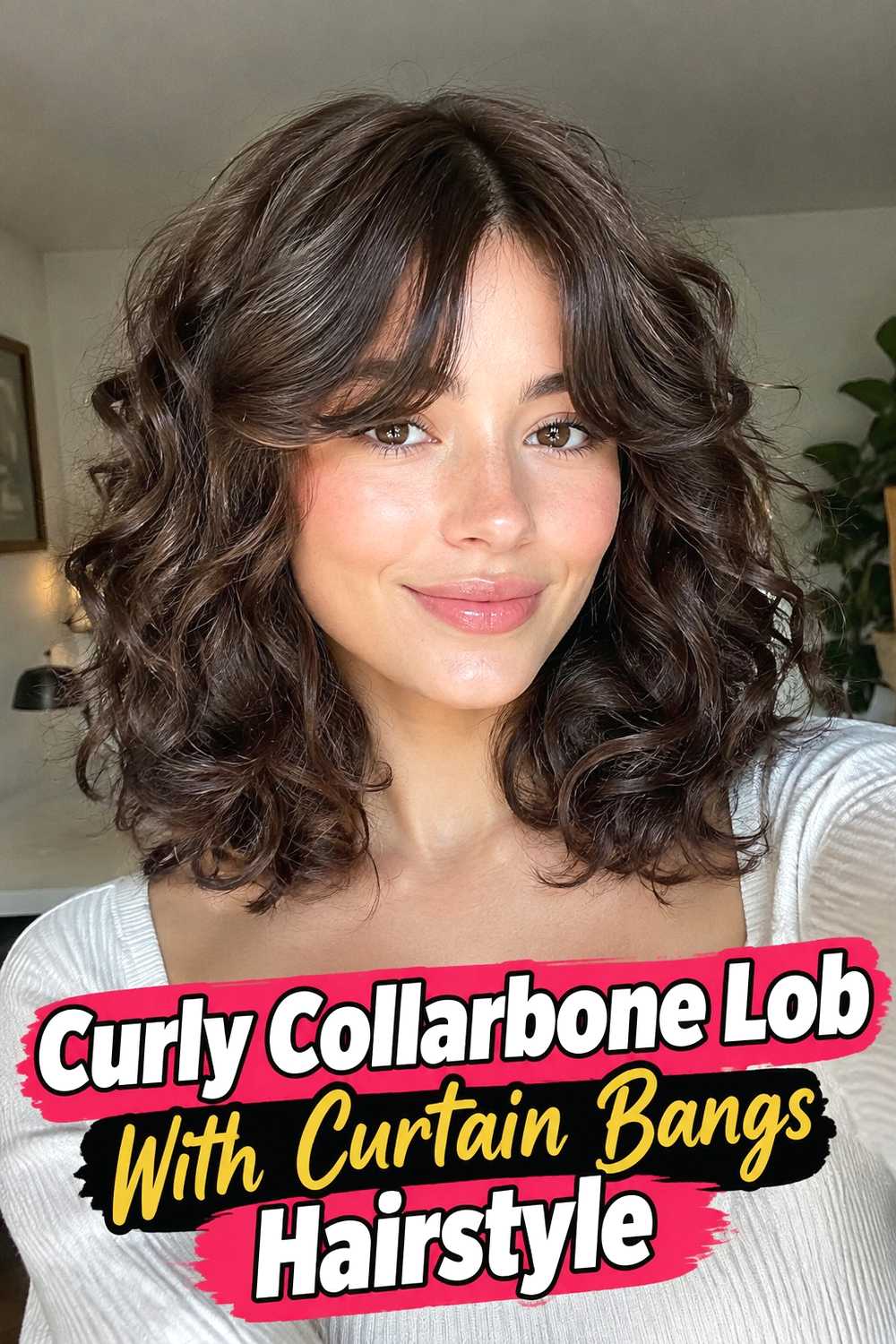
Curly curtain bangs create a softer center-opening fringe that blends directly into the front layers of a collarbone lob. Instead of covering the entire forehead, the shortest curls can sit near the center while progressively longer pieces sweep toward the temples and cheekbones. The transition should feel gradual so the fringe reads as part of the haircut rather than a separate section. Through the main length, moderate layering can help maintain movement without competing with the front detail. This style works especially well when the hair naturally separates near the center, although the exact bang shape depends heavily on shrinkage and curl direction. The finished effect is relaxed, textured, and easy to adjust as the fringe grows.
Styling Notes
Arrange the curtain section while damp and allow the curls to fall naturally away from the center. Avoid pulling them straight during drying.
Pro Tip
Keep the outer bang pieces longer than the center curls so they can connect smoothly with the cheekbone and jaw-level layers.
10. Fine Hair Curly Collarbone Lob Hairstyle
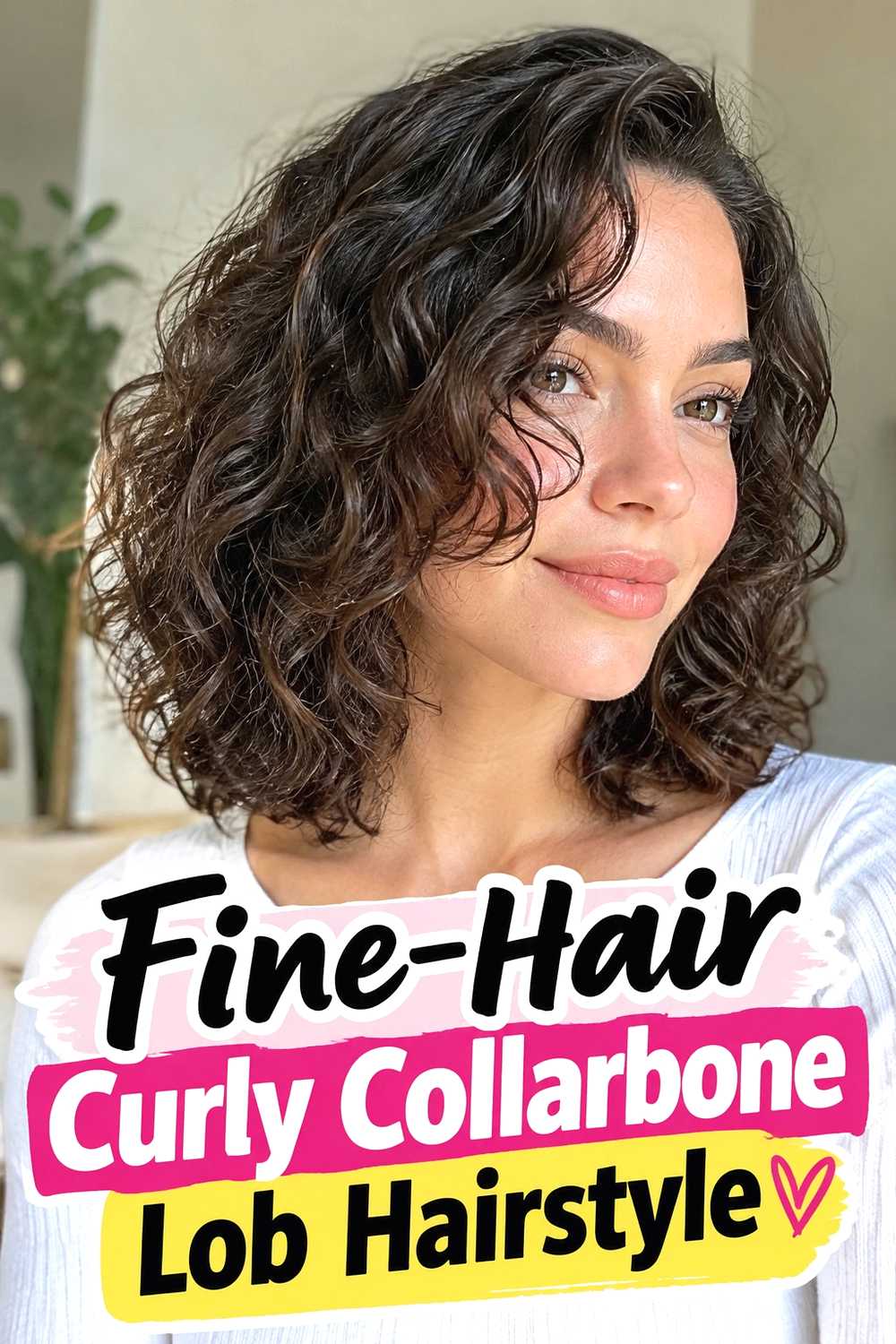
Fine curly hair often benefits from a collarbone lob that preserves weight through the lower edge rather than relying on extensive layering. Keeping most curls relatively long can help the perimeter look substantial, while a few carefully placed shorter pieces add lift near the crown or face. The goal is movement without sacrificing too much density. Lightweight styling products are especially useful because heavy creams can stretch delicate curls and reduce their natural volume. A soft side or center part can both work, depending on where the hair naturally holds the most fullness. When properly balanced, this version can create an airy silhouette that still looks defined and intentionally shaped rather than thin through the ends.
Why It Works
A stronger perimeter keeps more hair concentrated near the collarbone, while restrained layering gives fine curls enough freedom to form without over-removing weight.
Pro Tip
Use lighter mousses, foams, or gels and apply only what the curls need. Excess product can weigh down finer strands and reduce natural spring.
11. Thick Hair Curly Collarbone Lob Hairstyle
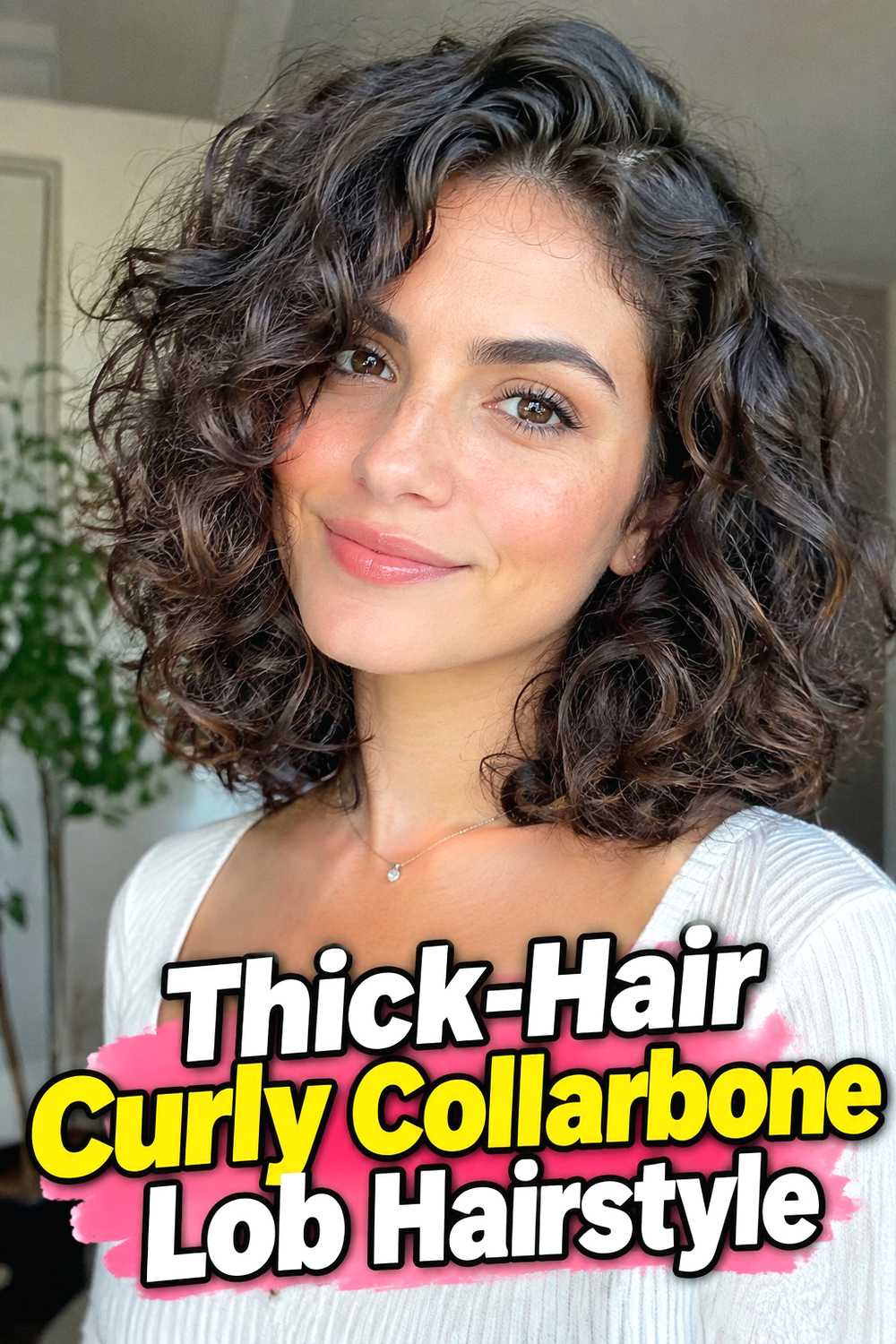
Thick curly hair can make a collarbone lob look rich and full, but strategic layering is important for preventing too much weight from settling near the shoulders. Longer internal layers can create space inside the haircut while preserving a dense outer surface, allowing curls to move without appearing excessively thinned. Face-framing sections can remove some heaviness from the front, while the crown stays controlled enough to maintain a balanced silhouette. The goal is not to eliminate volume but to place it intentionally. When the cut respects the natural curl pattern, thick hair can produce a dramatic yet wearable lob with clear definition, generous movement, and enough length to retain styling flexibility.
Hair Type & Length
Dense waves, curls, and spirals can suit this cut particularly well when layer placement is customized to where the hair naturally expands.
Wear & Maintenance
Avoid aggressive thinning that creates random short pieces. Controlled internal shaping generally keeps thick curls looking more cohesive as the haircut grows.
12. Loose Curl Collarbone Lob Hairstyle
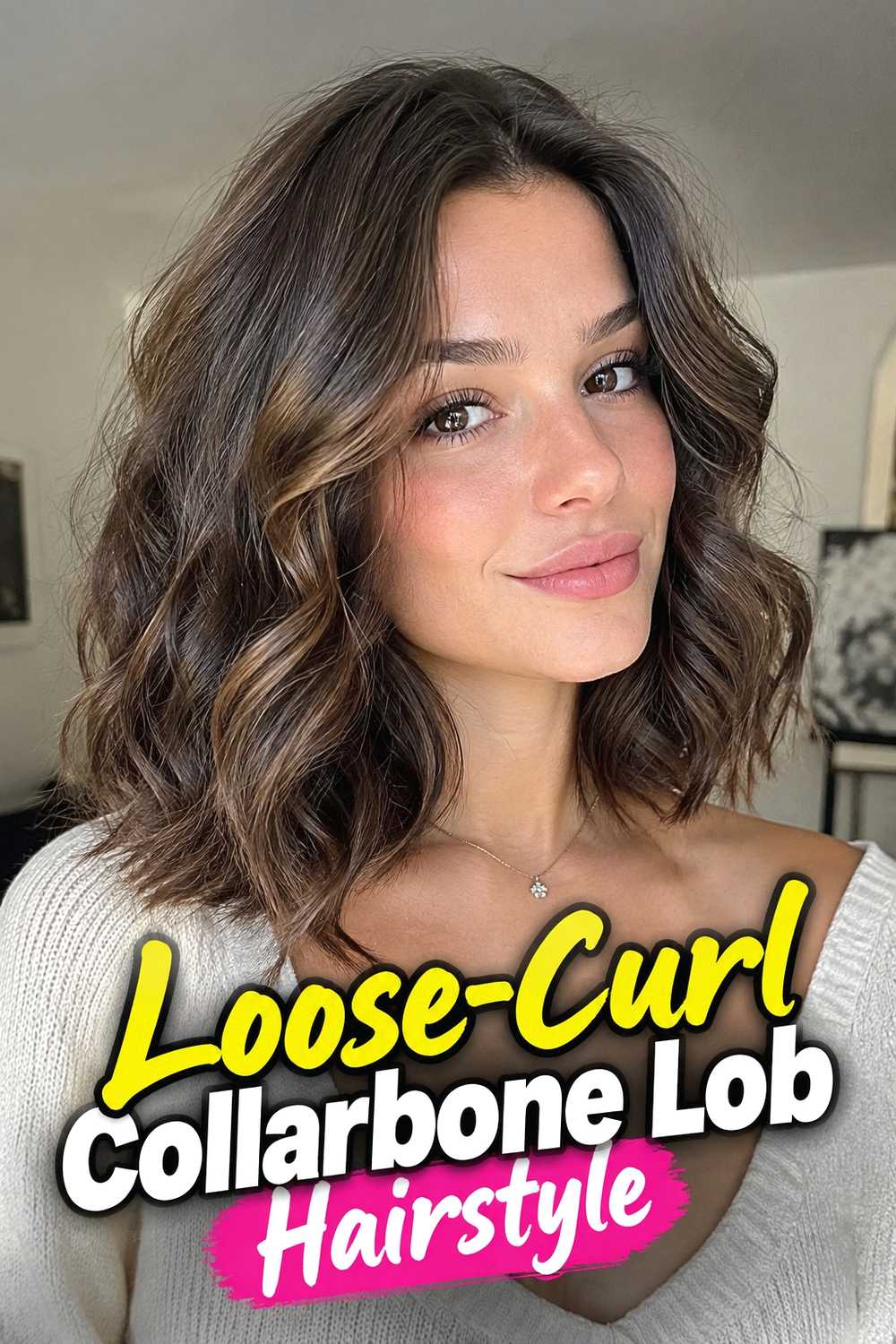
Loose curls give a collarbone lob a flowing, softly textured appearance that sits between defined spirals and wavy hair. The haircut can use long layers to encourage movement while keeping the ends full enough to preserve the lob silhouette. Because looser curls often have less shrinkage than tighter patterns, the finished length can stay close to the collarbone with only moderate adjustment. A few shorter face-framing sections add shape without disrupting the relaxed pattern. This version looks equally attractive with a center or slightly off-center part and does not require every bend to be perfectly defined. Allowing some sections to stretch while others form fuller loops creates the natural variation that makes loose curls visually appealing.
Styling Notes
Apply a light curl enhancer and scrunch upward without overworking the pattern. Air-dry or diffuse on low airflow to protect the broader curl shape.
Best For
Loose curl patterns and strong waves that form occasional spirals are especially compatible with this easy, elongated version of the lob.
13. Springy Spiral Collarbone Lob Hairstyle
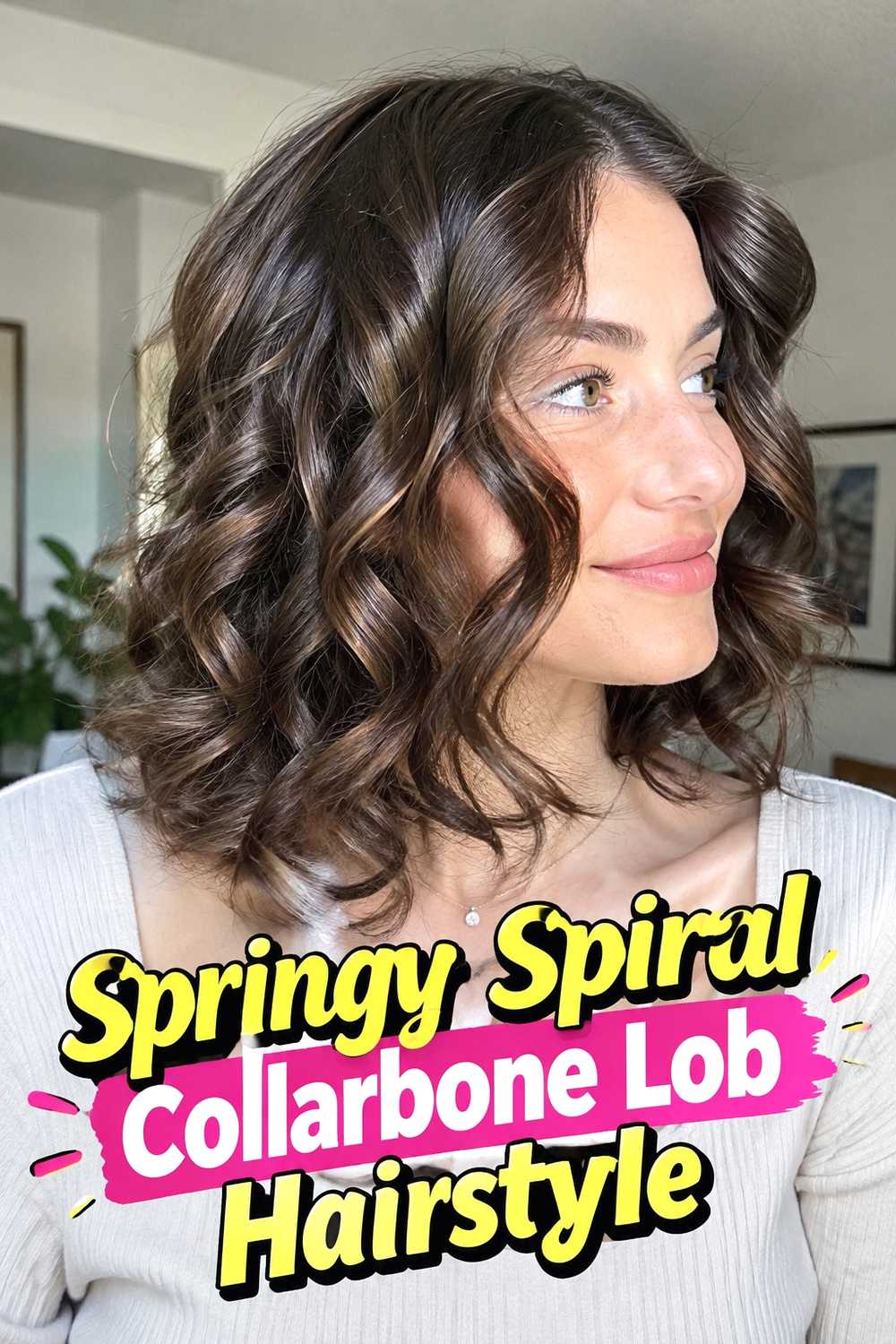
Springy spirals create a lively collarbone lob with clear curl definition and noticeable bounce throughout the shape. Because tighter ringlets can shrink considerably, the haircut may need to be left longer when stretched so the dry curls settle at the intended level. Medium layers help distribute volume through the sides and crown while allowing individual spirals to form without becoming trapped beneath heavier sections. The perimeter should follow the natural curl pattern instead of appearing perfectly straight, giving the cut a soft and realistic edge. This look embraces density and movement, making it ideal for anyone who wants the curl pattern itself to be the main feature rather than smoothing or stretching it into a more controlled silhouette.
Hair Type & Length
Tighter curls and springy spiral patterns need careful dry-length planning, since seemingly small differences in stretched length can produce noticeable changes after shrinkage.
Pro Tip
Judge the final perimeter only after the curls are fully dry. Wet curls may hang considerably lower than the finished hairstyle.
14. Deep Side Swept Curly Lob Hairstyle
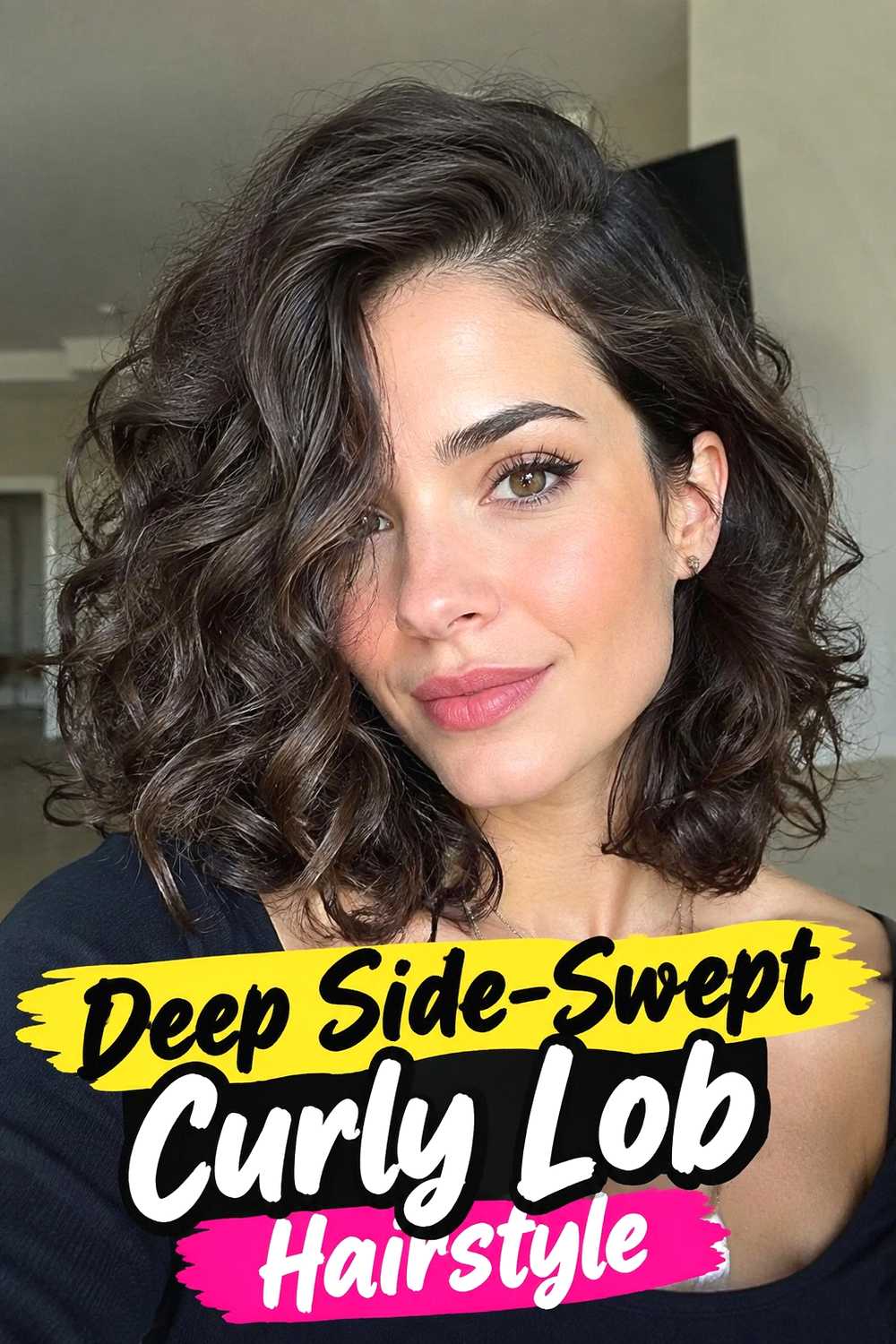
A deep side sweep gives a curly collarbone lob bold asymmetry and concentrated volume without changing the overall length. Moving the part farther to one side allows the front curls to lift and sweep across the forehead, while the opposite side can be tucked back or left closer to the cheek. Long layers support the shape by preventing the fuller side from becoming overly dense. This look works especially well when the front curls naturally have enough length to fall in a soft arc instead of springing straight upward. The rest of the lob can remain relatively simple, allowing the directional styling near the top and front to provide most of the drama.
Styling Notes
Set the deep part before drying and encourage the front curls to fall in their natural direction rather than repeatedly brushing or repositioning them.
Best For
This option works well if you enjoy noticeable root volume or prefer an asymmetrical finish without committing to short bangs or extensive layering.
15. Air Dried Natural Curly Collarbone Lob Hairstyle
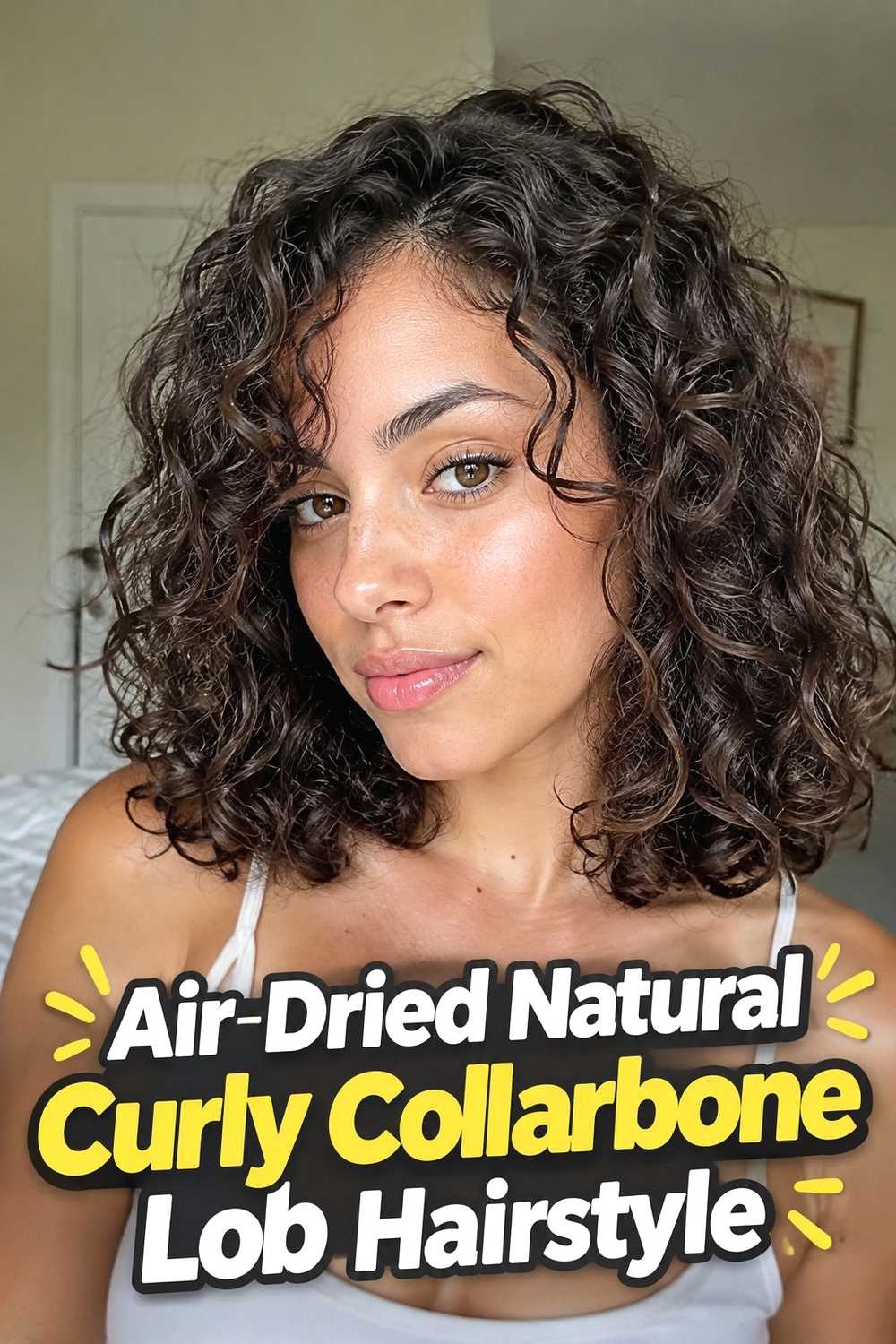
An air-dried curly lob is designed around the hair’s natural pattern, including the small differences in curl size, direction, and volume that appear without heat styling. The cut can combine a collarbone-length perimeter with subtle layers that stop heavier curls from pulling the entire shape downward. Instead of aiming for perfectly uniform definition, the finished style allows some strands to form tighter curls while others remain softer or slightly frizzier. This creates a believable, relaxed texture that suits everyday wear. The success of the haircut depends on understanding how the hair settles naturally, so layer placement should complement the dry pattern rather than requiring constant manipulation to make the shape work.
Wear & Maintenance
Apply product to wet or damp hair, arrange the part, and allow the curls to dry with minimal touching. Breaking the cast afterward can restore softness and movement.
Why It Works
The cut supports natural curl behavior rather than relying on repeated heat styling, making the finished silhouette easier to recreate after regular wash days.
16. Softly Tapered Curly Collarbone Lob Hairstyle
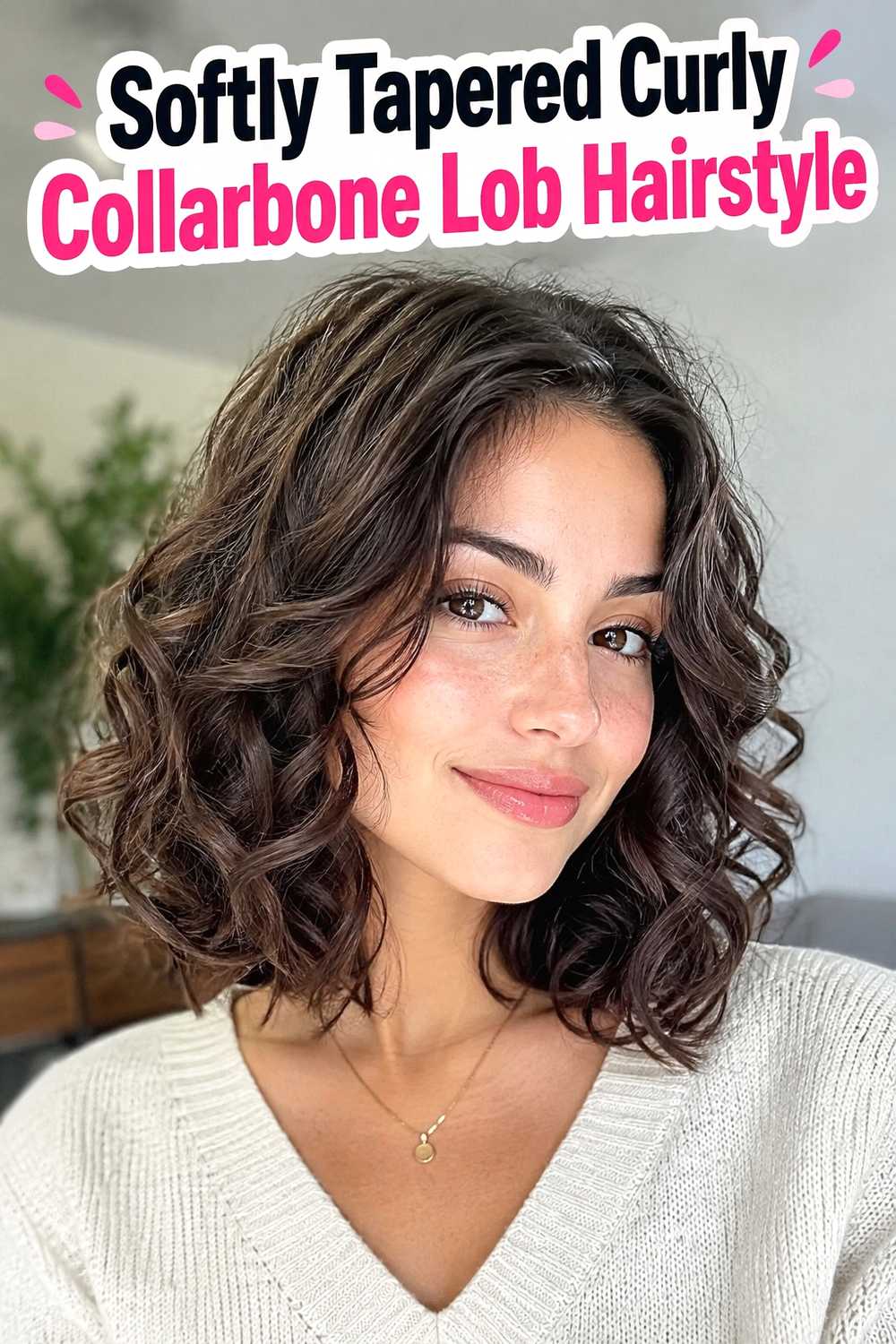
A softly tapered curly lob keeps generous length through the main body while gradually lightening the perimeter and face-framing sections. The ends do not form a heavy straight line; instead, different curls finish at slightly varied points near the collarbone, creating a fluid outline. Subtle tapering around the front can help curls move away from the cheeks and connect smoothly into the longer sides. Unlike a shag, the crown remains relatively controlled, so the haircut feels polished while still respecting natural texture. This shape can be particularly useful when you want visible movement through the ends but do not want dramatic short layers or excessive volume concentrated near the top of the head.
Styling Notes
Encourage curl clumps through the mid-lengths, then let the tapered ends separate naturally so the perimeter retains its soft, varied finish.
Best For
Medium to dense curl patterns can benefit from this approach when the goal is controlled movement with a lighter edge rather than a blunt baseline.
How to Choose the Right Look
Start with your curl pattern and shrinkage. Loose curls often settle close to their stretched length, while springier spirals may rise significantly when dry. If keeping a true collarbone finish matters, evaluate length on completely dry curls instead of relying only on wet measurements.
Next, consider density and volume placement. Fine curls often benefit from fewer layers and a stronger perimeter, while thick curls may need internal shaping to prevent excessive weight through the lower half. If you love crown volume, a rounded or shaggy lob can introduce shorter layers higher up. If you prefer a more elongated look, long layers or soft tapering may feel easier to control.
Bangs also change the amount of daily attention required. Wispy or curtain bangs add personality, but short front curls may need refreshing after sleep. Face-framing pieces offer a similar effect with more length and can usually be tucked back when needed.
Finally, choose a finish that suits your routine. Air-dried styles embrace natural variation, while highly defined curls often require more deliberate product application and drying. A haircut that works with your regular wash-and-style habits will usually be easier to maintain than one that depends on constant manipulation.
Final Thoughts
A collarbone lob gives curly hair enough length to showcase its natural pattern while still creating a defined, modern silhouette. Long layers can preserve length, rounded shapes emphasize volume, and face-framing pieces or bangs can add extra detail. The most practical version is one planned around your actual dry curl pattern, density, shrinkage, and preferred amount of daily styling.
FAQs
1. Is a collarbone lob a good length for curly hair?
It can be a very versatile length because there is enough hair for curls to form and move while the overall haircut still has a clear shape. Exact results depend on shrinkage and density.
2. Should a curly collarbone lob have layers?
Layers can help distribute volume and release weight, but the amount should depend on your curl pattern and density. Fine curls may need fewer layers, while dense curls can often support more internal shaping.
3. How do I know where a curly lob will fall when dry?
Evaluate your natural shrinkage before choosing the cutting length. Tighter curls can dry substantially shorter than they appear when wet or stretched.
4. Can I add bangs to a curly collarbone lob?
Yes. Wispy bangs, curtain bangs, and longer face-framing fringe can all work with curls. They should be planned around the natural direction and dry length of the front curl pattern.
5. Can I air-dry a curly lob?
Yes. A well-shaped lob can work beautifully air-dried, especially when the layers complement your natural pattern. Apply suitable styling product while damp and avoid excessive touching during drying.
Save your favorite curly collarbone lob ideas, share the looks you love, and explore more hairstyle inspiration for your natural texture.