18 One-Sided Waves Hairstyle Ideas
Swept dramatically to one side, these wave hairstyles combine soft movement with sleek asymmetry for an effortlessly polished look from every angle.
One-sided waves create their impact through contrast. One side may be tucked, pinned, or smoothed close to the head, while the opposite side carries most of the volume and movement. The result can feel relaxed and beachy, softly romantic, sharply sculpted, or ready for a formal event depending on the wave pattern and finish.
The most believable versions keep realistic roots, individual strands, natural density, soft shine, and physically plausible wave movement instead of forcing every curl into an identical shape. When choosing your version, consider hair length, density, hold, part placement, accessory use, and how much contrast you want between the sleek and waved sides.
Quick List
- Classic Deep Side Part One Sided Waves Hairstyle
- Hollywood Sweep One Sided Waves Hairstyle
- Soft Brushed One Sided Waves Hairstyle
- Long Layered One Sided Waves Hairstyle
- Shoulder Length One Sided Waves Hairstyle
- One Sided Wave Lob Hairstyle
- Glossy Brunette One Sided Waves Hairstyle
- Blonde One Sided Waves Hairstyle
- Voluminous One Sided Waves Hairstyle
- Tucked Behind The Ear One Sided Waves Hairstyle
- Loose Romantic One Sided Waves Hairstyle
- Sculpted One Sided S Waves Hairstyle
- Beachy One Sided Waves Hairstyle
- Face Framing One Sided Waves Hairstyle
- Polished Ends One Sided Waves Hairstyle
- Wet Look Root One Sided Waves Hairstyle
- Wedding One Sided Waves Hairstyle
- Red Carpet One Sided Waves Hairstyle
1. Classic Deep Side Part One Sided Waves Hairstyle
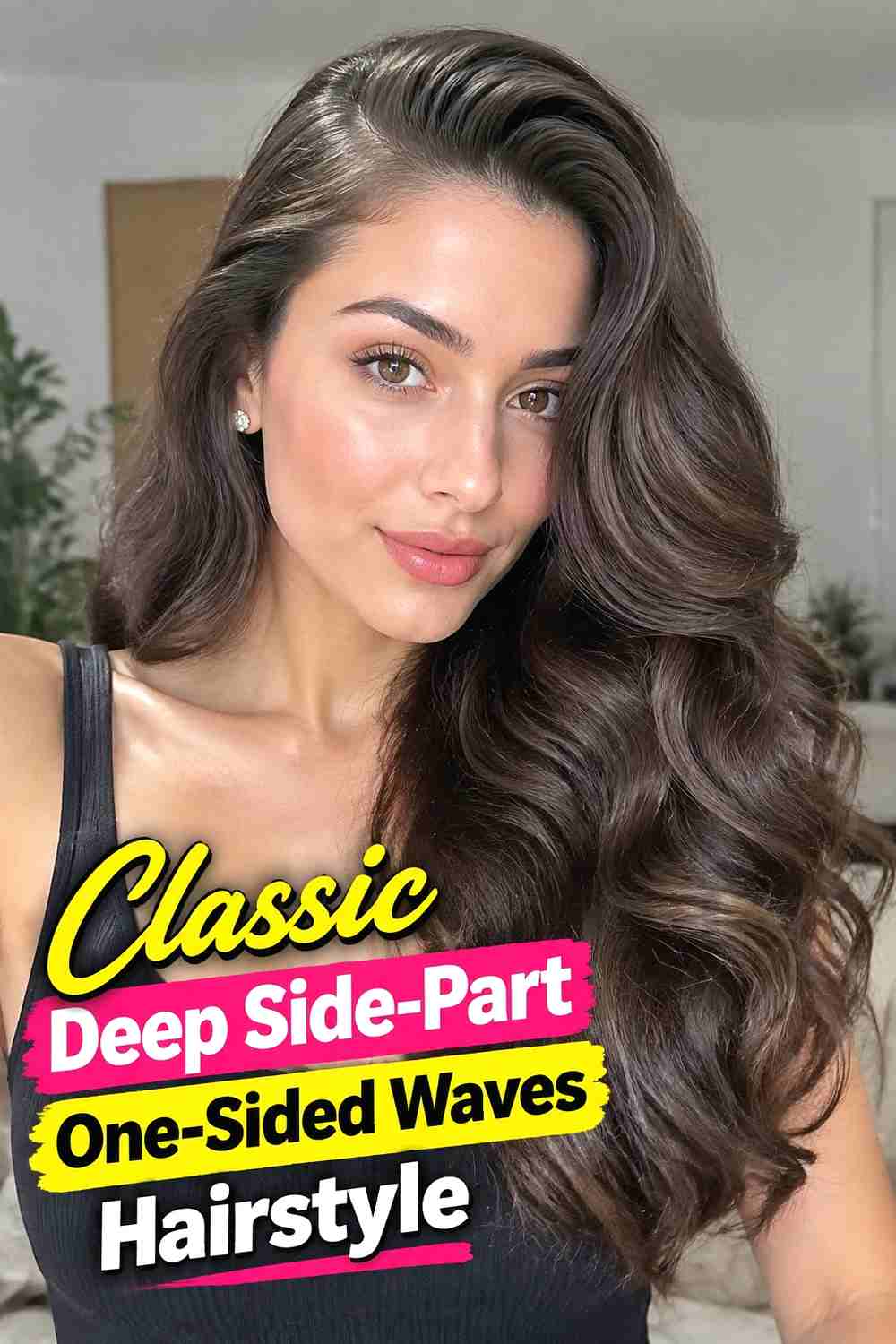
A deep side part is the simplest way to establish the signature one-sided silhouette. Most of the hair sweeps across the top before falling into broad waves over one shoulder, while the lighter side stays smooth and controlled. This works beautifully on medium to long hair because the extra length allows several visible bends to develop without crowding the neckline. Create the part before curling so the direction feels intentional, then style the heavier side away from the face. Once the waves cool, brush them lightly into a connected pattern. Tuck or pin the smaller side discreetly, keeping the hairline neat but not overly stiff.
Styling Notes
Place hidden pins close to the head behind the ear rather than across the visible surface. This keeps the sleek side secure without distracting from the fuller wave pattern.
2. Hollywood Sweep One Sided Waves Hairstyle
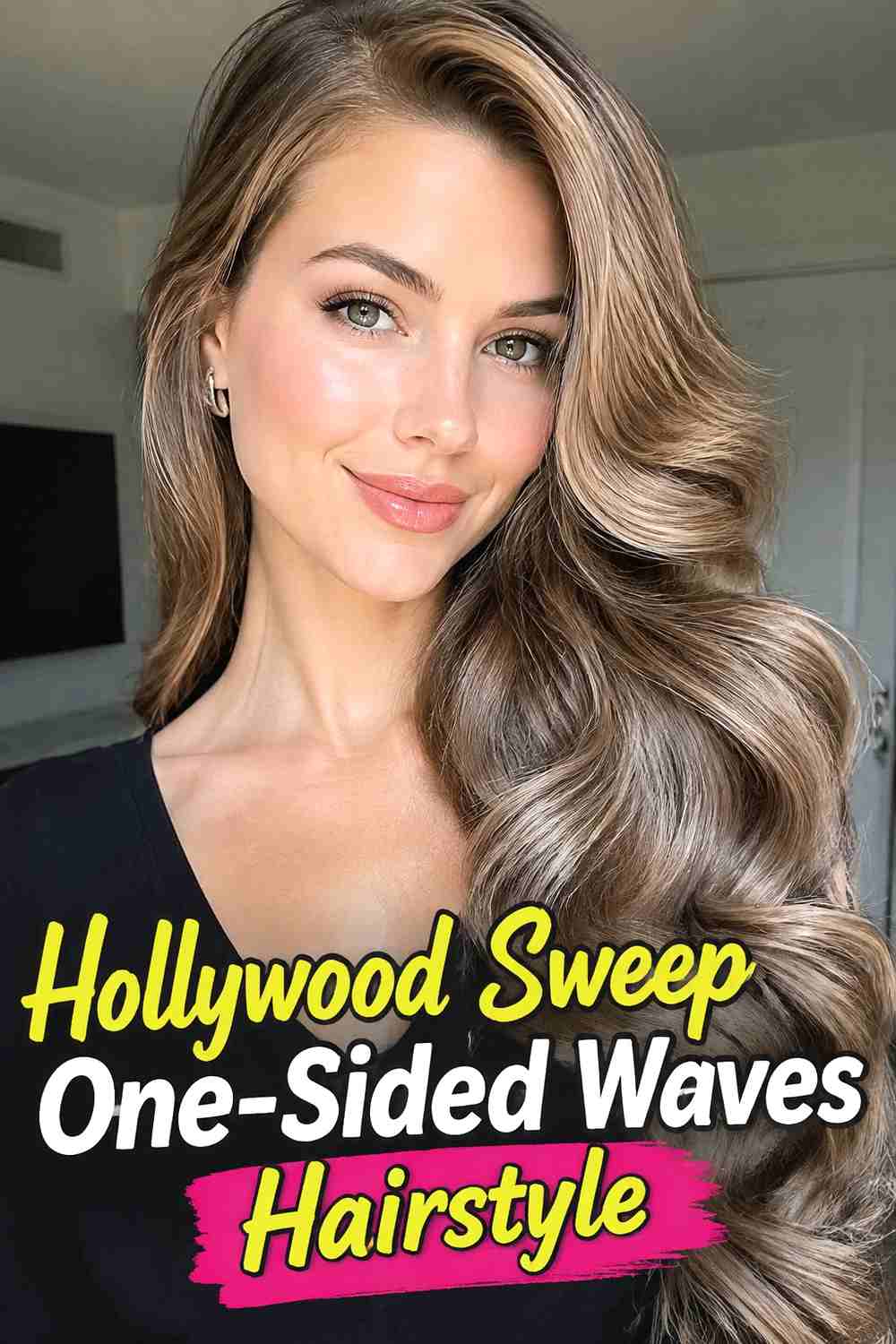
The Hollywood sweep turns one-sided waves into classic glamour with a dramatic front curve, deep glossy ridges, and a smooth cascade over one shoulder. Long or medium-length hair works best when the waves are shaped in a consistent direction so individual curls merge after brushing. The lighter side can be tucked cleanly behind the ear to expose the neckline and emphasize the asymmetry. Start with a defined side part, curl sections in the same direction, and allow them to cool completely before brushing. Refine the largest bends with your fingers or clips, then finish with flexible spray. The final shape should appear polished and continuous rather than separated into ringlets.
Wear & Maintenance
Avoid repeatedly touching the waved side during wear. If a ridge relaxes, reshape that section individually instead of brushing through the entire finished style again.
3. Soft Brushed One Sided Waves Hairstyle
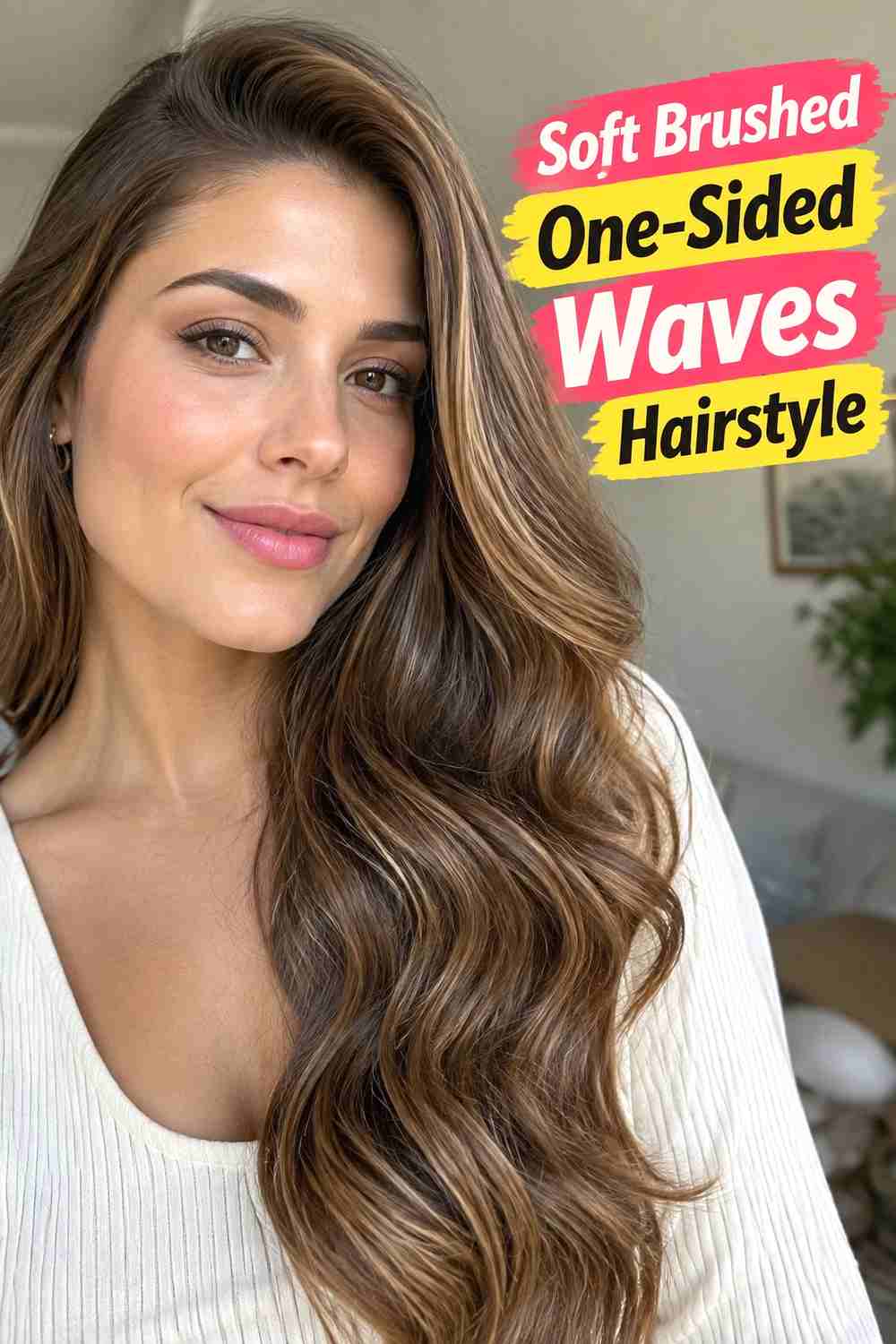
Soft brushed waves create a gentler version of the one-sided look, with airy bends instead of sharply sculpted ridges. The hair is directed across one shoulder, but the movement remains loose enough for everyday wear. This style suits medium and long cuts, particularly when light layering helps the ends separate naturally. Use a larger curling barrel and moderate tension, then let every section cool before brushing. The goal is to blend the curls until they become broad, plush waves without removing all their shape. Smooth the smaller side behind the ear or pin it beneath the fuller section. Lightweight serum through the ends can add softness without flattening the volume.
Best For
Choose this variation when you want visible asymmetry without a formal or highly structured finish. It transitions easily from daytime styling to a relaxed evening look.
4. Long Layered One Sided Waves Hairstyle
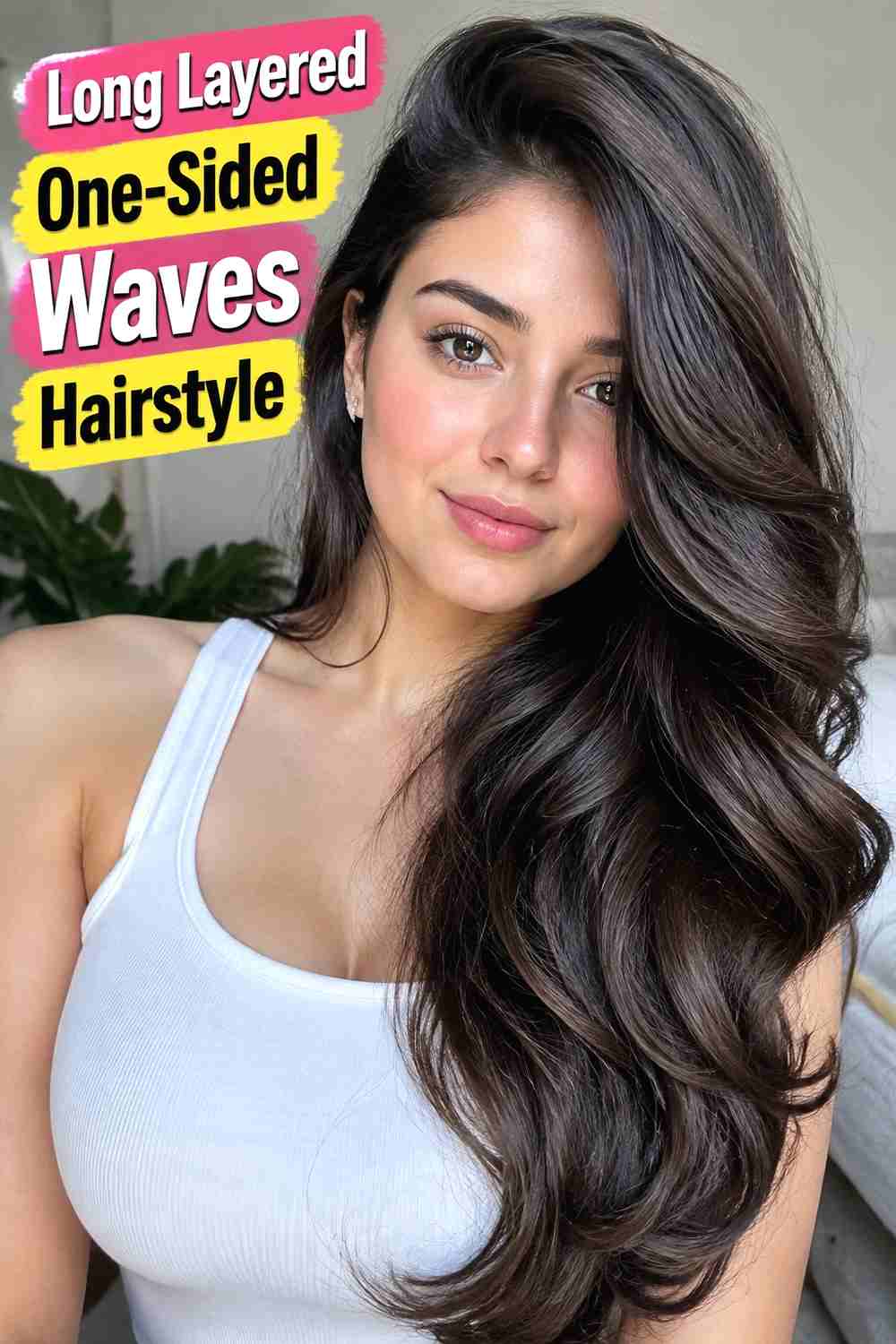
Long layers give one-sided waves extra movement because different lengths fall across the shoulder at slightly different points. Shorter face-framing pieces can curve around the cheek, while longer layers form wider bends through the chest and back. This creates depth without requiring tight curls or extreme volume. Start with a side part and direct the majority of the hair toward your preferred shoulder. Curl the longer sections loosely, then use slightly smaller bends through the front layers for definition. After cooling, brush and separate with your fingers until the layers become visible again. Keep the opposite side smooth so the fuller layered texture remains the focus.
Why It Works
Layering distributes movement throughout the hairstyle instead of allowing all the wave definition to collect near the ends, making long hair look lighter and more dimensional.
5. Shoulder Length One Sided Waves Hairstyle
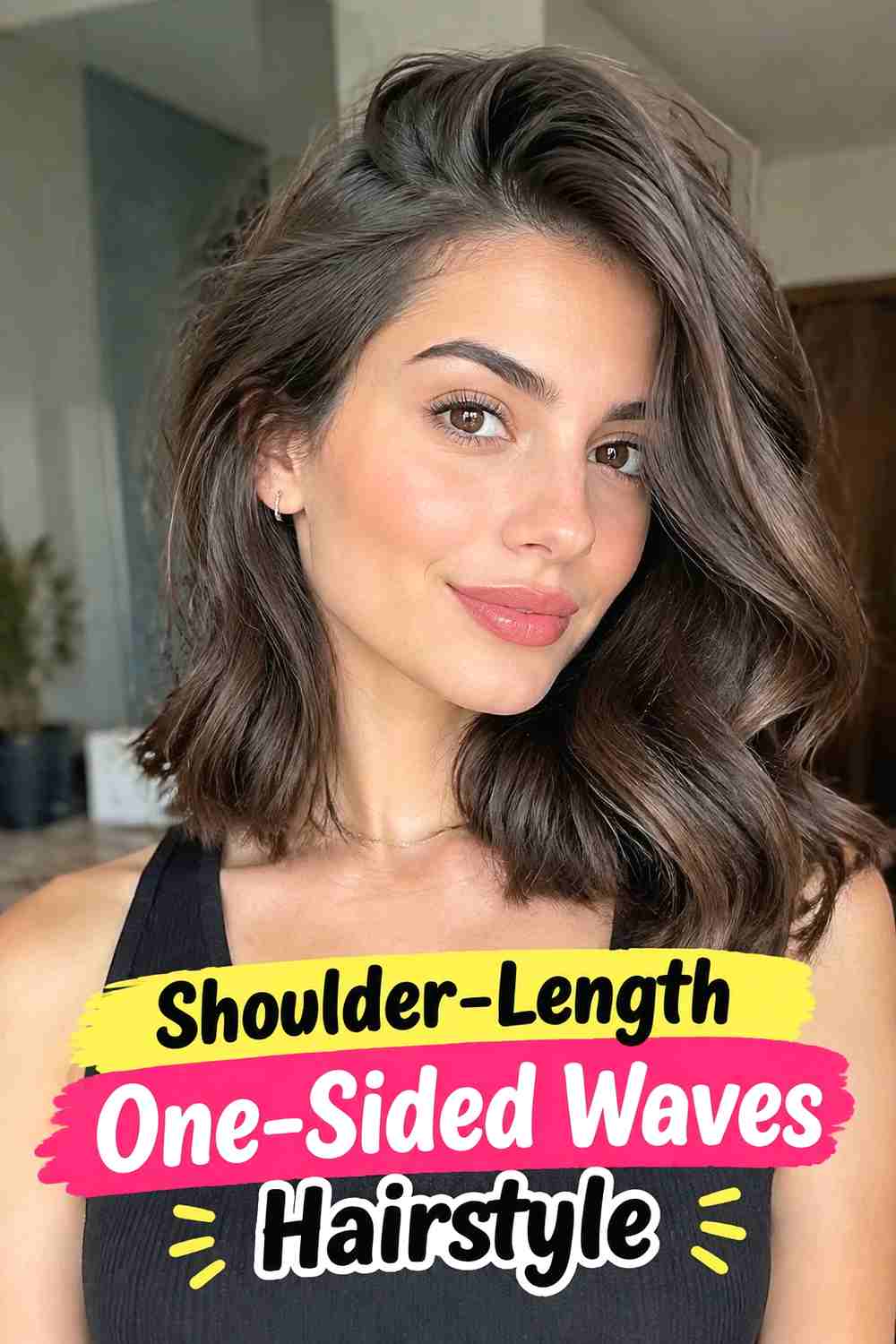
Shoulder-length hair creates a compact one-sided wave shape that feels polished without needing a large amount of styling. The waves sit around the jaw, neck, and collarbone, where one or two strong bends can make a noticeable impact. An off-center or deep side part gives the heavier side enough fullness, while the opposite side can be tucked neatly behind the ear. Use a medium barrel so the wave is visible without turning into a tight curl. Once the sections cool, brush them softly and guide the ends toward one shoulder. Keep finishing products light because shorter lengths can quickly lose movement when too much serum or spray is applied.
Hair Type & Length
This variation works especially well on lobs and collarbone-length cuts. Fine hair may benefit from a light mousse, while dense hair often needs smaller styling sections for even shape.
6. One Sided Wave Lob Hairstyle
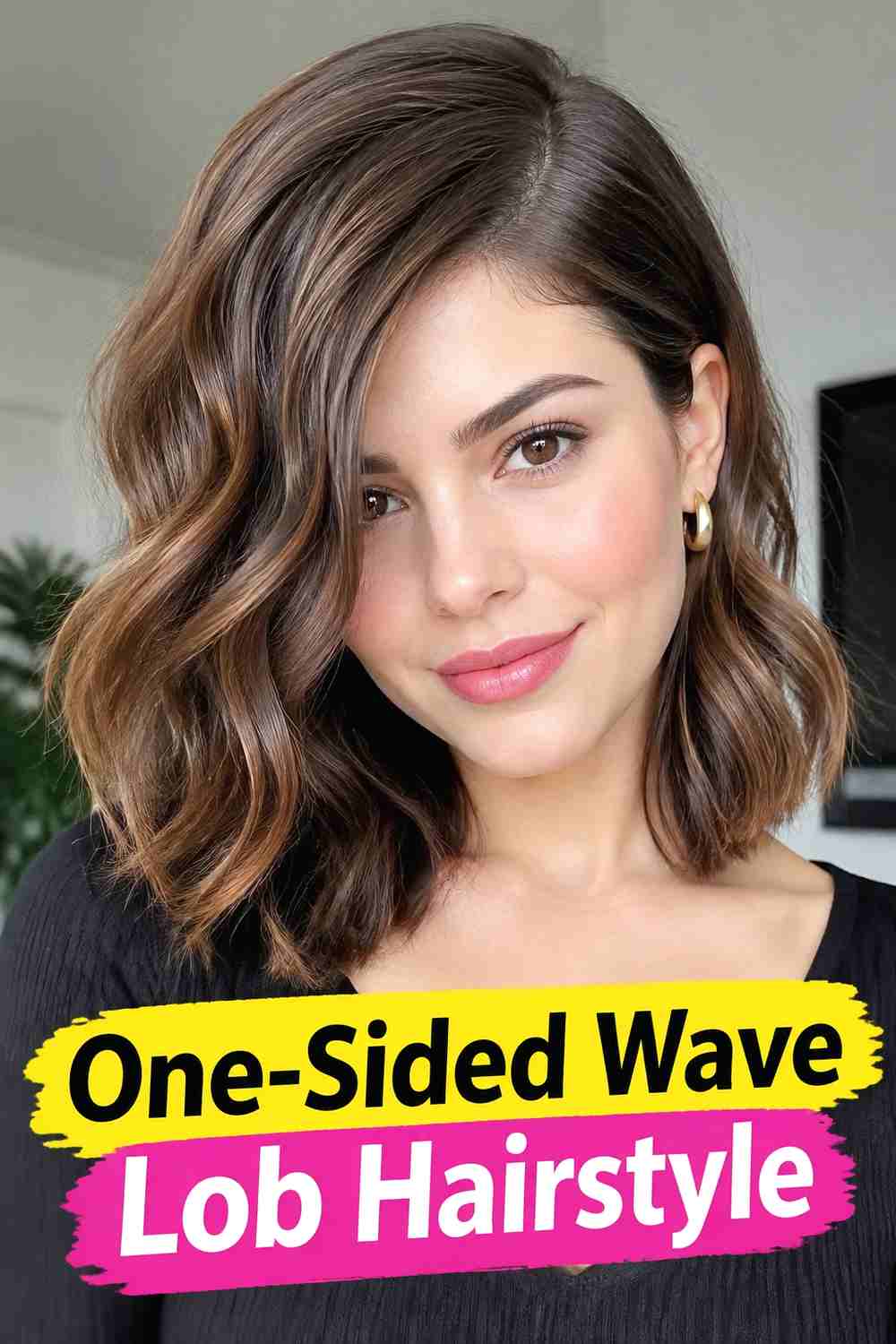
A one-sided wave lob combines a clean long-bob outline with directional texture. The fuller side can carry one pronounced bend near the cheek and another around the collarbone, while the tucked side stays sleek enough to show the haircut’s structure. This variation feels especially modern when the ends remain slightly straighter rather than curling completely under. Begin with a defined side part, then use a medium or large barrel to create loose bends through the heavier section. Let the hair cool before brushing just enough to soften the tool marks. Finish by tucking the opposite side behind the ear and smoothing flyaways without making the roots look pasted down.
Styling Notes
Leaving the final inch of the ends slightly straighter can keep the lob looking contemporary and prevent the shorter length from becoming overly rounded.
7. Glossy Brunette One Sided Waves Hairstyle
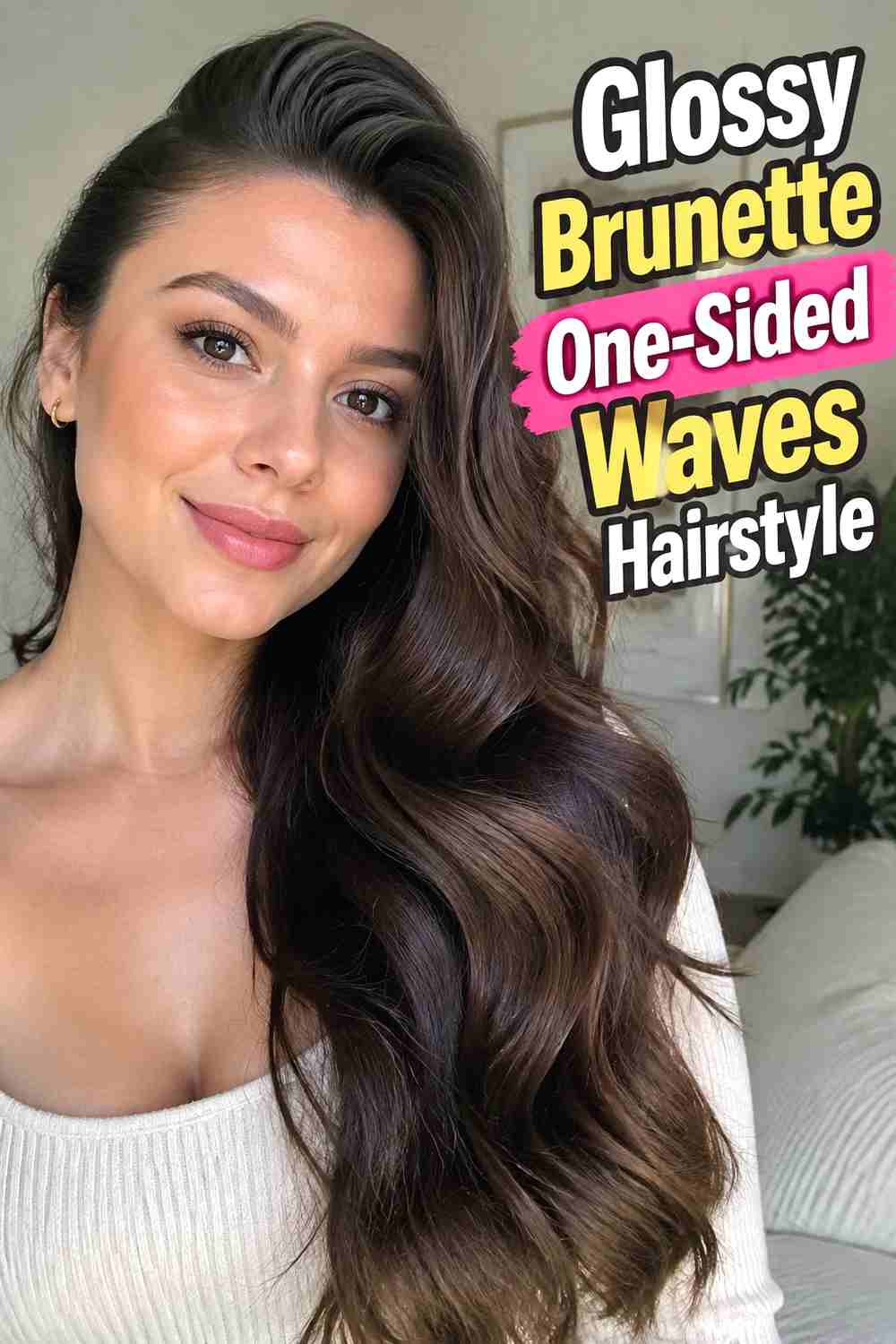
Glossy brunette hair makes one-sided waves look especially dimensional because deeper tones reflect light along each bend. Chocolate, espresso, and rich neutral brown shades can produce a ribbon-like effect when the surface is smooth and the waves remain broad. Sweep most of the hair over one shoulder and keep the opposite side sleek so the light-catching movement feels concentrated. Apply smoothing product before heat styling rather than relying entirely on finishing oil afterward. Once the waves cool, brush them together and add a very small amount of serum through the mid-lengths and ends. Keeping the root area cleaner preserves volume and prevents the shine from becoming heavy.
Why It Works
The alternating highlights and shadows across dark hair make broad waves easy to see, even when the shape is soft rather than strongly sculpted.
8. Blonde One Sided Waves Hairstyle
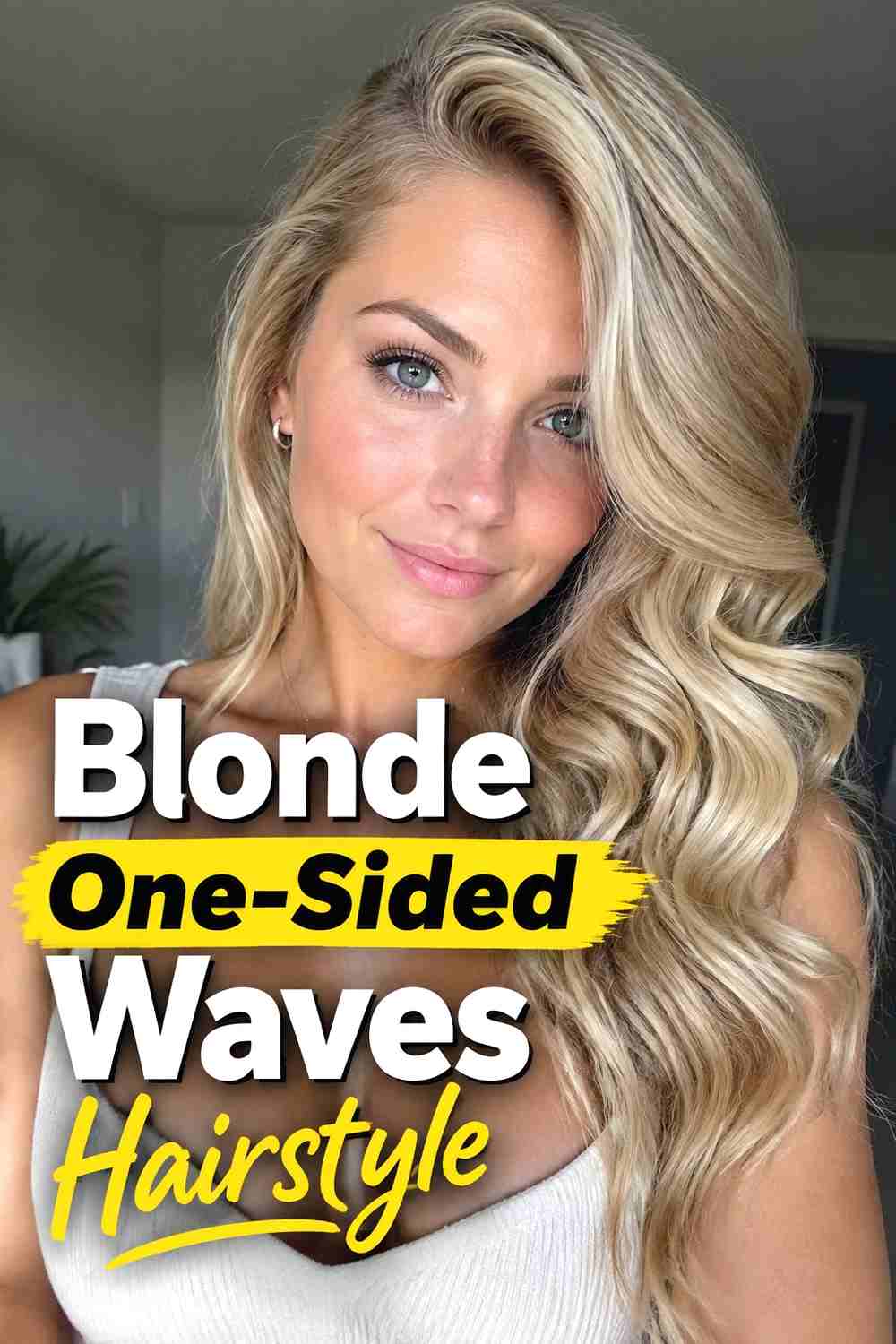
Blonde one-sided waves emphasize tonal movement as lighter and deeper pieces shift across the swept section. Highlights, balayage, or naturally varied blonde shades can make each broad bend more visible without requiring a highly glossy finish. Keep the roots softly lifted on the fuller side, then direct the waves over one shoulder for a relaxed but intentional silhouette. A large barrel works well for medium or long lengths because it prevents the pattern from becoming too curly. Brush after cooling and use your fingers to separate a few front pieces. Finish with lightweight smoothing product only where needed so the blonde remains airy rather than coated.
Pro Tip
Use shine products sparingly on lighter hair. Smooth preparation and good wave placement usually create enough reflection without making individual sections look overly separated.
9. Voluminous One Sided Waves Hairstyle
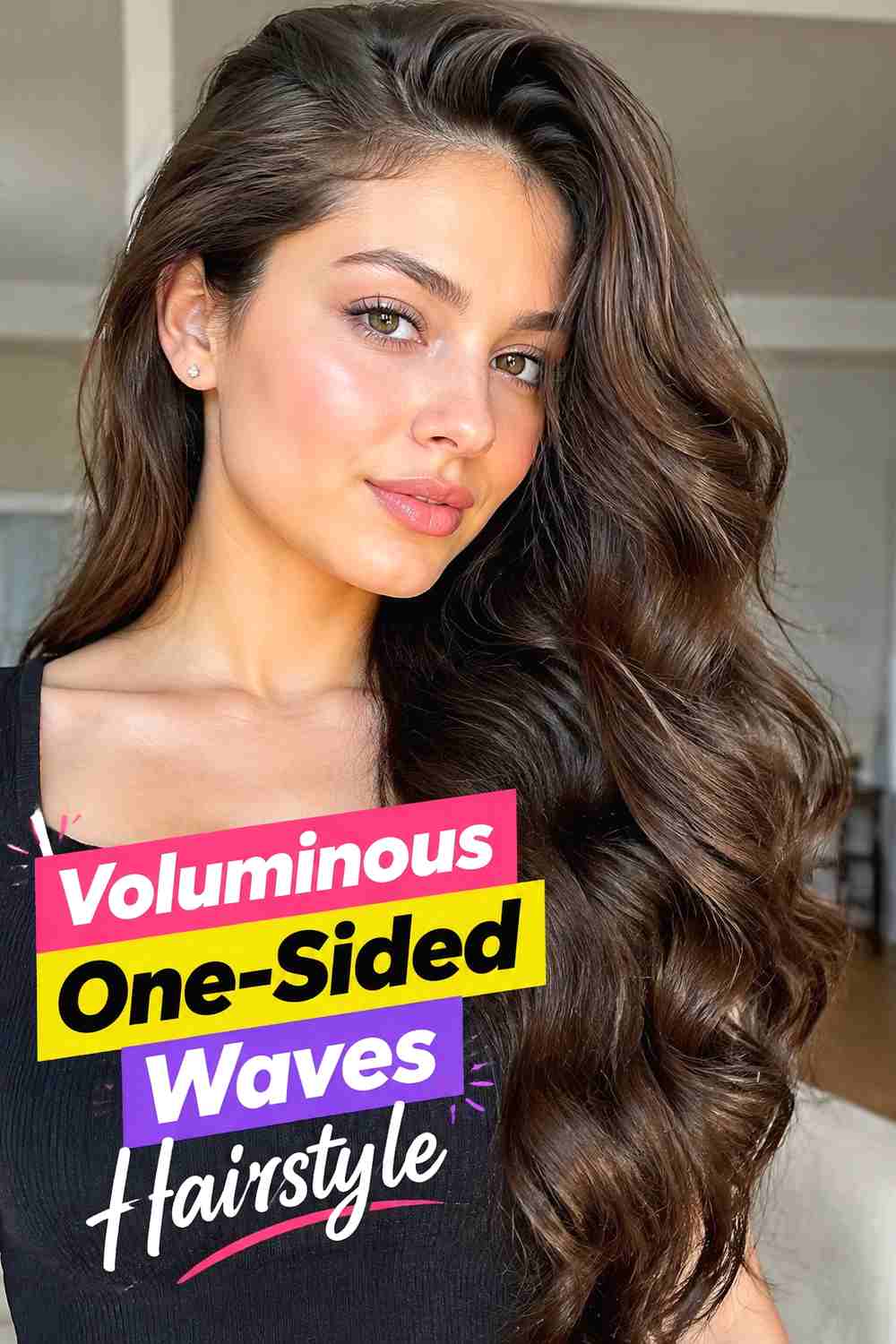
Voluminous one-sided waves make the asymmetry more dramatic by building lift at the crown and width through the heavier side. The opposite side stays controlled, creating a clear contrast between sleekness and fullness. This works particularly well on layered medium or long hair because the layers help distribute volume through several levels. Begin with lightweight root support, establish a deep part, and direct the fuller side away from the face. Use broad curls and allow them to cool before brushing. Once the waves are blended, lift underneath with your fingers instead of teasing the visible surface. The finished shape should feel buoyant and polished rather than stiff or excessively expanded.
Best For
This variation suits occasions where you want the one-sided silhouette to be clearly visible in photos while still retaining soft, touchable movement.
10. Tucked Behind The Ear One Sided Waves Hairstyle
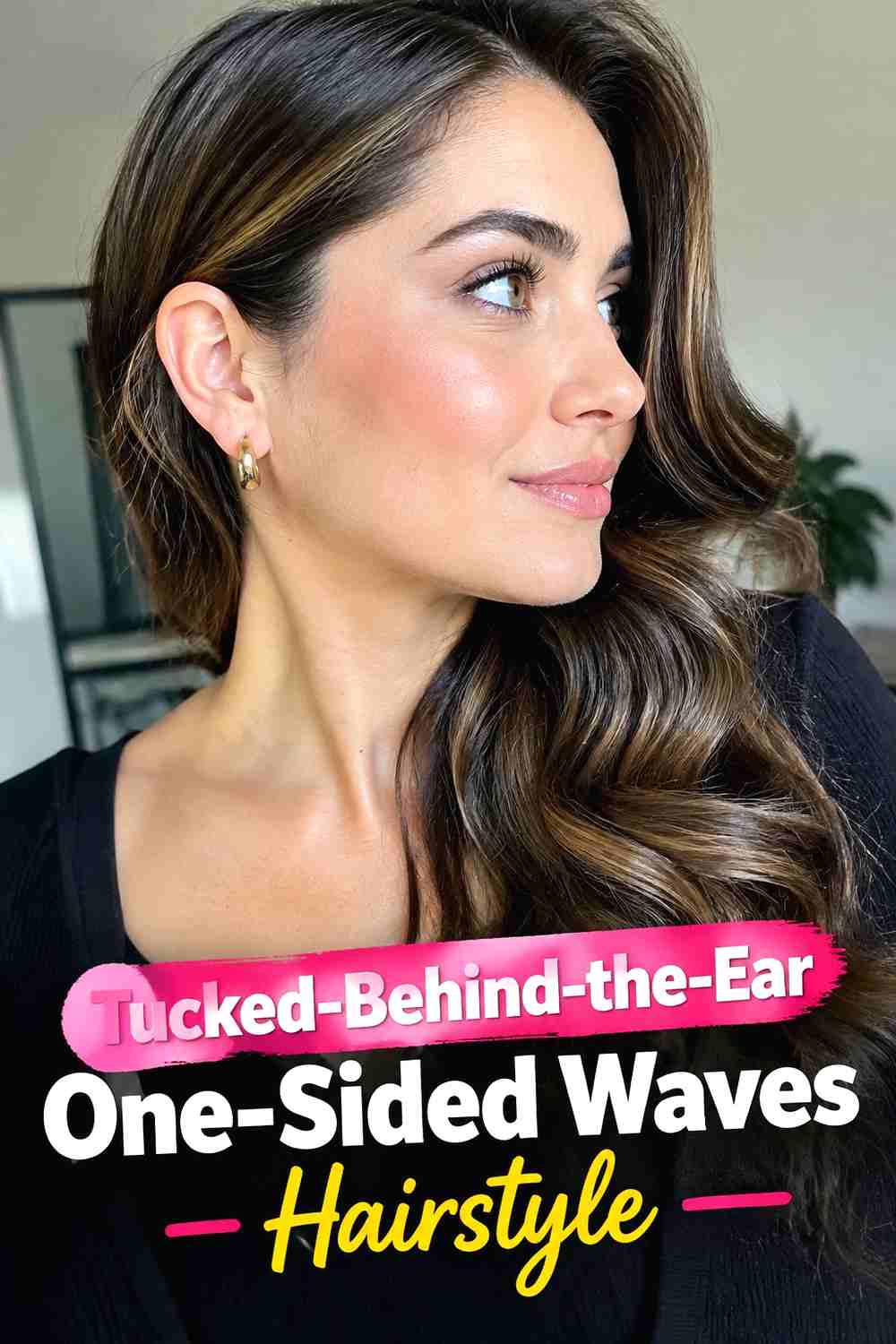
The tucked-behind-the-ear version offers one of the easiest ways to make waves feel deliberately asymmetrical. One side stays smooth and close to the head, while the opposite side falls freely in soft bends around the cheek and shoulder. The tuck can be completely natural or supported with hidden pins if the hair tends to slip forward. Style the waves first so you know how much volume will remain after the side is secured. Once they cool, brush them into the desired softness, then tuck the smaller section carefully. Smooth only the outer surface around the ear, leaving enough natural texture at the hairline to avoid an overly rigid finish.
Wear & Maintenance
A discreet pin placed behind the ear can improve hold for longer wear. Position it beneath the hair so the accessory remains invisible unless you intentionally want it to show.
11. Loose Romantic One Sided Waves Hairstyle
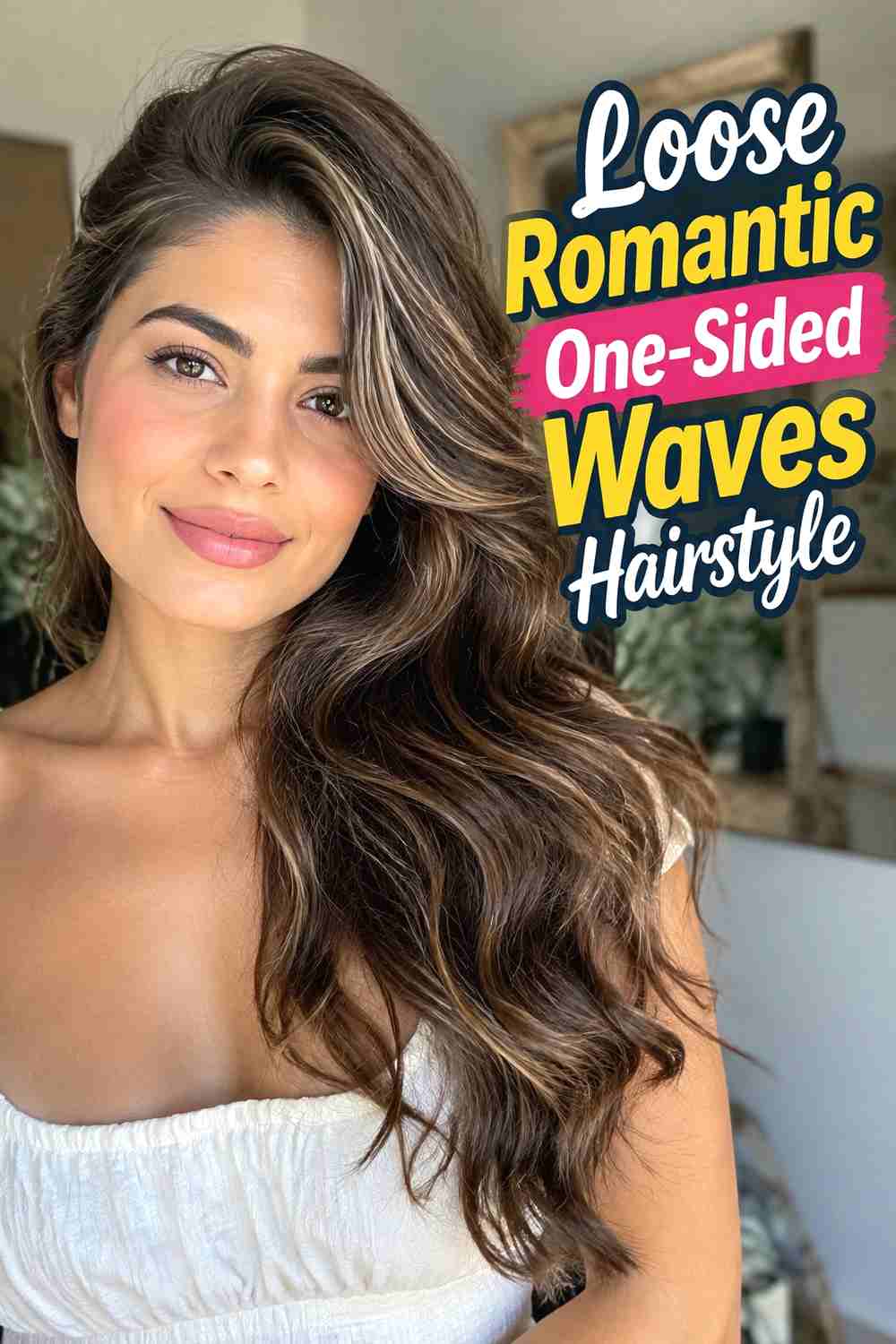
Loose romantic waves soften the one-sided silhouette with flowing bends, gentle volume, and a less structured finish. The heavier side drapes over one shoulder in overlapping waves, while a few face-framing pieces can remain loose near the cheek. Instead of creating identical curls, vary the tension slightly so the pattern feels natural and touchable. This style works especially well on medium to long hair for dinners, celebrations, or other occasions where you want polish without a formal sculpted effect. After curling, allow the hair to cool and brush lightly, then separate the front pieces with your fingers. Secure the opposite side discreetly without flattening the crown.
Best For
Choose this style when you want a softer event look that pairs easily with delicate jewelry, open necklines, or romantic clothing without feeling overly formal.
12. Sculpted One Sided S Waves Hairstyle
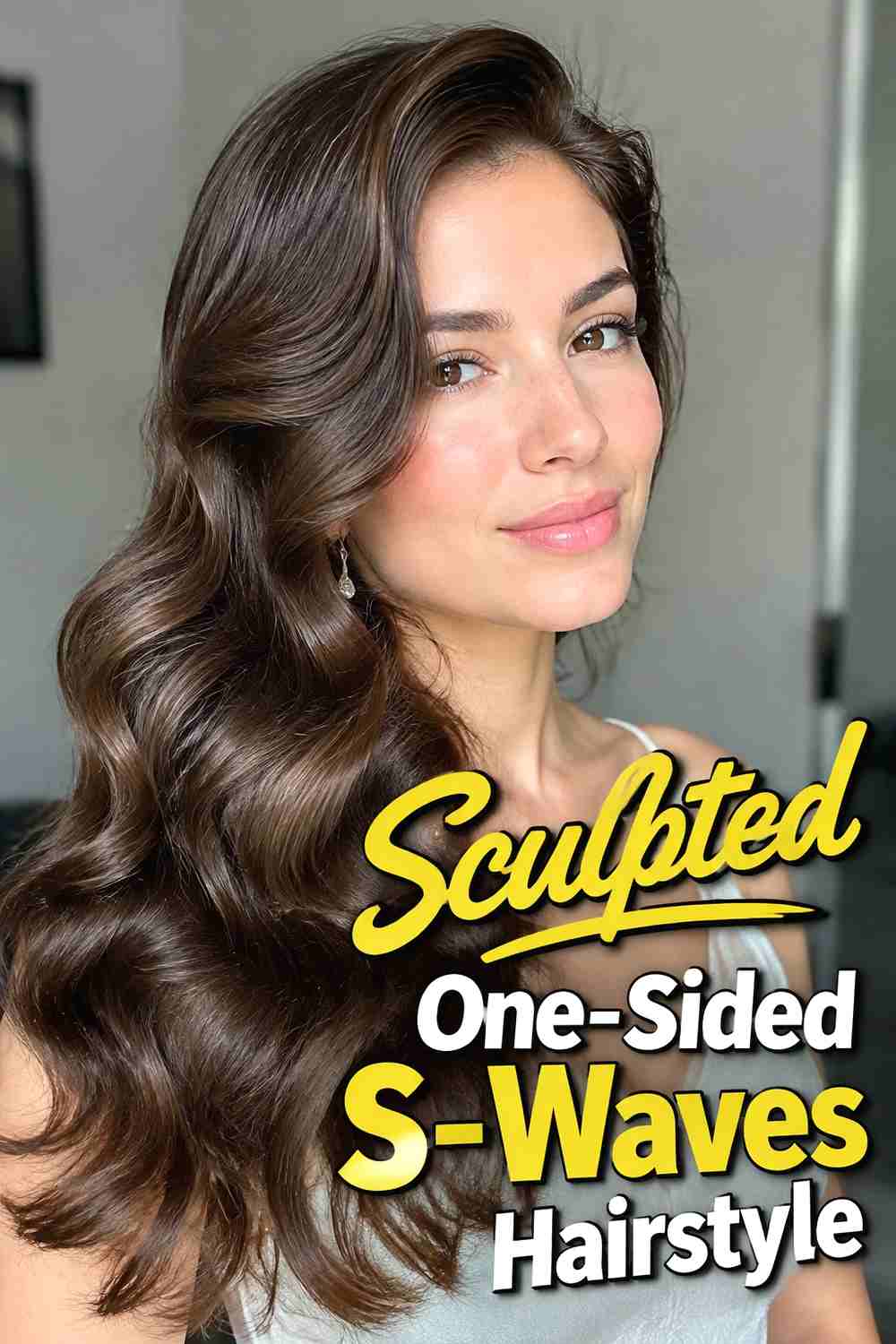
Sculpted one-sided S-waves create a sleek, deliberate pattern with visible ridges flowing down the heavier side. The look is more structured than loose curls, so consistent direction and careful brushing are essential. Begin with a deep side part and set the hair in matching curls before allowing everything to cool completely. Brush the sections together until they form a continuous S-shaped pattern, then use clips or your fingers to reinforce the strongest bends. The smaller side should stay close to the head and can be tucked behind the ear. A light flexible spray helps preserve the shape while avoiding the hard, helmet-like finish that can make sculpted waves look dated.
Styling Notes
Work on ridge placement only after the curls have blended. Trying to sculpt each section individually before brushing usually creates disconnected rather than continuous S-waves.
13. Beachy One Sided Waves Hairstyle
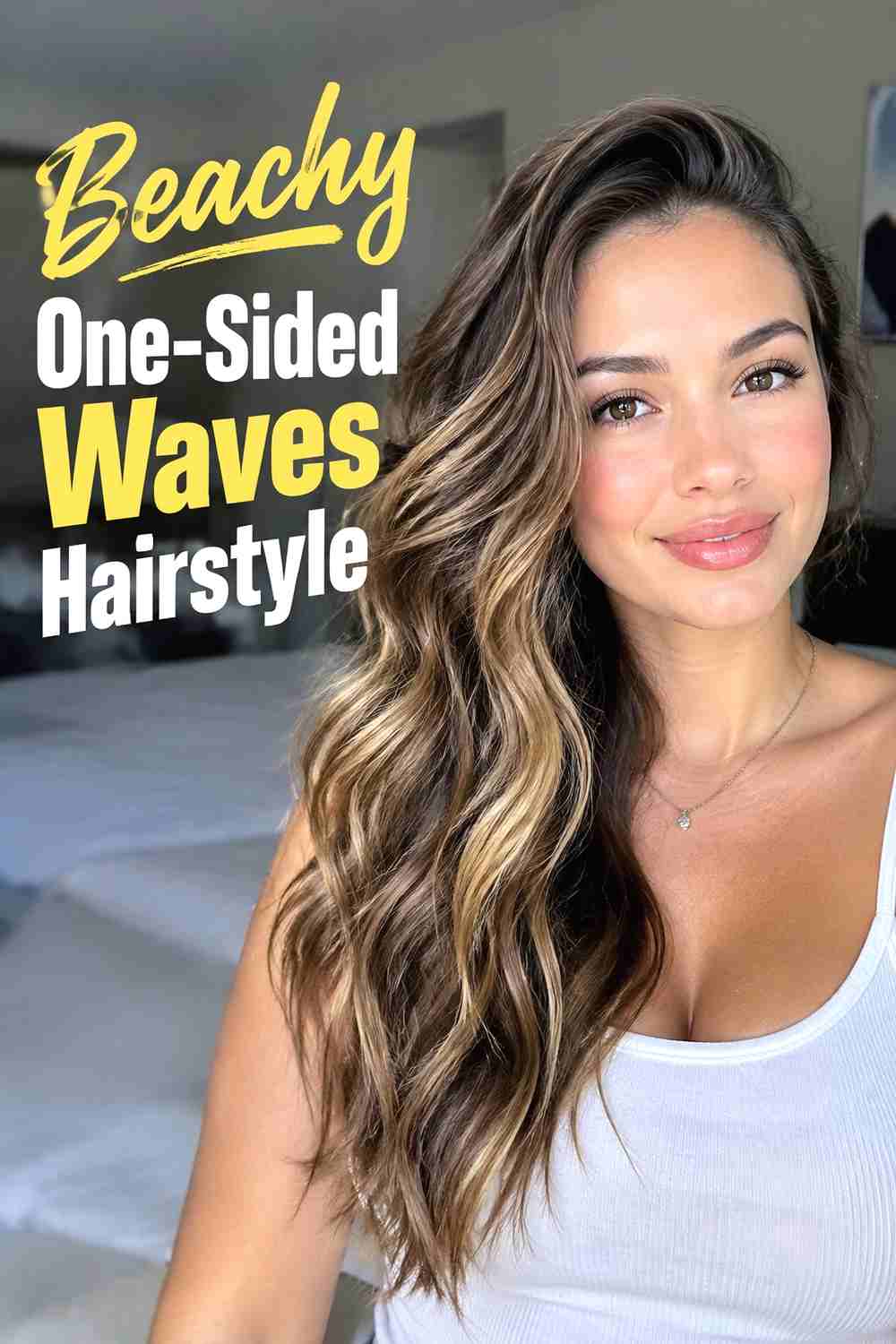
Beachy one-sided waves are looser, more irregular, and intentionally less polished than formal swept styles. The heavier side falls over one shoulder with varied bends and separated ends, while the smaller side can be casually tucked behind the ear. This variation works well with layered cuts because the shorter sections naturally create movement around the face. Use a large wand or iron, leaving some pieces less curled than others to avoid uniformity. Once the hair cools, break up the waves with your fingers instead of brushing them completely smooth. A light texture product through the lower lengths can help maintain separation while keeping the roots flexible and touchable.
Why It Works
Uneven wave sizes make the hairstyle feel relaxed, while the one-sided placement gives the otherwise casual texture a clear and intentional overall shape.
14. Face Framing One Sided Waves Hairstyle
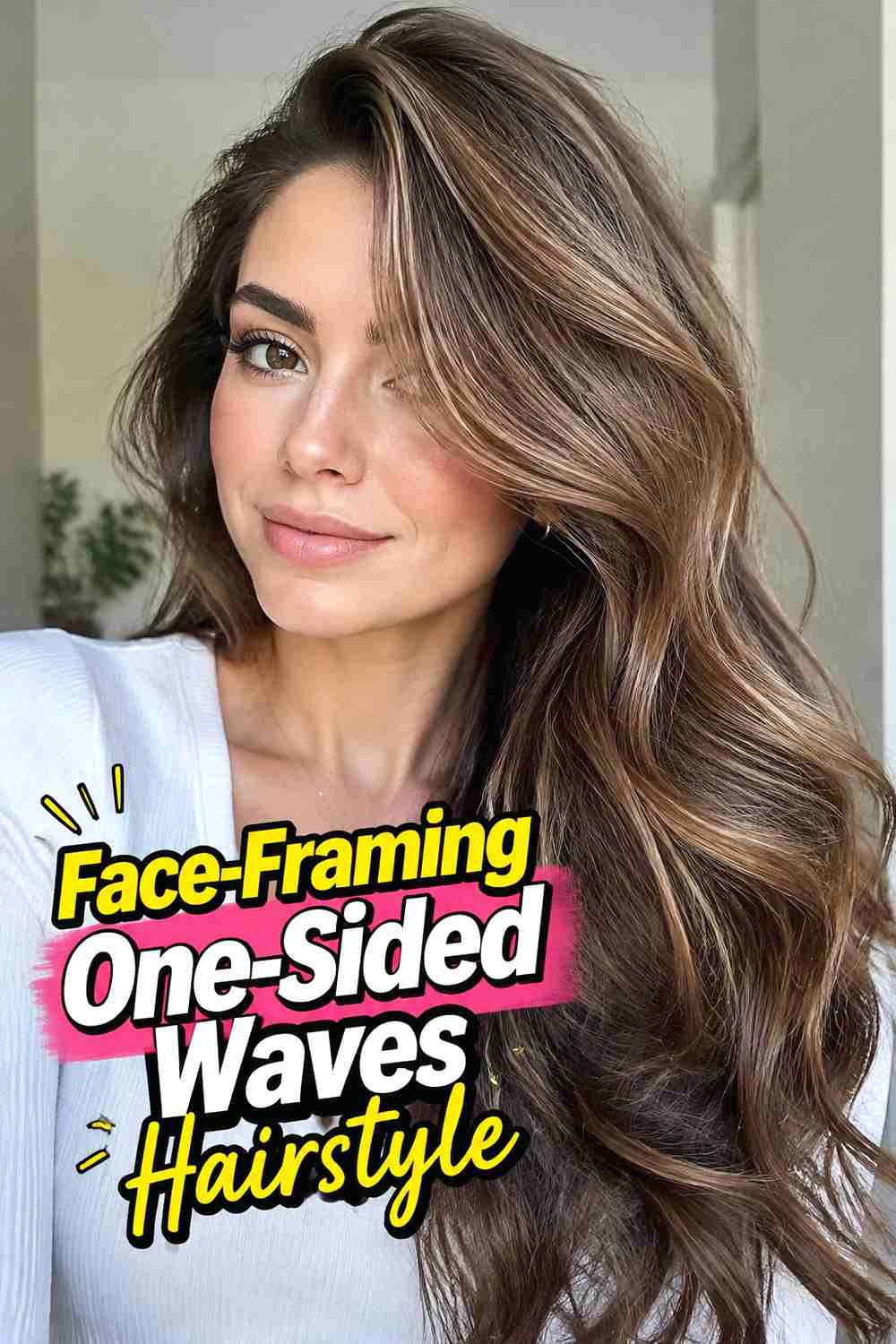
Face-framing one-sided waves concentrate the strongest movement around the front while allowing the rest of the swept hair to stay softer. Long layers can curve away from the cheek before blending into broader bends over the shoulder, creating a polished focal point without requiring intense styling throughout. Start by shaping the front pieces first, directing them away from the face with a medium or large barrel. Use looser bends through the back, then let everything cool before blending. The opposite side can be tucked or pinned behind the ear to emphasize the front curve. Keep the face-framing sections flexible enough to move rather than fixing them into a rigid position.
Pro Tip
Decide where you want the first visible bend before styling. A curve beginning near the cheek creates a softer effect than one starting higher near the temple.
15. Polished Ends One Sided Waves Hairstyle
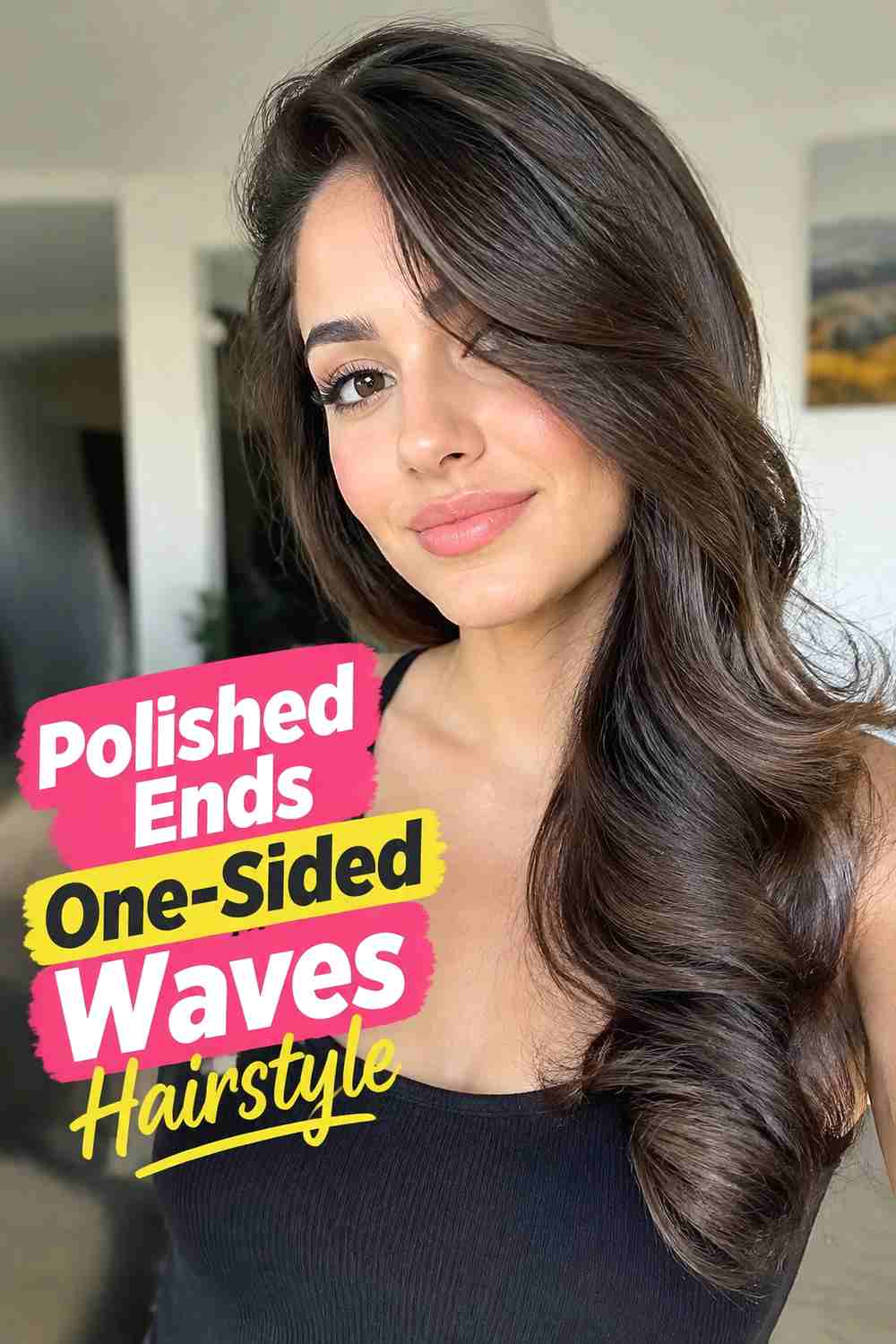
Polished-end waves keep the crown and upper lengths relatively sleek while placing most of the movement toward the bottom. This makes the one-sided arrangement feel refined without adding a lot of width around the face. It works especially well on medium and long hair with clean ends or subtle layering. Sweep the hair to one side, then begin curling around the jaw, shoulders, or lower depending on your length. Once cooled, brush the ends into broad bends and keep the top smooth. Tuck the lighter side neatly behind the ear. A small amount of serum through the final few inches helps the lower wave pattern look finished without weighing down the upper lengths.
Hair Type & Length
Medium and long hair give this style enough room to contrast a sleek upper section with visible movement below, especially when the ends have a strong, healthy-looking outline.
16. Wet Look Root One Sided Waves Hairstyle
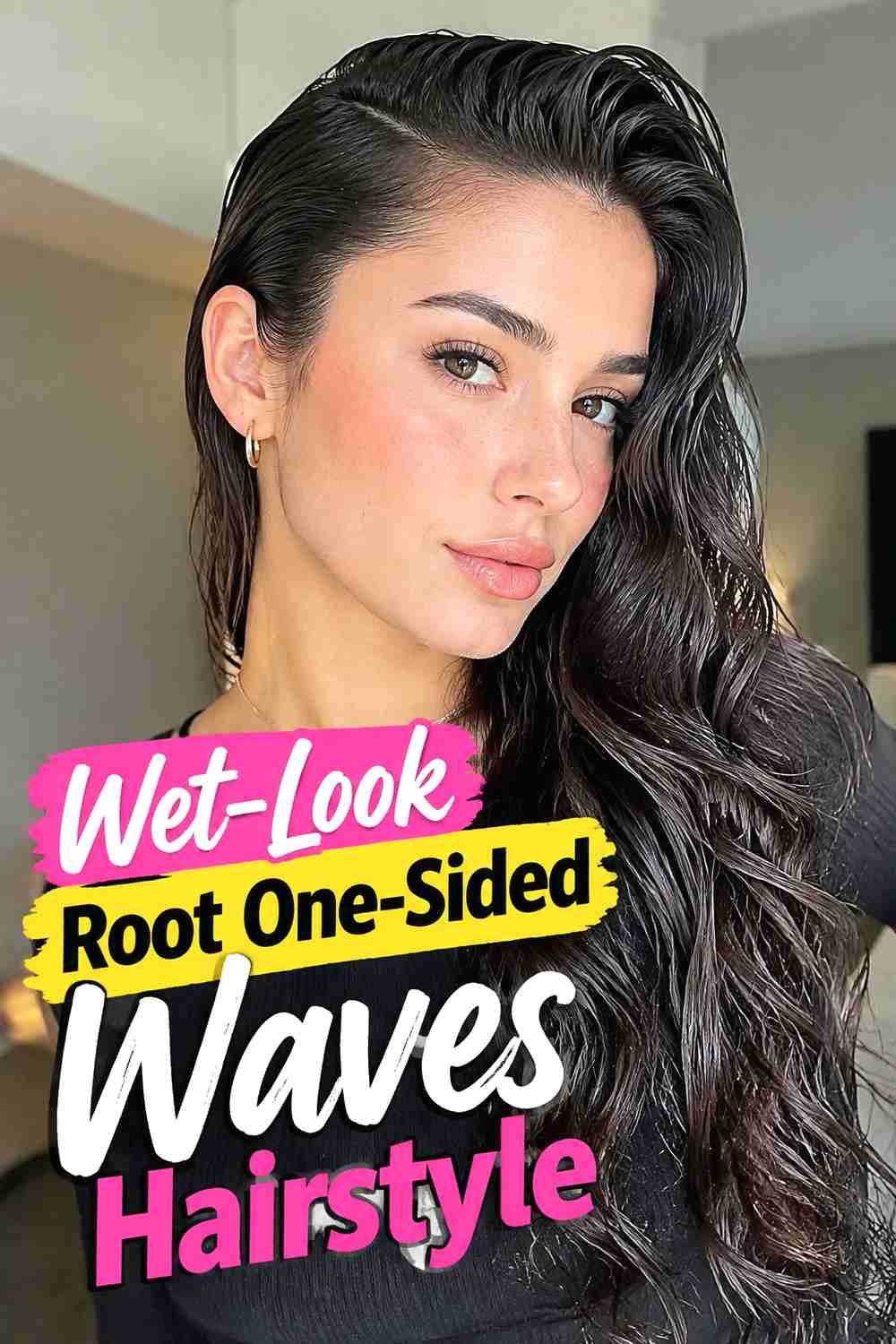
Wet-look roots give one-sided waves a sharper, more editorial direction. The crown and tucked side appear sleek and glossy, while the heavier section transitions into softer, touchable waves through the lengths. The contrast is strongest when the wet effect stays near the scalp rather than extending through every strand. Apply a flexible gel or glossing cream sparingly around the roots, combing the product in the direction of the sweep. Keep the waved lengths relatively product-light so they maintain natural separation and movement. This style works particularly well on medium to long hair, where there is enough length for the dry, softly waved section to balance the polished root area.
Styling Notes
Build the wet finish gradually. Adding too much product at once can make the root area look saturated and may reduce the volume needed for a flattering side sweep.
17. Wedding One Sided Waves Hairstyle
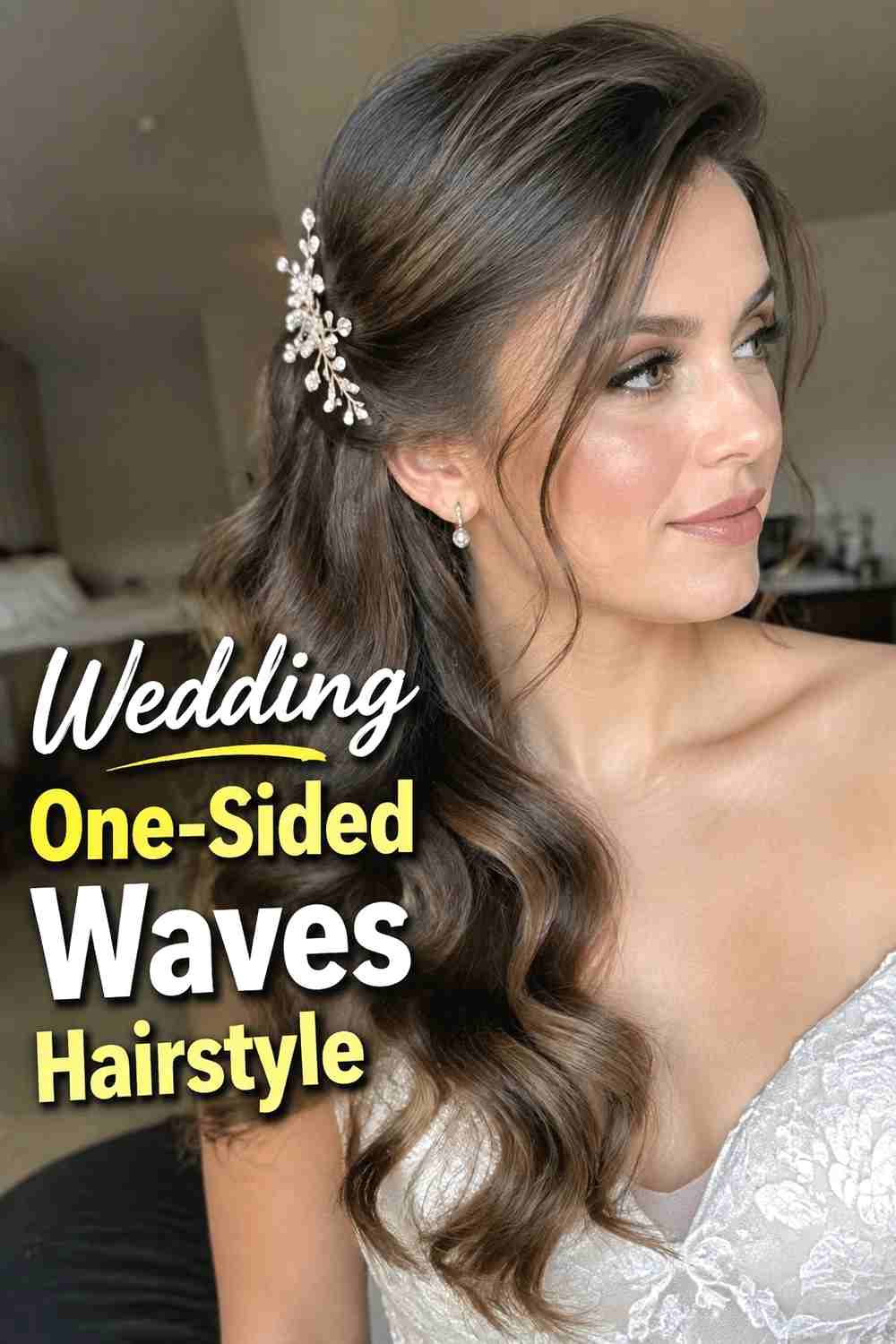
Wedding one-sided waves combine softness with enough structure to remain polished throughout a long event. Broad waves cascade over one shoulder while the opposite side is tucked or discreetly pinned, creating space for earrings, a veil, or a decorative hair accessory if desired. Medium and long hair provide plenty of room for the shape, though the exact volume can be adjusted to suit the outfit and accessories. Set the waves with consistent sections and let them cool fully before brushing. Secure the smaller side carefully, then refine the visible bends with flexible hold. Keep accessories secondary so the wave pattern and natural movement remain clear rather than crowded.
Wear & Maintenance
Prioritize comfortable pin placement and flexible hold. A style that feels secure without excessive tension is easier to wear through a ceremony, photos, and reception.
18. Red Carpet One Sided Waves Hairstyle
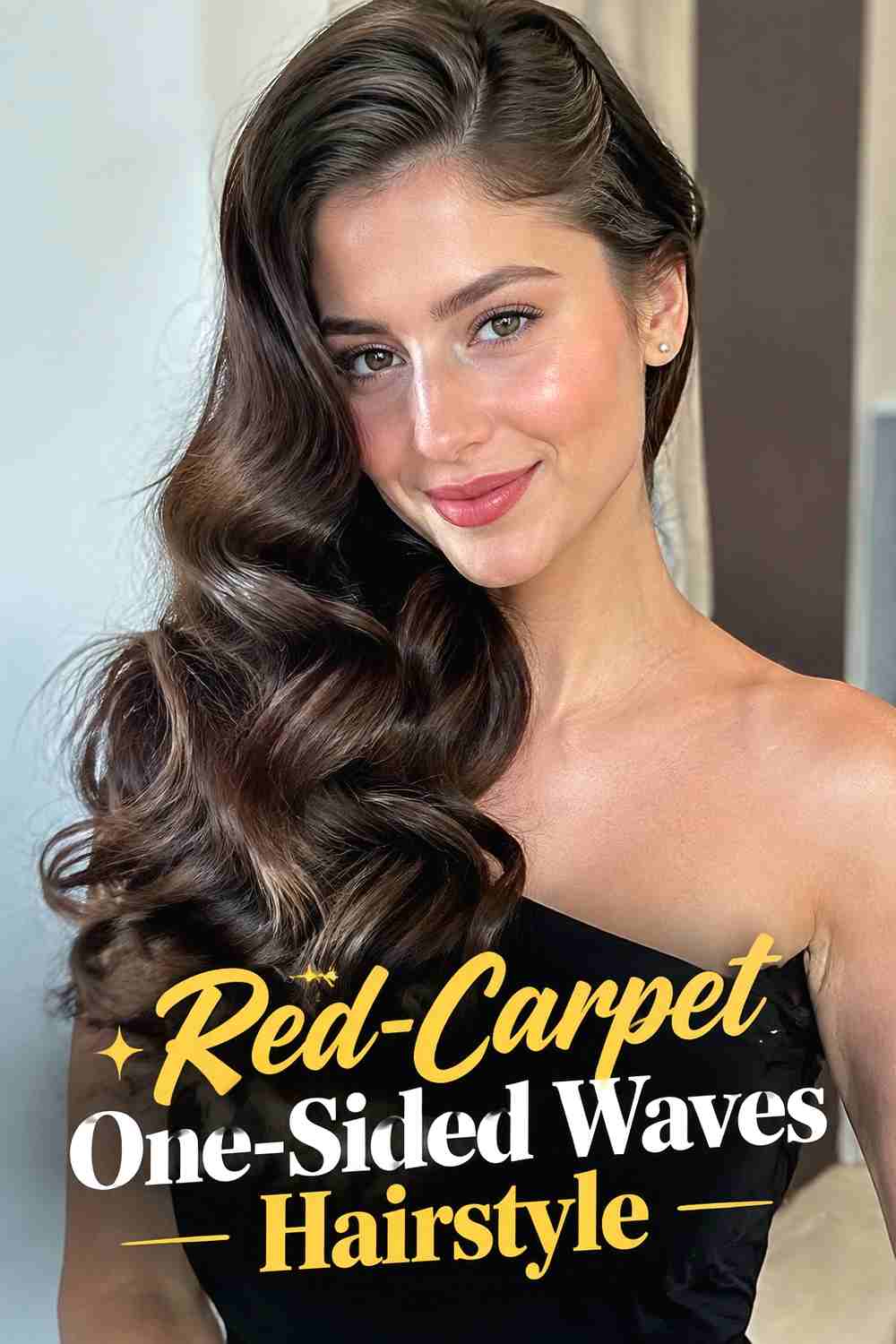
Red-carpet one-sided waves combine a strong side part, polished surface, clear movement, and camera-friendly asymmetry. The fuller side may feature deep brushed waves or softer sculpted bends, while the opposite side stays sleek enough to reveal the jawline and neckline. Medium to long hair gives the style the most dramatic sweep, although a lob can create a sharper interpretation. Work in consistent sections, allow the set to cool, and brush until the curls merge into fluid waves. Refine the front bend carefully because it becomes the focal point from the front. Finish with flexible spray and controlled shine so the hair keeps movement rather than appearing lacquered.
Why It Works
The contrast between the sleek side and fuller waved side creates a strong silhouette that remains recognizable from both front-facing and angled photographs.
How to Choose the Right Look
Start with length and wave scale. Lobs and shoulder-length cuts usually look best with one or two broader bends, while long hair can carry deeper waves, layered movement, or a full Hollywood sweep. If your haircut already has face-framing layers, use them to create definition around the cheek before guiding the rest of the hair over one shoulder.
Next, decide how strong you want the asymmetry to feel. A simple ear tuck creates an easy everyday version, while hidden pins, wet-look roots, or a deep side part make the contrast more pronounced. For soft occasions, brushed or romantic waves keep the finish relaxed. Sculpted S-waves, wedding waves, and red-carpet versions require more precise placement and hold.
Hair density also matters. Fine hair may benefit from lightweight root support, while dense hair can require smaller sections and stronger hidden pinning. Whatever the variation, keep the fuller side flexible and avoid overloading it with heavy shine products.
Final Thoughts
One-sided waves can look relaxed, romantic, editorial, or highly polished depending on the part, wave pattern, and way the smaller side is secured. Choose a version that suits your length and event, then focus on believable movement and comfortable hold. The strongest styles balance sleek asymmetry with soft, touchable texture instead of making either side feel overly rigid.
FAQs
1. How do you keep one-sided waves in place?
Use hidden bobby pins or a discreet tuck behind the ear on the smaller side, then finish with flexible-hold spray. Pinning beneath the hair keeps the support less visible.
2. Which hair lengths work best for one-sided waves?
Medium and long hair offer the most dramatic sweep, but lobs and shoulder-length cuts can also create attractive one-sided waves with broader, more compact bends.
3. Should one-sided waves have a deep side part?
Not necessarily. A deep side part creates stronger asymmetry, but an off-center part can produce a softer, more natural version.
4. Can one-sided waves work for weddings?
Yes. They can provide a polished event style while leaving one side open for earrings, veils, or subtle accessories. Secure the tucked side comfortably for longer wear.
5. How do I stop the fuller side from looking too heavy?
Use broad waves, avoid excessive product, and distribute the movement through layers where possible. Light root lift can also balance the weight of hair swept over one shoulder.
Save your favorite one-sided waves hairstyle ideas, share them with someone planning a new look, and explore more polished wave inspiration for your next style.